Coen Oscar Polack
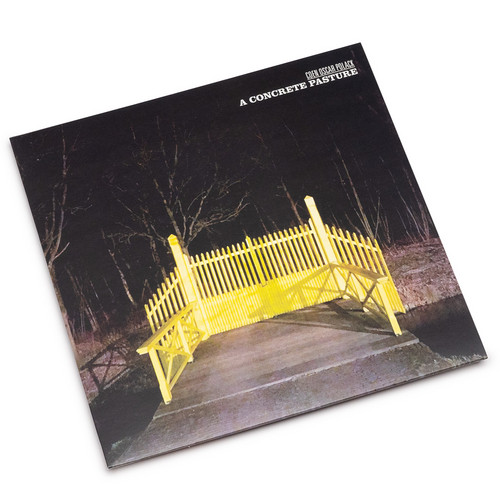
A Concrete Pasture
Follow-up to Haarlemmerhout, pushing Polack's hyper-local Haarlem practice out into the wider world. Four long pieces are built from material gathered across continents - the temple of the reclining Buddha (Wat Pho, Bangkok), Schiermonnikoog in the Dutch Wadden, Hong Kong traffic lights, Gamelan percussion - then routed through electronic processing, nostalgic power chords, electroacoustic crescendo writing, and a final tenor saxophone gesture reminiscent of Albert Ayler's raw expressivity.
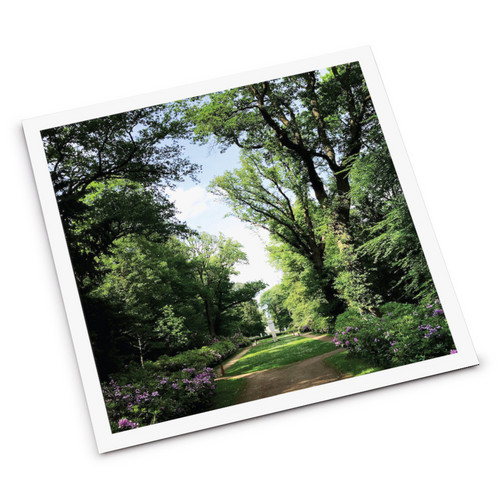
Haarlemmerhout
Polack returns to the park in south Haarlem made famous by Nicolaas Beets's Romantic 1839 novel Camera Obscura, and uses it as the field for an exercise in urban escapism. Local recordings (pigs from the petting zoo, birds migrating north from Africa) are torn apart and rebuilt with layers of synthesis and electronics, blurring the line between unprocessed source and synthetic counterpart. Field-recording ambient in the lineage of Chris Watson, but tilted toward romantic synthesis.