New Arrivals / Last week
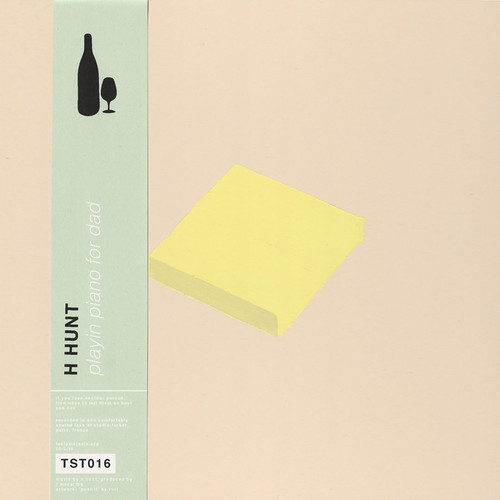
Playing Piano for Dad
Recorded in one comfortably-seated take at Studio Ferber, Paris, France in 2015 - h hunt’s ‘playing piano for dad’ was initially conceived as a Christmas gift to the composer’s father. Intimately recorded, ‘playing piano for dad’ is a heartbreakingly gorgeous & sincere work of eleven vignettes which capture even the most nuanced sounds of the recording session - the composer’s breath, the shifting sounds of the piano pedals, the ambient noise and conversation within the studio. With minimalist t…
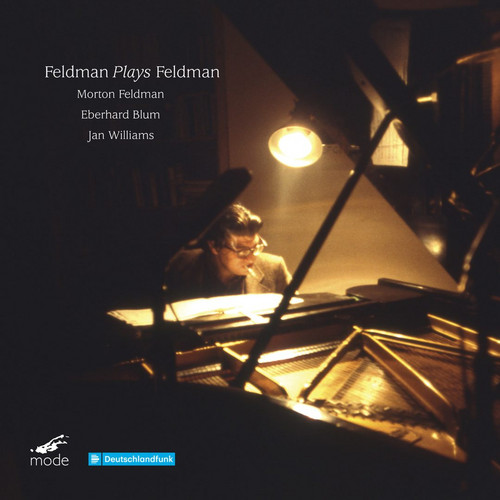
Feldman Edition 15: Morton Feldman Plays Feldman
Morton Feldman plays piano in a 1978 Deutschlandfunk concert recorded in Cologne, with flutist Eberhard Blum and percussionist Jan Williams: Why Patterns?, Extensions 3, Intermission 5 and The King of Denmark.
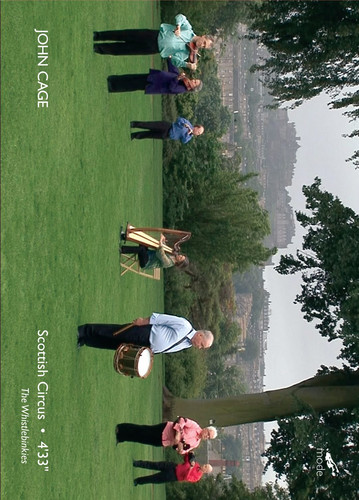
Scottish Circus
Two first recordings of John Cage's Scottish Circus (1990) with the Scottish traditional group The Whistlebinkies, plus indoor and outdoor versions of 4'33" for ensemble, recorded at Inverleith House in Edinburgh on DVD with bonus interviews.

New Orchestral Music from Mexico
Five world premiere recordings of orchestral works by Mexican composers Hilda Paredes, Ana Lara, Andrea Chamizo, Marcela Rodríguez and Georgina Derbez, with the Mexico City Philharmonic Orchestra conducted by Scott Yoo.
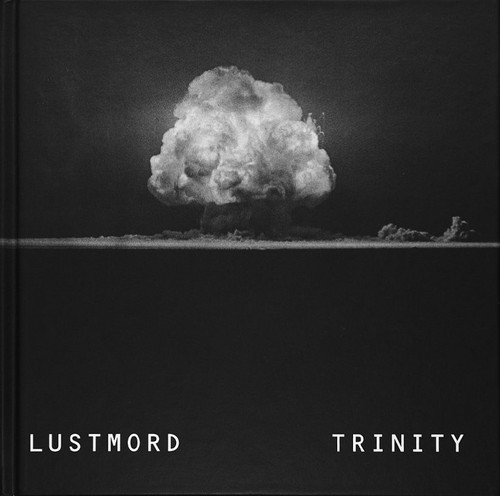
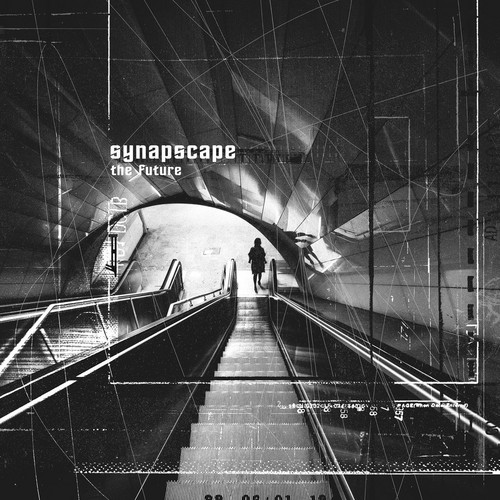
The Future
Synapscape, the German duo of Philipp Münch and Tim Kniep, return with eleven tracks of heavy technoid industrial: glitching electronics, dense rhythmic machinery and dark atmospheres rooted in early EBM, with singing saw by Babsi Teichner.
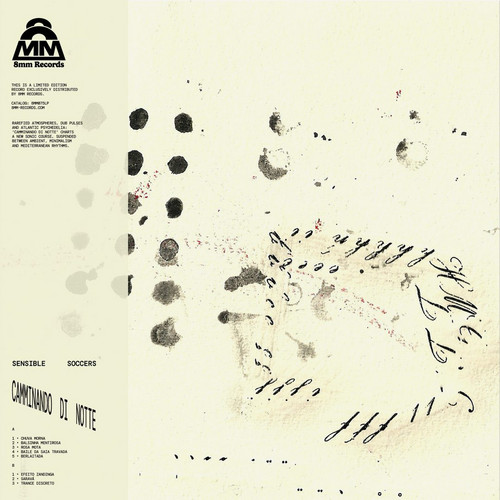
Camminando di Notte
Following two remix EPs featuring reworks by Mad Professor, Peaking Lights and Danilo Plessow, Sensible Soccers return with Camminando di Notte, an album exploring the space where instrumental electronics, organic rhythms and dub-inflected textures converge into a sound of warm, hypnotic and subtly disorienting beauty.The album opens with “Chuva Morna” and "Balsinha Mentirosa", setting the tone with softly played guitars, hazy electronics and rarefied percussion. Rather than moving towards a con…

At Takutaku
Akira Sakata x Triple Edge live at Takutaku, Kyoto, February 2024: 65 minutes with Tsuboguchi, Hayakawa and Fujikake, plus Takayuki Kato on guitar and Hiroshi Funato on contrabass, built around the two-part Takutaku Suite.
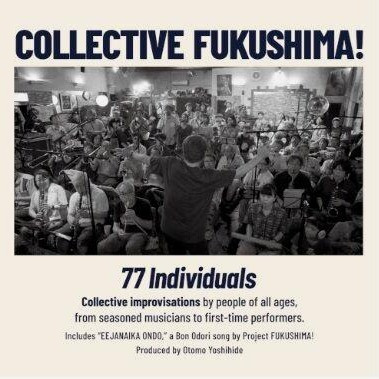
77 Individuals
Collective improvisations by 77 people of all ages, from seasoned musicians to first-time performers, with the Bon Odori song Eejanaika Ondo. Produced by Otomo Yoshihide.
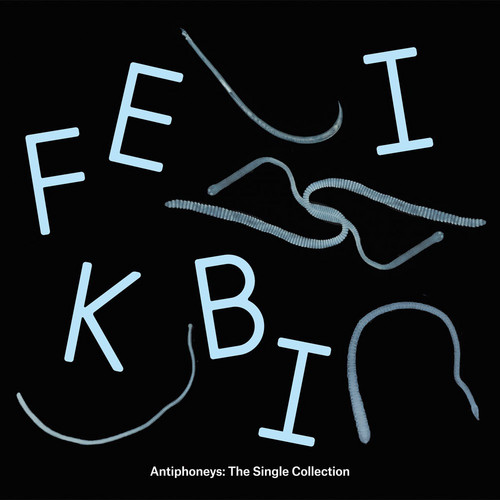
Antiphoneys: The Single Collection
34 tracks from Felix Kubin's singles, EPs and collaborations, 1998 to 2019, chosen by Kubin himself for this Japan-only 2CD, most never on an album and many new to CD. Limited to 300 copies, issued for his June 2026 Japan tour.
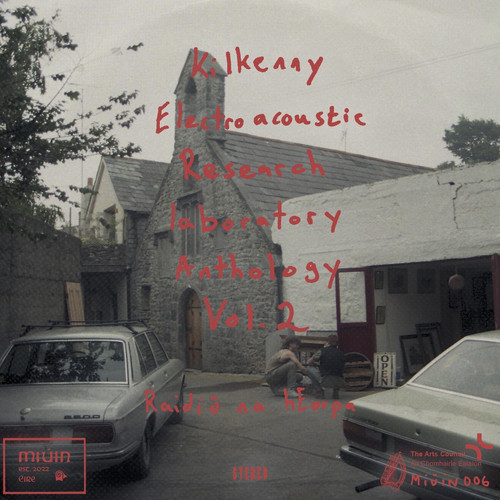
Kilkenny Electroacoustic Research Laboratory Anthology Vol. 2 - Raidió na hEorpa
Second volume of Miúin's Kilkenny Electroacoustic Research Laboratory anthology, turning to the music cultures around the lab, including commissions by its engineer Tony Quinn. Cassette with book and A3 poster, curated by Neil P. Quigley.
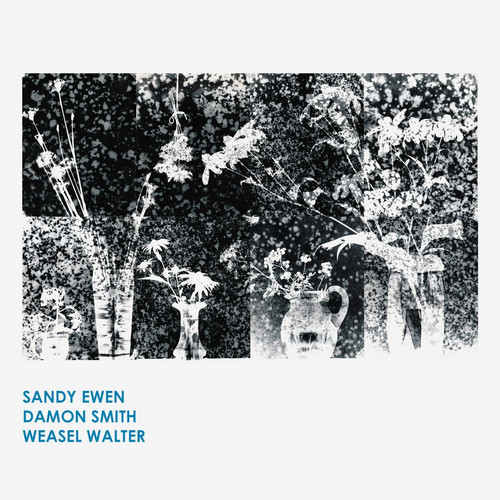
Untitled (2)
Untitled (2) reunites guitarist Sandy Ewen, double bassist Damon Smith and percussionist Weasel Walter, recorded at Bird Cloud in November 2025. Tri-fold digipak with art by Ewen and liner notes by Henry Kaiser.
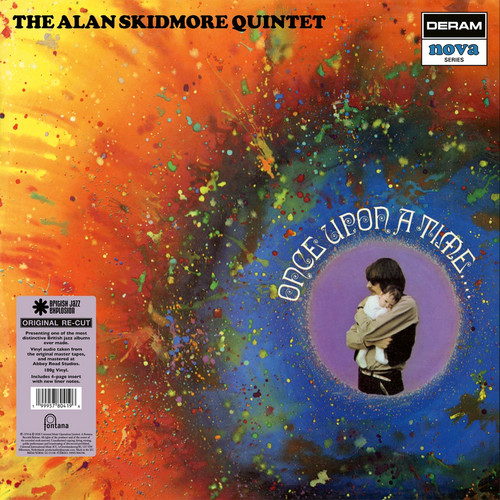
Once Upon a Time
Alan Skidmore's 1970 Deram Nova album with Kenny Wheeler, John Taylor, Harry Miller and Tony Oxley, fresh from their Montreux triumph: a jazz waltz, long suites and free passages, back on vinyl from the stereo masters.
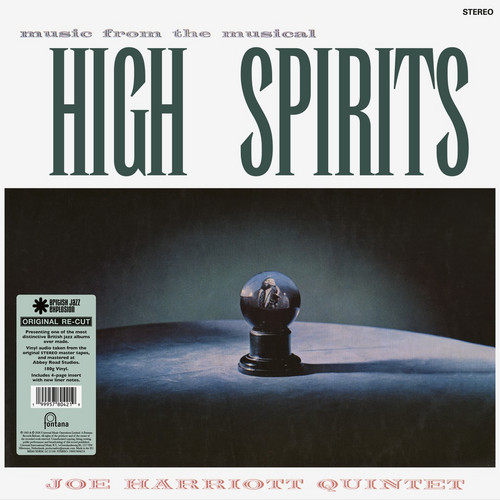
High Spirits
Joe Harriott's 1964 quintet with Shake Keane, Pat Smythe, Coleridge Goode and Bobby Orr turns songs from the Broadway musical High Spirits into lyrical, swinging jazz, now on vinyl in stereo for the first time.
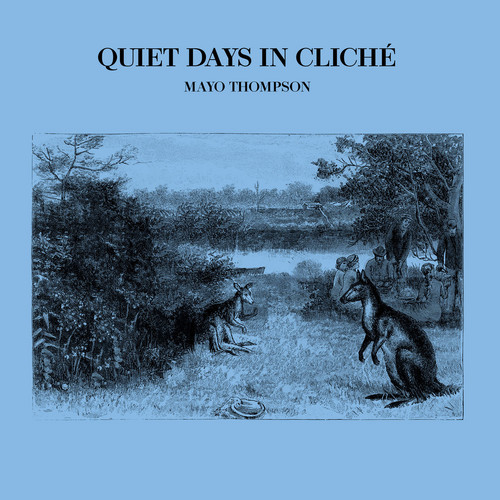
Quiet Days in Cliché
Uncorking the well of wit, whimsy and cool, refined fury that’s fueled his path around this world, Mayo Thompson pours out a new round: a first ever album of solo guitar music, not to mention a first solo album in almost forever, Quiet Days in Cliché.
With The Red Krayola, Mayo made three albums of pop music in the late 1960s, taking the idea of rock ‘n roll songs farther into the hoped-for realms of possibility than 98% of their psychedelic brethren before or since. Following the demise of the …
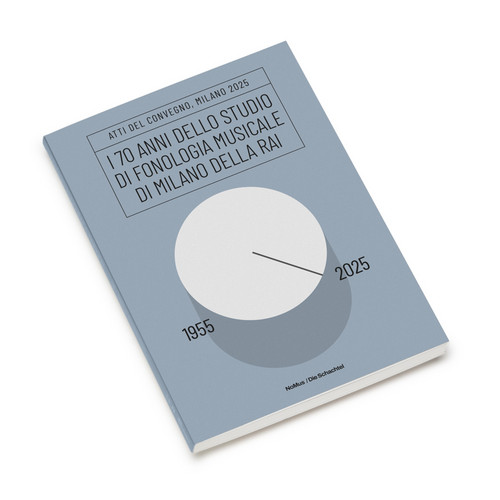
I 70 Anni dello Studio di Fonologia Musicale di Milano della Rai 1955-2025 (Book)
Gli atti del convegno NoMus 2025 per i settant'anni dello Studio di Fonologia Musicale della Rai di Milano: saggi e testimonianze su Berio, Maderna, Nono, Zuccheri, radiodramma, televisione e pioniere dell'elettronica, con 165 immagini d'archivio.
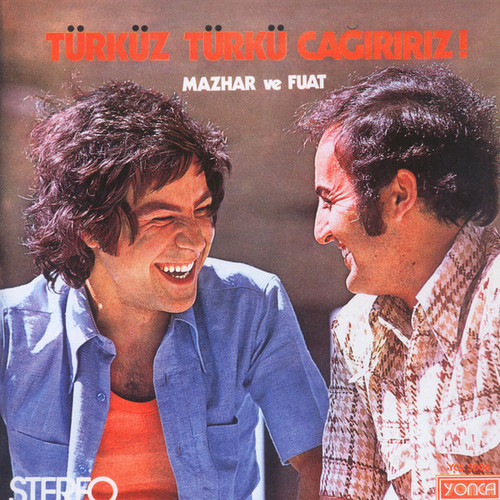
Türküz Türkü Çağırırız !
Turkey’s first stereo LP. A foundational recording of Anatolian psychedelia. Audio transferred from the original analog master tapes, mastered and lacquer cut by Frank Merritt at The Carvery, London, and pressed on 180g heavyweight black vinyl at Record Industry in the Netherlands. Released by the legendary Yonca Müzik label in 1973 as Turkey’s first stereo LP, Türküz Türkü Çağırırız! now returns as the first official reissue. The album captures Mazhar Alanson and Fuat Güner at a pivotal moment …

Offshore
Offshore is the first solo guitar album from Half Moon Bay local Alex Pasternak, an improvisatory record built almost entirely around a single instrument and a single practice: Restraint. Recorded close to home, it carries the sound of the Pacific and the voices of his two young daughters as they stroll the shoreline, from serene minus tides to stormy shore break. "Offshore, in surfing, is used to describe the strong winds that blow from the shore to the sea, creating space inside the curl - but…
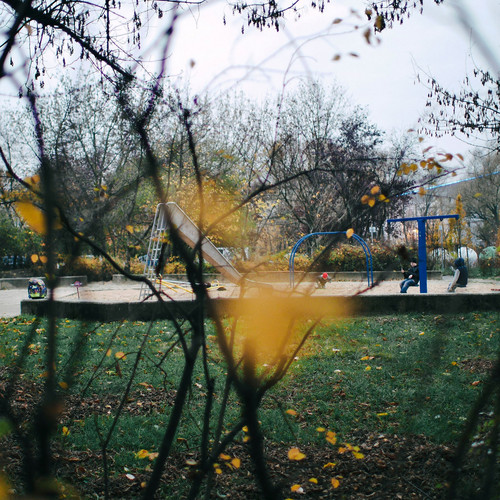
Curving Time
Curving Time is what happens when two musicians spend over a decade circling the same question from opposite directions, and finally sit down to answer it together. Sunshine Yellow cassette in a smoke tinted case with screen printed white title in custom Spaciousness font. Sleeve notes with artists image of playground in liminal Tokyo.
Takeshi Nishimoto and Hiroshi Watanabe have individually spent more than twenty years exploring the emotional reach of instrumental music - one through guitar, s…
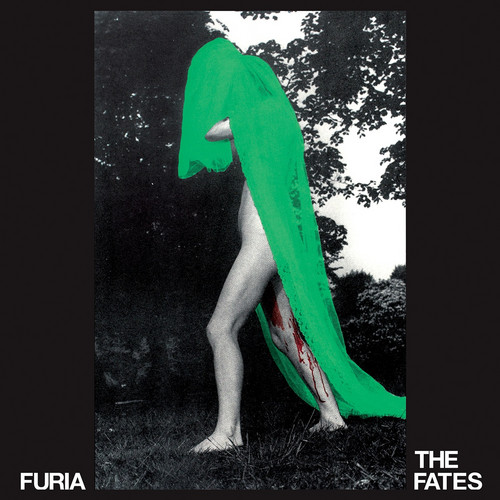
Furia
Following her foundational role in the early years of The Fall, and then the searing post punk of The Blue Orchids, as well as several tours serving as a backing group for Velvet Underground chanteuse Nico, Una Baines found herself starting 1985 without a band. Drafting together members of the all-female Beyond The Glass, and compatriots associated with her past projects, she entered the studio with a clutch of songs and a willingness to experiment. Separating the sides into “waxing”, for the mo…




![data-cosm [n°1]](https://cdn.soundohm.com/data/products/2026-05/Ikeda_DataCosm1_LP_01-jpg.jpg.250.jpg)