New Arrivals / Last 2 weeks
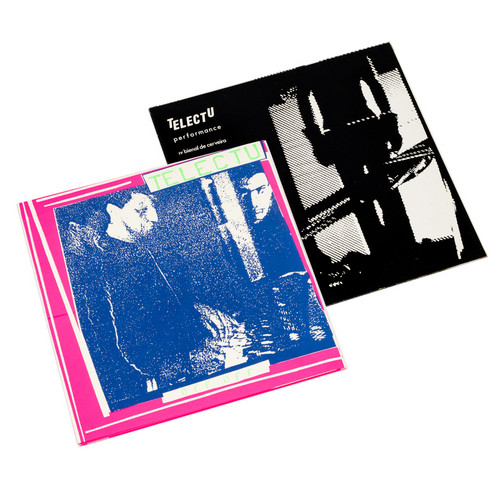
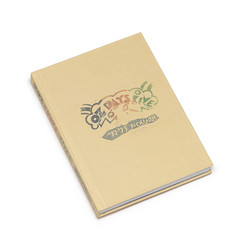
Performance IV Bienal de Cerveira + Off Off
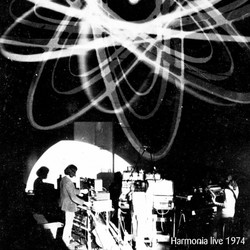
Two Holuzam reissues from Telectu's richest years: Off Off, the double LP they released themselves in 1984, and Performance, their first live album, recorded at the 1984 Cerveira biennial. Together at a reduced price.
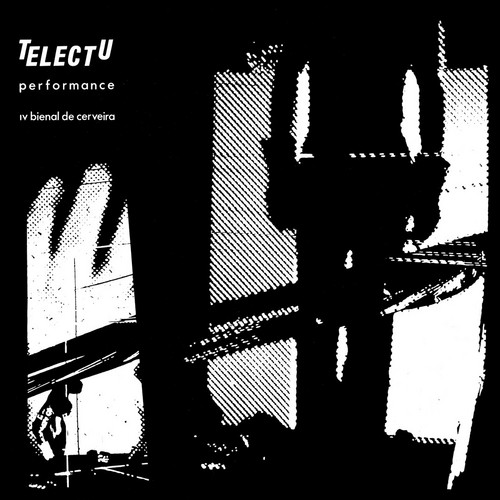
Performance IV Bienal de Cerveira
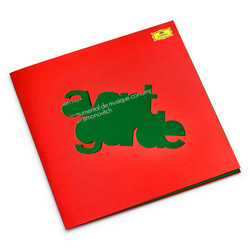
Telectu's first live album, recorded at the 1984 Cerveira art biennial with performances by Manoel Barbosa: long loops and homages to Eno, La Monte Young, Fripp, Cage and Riley. 200 new copies pressed from the original 1985 stamper.
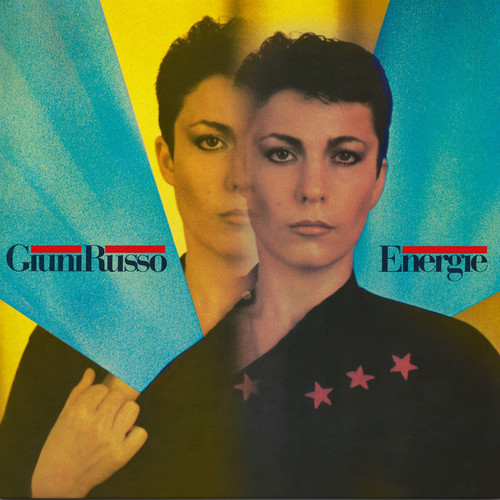
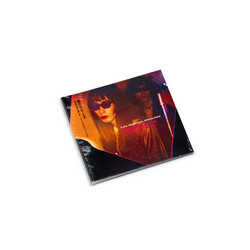
Energie
Giuni Russo's 1981 CGD album, produced with Franco Battiato and Alberto Radius and arranged by Battiato and Giusto Pio: electronics, experimental pop and avant-garde singing, remastered on 180g yellow vinyl.

The Night of the Purple Moon
Sun Ra's 1970 Saturn album, cut with a skeletal Arkestra of three sidemen and Ra on Rock-Si-Chord and Minimoog in a near-pop mood. Cosmic Myth's expanded 2LP adds six bonus tracks, including a 1971 TV concert and a 1973 live quartet.
Aurora II
Vilhelm Bromander returns to Warm Winters Ltd. with his second album written for an extended woodwind ensemble. For those uninitiated, 2022's 'Aurora' was a collection of pieces Bromander wrote for an ensemble of friends, most of whom were playing on instruments unfamiliar to them.
'Aurora II' builds on the last album, but the ensemble of friends grew, and so did the sound, which has evolved into a deeper, more expansive one. Each of the compositions has it’s own attunement space which invites t…

Look What I Found in the Forest
*250 copies limited edition* Look What I Found in the Forest is a sequence of ten musical dialogues built around voice, piano, improvisation and collaboration. Moving between ambient, experimental jazz and darker, more intimate territories, each dialogue opens a different space while remaining part of the same journey.

Movements Vol.13
Music history wasn't written solely by the major record labels. Beyond the charts, a vibrant scene of independent musicians, producers, and small labels emerged in the 1960s and 70s, whose recordings are now among the most fascinating discoveries in the history of soul, funk, and R&B. Often with no prospect of commercial success, they created their music with remarkable determination-uncompromisingly and on their own terms. For many of these artists, this was the only way. They founded their own…
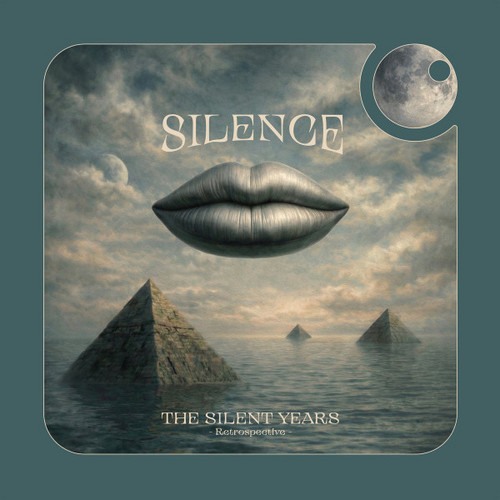
The Silent Years (Retrospective)
After Psychonavigation and Air, Infinite Fog continues its series of five-CD editions devoted to Pete Namlook with the complete Silence collection.
Silence began in Frankfurt in the early 1990s as a collaboration between Pete Namlook and Dr. Atmo, whose ambient nights at the XS club brought the two musicians together. Released in December 1992, their first album was the first full-length ambient release on Namlook’s newly founded FAX label and soon became an early label classic. The second album…
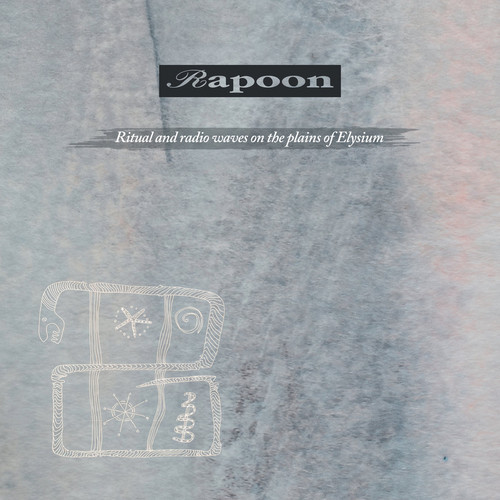
Ritual and radio waves on the plains of Elysium
*150 copies limited edition* With Ritual and Radio Waves on the Plains of Elysium, his second album for Unexplained Sounds Group, Rapoon conjures the vast, open spaces of the American deserts and plains, translating the experience of crossing those landscapes into sound. The music captures the hypnotic rhythm of endless travel, where time loses its grip and the scenery becomes a continuous, shifting presence: brief flashes of towns, gas stations, roadside stops, night skies, and distant radio fr…

Thousands of glowing eyes
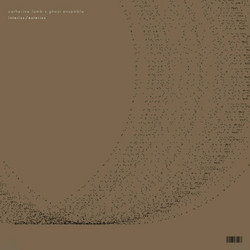
*100 copies limited edition* After a much-needed break, forms of minutiae is back to present “thousands of glowing eyes”, the album of Taiwanese sound artist and field recordist, Gina Lo, in which she shares a collection of biophonies from the jungles of Borneo.
Update : Borneo Is Burning - Call For Donation : On the other side of the border where these recordings were made, peatland fire in Kalimantan has been burning for 4 months, destroying 2 million acres of forest and leaving 300k people ho…
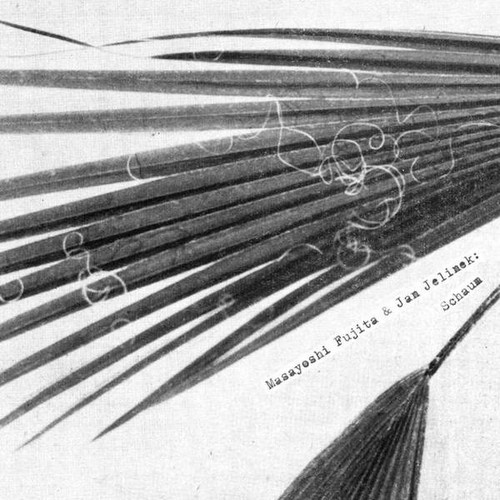
Schaum
Faitiche presents the release of a new album by Masayoshi Fujita & Jan Jelinek (faitiche13). Since their debut (Bird, Lake, Objects, faitiche03, 2010) they have played improvised concerts around the world. Japanese vibraphonist Masayoshi Fujita prepares his instrument with various percussion elements as well as metal objects and toys, while Jan Jelinek layers loops made using small-scale electronic devices. Schaum (German for froth, foam) is the duo's second album.
"The river, forcing its way th…
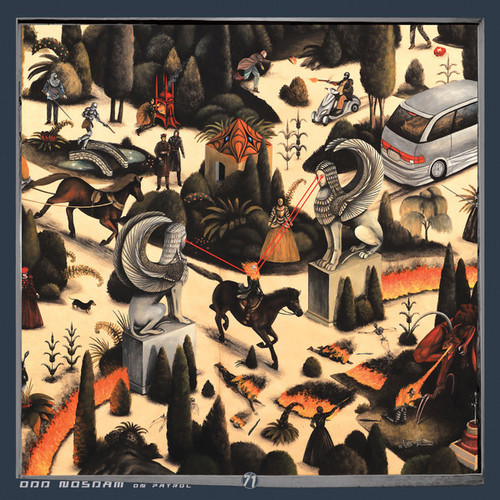
On Patrol
For over 25 years, David Madson (aka Odd Nosdam) has been stationed away from the light of the mainstream, diligently working the nightshift. Every so often, we awake to find another of his bleary and beautiful missives slung into the waking world – albums whose assemblages of sampled grooves, atmospheres and voices are unified by a hallucinatory sense of melody, like disparate visions strung together through ribbons of sleep-talk. From his earliest days as a member of the seminal group cLOUDDEA…
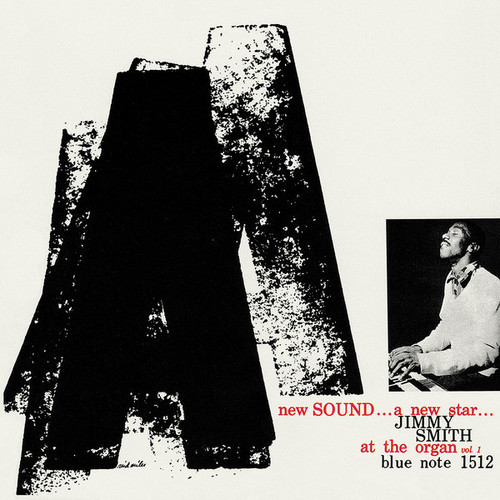
A New Star - A New Sound, Vol. 1
Before Jimmy Smith became one of jazz’s most influential organists, there was A New Sound… A New Star (Volume 1)—the 1956 Blue Note debut that announced a bold new presence on the scene.
Recorded at Van Gelder Studio with guitarist Thornel Schwartz and drummer Bay Perry, the album puts Smith’s Hammond organ front and center: nimble, muscular and full of blues-inflected swing. He reshapes familiar standards such as “The Way You Look Tonight,” “Oh, Lady Be Good!” and “But Not for Me,” while “You G…
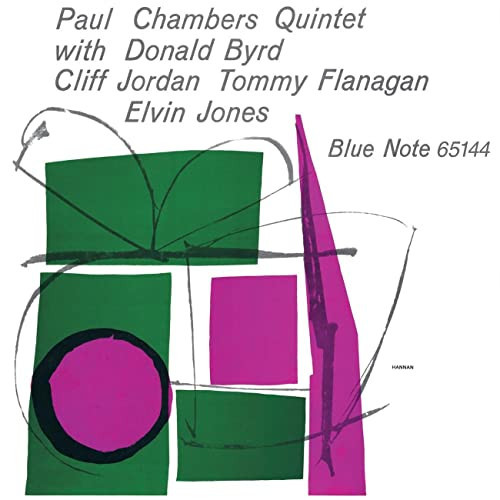
Paul Chambers Quintet
Recorded at Rudy Van Gelder’s studio in Hackensack, New Jersey, on May 19, 1957, Paul Chambers Quintet captures bassist Paul Chambers leading an exceptional ensemble at the height of the hard-bop era. Released by Blue Note in 1958, the album brings together trumpeter Donald Byrd, tenor saxophonist Clifford Jordan, pianist Tommy Flanagan, and drummer Elvin Jones.
Chambers is more than the foundation beneath the group: his resonant bass lines and confident solos give the session its unmistakable …
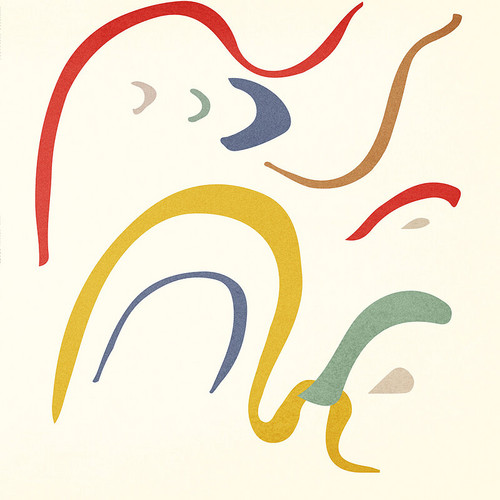
Arati
Paul Pèrrim returns with Arati – a raw, expeditionary palindromic companion to his 2025 debut, Itara. Exploring a rawer, harsher, and more rugged landscape than its predecessor, Arati pushes deeper into the wilderness. The anthropologist- musician continues to guide listeners down paths trodden by akaleidoscope of cultures, offering a sound that is profoundly singular, primal, and timeless.
The album’s surreal compositions weave together an eclectic arsenal of textures: mutant maqams, Africanist…

No Promotion
WHIMM formed around the shadowy heart of the Toronto post-punk underground over a decade ago. The partnership between Mounir Al Shami and Andrew Matthews has emitted sporadic musical shards over time, while slowly evolving into something so much bigger than its beginnings. Ideas seep out of every corner of No Promotion, showcasing a burning desire to explore and challenge while delivering very direct sonic offerings. The result is an album that feels as if you took the entire Coil discography an…
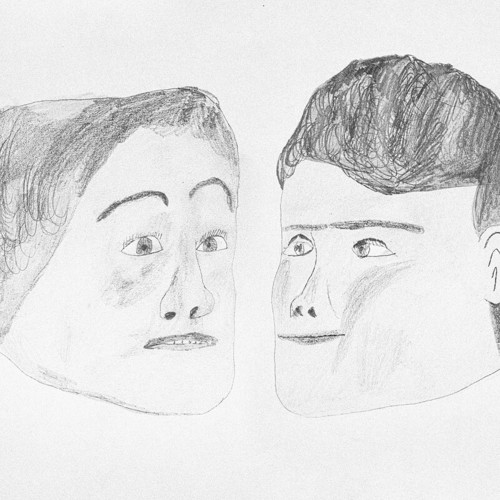
Hei
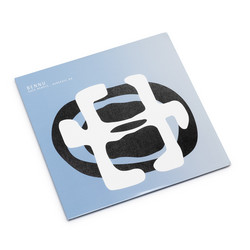
*300 copies limited edition* Originally released in 2000 on Smalltown Supersound, Kim Hiorthøy’s first record Hei captures an artist who had made very little music before – yet it seemingly was the starting point of a musical career that would stay away from easy categorisation. Now, Hei (2026 Remaster) returns on blickwinkel, released digitally and on vinyl on 30 October 2026, as part of an ongoing series revisiting and reissuing Hiorthøy’s work.
Made in Copenhagen with little equipment — an Ak…
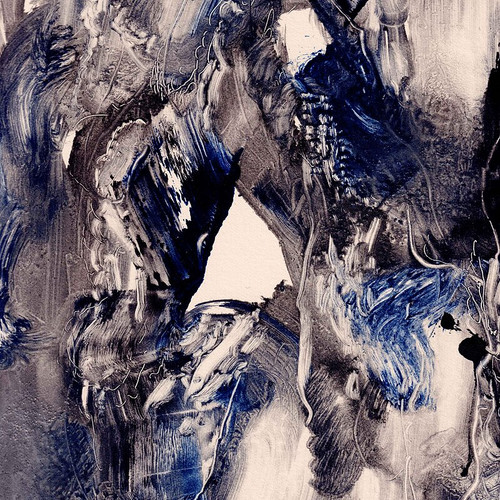
Delia
Sucata Tapes and Annihaya proudly present Delia, the hypnotic new album by Munda (Selu Herraiz), following up on foundational explorations of ritual and territorial memory.
Recorded in September 2021 during a residency at Konvent—an old convent set within an abandoned industrial colony in Cal Rosal, deep in the lower Catalan Pyrenees—Delia is forged from the physical ghosts of a former textile factory. Within high ceilings, terracotta floors, and walls vibrating with low frequencies, Herraiz cap…
Fuglen flyr godt
*100 copies limited edition* Fuglen flyr godt (“The bird flies well”) is the second solo album by Norwegian multidisciplinary artist Espen Friberg, following 2022’s Sun soon (Hubro). Recorded in the coastal town of Hvitsten, Norway, through the winter and spring of 2025–26, the album consists of eleven pieces made entirely on the Serge Modular synthesizer. Through improvisation and experimentation, Friberg treats the Serge as a shifting network of relationships, developing a vocabulary of idiosy…
A Thousand Machines Can't Make A Flower
*70 copies limited edition* A collection by Peruvian visual artist Jonathan Castro between 2024–26 at home studios while living in Amsterdam, then Rotterdam, NL. The compositions were made using various synthesizers, samplers, electronic percussion, congas, and an array of effects pedals. Knackered out salsas, looped up and chucked down into a custom dub chamber.
Given his background living in music, listening to music, and in music — the regional rhythms on display are not a surprise. It seems …