Philip Glass
Philip Glass began from premises similar to Steve Reich's but shunned Reich's austere science and always remained closer to popular music than to classical music. He moved away from the arduous repetitive patterns of Music In Twelve Parts (1974), rediscovered melody and approached the format of the opera from a different perspective with Einstein On The Beach (1976). Movie soundtracks, operas and collaborations with pop/rock musicians became his preferred media.
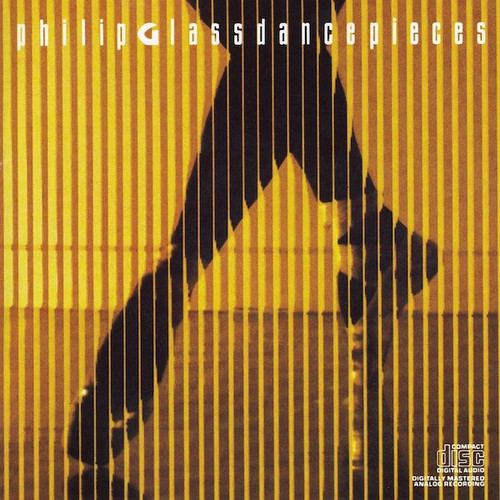
Dance Pieces
“Glasspieces” was originally performed in 1983, “In The Upper Room” suite premiered in 1986, and both accompanied a ballet performance. This is the only place you can find the ensemble version of the “Funeral” from ‘Akhenaten’, which was a show-stopper from Glass's ensemble concerts of the mid-80s. There are a number of musicians on both pieces and “In the Upper Room” includes conductor Michael Riesman on piano and synthesizers. In addition to the keyboardist, there are a number of string, brass…
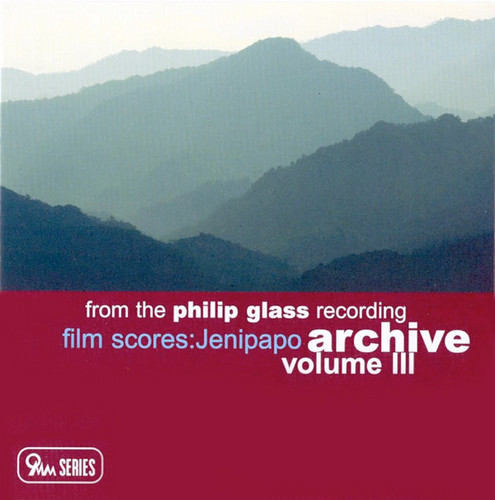
Film Scores : Jenipapo
Philip Glass’ original score to Monique Gardenberg’s 1995 political thriller “Jenipapo”, starring Henry Czerny, brought Glass another opportunity to composed against the backdrop of the Brazilian landscape and the tumult of political upheaval. The story of the film follows a reporter in his search to track down an influential priest who has gone silent during a political battle over Brazil’s forests. Glass’ score reflects the political implications of the film as well as the vast canvas against …
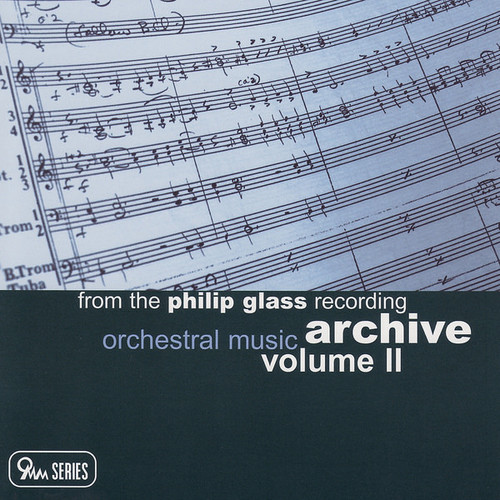
Orchestral Music
The second release to be drawn from Orange Mountain Music's Philip Glass Archive series, this disc - if you hadn't guessed - focuses on the composer's orchestral works, namely his compositions Days And Nights In Rocinha and Persephone. The former of these was inspired by the titular neighbourhood in Rio De Janeiro, best known for its celebrated samba school. Accordingly, the piece is redolent of a Latin American influence, opening with a languid romantic melody only to eventually augment itself …
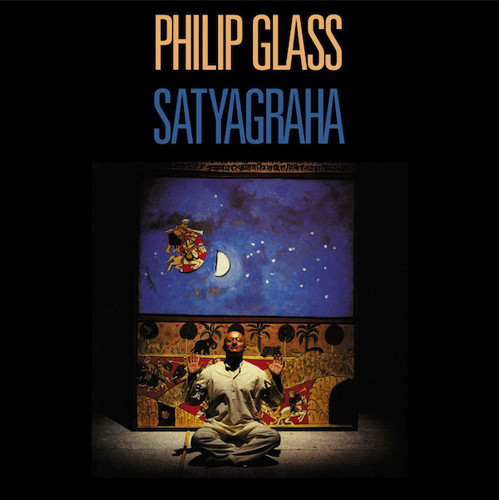
Satyagraha
* Deluxe Lift-off Box Set. 180 gram audiophile vinyls * The second in Philip Glass' trilogy about men who changed the world, Satyagraha's sub-text is politics. The opera is semi-narrative in form and deals with Mahatma Gandhi's early years in South Africa and his development of nonviolent protest into a political tool ('Satyagraha' is a Sanskrit word meaning 'truth force'). The first two acts each contain three scenes; the last is one continuous scene.
Each act is dominated by a single historic …
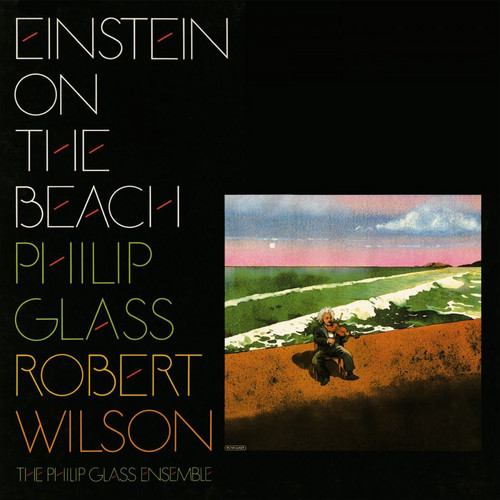
Einstein on the Beach
**180 gram audiophile vinyl. Deluxe Lift-off Box Set and it includes a 24-page booklet.** Composer Philip Glass and director Robert Wilson's Einstein on the Beach, widely credited as one of the greatest artistic achievements of the 20th century, launched its creators to international success when it was first produced in Avignon, France, in 1976, with subsequent performances in Europe and in New York at the Metropolitan Opera. It is still recognized as one of their greatest masterpieces.
Einstei…
Again & Again
This is the third and final chapter of a project/research on "minimalisms" that the Italian flutist Manuel Zurria, acclaimed instrumentalist and passionate lover of the more adventurous contemporary music, began in 2007. The double CD include near two and a half hours of music, which reveal how much different the approaches to the beloved "minimalist" verb can be. And how much an inquiring and participatory interpretation can lead to exciting results. In this brilliant collection Zurria not only…
Desert Plants
Facsimile reprint of Walter Zimmermann's book Desert Plants, his interviews with American experimental composers from a 1976 trip to America
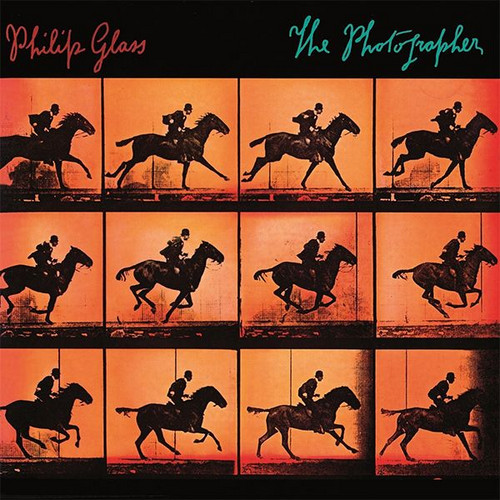
The Photographer
**2019 stock, reduced price** The Photographer is a chamber opera by world renowned composer Philip Glass, first performed in 1982 at the Royal Palace in Amsterdam. The story revolves around the life and work of photographer Eadweard Muybridge, the 19th century pioneer in photographic studies of motion and motion-picture projection. The centerpiece of the story is the trial for Muybridge's murder of the alleged real father of his child, an accusation Muybridge was indeed found guilty of. Remarka…
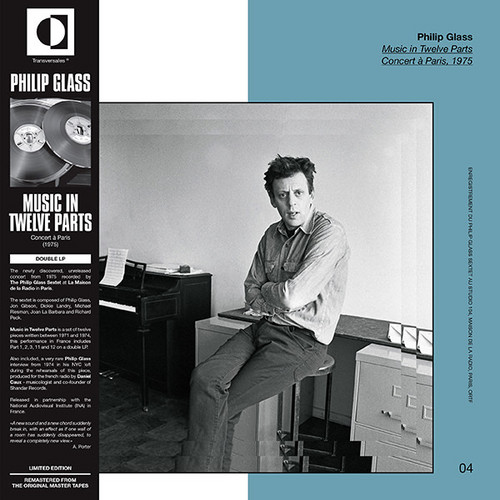
Music in Twelve Parts
Incredible lost recordings by Philip Glass from 1975, released at ORTF Sextet at La Maison de la Radio, Paris. The sextet is comprised of a stellar cast of musicians with Philip Glass, Jon Gibson, Dickie Landry, Michael Riesman, Joan La Barbara and Richard Peck. Music in Twelve Parts is a set of twelve pieces written between 1971 and 1974. This performance in France includes part 1, 2, 3, 11 and 12 on a double LP.Also included a very rare Philip Glass interview from 1974 in his NYC loft during t…
The Complete Sony Recordings
This massive box set offers perhaps the definitive and most comprehensive collection of Philip Glass’ work ever assembled. The Complete Sony Recordings is the first ever release of Philip Glass Sony Classical recordings together in a limited-edition box set. The 24-CD set includes the first ever release of Glassworks specially mixed for your personal cassette player on CD, a 44 minute interview with Philip Glass on Glassworks (previously only available on a Columbia 7 ), a hard bound book …
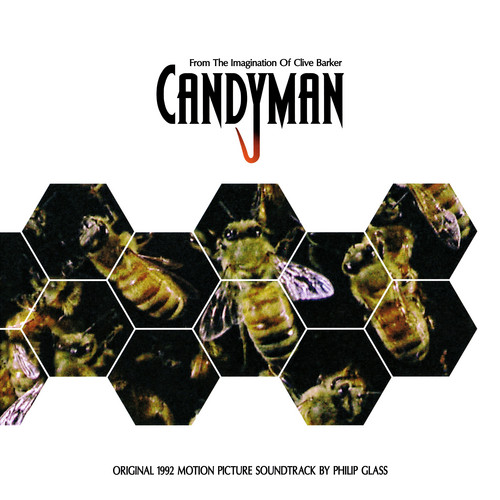
Candyman (Original 1992 Motion Picture Soundtrack)
Clive Barker who wrote the story for Candyman is a multi talented artist, painter, director & producer. The extent of his work is endless. Spawning the likes of Nightbreed, Hellraiser, Lord Of Illusions and the Books Of Blood just to name a few. Philip Glass also needs no introduction. Considered one of the most influential composers of the last century his works are featured in a multitude of movies like Koyaanisqatsi, Hamburger Hill, The Truman Show, etc. Mr. Glass was nominated for and won se…
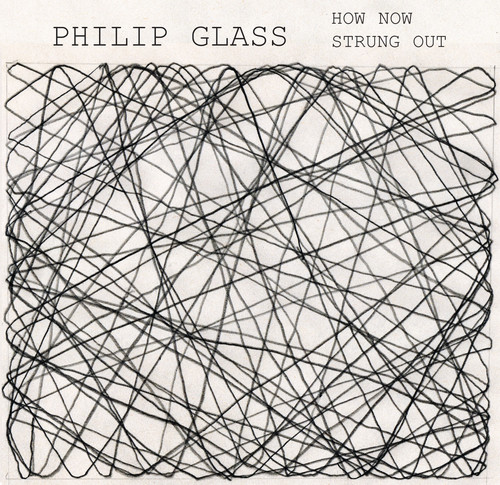
How Now/Strung Out
"Every new musical language requires new performance skills. Works such as HO NOW and STRUNG OUT were, in effect, pieces written to develop these skills which include stamina, sustained concentration, and an ability to play continuously in an easy and relaxed manner." - Philip Glass
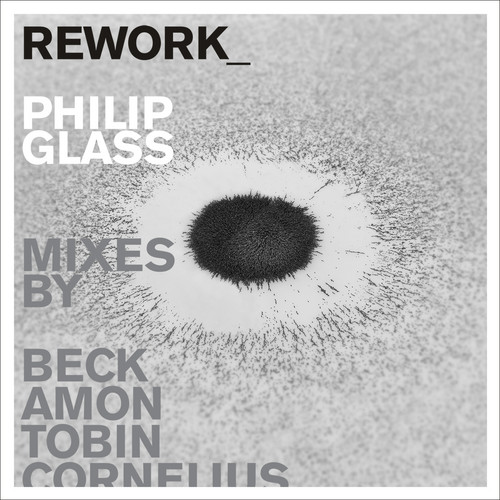
Rework: Philip Glass Remixed
There are two basic reasons why composers like Philip Glass end up getting remixed: rhythm and repetition. Glass' most identifiable music is simple, or so it seems: Play a chord, break it down into its constituent notes, and repeat the notes in hypnotic succession. If there's another instrument playing, they're probably playing the same notes in a different order. At the foundation of the music, there's what's called an ostinato. One way to think of it is as a bassline; another, in the words of …
Rework
One of America’s greatest ever composers gets the remix treatment. What is it with remix albums this week - are they back? Anyway it’s always an odd thing the remix album, basically it’s just an excuse for the great and good to strut their stuff and do something decent on a high profile record.It’s a mixed bag of collaborators from Tyondai Braxton to Cornelius to Beck (who gets an entire side to himself) to Johann Jonannsson to Peter Broderick (still no doubt weeping from our review of his recen…
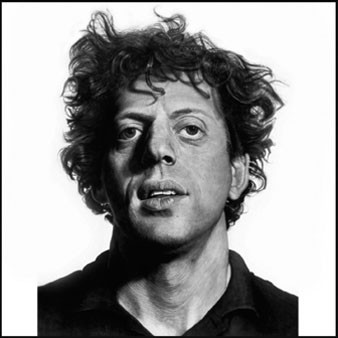
A Nonesuch Retrospective
Philip Glass is one of America's best-known living composers, with a career that spans more than four decades and includes chamber music, symphonies, operas, concerti, film scores, and music for dance. On September 30, Nonesuch Records, which has had a relationship with the composer for more than 20 years, releases Glass Box—a 10-disc retrospective of compositions from his groundbreaking career. Excerpts from Glass’s largest and best-known works, like his operas Einstein on the Beach and Satyagr…
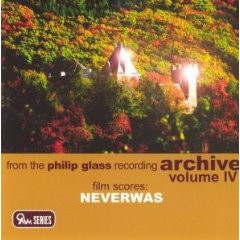
Film Scores: Neverwas Recording Archive Vol. IV
Philip Glass' score to the film Neverwas is the fourth release from the Philip Glass Recording Archive. Neverwas, a film starring Ian McKellen, Aaron Eckhart, Nick Nolte, Brittany Murphy, Jessica Lange and William Hurt, is a fantasy-mystery with a bold, playful and fantastical score by Philip Glass. The film never received wide distribution and was largely forgotten. The 53-minute film score (composed the same year the composer's celebrated music for The Hours) possesses some of Glass' most acce…
Musique Pour Piano Solo
Mention "minimalism" and certain names will pop up, both within and outside of the classical world: Terry Riley, Steve Reich, John Adams. The most famous one, however, would be Philip Glass. Unlike most 20th Century composers, Glass has reached far beyond the concert hall: his work includes film soundtracks (THE TRUMAN SHOW, THE THIN BLUE LINE), multimedia presentations ('1000 Airplanes on the Roof"), and collaborations with pop/rock writers/performers (his SONGS FOR LIQUID DAYS album). With SOL…
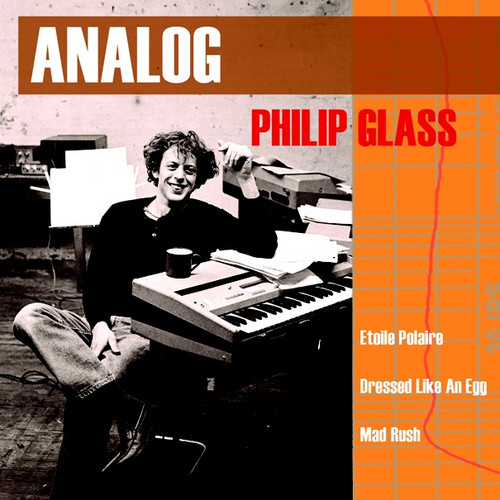
Analog
Unreleased recordings from the late 70s, performed by Glass (Farfisa, Yamaha & Hammond organs, Fender Rhodes piano, Arp synthesizer). New release which contains three seminal works in Glass's musical history. In the late 1970s, Philip Glass was asked by two film producers, Francois de Menil and Barbara Rose, to write music for a film they were producing. The film was Mark di Suervo, Sculptor and it was Glass's first film score, predating even Koyaanisqatsi. The score took its titles from the nam…
Solo Music
Recordings of Contrary Motion and Two Pages by Philip Glass during February and March 1975 in New York City. Performed by Philip Glass (electric organ) and Michael Riesman (acoustic piano on Two Pages). Only one copy available.
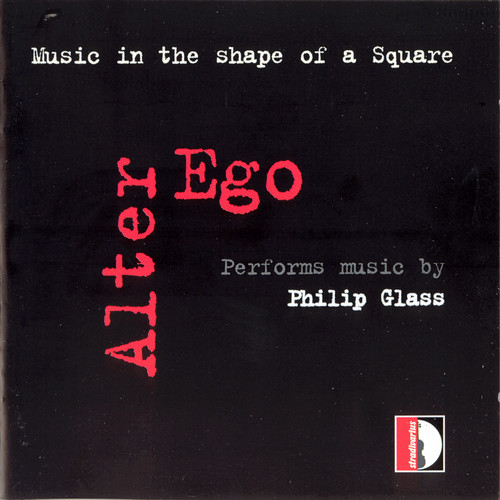
Music in the shape of a square
On 30 June 1999, the ensemble Alter Ego performed a concert of works by Philip Glass at the Opera Paese Gallery in Rome, one of the most innovative musical venues in the city and where Alter Ego has played regularly since 1996. Glass himself was present at this performance which was a replica of his own famous debut concert at the New York Film-Makers Cinemateque in September 1968. Under the guidance of Pietro Fortuna, the artists of the Opera Paese Gallery faithfully reconstructed the geometric…