Back in stock
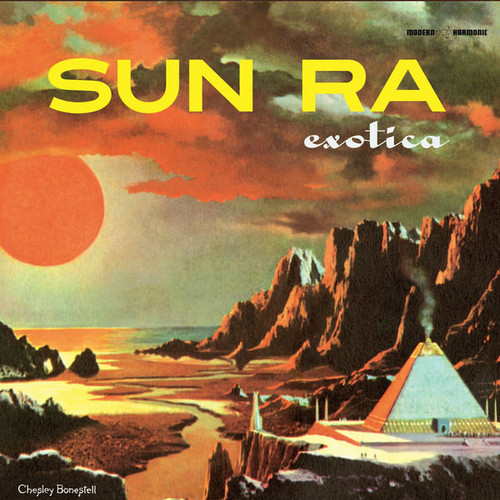
Exotica
Sensuous dreamscapes to transport the listener to the lush tropical environs of the outer reaches of the omniverse. Your choice of three colorful inter-stellar saucers or two compact saucers of "Exotic-Ra" bringing you to a lush cocktail party where space is the place. All packaged in a beautiful Chesley Bonestell adorned gatefold package with two sets of extensive notes! Sun Ra. Exotica. Incongruous? Listening to the 25 tracks herein will showcase that Sun Ra was, indeed, an Exoticat of sorts, …
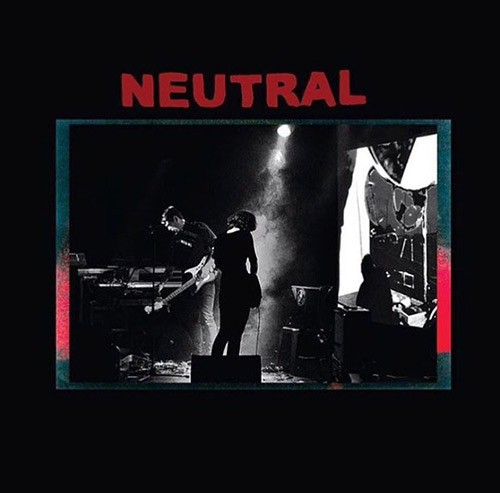
Neutral
"In a sweaty art space open to no one and just a stone’s throw away from the Utmarken venue where it all in more than one way kind of began, Neutral did their first show in front of maybe 25 people. The free jazz drummer Peeter Uuskyla opened the night with a shimmering set of absurd, life-elevating bliss and Neutral just ripped it all apart. There and then sort of Gothenburg underground ground zero, or more like ground nothing. New beginnings and grey waves of something very exciting. It’s been…

Crying Bamboos: Ceremonial Flute Music from New Guinea
Double LP version. Crying Bamboos is a translation of the pidgin description of the sound of sacred flutes: "Mambu i cry, i cry, i cry". Sacred flutes are blown to make the cries of spirits by adult men in the Madang region of Papua New Guinea. Pairs of long bamboo male and female flutes are played for ceremonies in the coastal villages near the Ramu River. There are seven male initiation flute cries from Bosmun, four flute cries from Bak: Borai with occasional single garamut percussion and two …
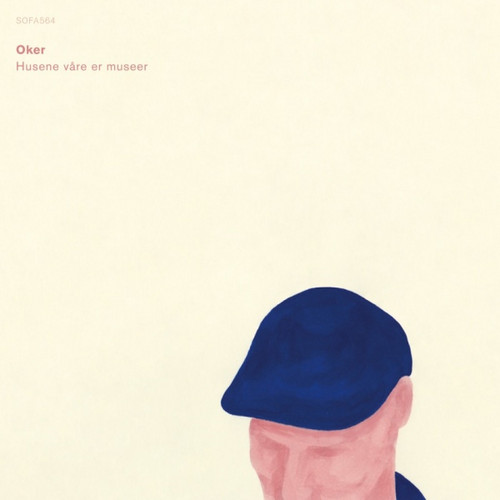
Husene våre er museer
Oker is an acoustic improvising quartet based in Oslo, consisting of Adrian Fiskum Myhr on bass, Jan Martin Gismervik on drums, Torstein Lavik Larsen on trumpet and Fredrik Rasten on guitar. The music combines material from expanded instrumental techniques with open tonalities and deconstructed grooves. It can be described as rich textures in gradual change, but also as responsive and spontaneous. The ensemble balances between airy gestures and dense collective blocks of sound.
Oker is ma…
(third) Stunt
This new Ielasi album is the final part of a trilogy started in 2008 with the “Stunt“ EP on Schoolmap. The series only source material is one turntable and a large selection of vinyl records; pulses and rhythms being the main organisational/compositional principles. Ielasi focuses on the (audible) physical gesture of actually playing these records, a technique borrowing heavily from turntablism in hip-hop music, in contrast to the more anthropologic sampling techniques of plunderphonia. T…
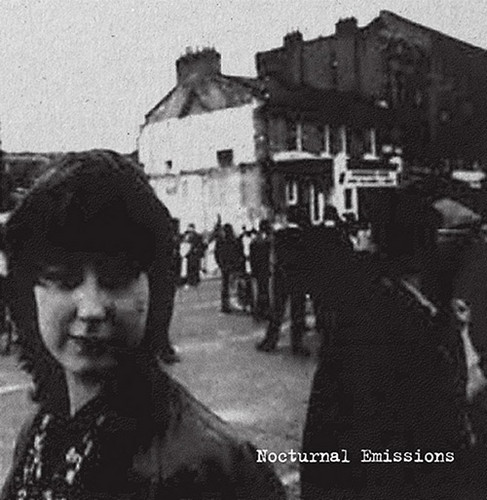
Nocturnal Emissions
Double LP version. Led by Nigel Ayers, Nocturnal Emissions was one of the first bands to use tape cutting, avant-garde art, and underground video works to create a stage experience that was cultivated by like-minded artists like Throbbing Gristle and Cabaret Voltaire. The band moved on to using samplers and electronic noise in their early '80s work, creating a twisted funk sound that would go on to influence everyone from Foetus to Negativland. They still utilized their former tricks, uppi…

From Here You'll Watch The World Go By
Finally available on vinyl is one of The Legendary Pink Dots most beloved albums, From Here You'll Watch The World Go By, one of the groups most artistically complete and visionary works. Moving from noir jazz and grand psychedelic ballads to sophisticated space rock textures, the charismatic voice of Edward Ka-Spel floats and teases as only his can. Diehard fans of LPD have certainly been waiting a long time for this gem of an album to finally be presented on vinyl. A must have! Includes …

Invenzioni
**Very Last Copies - Original 1983 copies of this obscure classic, slightly warped** few copies available. Over the last decade we’ve begun to form an image of Italy’s long neglected musical avant-garde. This movement, with artifacts stretching from the mid-1960’s to today, remained landlocked for decades, almost entirely unheard beyond the country of its birth. With a small number of exceptions, despite the remarkable creative diversity reissue culture has managed to represent, the majorit…
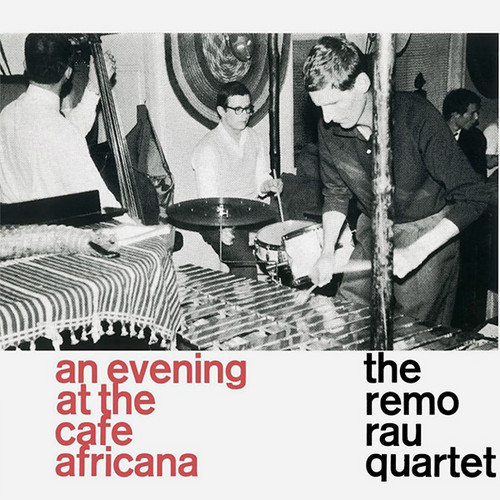
An Evening At The Cafe Africana
Impossible to find hard bop LP! From the collection of Elsie Bianchi comes this exciting Swiss jazz album, originally released 1961 in a micro run of approx. 150 copies on a private label. Composer, arranger and vibraphone player Remo Rau (1925-1987) recorded directly “on the spot” with R. Anselmi (p), R. Pierre (b) and A. Bally (d) at the legendary “Cafe Africana” in Zurich. Exclusive 1:1 vinyl reissue - the first and only recorded trace of Rau`s fascinating modern jazz activities…
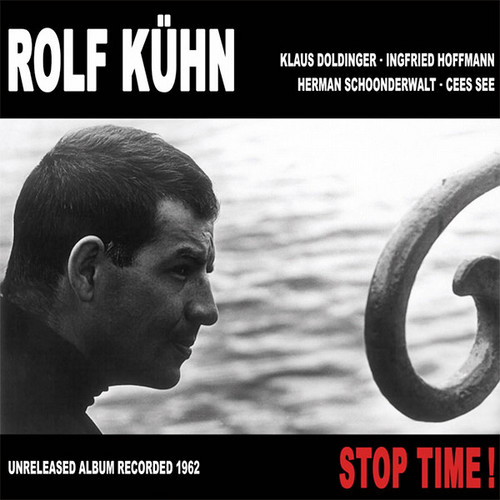
Stop Time!
First release of a previously unknown album from the personal archives of 'clarinet bird' Rolf Kühn, recorded 1962 in Hamburg. Outstanding modern jazz and hard bop session featuring Klaus Doldinger (ts), Ingfried Hoffmann (org/ p), Cees See (d) and Herman Schoonderwalt (b), with plenty of tunes made famous by Horace Silver ('Sister Sadie'), Charlie Parker ('Au Privave'), Miles Davis ('Solar') or Thelonious Monk ('Bemsha Swing') - all arranged by Kühn.

The Gamelan of the Walking Warriors
A fascinating immersion in the heart of a funeral ceremony live recorded in Bali, where gongs, cymbals, and drums give rhythm to the bewitching atmosphere of this mortuary procession. The international audience’s interest into Balinese music and its gamelan orchestras dates back to the edition of large ethnographic series in the 1950s, 60s and 70s which largely encouraged the discovery of this music beyond Indonesia’s borders. Taking advantage of a more advanced technology compared to the vinyl …

Tibetan Buddhism Trip
Psalmody, small bells, big cymbals, gongs and drums - this puzzling collage of Tibetan Buddhist rites recordings is hypnotizing. It opens the way to the state of trance. The slight electronic arrangement still reminds that reality is not so far. The two twenty-minute tracks instantly convey an unknown and fascinating universe. Mantra chanting accelerates, horns become more insistent and a mystical atmosphere arises. With Tibetan Buddhism Trip, Akuphone starts exploring ritual and ceremoni…
The Intermediary
Digital remaster of this Lovely Music LP release from 1982. The Intermediary gathers all of 'Blue's' musical impulses together in one, sweeping work for prose, improvisation, electronics, and piano. A program records, processes, and plays back the changed sounds so that 'Blue' Gene must act as an 'intermediary': both the sender and receiver of information.
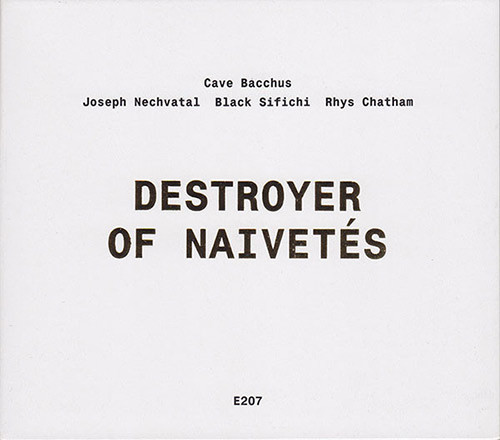
Cave Bacchus : Destroyer of Naivetés
Destroyer of Naivetés is a recording by Cave Bacchus (Joseph Nechvatal, Black Sifichi and Rhys Chatham) of Nechvatal’s sex farce poetry book Destroyer of Naivetés that was published in 2015 by Punctum Books (and is available here). Destroyer of Naivetés is an epic passion poem, power- fully read by Black Sifichi, that takes up a position of excess from within a society that believes that the less you conceal, the stranger you become. Destroyer of Naivetés owes much to the too-much artists who he…

The Sin King
"Theoretically blasphemous, his behaviours dictated by an innate inability to comprehend. The monarch of evildoing, perhaps a former innocent creature descending into despair, entirely aware of having chosen a wrong route but incapable of a decisive move towards resurgence. Consequences that must remain unchallenged, otherwise it’s hell - way before the real hell is finally reached. An ear-deceiving poker-faced orchestra keeps gesturing, leaving the disconsolate congregations totally clueless. T…

086–087 Area
Nyantora — Koji Nakamura — is a prolific musician and producer whose work ranges from ambient music to scoring TV commercials and films. He was a member of renowned Japanese rock band Supercar from its inception in 1995 until its break-up in 2005. Based in Fukuoka, duenn is a sound artist and also operates the duennlabel cassette imprint. Together with the afore- mentioned Nyantora, he hosts events and produces music under the banner of Hardcore Ambience.

Roots Of Electronic Sound
Here’s possibly... ah hell it IS the best looking Creel Pone yet - thanks to an extended spec and much nicer print-stock - a reproduction of a 1979 Victor label reissue of a 1975 LP on the legendary Alm label featuring a series of short tape music experiments, recorded between 1963 and 1966 by Matsuo Ono, with assistance from none other than Takehisa Kosugi. The artwork and libretto on the lp are full of references to “Atom” - better known to westerners as “Astro Boy” - a mid-60s japanese car…
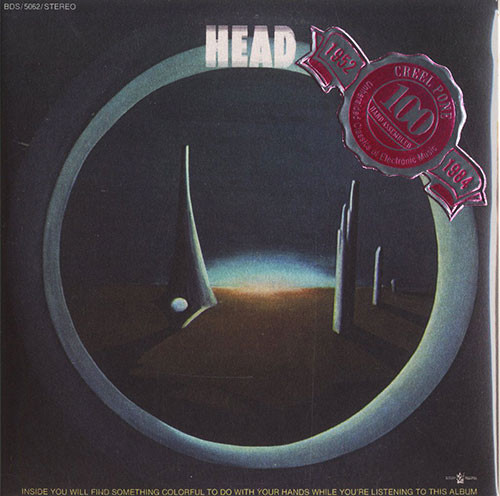
The Complete Narco Recordings
After a several-months-long blackout, Creel Pone is back in action! What a fine little number to get the ball rolling with once again; a reproduction of all five LPs originally self-released by Nicolas “Nik Pascal” Raicevic on his Narco Records and Tapes label - rumored to be one of the first truly independent labels, with Raicevic simply walking into an L.A. pressing plant & placing orders for stock - between 1969 and 1975. The music is nothing short of genius; a fine beaded mist of exceeding…
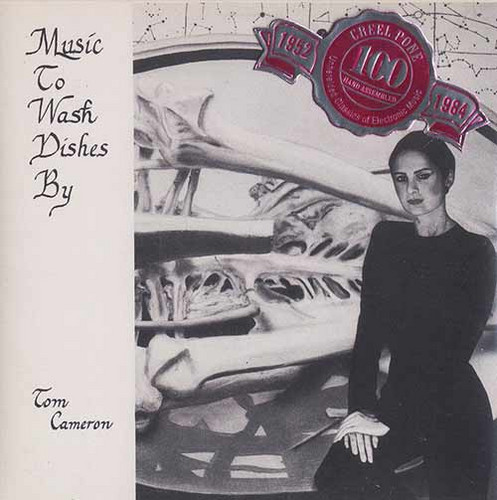
Music To Wash Dishes By
Nice to see this 1982 “Private Press” LP by Chicagoland’s Tom Cameron in the program; I’ve long felt this was one of the better “One Man Against the World ... with Synthesizer” LPs self-financed during the late-70s / early-80s. Each side features an extended, gorgeous take on analogue “Automation” book-ended by two, shorter, more “Accessible” numbers. The A-side’s “Another Question” is an impeccably gaseous, floating void of minimal diminished-minor filigree that rates up there with thebest of…
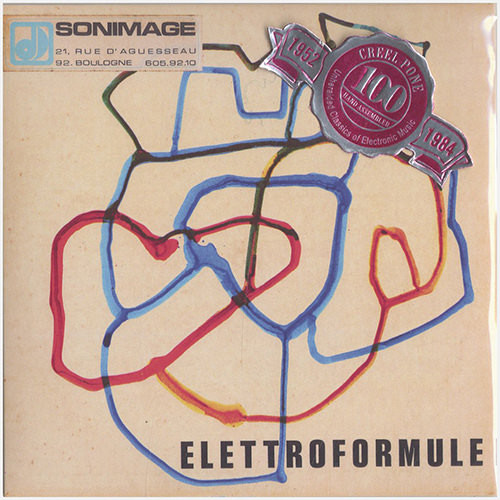
Elettroformule
First in a series of 4 late-summer 2009 blasters from Mr. P.C. C.P. - a reproduction of this über-obscure 1969 Italian Leo-label library R@ER - in Mono, no less - from Giuliano Sorgini. If you already have Sorgini’s name on your radar, most likely you’re either :: (1) a collector of Italian library-music LPs, of which he has many under his belt as "Raskovich" or (2) an avid fan of Spanish director Jorge Grau’s 1975 film “Non Si Seve Profanare il Sonno dei Morti” - aka “The Living Dead at…