Back in stock
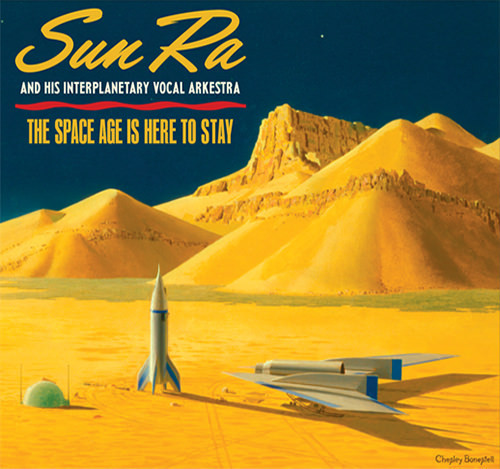
The Space Age Is Here To Stay
CD version. The first-ever collection of Arkestra vocal tracks! Over 75 minutes of vocal performances - audible perfection! Featuring album art interpreted from the work of "the father of modern space art," Chesley Bonestell, plus extensive liner notes. Across the history of jazz, there is no wilder, more future-forward composer and performer than Herman Poole Blount, aka Sun Ra. Known as much for his wild on-stage persona as his innovative compositions, Sun Ra was the avant-garde bleeding edge …
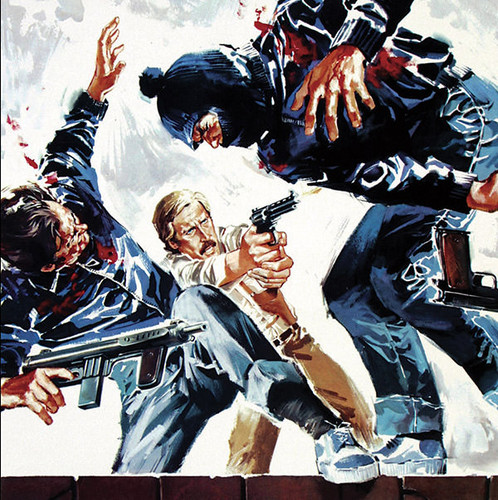
Roma Violenta
Restocked! And long awaited...Sub Ost present the complete edition of Guido & Maurizio De Angelis's soundtrack the 1975 film Roma Violenta. This is the complete original soundtrack (with all the outtakes) for one of the most iconic Italian "poliziotteschi" films, the Italian answer to the Charles Bronson/Clint Eastwood mania of the 1970s. This soundtrack is complete with the typical variations on the main theme we come to expect with Italian soundtracks: altered tempo, addition and subtracti…
Aqua Sansa
Back in stock, sold out at source! The rare German Avant-Garde Electronic Cosmic Dreamy Jazz LP composed in 1980 by Markus Stockhausen & Jasper van't Hof. Recorded on two sessions, on March 7th and 8th in 1980, then mixed in studio by Conny Plank without any additional overdub. The titl-track is enchanting, imagine a jam between Jon Hassel and Manuel Gottsching (just to get an idea of the mood) placed in an intricate and leafy texture, and and you'll understand why it's suche a revered cult alb…
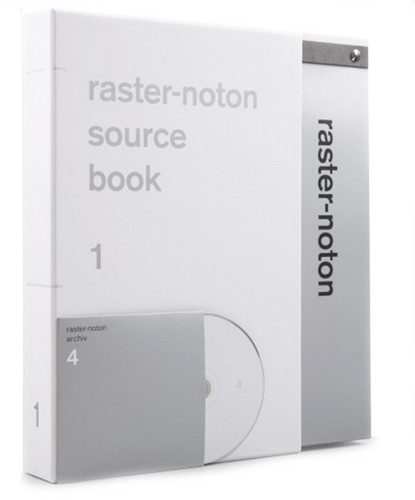
Raster-Noton Source Book 1
Epic archival document from Raster Noton; the beginning of a comprehensive and authorized review of the past 20 years of the label. Comes with an exclusive CD featuring material from Kangding Ray, Emptyset, Alva Noto, Frank Bretschneider, Senking, Byetone, Atom Heart, Robert Lippok and more. A short introductory preface by Olaf Bender is followed by a keynote interview conducted by berlin publicist Max Dax that provides an insight into the identity and philosophy of the label heads. The main par…
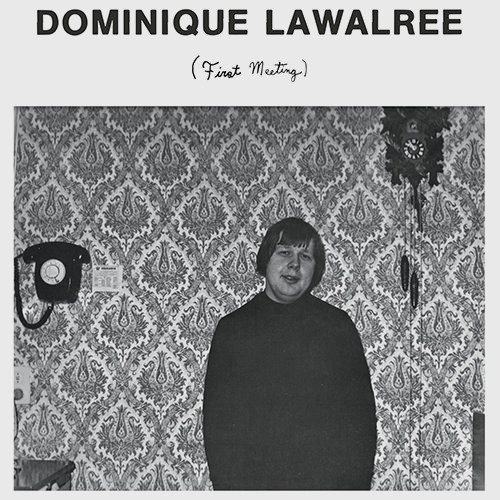
First Meeting
Dominique Lawalree (b. 1954) is a composer born and based in Brussels. First Meeting is Lawalree's first archival release to date. Culled from four different albums originally self-published on his private label Editions Walrus, circa 1978-1982, this compilation highlights the composer's unique sense of ambient and minimal composition. Originally considered for release on Brian Eno's Obscure Records, Lawalree's music is now no longer hidden. In this collection the listener finds the sounds…
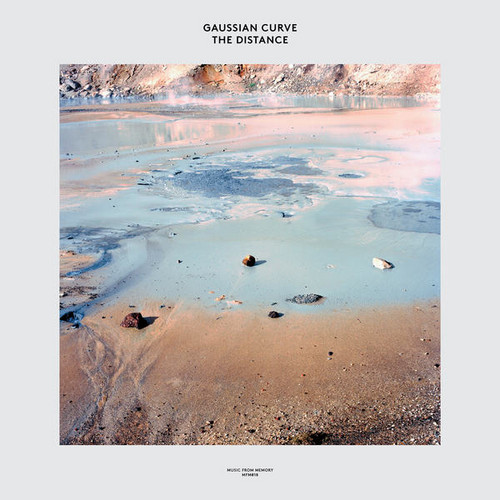
The Distance
Gigi Masin, Jonny Nash and Marco Sterk reconvene their soothing Gaussian Curve trio with a faithfully mellow and utopian suite of ambient lounge jazz themes for Music From Memory. Bath time music“The Distance is a different musical beats to its predecessor, but shares the same timeless, emotion-rich feel that made Clouds such a hit. While the fundamental ingredients remain the same - Masin’s masterly piano and synthesiser work, Nash’s blissful, meandering guitar lines, and Stewrk’s synths, drum …
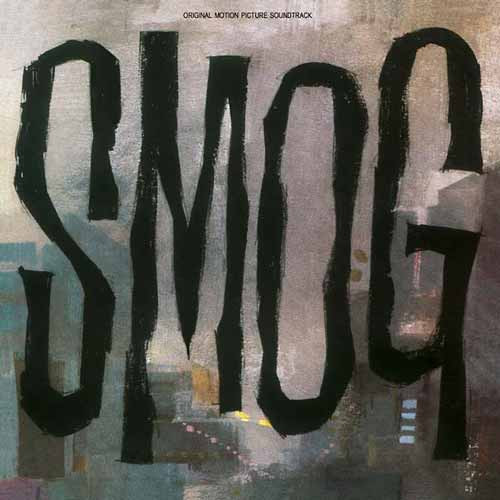
Smog
The long-forgotten soundtrack to a hip early 1960s Italian cult movie, with music by Piero Umiliani and the legendary Chet Baker. Helen Merrill's vocal theme is just outstanding, rarely bettered -- the jazz is playful, mysterious and charming. This is just inspired and incredible music. Limited edition of 500 copies.
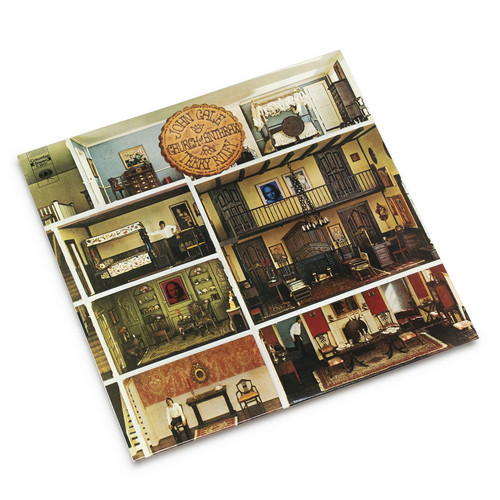
Church Of Anthrax
2022 small repress. Terry Riley (piano, organ, soprano saxophone) & John Cale (bass, harpsichord, piano, guitar, viola, organ) collaborated on this one-off album, released in 1970. At this time, rock music was a serious movement, removed from the joke it once was, quite unaware of the joke it would eventually become, and things like this sometimes happened. Cale, classically trained on the viola, must have been pretty pleased to get a shot to record with the '60s king of minimalist pulse, Terry …

Tomorrow Was The Golden Age
'Tomorrow Was the Golden Age' is an unmistakably gorgeous and refreshing suite of microtonal minimalist composition by New York-based ensemble, Bing & Ruth. Helmed by writer, conductor and lead pianist, David Moore, and supported by two upright bassists, two clarinetists, a cellist and a tape delay tech, Bing & Ruth genuinely sweep us off somewhere sublime without recourse to overblown conceit or cliche - something all too prevalent and cloying in today's neo-classical quarters. Their …
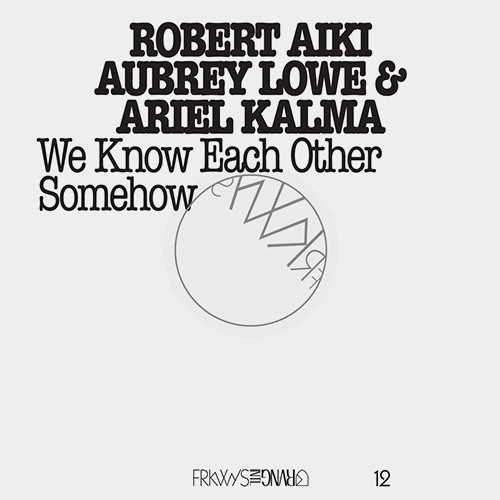
We Know Each Other Somehow
"We Know Each Other Somehow" is the twelfth volume of FRKWYS, the music, film, and event series celebrating intergenerational collaboration. For this installment, RVNG Intl. offers a collection of original compositions by Robert Aiki, Aubrey Lowe and Ariel Kalma.Recorded just outside of Mullimbimby, a remote community on the eastern Australian coast, We Know Each Other Somehow pairs two electronic synth voyagers for six extended evocations of environmental ambience and entrancing naturalism.In t…
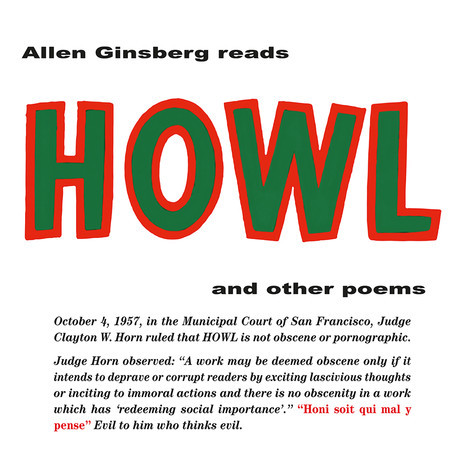
Howl And Other Poems
This is arguably the best-known recording to feature any beat-era poet originally issued in 1959. Although “Howl” is the centerpiece, the peripheral works, especially the mantra-like “Footnote to Howl”, are given empowering presentations that magnify the greatness that’s inextricably inherent in both art and artist. Indeed, the genesis of Allen Ginsberg’s brilliance as both poet and performer has rarely been equalled. The modern listener remains entranced by his vaudevillian sense of prov…
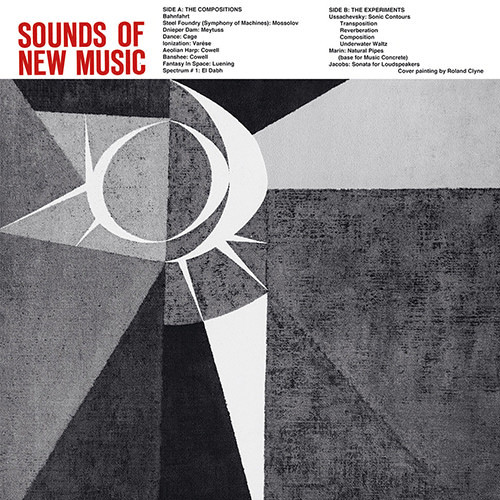
Sounds Of New Music
Sounds Of New Music gets a reissue as part of the Science Series on Folkway Records. A quirky collection of 18 compositions. Tracks from 1920-1950 are interpreted through ‘new’ methods, techniques and instruments. All interspersed with explanatory narration from a disembodied voice. A rather spooky sounding scientist who gives the release a William Burroughs/Timothy Leary touch. The compositions of this record represent attempts at new means of musical expression. Some utilize conventional musi…
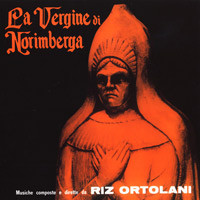
La Vergine Di Norimberga
La Vergine Di Norimberga is a great horror movie directed by Antonio Margheriti (aka Anthony Dawson) in 1963, starring Rossana Podestà and Georges Riviere. The great soundtrack, composed orchestrated and directed by the late Maestro Riz Ortolani, will give you the intense pathos of the movie through a series of songs that could be only described as “orchestral horror music”. Do not expect the classic Ortolani’s orchestration or “jazzy” tunes here. "This is Ortolani as you’ve never or rarely hear…
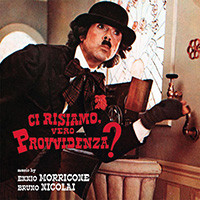
Ci Risiamo, vero Provvidenza?
“Ci risiamo, vero Provvidenza?” is the official sequel to “La vita, a volte, è molto dura, vero Provvidenza?”, directed in 1973 by Alberto De Martino and starring da Tomas Milian, Gregg Palmer, Carole André, Luciano Catenacci, Manuel Gallardo, Yu Ming Lun Ángel Ortiz, Rick Boyd. The character of Provvidenza returns and its funny exploits in the Old West.Ennio Morricone and Bruno Nicolai wrote a nice soundtrack alternating sound elements in a pop style to typical of this genre to romantic…
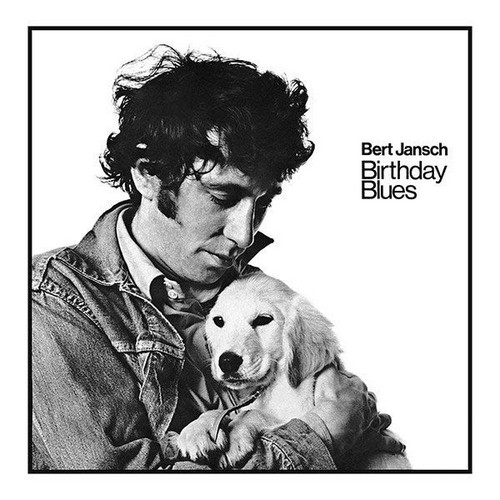
Birthday Blues
Release Date on May 5th. Bert Jansch's freewheeling fifth album, Birthday Blues, occupies a unique place in his solo discography. Released in 1969, the same year Basket of Light propelled Pentangle into the UK pop charts, Birthday Blues almost sounds like a Pentangle LP missing John Renbourn and Jacqui McShee. Backed-up by bandmates Danny Thompson and Terry Cox, Jansch neither holds back his characteristic moodiness nor takes himself too seriously. What's more, Jansch is in love. Heather Rosem…
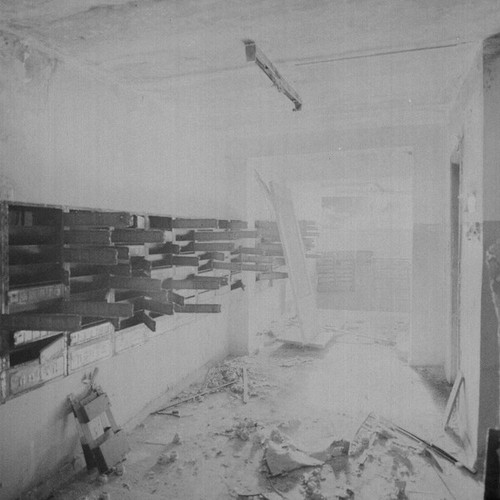
Rubisco
Following Fiume Nero (2014), the young Italian composer has moved from the raw primordial chaos that characterized his first work to develop a reflection on how a hypothetical absence of humans and biological life could modify industrialized and civilized spaces. Using field recordings, obscure samples, and FM synthesis, Epiro draws his abstract landscapes as a series of overexposed and imprecise pictures made by concrete and organic architectures, amorphous rhythmic patterns, and repetit…
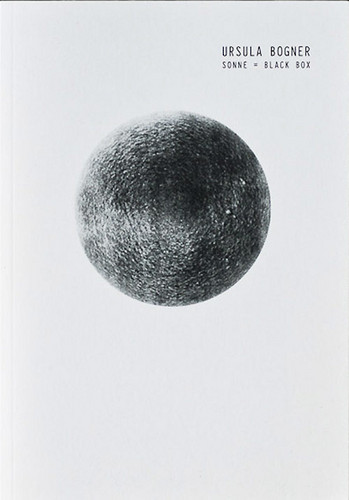
Sonne = Blackbox
The world first learned of unknown housewife/mother/pharmacist/electronic experimentalist Ursula Bogner's work in 2008. Since then, her identity has been surrounded by rumors, her graphic work has been exhibited (CEACC, Strasbourg, France, 2011 and elsewhere) and her compositional instructions have been performed (by Mo Loschelder, Andrew Pekler, Kassian Troyer, Jan Jelinek, among others). The release of Sonne = Blackbox brings together all of these aspects in one CD and book: compiled by Andrew…
Raw Trax
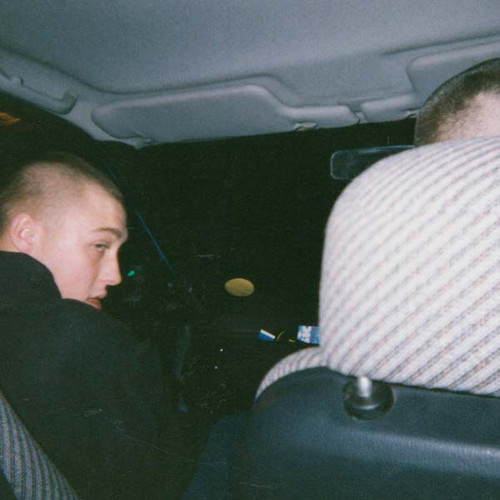
Anthoney J Hart is hardly a newcomer. After cutting his teeth spinning hardcore, jungle, and drum and bass at legendary pirate radio station Rude FM, Hart eventually began producing under the Imaginary Forces moniker, channeling his early influences into noisier, more abstract territory. As Imaginary Forces plumbed the depths of abstraction, Hart was keen to find an outlet for dancefloor material, and that's where Basic Rhythm comes in. Hart wanted to reference the hardcore and jungle he gre…
Traditional Music Of Notional Species Vol. II
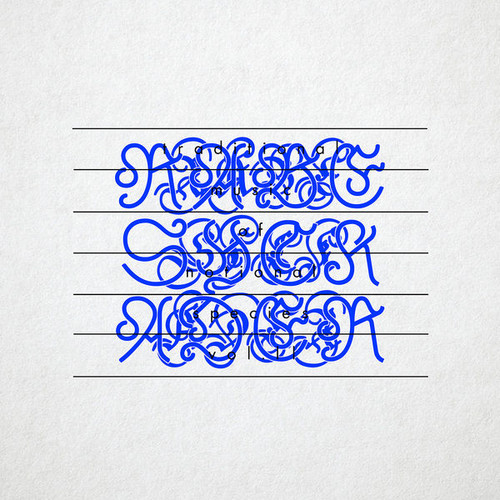
Traditional Music of Notional Species Vol. II pays a return visit to the otherworldly noumenal ecosystem inside Rashad Becker's head, relaying indecipherable messages in something resembling an expressive language of psychoacoustic, cuneiform glyphs. No Rosetta Stone is required to comprehend these deeply abstract auditory tableaus; all you need is an open mind and functioning set of lugs for reception, whilst whatever counts for your sense of consciousness will fill in the gaps, and that’s wher…
Cruel Optimism
Cruel Optimism is a record that considers power (present and absent). It meditates on how power consumes, augments and ultimately shapes two subsequent human conditions: obsession and fragility. This pyramid is an affective ecology of the (ever)present moment. This edition owes its title and its origins to the wonderful text of the same name by American theorist Lauren Berlant. I had the fortune to come across her writing almost a half-decade ago. In Cruel Optimism, I found a number of cri…