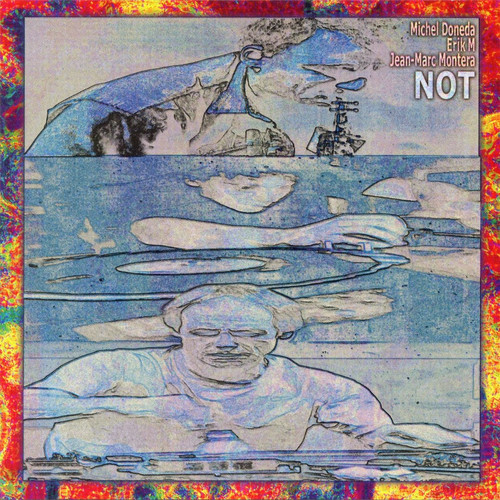
Not
Michel Doneda on soprano saxophone, eRikm on samplers and scratches, Jean-Marc Montera on guitar and electronics, recorded in Metz and Lons-le-Saunier in May 1999. Liner notes by Thurston Moore.
Accomplices
CCMC in its trio line-up of Michael Snow, John Oswald and Paul Dutton: piano and synthesizer, alto saxophone and sound poetry, recorded live in Toronto, Jonquière and Victoriaville in 1996 and 1997.
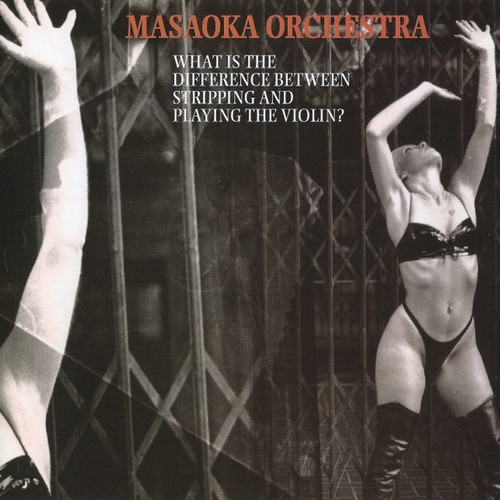
What Is the Difference Between Stripping & Playing the Violin?
Miya Masaoka's orchestra, recorded live in San Francisco in 1995 and 1997 with George Lewis, Vijay Iyer, Trevor Dunn and others: strings, Asian winds, shamisen, electronics and turntables under her whole-body conduction.
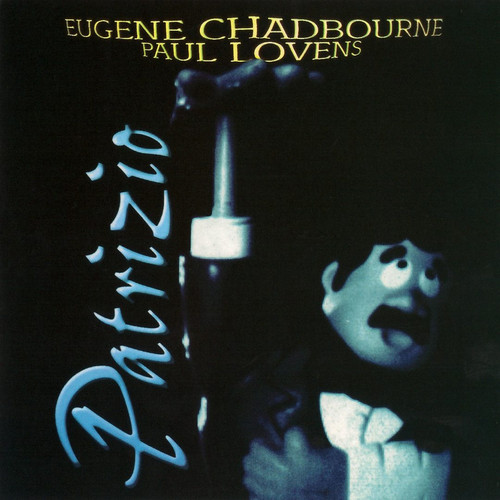
Patrizio
Eugene Chadbourne and Paul Lovens on tour in May 1996, recorded in New York, in Michigan and in an Italian restaurant in Traverse City: guitar and banjo against drums, cymbals and saw, a suite for the waiters of the world.
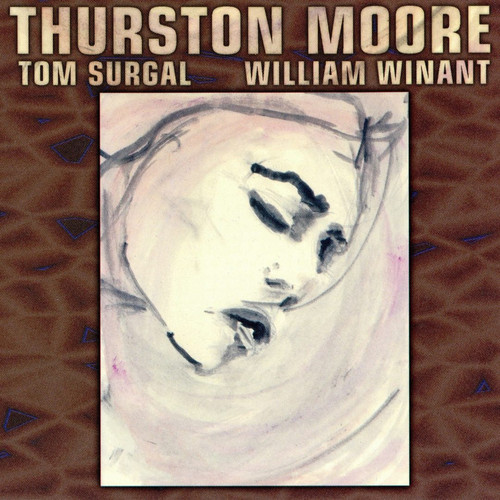
Piece for Jetsun Dolma
Thurston Moore on guitar with drummers Tom Surgal and William Winant, live at Victoriaville on 17 May 1996: a single album-length improvisation of feedback and percussion, named after a Tibetan Buddhist deity.
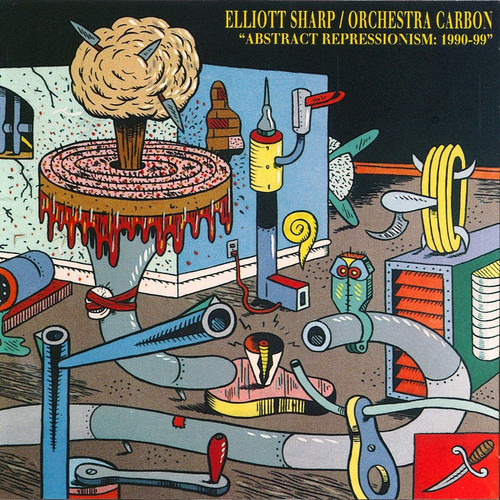
Abstract Repressionism: 1990-99
Elliott Sharp writing for strings: Orchestra Carbon's violins, viola, cellos and double bass with electronic percussion, recorded in New York in 1992. Dense, restless pieces between contemporary chamber music and noise.
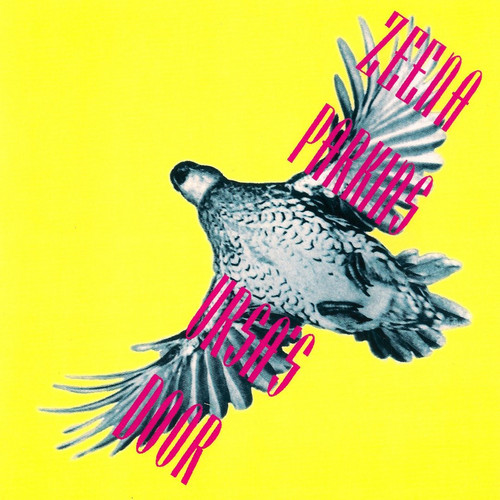
Ursa's Door
Zeena Parkins' 1992 album recorded in New York: electric harp, keyboards and tape with Ikue Mori on drums, Chris Cochrane on guitar, David Shea, and her sisters Margaret and Sara on cello, violin and voice.
Oh Moscow
Lindsay Cooper's song cycle on texts by Sally Potter, about the divided Europe of the Cold War, live at Victoriaville in October 1989 with Phil Minton, Hugh Hopper, Marilyn Mazur, Alfred Harth and Elvira Plenar.
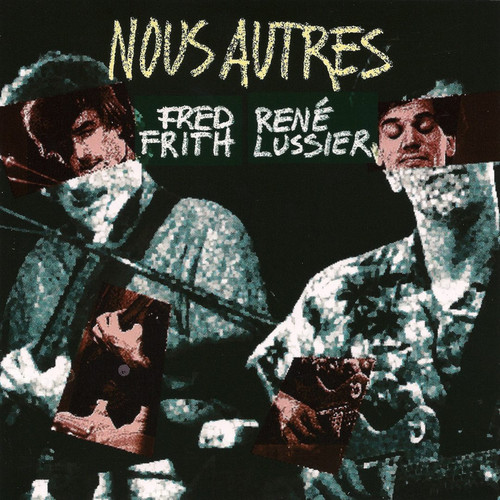
Nous Autres
Fred Frith and René Lussier's duo, recorded at the 1986 Victoriaville festival and finished at Studio Victor: guitars, bass, violin, voices and tape in short, playful pieces. The CD adds four tracks recorded in New York in 1992.

Nimbus
Three Lobed and Sunburned Hand of the Man have a long history. The label has been releasing the group’s output for nearly two of its three decades of making music. As Sunburned has picked up momentum again in recent years, the label’s been right there, releasing the highly acclaimed "Pick a Day to Die" in 2020, and in late 2022 reissuing a 20th anniversary edition of "Headdress", the classic and confounding first Sunburned LP. Label head Cory Rayborn acted as the catalyst for storyteller Kelly D…
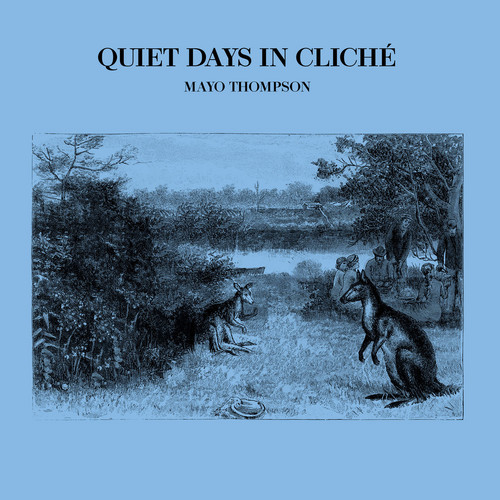
Quiet Days in Cliché
Uncorking the well of wit, whimsy and cool, refined fury that’s fueled his path around this world, Mayo Thompson pours out a new round: a first ever album of solo guitar music, not to mention a first solo album in almost forever, Quiet Days in Cliché.
With The Red Krayola, Mayo made three albums of pop music in the late 1960s, taking the idea of rock ‘n roll songs farther into the hoped-for realms of possibility than 98% of their psychedelic brethren before or since. Following the demise of the …
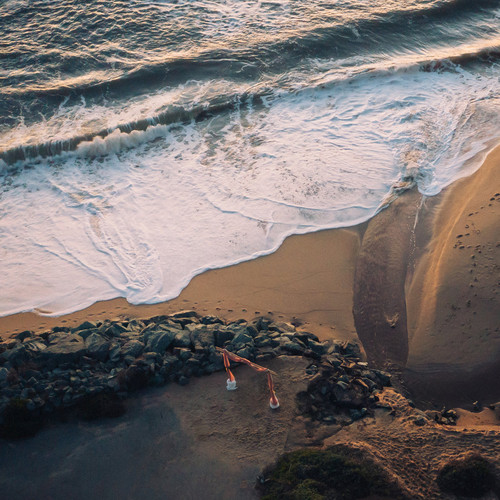
Offshore
Offshore is the first solo guitar album from Half Moon Bay local Alex Pasternak, an improvisatory record built almost entirely around a single instrument and a single practice: Restraint. Recorded close to home, it carries the sound of the Pacific and the voices of his two young daughters as they stroll the shoreline, from serene minus tides to stormy shore break. "Offshore, in surfing, is used to describe the strong winds that blow from the shore to the sea, creating space inside the curl - but…
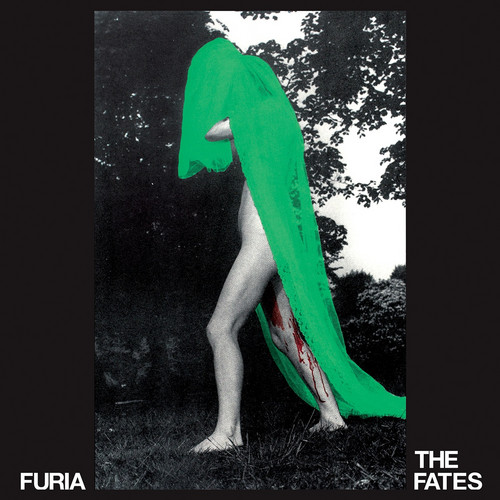
Furia
Following her foundational role in the early years of The Fall, and then the searing post punk of The Blue Orchids, as well as several tours serving as a backing group for Velvet Underground chanteuse Nico, Una Baines found herself starting 1985 without a band. Drafting together members of the all-female Beyond The Glass, and compatriots associated with her past projects, she entered the studio with a clutch of songs and a willingness to experiment. Separating the sides into “waxing”, for the mo…
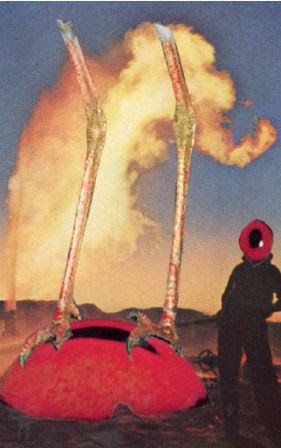
A net to catch the sun in
*50 copies limited edition* Surrealist artist Hazel Cline deciphers wings of sapphire on the illusory screen of human eyes. Asymmetrical images harpoon jewelled fragments of bird skeletons changing into circling swarms of bees.
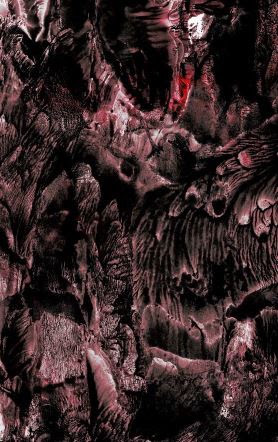
Shèntàn
*50 copies limited edition* Radical soundcollages by Bart De Paepe (Ilta Hämärä), Ignace De bruyn (Bokrijk) and Erwin Van Looveren (W Ravenveer) spit onto marine saliva landscapes. Mummified recordings that shatter art brut localism from the dream's forge, scratching exausted fingernails along liquid silent stone surfaces echoing the dementia of fiery skies.
Venus
*250 copies limited edition* Venus is a new LP by Swedish group Organ of Corti and marks their fifth release on Dead Mind Records. For the occasion, Chinese-American vocalist and musician Audrey Chen enters the magnetic world of Mattias Gustafsson, Dan Johansson and Joachim Nordwall. While tape turns and circuits hum, these six pieces slowly unfold. Familiar fragments are repeated until they lose their origin. Synthesizer tones drift through layers of magnetic residue, while Chen's voice appears…
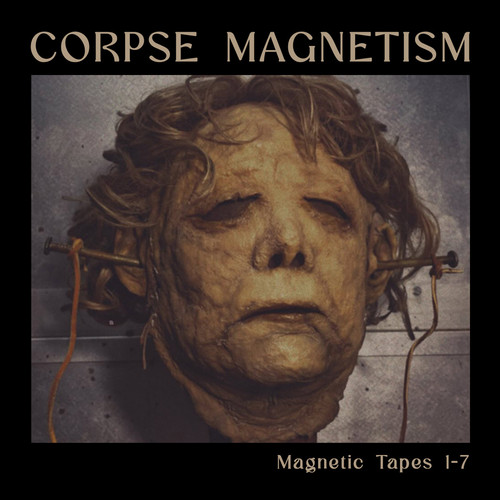
Magnetic Tapes 1-7
*100 copies limited edition* Corpse Magnetism is a collaborative project between Rudolf Eb.er and Johnny van de Koolwijk. Rooted in ritualistic sound practices and primitive outsider aesthetics, the duo creates immersive pieces built from organic drones, handmade instruments, decayed textures, primitive percussion and improvised field recordings.
Rudolf Eb.er aka Runzelstirn & Gurgelstøck is widely known for founding the radical outsider art project Schimpfluch-Gruppe in 1987, as well as being i…
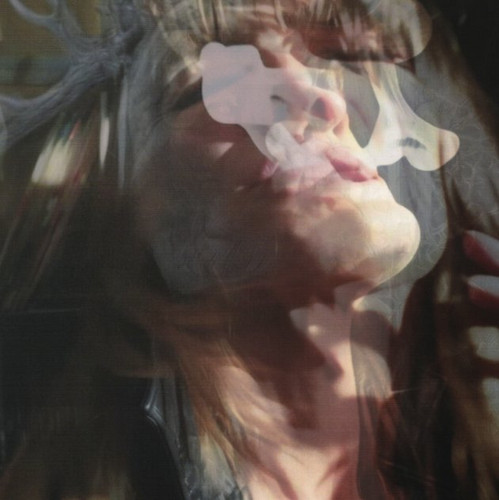
The deep silent, dark graphite
Sachiko primarly performs live in Tokyo with drone music centered around her voice. Here, in this new studio album, her voice seems concealed within the silence of the outer space or among a forest settling into stillness. The soundscapes are carefully crafted for a slow reveal, wavering and drifting, with the electronics and viola at times taking the lead, gradually unveiling an abyss of emotion.
While playing the bass in the Japanese bands Kousokuya and Overhang Party, Sachiko began her solo p…
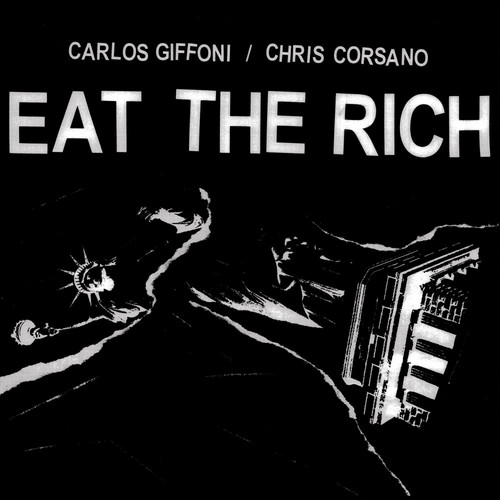
Eat the Rich
Eat The Rich is an eclectic intersection of two serial collaborators: Giffoni (No Fun Fest / No Fun Productions) continues to explore new dimensions in sound, primarily using modular / synths (with recent full lengths on Ideologic Organ and Room40), paired here with the instinctually abstract percussion of Corsano (known from working with everyone from Bill Orcutt to Richard Bishop to Bjork but with literally 100's of appearances under his belt since the turn of the century). Produced by David S…
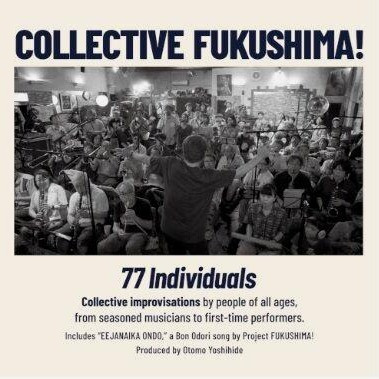
77 Individuals
Collective improvisations by 77 people of all ages, from seasoned musicians to first-time performers, with the Bon Odori song Eejanaika Ondo. Produced by Otomo Yoshihide.