★Nonesuch
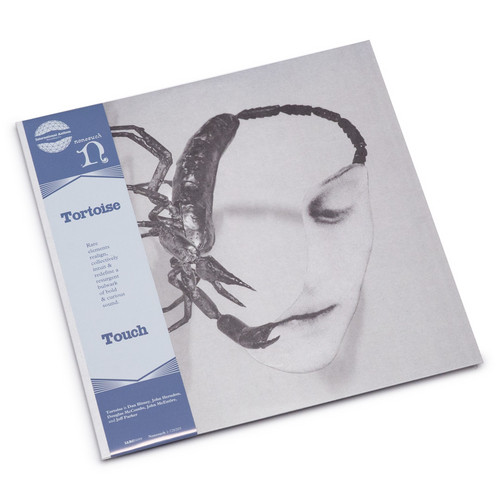
Touch
With Touch, the Tortoise bandmembers — Dan Bitney, John Herndon, Douglas McCombs, John McEntire, and Jeff Parker — harness their collectivist songwriting approach, a slightly anarchistic but resolutely egalitarian process where ideas triumph over ego towards an abstracted muscularity. While there are still excursions into the dusky, elegantly gnarled jazz ambience that flourished on landmark works like Millions Now Living Will Never Die and TNT, Touch is perhaps most remarkable for Tortoise's un…
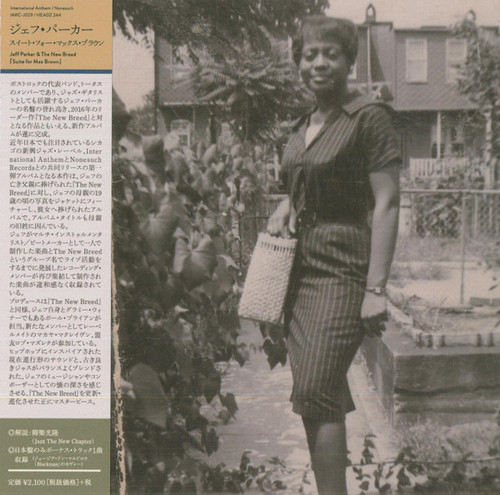
Suite For Max Brown
Includes Japan-only bonus track "Blackman". Comes in gatefold mini LP replica with obi and insert. The label behind Angel Bat Dawit’s amazing debut present a glorious side from persistent jazz innovator Jeff Parker (Tortoise), melding deeply soulful charm with naturally explorative leanings operating at similarly loose but focussed levels of intuition and dextrous freedom across his swirling ‘Suite For Max Brown’, but with plusher recording and production values.
Preceded by a 7” that signalled…
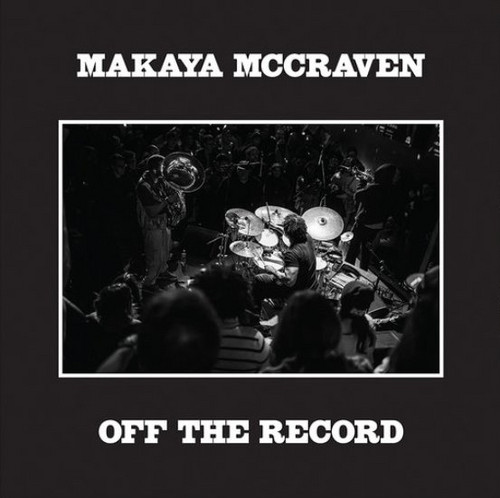
Off the Record
The source material is drawn from moments of pure improvisation, recorded live in performance, shaped as much by the room and audience as by the musicians themselves.
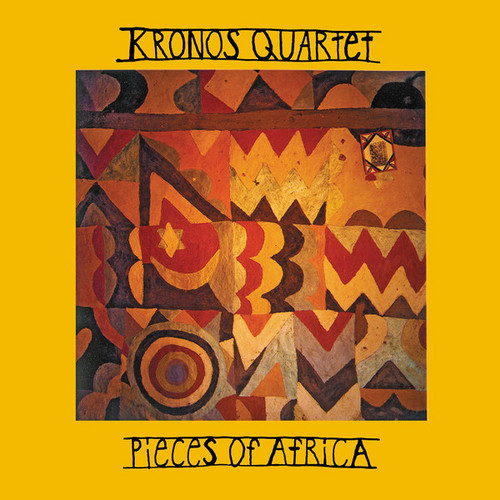
Pieces Of Africa
Laurie Anderson and Kronos Quartet's Landfall, inspired by her experience of Hurricane Sandy, is the first collaboration between the iconic storyteller/musician and the groundbreaking string quartet, who perform together on the recording. Landfall juxtaposes lush electronics and traditional strings by Kronos with Anderson\'s powerful descriptions of loss, from water-logged pianos to disappearing animal species to Dutch karaoke bars. The Washington Post calls it "riveting, gorgeous."
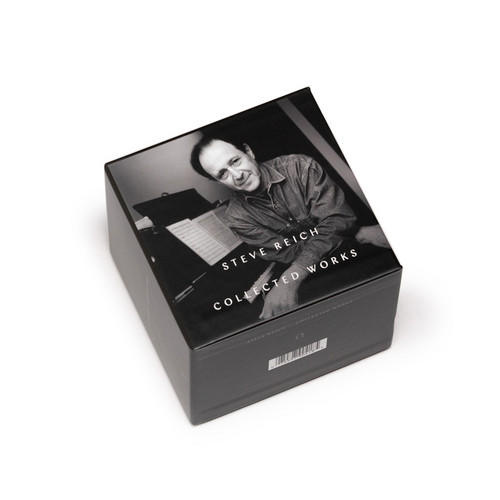
Collected Works
Box set on Nonesuch with 27 disc (26 CDs + 1 DVD) in wallets, plus two booklets (132 + 120 pages). Nonesuch Records releases Steve Reich Collected Works, a twenty-seven-disc box set featuring music recorded during composer Steve Reich's forty years on the label, on March 14, 2025, available to pre-order here. The collection represents six decades of Reich’s compositions, ranging from It’s Gonna Rain (1965) to first recordings of his two latest works: Jacob’s Ladder (2023) and Traveler’s Prayer (…
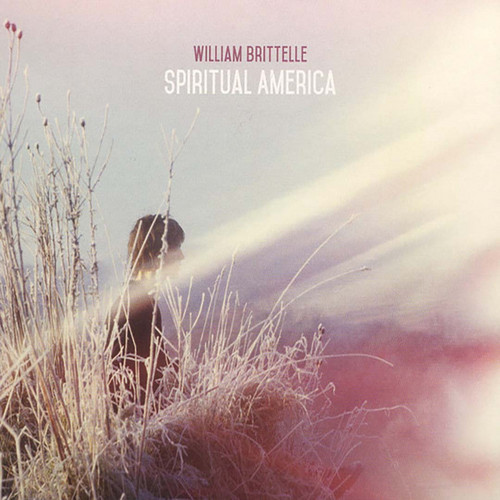
Spiritual America
"Spiritual America" is a story of dualities - experimental yet emotionally direct, complex yet raw, exceedingly personal yet broad in scope. Featuring hi-fi orchestra and award-winning children's chorus juxtaposed against bit-crushed guitars, iPhone-derived samples, and vintage synthesizers, Brittelle's genre-fluid, collage-like compositional style finds its fullest, most unadulterated form throughout the album. Bits of hair metal, experimental electronic, vaporwave, modern classical, indie rock…
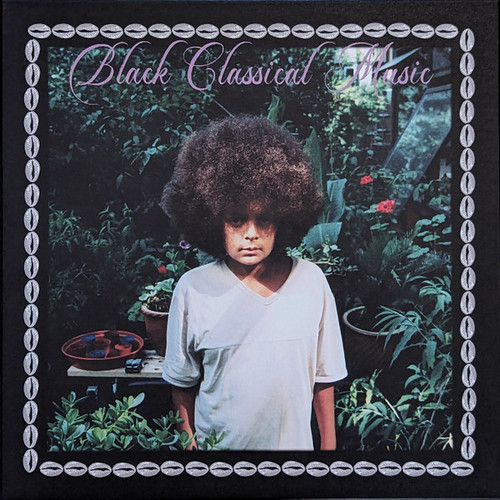
Black Classical Music
*2024 stock* Celebrated multi-instrumentalist and visionary artist Yussef Dayes announces his highly anticipated debut solo studio album ‘Black Classical Music’, released on September 8th via the revered Brownswood Recordings, Warners and Cashmere Thoughts Recordings. Alongside this, Dayes shares a first taster of the record, the title track “Black Classical Music” featuring Venna & Charlie Stacey. First single “Black Classical Music” is an incredible opening statement and entry point to this ne…
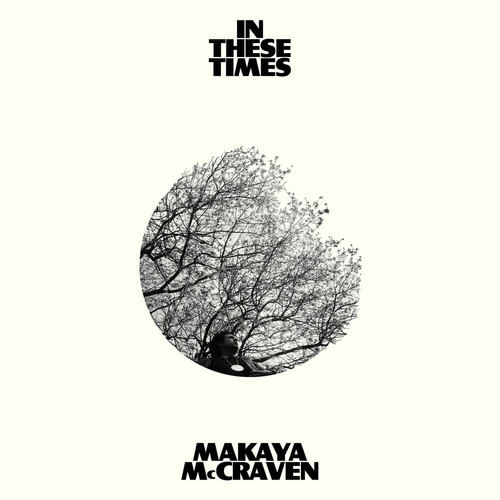
In These Times
In These Times is the new album by Chicago-based percussionist, composer, producer, and pillar of our label family, Makaya McCraven. Although this album is “new," the truth it’s something that's been in process for a very long time, since shortly after he released his International Anthem debut In The Moment in 2015. Dedicated followers may note he’s had 6 other releases in the meantime (including 2018’s widely-popular Universal Beings and 2020’s We’re New Again, his rework of Gil Scott-Heron’s …
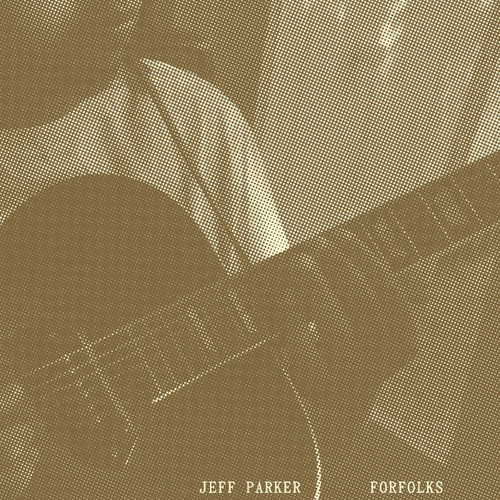
Forfolks
"It's a particular thing to hear Jeff play solo. He is an unusually selfless improviser, often times laying out and highlighting the contributions of his band mates. He's never been one to play three notes where none would suffice. On this recording however he is by himself, joined only by his own ideas, looped or frozen, to flesh out the music he's creating in his mind. Hearing him craft entire sound worlds on these eight selections gives us an opportunity to really see how Parker orders sound.…
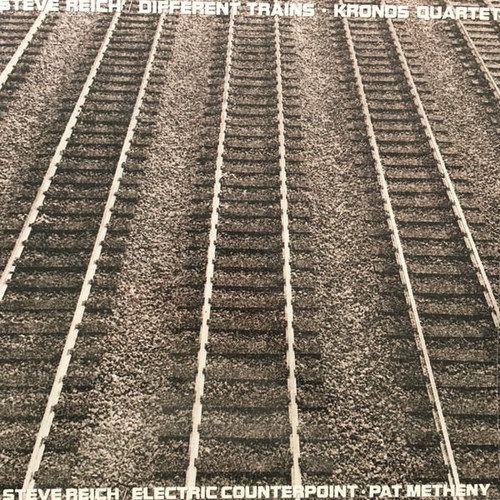
Different Train
Nonesuch Records' 1989 recording of Steve Reich's Different Trains, the Grammy Award winner for Best Contemporary Composition that year, and Electric Counterpoint has returned on vinyl for the first time in more than twenty-five years. The album features the first recordings of the two pieces, performed by Kronos Quartet and Pat Metheny, respectively. The vinyl edition—mastered by Robert C. Ludwig at Gateway Mastering in Portland, Maine, with lacquers cut by Bernie Grundman, and pressed on 140-g…
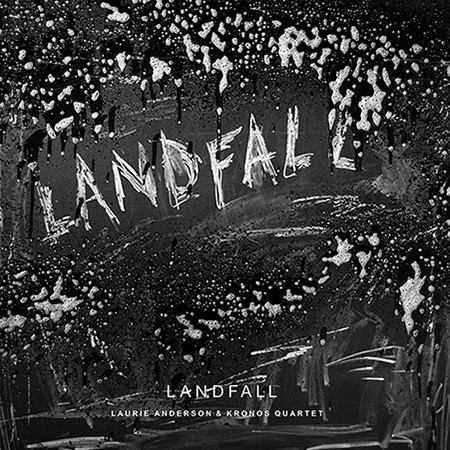
Landfall
Laurie Anderson and Kronos Quartet's Landfall, inspired by her experience of Hurricane Sandy, is the first collaboration between the iconic storyteller/musician and the groundbreaking string quartet, who perform together on the recording. Landfall juxtaposes lush electronics and traditional strings by Kronos with Anderson\'s powerful descriptions of loss, from water-logged pianos to disappearing animal species to Dutch karaoke bars. The Washington Post calls it "riveting, gorgeous."
Phases
Goodness me this is a little bit special - a dangerously low priced boxed set of all the major work of one of the 20th century's most important composers Steve Reich. Containing five full cds and a booklet (with loads of useful info to read while you're listening) this has everything a Reich beginner could possibly need: 'Music for 18 Musicians' (probably Reich's greatest achievement and spanning the entire first disc), 'Different Trains', 'Tehllim', 'Eight Lines', the Counterpoint series…
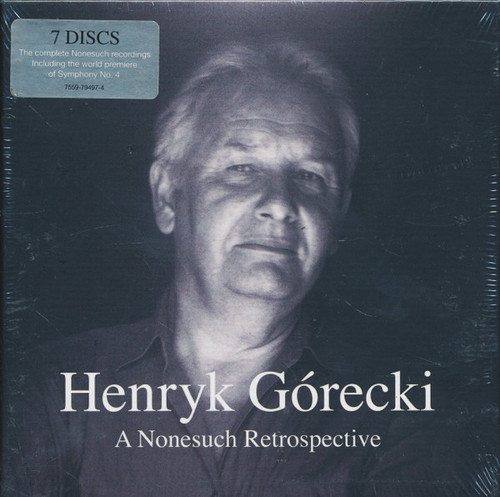
A Nonesuch Retrospective
Nonesuch Records released Henryk Górecki: A Nonesuch Retrospective, a seven-disc box set containing all Nonesuch recordings of Górecki works—Lerchenmusik; Symphony No. 3; String Quartets Nos. 1, 2, and 3; Miserere; Kleines Requiem für eine Polka; Harpsichord Concerto; and Good Night—as well as the first recording of the late composer's final work, Symphony No. 4, Tansman Episodes, on January 22, 2016. The recording of Symphony No. 4, available both in the box and individually, was made during th…
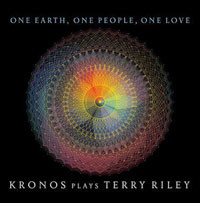
One Earth, One People, One Love: Kronos Plays Terry Riley (5-CD
In honor of groundbreaking American composer Terry Riley’s 80th birthday, Nonesuch Records releases One Earth, One People, One Love: Kronos Plays Terry Riley—a five-disc box set of four albums of his work composed for, and performed by, his longtime friends and champions Kronos Quartet—on June 23, 2015, in North America and July 10 for the rest of the world. Riley and Kronos met more than 35 years ago, and since then, the quartet has commissioned 27 works from him, more than from any other compo…
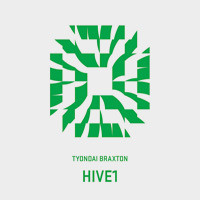
Hive 1
It’s no secret that former Battles member Tyondai Braxton is one of the most talented musicians around today, but as displayed on the bloated and indulgent Central Market that isn’t always beneficial. Thank goodness his new collection HIVE1 is so clinical, near utilitarian in its approach. Using his highly acclaimed ensemble performances from the past 12 months as a starting point HIVE1 has the impression of a variety of ideas conversing, heading into impossible tangents only to agree with each …
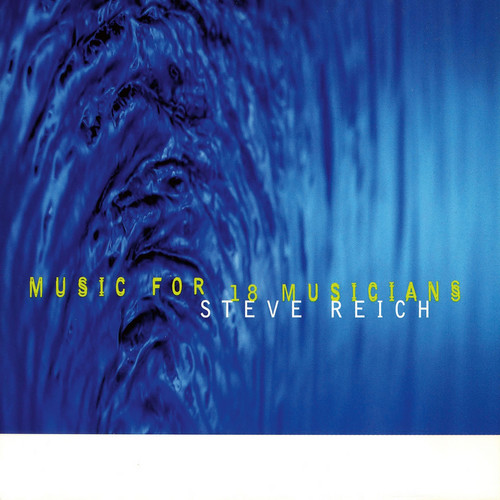
Music For 18 Musicians
Nonesuch re-issued Steve Reich's landmark Music for 18 Musicians, performed by Steve Reich and Musicians, on two 180-gram vinyl LPs for Record Store Day. The album is packaged in a vintage-style double pocket gatefold jacket with poly sleeves, each limited-edition record has been individually numbered.
At the close of the 1970s, the New York Times declared Steve Reich’s Music for 18 Musicians one of the ten most important works of that decade. But the passage of time has proven that inaccur…
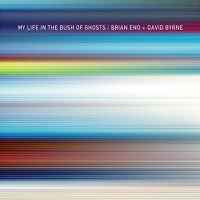
My Life In The Bush Of Ghosts
When the David Byrne / Brian Eno collaboration My Life in the Bush of Ghosts was first released in 1981, Rolling Stone called it “an undeniably awesome feat of tape editing and rhythmic ingenuity.” It was widely considered a watershed record for future genres from world music to electronica, and almost 25 years later, the influence of My Life in the Bush of Ghosts is evident in music ranging from The Bomb Squad’s productions for Public Enemy to Moby, Kruder and Dorfmeister, and Goldie. Nonesuch …
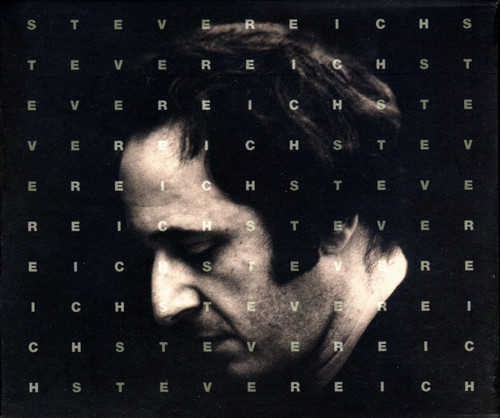
Works, 1965-1995
Massive and essential! This box set gives the listener all of Reich's major works. I can't even attempt to describe them individually, but every one of these 10 CDs is compelling. For the totally uninitiated, take out "Music for 18 Musicians" (presented here in a crystalline new recording) to get an idea of what the core of this guy is all about. From there, you might want to listen to "Different Trains," "Electric Counterpoint" and "Six Marimbas" to get an idea of the pointillistic pulse minima…
The Nonesuch Guide To Electronic Music
Long out of print, this is the 'legendary' original box: "A "Guide to Electronic Music" might be many things. This one, though perhaps useful, is hardly the "comprehensive survey of electronic music and its creation" promised in the notes on the back of the box. The four sides, averaging twelve minutes' playing-time each, offer several dozen samples of electronically produced sounds, and a three-minute piece (given twice). The score of the latter is included among the notes along with an account…
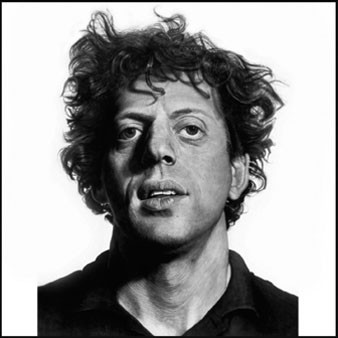
A Nonesuch Retrospective
Philip Glass is one of America's best-known living composers, with a career that spans more than four decades and includes chamber music, symphonies, operas, concerti, film scores, and music for dance. On September 30, Nonesuch Records, which has had a relationship with the composer for more than 20 years, releases Glass Box—a 10-disc retrospective of compositions from his groundbreaking career. Excerpts from Glass’s largest and best-known works, like his operas Einstein on the Beach and Satyagr…