Reissues
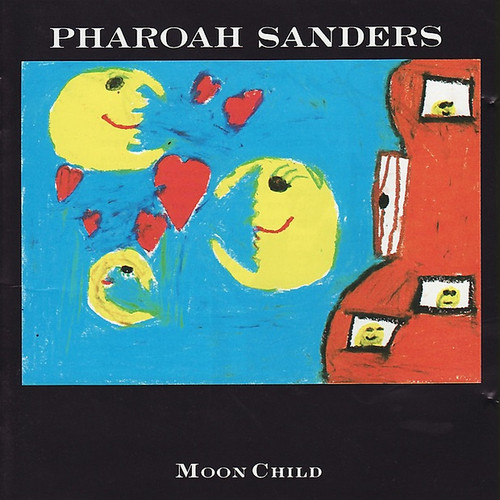
Moon Child
Paris, Studio Davout, 12 and 23 October 1989. Pharoah Sanders with William Henderson on piano, Stafford James on bass, Eddie Moore on drums and Cheikh Tidiane Fall on percussion. Produced by Wim Wigt for Timeless, released in 1990.
The Penguin Guide called it the straightest jazz album Sanders had made for years, and heard what he was after: a hypnotic groove that lets the horn float almost at will. Steve Loewy at AllMusic writes that the results may have disappointed some fans at the time, but …
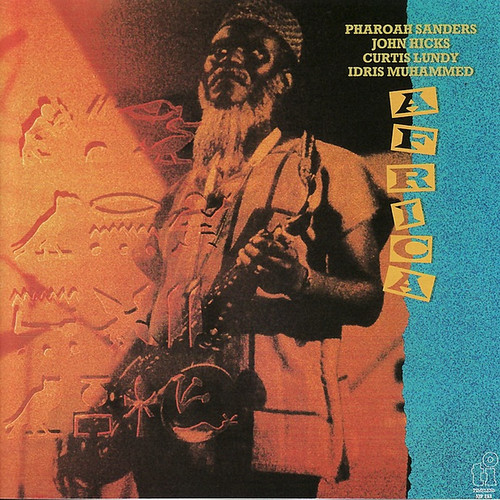
Africa
Studio 44, Monster, Holland, 11 March 1987. One day. Pharoah Sanders with John Hicks on piano, Curtis Lundy on bass and Idris Muhammad on drums, a band he kept for years. Produced by Wim Wigt for Timeless.
The record is built around Coltrane. Loewy at AllMusic writes that most listeners will prefer the originals to Sanders's imitations, but calls Africa a joyous and worthy tribute. AllMusic's survey of the Timeless years is warmer: it hears the title track's highlife melody undercut by Hicks's p…
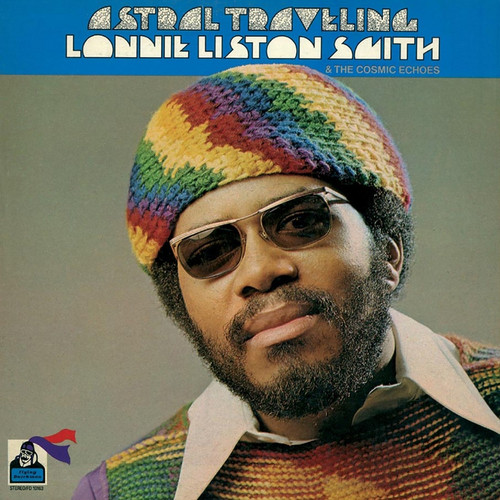
Astral Traveling
Lonnie Liston Smith's first album under his own name, 1973, straight out of the Pharoah Sanders band and the Thembi sessions where the title track was born on a Fender Rhodes. Cecil McBee, Joe Beck, Badal Roy on tabla, Mtume on congas, a tamboura. Six pieces, produced by Bob Thiele for Flying Dutchman.
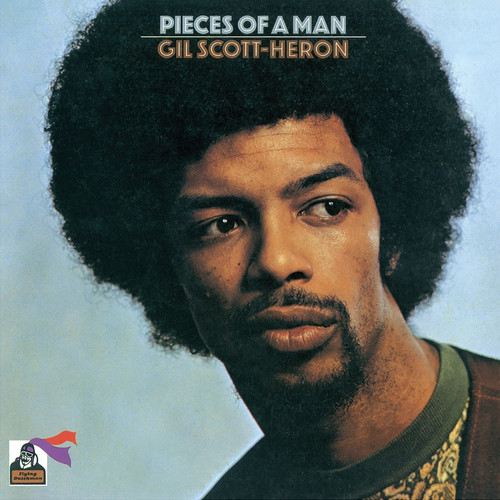
Pieces Of A Man
RCA Studios, 19 and 20 April 1971. Gil Scott-Heron's first studio album, with Brian Jackson on piano, Ron Carter, Hubert Laws, Bernard Purdie and Burt Jones, produced by Bob Thiele. The band version of The Revolution Will Not Be Televised, Lady Day and John Coltrane, Home Is Where the Hatred Is.
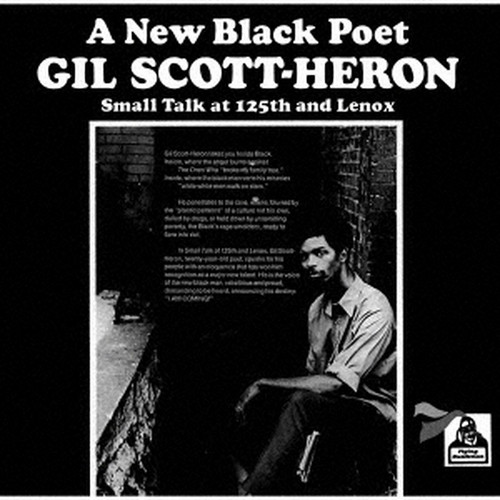
Small Talk At 125th And Lenox
A New Black Poet: Gil Scott-Heron's first record, 1970, a book of poems read in front of an audience with three percussionists, Eddie Knowles, Charlie Saunders and David Barnes, produced by Bob Thiele. The first version of The Revolution Will Not Be Televised, Whitey on the Moon, and the title piece.
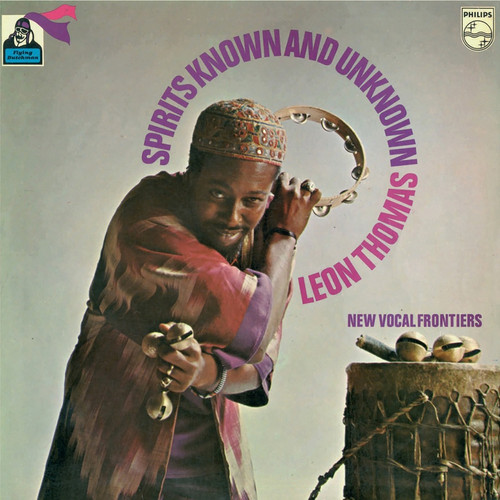
Spirits Known and Unknown
New York, 21 and 22 October 1969. Leon Thomas's first album under his own name, made months after Karma, with Pharoah Sanders credited as Little Rock, Lonnie Liston Smith, James Spaulding, Cecil McBee, Richard Davis and Roy Haynes. A shorter Creator Has a Master Plan, Echoes, and the Malcolm X elegy Malcolm's Gone.
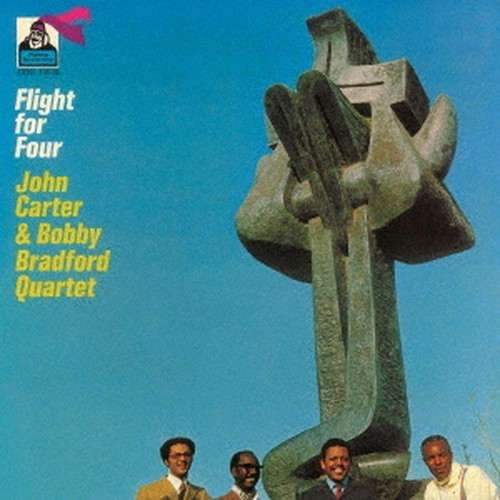
Flight For Four
Los Angeles, 1969. The first record of the John Carter - Bobby Bradford Quartet, the West Coast free jazz band Ornette Coleman had brought together in 1965, with Tom Williamson on bass and Bruz Freeman on drums. Five Carter pieces for Bob Thiele's new Flying Dutchman, from Call to the Festival to Domino.
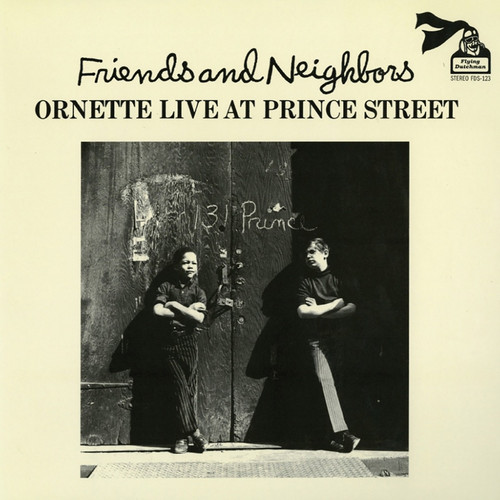
Friends And Neighbors (Ornette Live At Prince Street)
Ornette Coleman's loft at 131 Prince Street, Valentine's Day 1970. Dewey Redman, Charlie Haden, Ed Blackwell, and whoever was in the room singing the title chant. The only Coleman album on Flying Dutchman: six pieces, Ornette on alto, trumpet and violin, taped as a party rather than a concert.
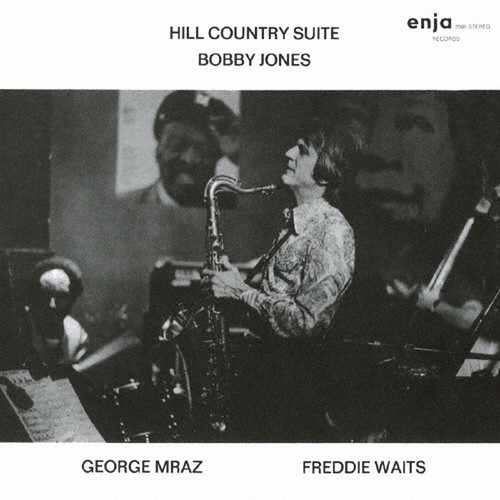
Hill Country Suite
Bobby Jones played tenor in the last Mingus bands of 1970-72, toured Europe and Japan with them, and then, with emphysema closing in, moved to Germany, where he died in 1980. Hill Country Suite is one of two records under his name, made at Trixi Studio in Munich on 30 August 1974 for Enja, in trio with George Mraz on bass and Freddie Waits on drums.
Six pieces, all his, and the titles say where he came from: Bringin' in the Sheep, Old Jack Daniels, Halleluja! Y'uns All Come to the Weddin' Dance,…
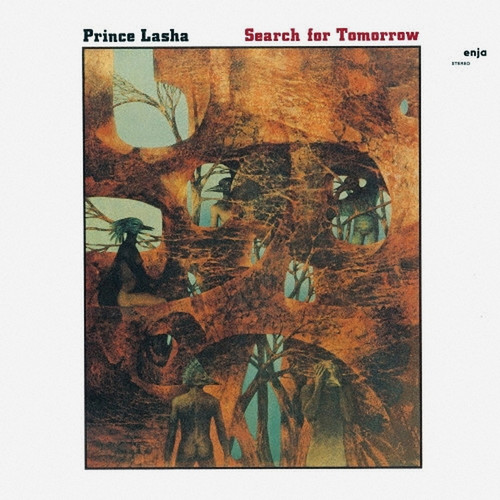
Search For Tomorrow
Berkeley Jazz Festival, 1974. Prince Lasha, the Fort Worth altoist and flautist who had made The Cry! with Sonny Simmons and Iron Man with Dolphy, with Hubert Eaves on piano, Ron Carter on bass, Roy McCurdy on drums and Kenneth Nash on percussion. Three pieces, including the sixteen-minute Mayflower.
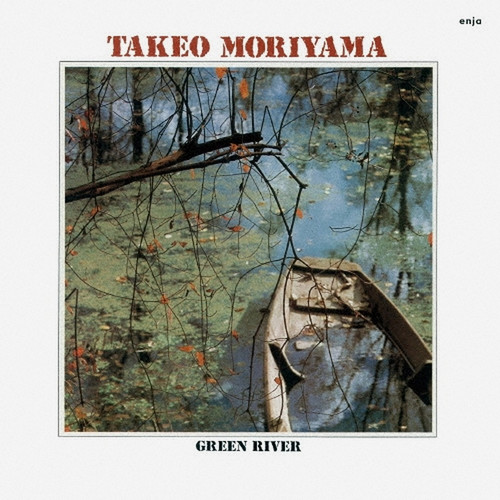
Green River
Nuremberg, East-West Jazz Festival, 6 July 1984. Takeo Moriyama, the drummer of the first Yosuke Yamashita Trio, with his own quartet: Toshihiko Inoue on tenor and soprano, Shuichi Enomoto on flute and saxophones, Hideaki Mochizuki on bass. Recorded live and issued by Enja the same year.
Moriyama had left Yamashita in 1975 and spent the following decade building a group sound of his own. The Vap record East Plants (1983) was the studio version of this band; Green River is the same lineup, less o…
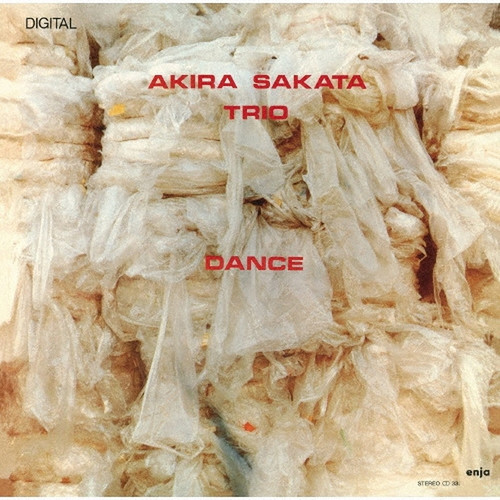
Dance
Munich, Vielharmonie, 11 June 1981. Akira Sakata, two years out of the Yosuke Yamashita Trio, with his own trio, Hiroshi Yoshino on bass and Nobuo Fujii on drums, recorded digitally for Enja. Alto sax, alto clarinet and voice; four long pieces, including a version of Brigitte Fontaine's Comme à la radio.
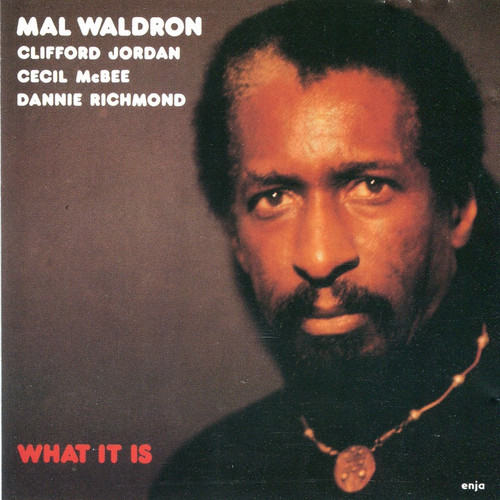
What It Is
Vanguard Studios, New York, 15 November 1981. Mal Waldron with Clifford Jordan on tenor, Cecil McBee on bass and Dannie Richmond on drums, two weeks after the same quartet had played a Columbia University concert. Produced by Horst Weber for Enja, released in 1982.
Three pieces. Jordan's Charlie Parker's Last Supper; Waldron's Hymn from the Inferno, twelve minutes; and the title track, eighteen minutes, which takes the whole second side. Ron Wynn at AllMusic gives it three stars and two words: d…
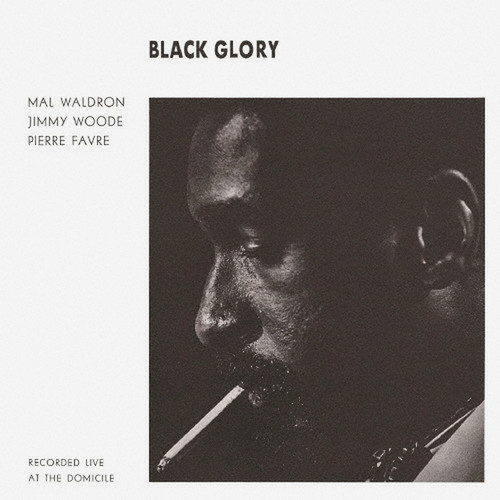
Black Glory
One of the first Enja records, the fourth in the catalogue according to AllMusic, recorded live at the Domicile club in Munich in June 1971. Mal Waldron in trio with Jimmy Woode, the former Ellington bassist, and the Swiss drummer Pierre Favre. The same trio made Mal Waldron Plays the Blues for the label the same year.
Four Waldron originals (Sieg Haile, La gloire du noir, The Call, Rock My Soul) and Woode's brief M.C.. AllMusic's note describes a master of repetition and brooding chords in exce…
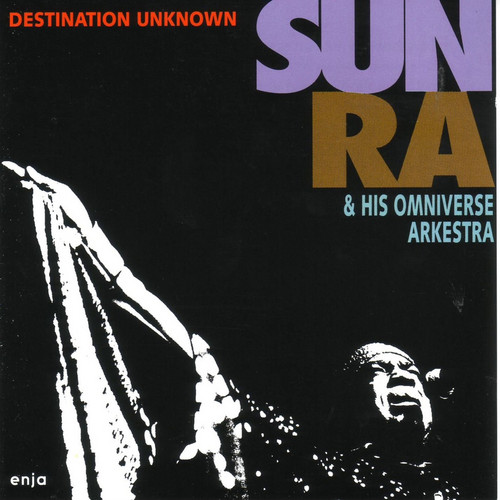
Destination Unknown
Moonwalker, Aarburg, Switzerland, 29 March 1992. Sun Ra, fourteen months from the end, at synthesizer and piano with a ten-piece Arkestra: Marshall Allen, Michael Ray, Ahmed Abdullah, Tyrone Hill, Buster Smith. Ten pieces in fifty-six minutes, mostly repertoire, groove over improvisation. Released by Enja.
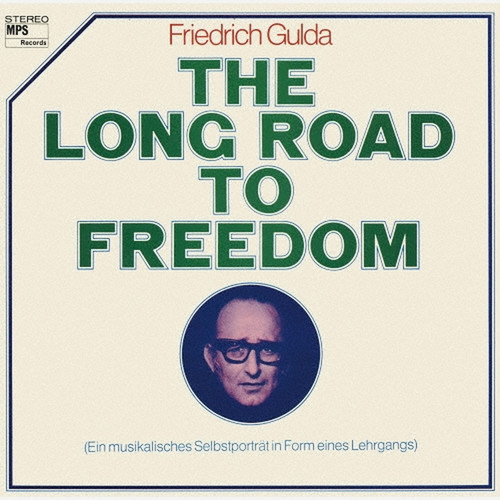
The Long Road To Freedom
Villingen, 26 February 1971. Friedrich Gulda's self-portrait in the form of a course, a double LP mostly of solo piano with Klaus Weiss on drums, Fritz Pauer and a horn section including Benny Bailey and Sahib Shihab. Prelude and Fugue, Play Piano Play, a set of variations on Light My Fire, and a Goethe setting.
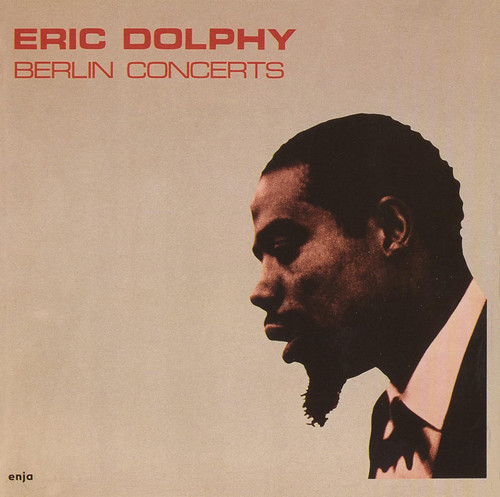
Berlin Concerts
Berlin, 30 August 1961, two Südwestfunk sessions: Eric Dolphy at 33, on his second European trip, with Benny Bailey, Pepsi Auer, George Joyner and Buster Smith. Hot House, Hi-Fly, God Bless the Child on bass clarinet, and Dolphy's own G.W. and 245. Unheard until Enja issued it in 1978. Christgau gave it an A.
Transfiguration
1967. Joachim Kühn had left the GDR the year before and settled in Hamburg; Rolf Kühn, his elder brother, had come back from six years in New York (Benny Goodman, the Tommy Dorsey band) to run the NDR television orchestra. They had already played Newport together. Transfiguration, on SABA, is the Rolf + Joachim Kühn Quintet with Karl Berger as guest on vibraphone, made in the months before Joachim moved to Paris for good.
It sits between two records the brothers made the same year: Re-Union in B…
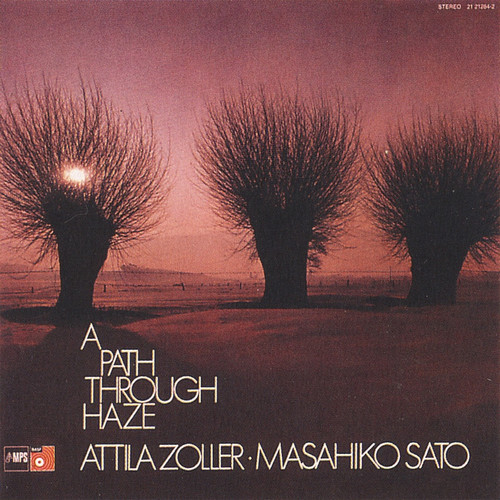
A Path Through Haze
Berlin, Teldec Studio, 7 November 1971, the same day Terumasa Hino was cutting Vibrations for Enja across town. Joachim-Ernst Berendt, who had brought Masahiko Satoh's trio to the Berliner Jazztage, put them in a studio with the Hungarian guitarist Attila Zoller: Satoh on piano, Yasuo Arakawa on bass, Masahiko Ozu on drums, Zoller on guitar. MPS released it in 1972.
Six pieces. Meet, nine minutes, opens; Sazo is short; the traditional Black Is the Color of My True Love's Hair is the ballad; Clos…
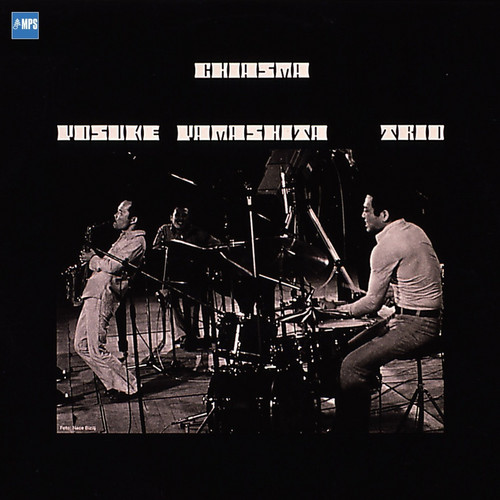
Chiasma
Heidelberg Jazztage, 6 June 1975. The Yosuke Yamashita Trio with Akira Sakata and Takeo Moriyama in its second European season, recorded by Carlos Albrecht for MPS. Piano and drums duets, a Moriyama drum solo, and the fourteen-minute Hachi. Forty minutes of the loudest trio of the decade.