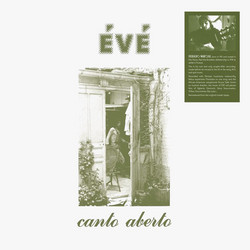
Canto Aberto
Everaldo Marcial aka Évé, born in 1951 and raised in Sao Paulo, fled the Brasilian dictatorship in 1974 to settle in France. Canto Aberto, originally released on the Free Lance label in 1979, is his one and only sought-after recording, made before he moved to the US in the early 80s and decided to quit music. Recorded with Parisian musicians, noteworthy fellow expatriate Manduka on one song and the African-American saxophonist Bruce Tobe Grant as musical director, the music of Évé will please fa…

Piry Reis
Deluxe Edition pressed on 180 grams vinyl. Iconic and much sough after self titled LP by Piry Reis now re-issued as a deluxe 180 grams edition containing an extra bonus track (spaced out Jazz interpretation of No Risco Do Relâmpago). After playing for several years with Egberto Gismonti group and other prominent Brazilian acts, Piry decided to record this album which was originally released in 1980 featuring a special guest appearance by Egberto Gismonti.

Brazilian Classics
Dorival Caymmi was a Brazilian singer, songwriter, actor, and painter active for more than 70 years beginning in 1933. He contributed to the birth of Brazil's bossa nova movement, and several of his samba pieces, such as "Samba da Minha Terra", "Doralice" and "Saudade da Bahia", have become staples of música popular brasileira. Equally notable are his ballads celebrating the fishermen and women of Bahia, including "Promessa de Pescador", "O Que É Que a Baiana Tem?", and "Milagre". Caymmi compose…
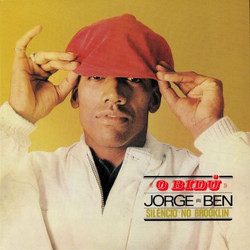
"O Bidu" Silencio No Brooklyn
*2022 repress* O Bidú: Silêncio no Brooklin is the fifth studio album by Brazilian singer-songwriter and guitarist Jorge Ben. It was recorded with Brazilian rock band The Fevers as Ben's backing musicians and released in 1967 by Artistas Unidos, a small-market record label based in São Paulo.
The album was recorded while Ben was living in Brooklin, a neighborhood of São Paulo with Erasmo Carlos. Its title is a reference to a car that Ben owned at the time and the subtitle is a joke on a neighbor…
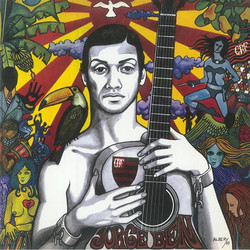
Jorge Ben
The sixth studio album of the Brazilian artist Jorge Ben. Released in 1969, it was Jorge Ben’s first album with Trio Mocotó, a group that would be backing him along the 70’s on many other seminal albums, such as Força Bruta (1970), Negro É Lindo (1971) and A Tábua de Esmeralda (1974). The present album is said to have influenced the “Tropicália” movement, as three tracks from this set, “Que pena”, “País tropical” and “Charles, anjo 45” were immediately covered by Gal Costa (the former two), and …
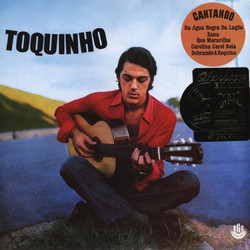
Toquinho
All-time classic Brazilian album, featuring Jorge Ben on 'Que Maravilha’, ‘Zana’ and 'Carolina Carol Bela’ as sampled by DJ Marky on ‘LK’. Brazilian guitarist and singer Toquinho (real name Antônio Pecci Filho) was born in Sao Paulo, Brazil in the 1940’s. His first major hit single was ‘Que Maravilha’, as featured here, that he wrote with Jorge Ben. This album also features ‘Zana’ and the ultra-famous ‘Carolina Carol Bela’, also written with Ben. Toquinho had a prolific career releasing a huge n…
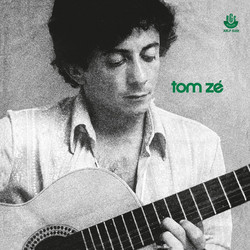
Tom Ze
Tom Zé is a songwriter, multi-instrumentalist, innovator and composer who was hugely influential in the Tropicália movement of 1960s Brazil. Zé is often thought of as Brazil’s answer to Zappa or Captain Beefheart; a true innovator and a true artist. Mr Bongo re-issued Zé’s debut record ‘Grande Liquidicao’ originally released in 1968. This, his second solo album, is self-titled, and was released by RGE Discos in 1970. After the peak of the Tropicália period, Zé went into relative obscurity. It wa…
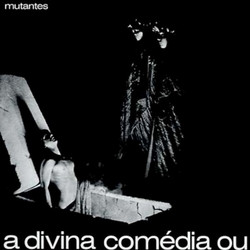
A Divina Comédia Ou Ando Meio Desligado
"..Along with the fascinating cover art - which finds the middle ground between the lurid, low-budget, exploitation cinema of filmmakers like Jean Rollin or Mario Bava, with the higher aspirations of gothic literature, ala Edger Allen Poe - the literal English translation of the title suggests further hints towards the notions behind the album, with A Divina Comédia (ou Ando Meio Desligado) interpreted as The Divine Comedy (or I Walk a bit Disconnected), with the reference to walking disconnecte…

Som Definitivo
An incredible album – one in which the Brazilian female harmony quartet meets up with their male counterparts, the Tamba Trio! The gals have most of the vocals on this set, but backings are in the sublimely modern mode that the Tamba combo was using at the time, set to arrangements by Luiz Eca, the group's pianist – and soaring with a great blend of jazz and bossa elements! The whole thing's a landmark in the Brazilian scene of the time – with edges that are dark and sweet at the same time – and…
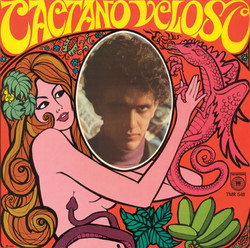
Caetano Veloso
In continuing to expand our catalog of seminal reissues, Third Man Records is extremely proud to present the first authorized North American vinyl issue of Brazilian artist Caetano Veloso's iconic 1968 debut solo album. Caetano Veloso’s self-titled debut solo album is one of the most important and influential Brazilian (and, dare we say, South American) albums of all time. With the release of this seminal album, Veloso would become the leading voice of the Tropicália art movement, which took pl…
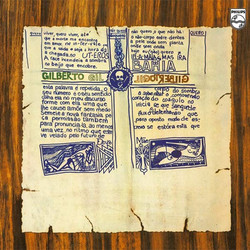
Gilberto Gil (Cérebro Eletrônico)
Here comes Polysom re-issue of Gilberto Gil's rare third album on 180gr vinyl. This is a key piece of the Tropicalia puzzle - one of the most wildly experimental albums recorded during those years, and Gil's last before going into exile! Tracks include Cérebro Eletrônico, Volks-Volkswagen Blue, Futurivel, and 2001, which was written by Tom Zé and Rita Lee - plus the wild cut Objecto Semi-Identificado.On this album Gilberto Gil managed to incorporate psychedelic experimentation, blues, rock, samb…
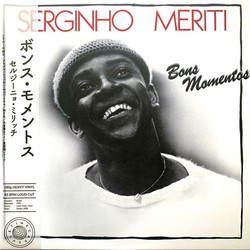
Bons Momentos
**Deluxe reissue. 180g heavy vinyl, limited Obi for the first pressing** Inspired equally by the soul and funk of the Black Rio movement and the samba rock innovations of Jorge Ben, Serginho Meriti’s classic debut album presents one of the best - if least known - examples of funky Brazilian soul. Brazil’s Black Rio movement had a lasting impact on the country’s marginalised black youth. Inspired by the African-American Civil Rights Movement and the revolutionary, politically conscious soul and f…

O Som Psicodélico De Luiz Carlos Vinhas
"Luiz Carlos Vinhas was apiano player from Rio de Janeiro, he started playing at night in the late 1950s, quickly participating in the Bossa Nova movement. He joined the legendary Bossa Três alongside drummer Edison Machado and bassist Tião Neto, with whom he recorded three albums in the United States in 1962. Back in Brazil, he continued to perform with Bossa Três alongside other works with Jorge Ben, Quarteto em Cy, Elis Regina and many others.Vinhas was one of the great exponents of Bossa Nov…
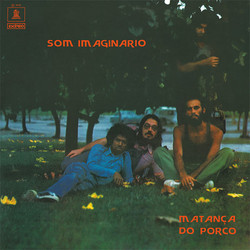
Matança Do Porco
**to be released on 15.05.2020, 180 gram vinyl** Som Imaginário was a famous Brazilian group responsible for support the singer Milton Nascimento. The group released three albums between 1970 and 1973. The band in its original lineup had Wagner Tiso (piano and keyboards), Tavito (vocals and acoustic guitars), Zé Rodrix (vocals, keyboards and flutes), Luiz Alves (bass), Robertinho Silva (drums) and Frederiko (guitars) and their two first records are more folk / psychedelic.In 1973 the band was a …

Pilantrocracia
Vinyl reissue of a 1969 LP from Brazil, the cultish Os Pilantrocratas 'Pilantrocracia' album, which combines bossa with tropicalia vibes, jazz, samba, bits of psychedelia, boogaloo, and more. "Pilantragem" was a musical movement in late 60s Brazil that mixed every kind of influence imagible - from British pop to Tin Pan Alley and from Carmen Miranda to James Brown. The name "pilantragem" literally means "piracy" and the cover of this Lp accurately reflects the pop art sensibilities of the time

Satwa
Written, recorded and released just as Brazil’s military dictatorship reached the climax of its long black arc, the one and only album by Satwa is a divinely subtle protest, often cited as Brazil’s first independent record. Formed after the return of Lula Côrtes and Lailson from their respective foreign excursions – the ‘Satwa’ project lasted only a year, perhaps due to their differing stripes. Lailson was from the verdant former Dutch colony of Pernambuco, while Côrtes hailed from the wild badl…
Sold Out