Massacre
*2026 stock. 100 copies limited edition* "The resulting music is an unearthly ever-shifting roar, sometimes identifiable as the product of guitar and saxophone but just as often not. Obrazeena’s guitar frequently starts out as an almost country-tinge…

Extended Topography
*2026 stock*
Anton Ponomarev - saxophones, bass clarinetLi Xing - guitar, effects, mixing
Liu Ying - masteringIvan Yakushev - design/art
Recorded in August 2021 Basel, Switzerland
AP/RO
*2026 stock*
Anton Ponomarev: saxophone, electronicsRyoko Ono: saxophone, mixing, mastering
This record was originally released by Fort Evil Fruit (Ireland), July 15, 2022.
The Warm Garden
Tip! A pivotal force in the foundations of Noise music in Japan, Fumio Kosakai is half of The Incapacitants, and has recorded with other acts such as Hijokaidan, CCCC, and Club Skull. Originally released on cassette in an edition of fifty copies in 1…
2.25
Composed and recorded during tough times in 2025. Using compressed air, percussion instruments, piano and samples, Alessandro Brivio explores varied and extreme approaches to sound processing, diffusion, recording and re-composition, as a tribute to …
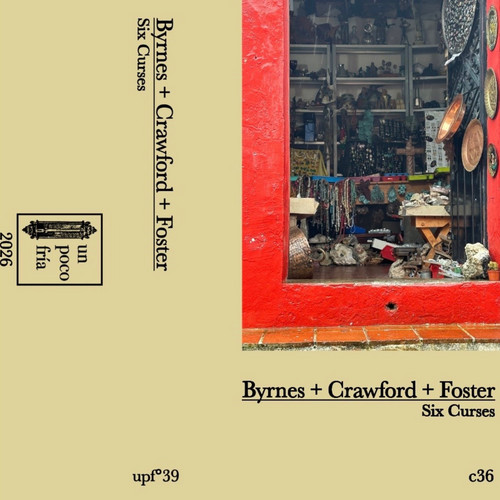
Six Curses
*30 copies limited edition*
Ted Byrnes: PercussionWebb Crawford: Electric GuitarMichael Foster: Saxophones
Grant Richardson: Mastering
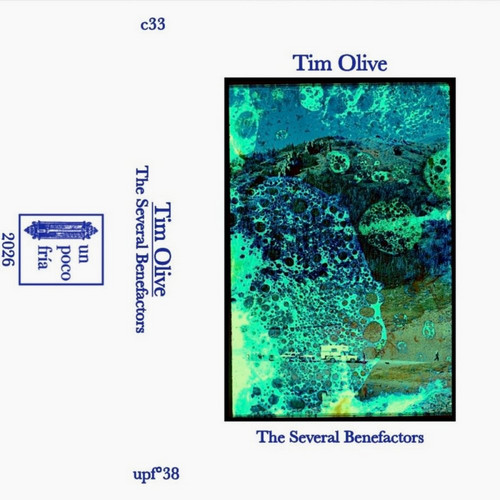
The Several Benefactors
Tip! *30 copies limited edition* Tim Olive: magnetic pickups, metal plates, springs, radios.

Lilith Variations
*2026 stock. 50 copies limited edition* Drumless kick pedal & crank plug nc contact mic through pignose amp. tracked live & direct to tascam dr-03 linear pcm handheld recorder summer 2024. linear-edited & assembled to cassette 4-track in the early wi…

Relapsi
*2026 stock. 50 copies limited edition* RMSS is a Finnish noise project that draws inspiration from the heavier side of mental heath issues. The Relapsi compositions navigate a raw and visceral soundworld - through the dimly lit, bleak & icy corridor…

Feral Tape
*2026 stock. 50 copies limited edition* Effectively over a decade long trajectory…originally released in 2013 as a digital-only edition… Now a newly reworked edition - Mastered by Grant Richardson at Hex Audio Labs
from Paul, circa 2019 “….Three nois…
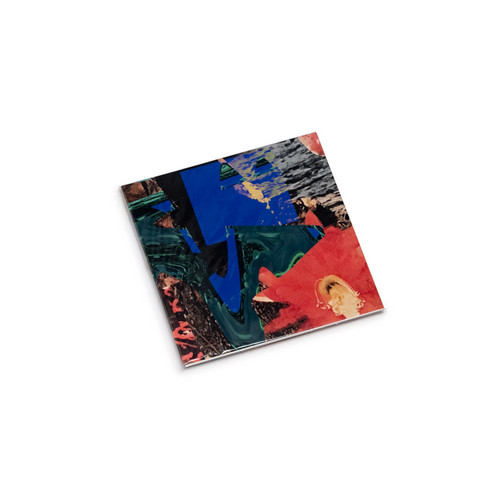
Double Beat Sequencer Vol.2
Double Beat Sequencer Vol.2 continues Merzbow’s deep dive into a particularly vicious corner of his archive: mid‑2010s sessions built around a relentless “double beat” framework, then buried under signature torrents of noise. Where Vol.1 sketched the…
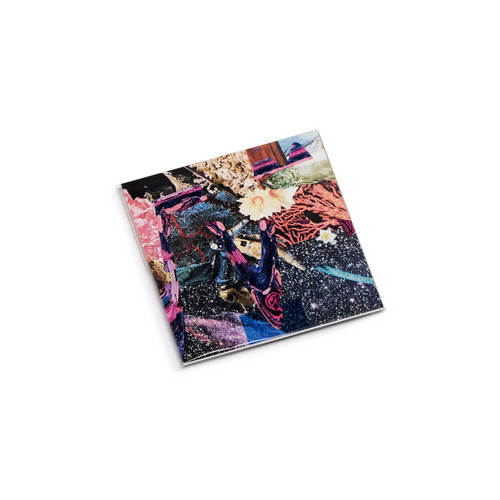
Double Beat Sequencer Vol.1
Double Beat Sequencer Vol.1 finds Merzbow threading a hard, skeletal pulse through the heart of his noise, treating rhythm less as a scaffold for genre than as another engine of excess. Across these tracks, fixed and cycling beats - the “double” sequ…
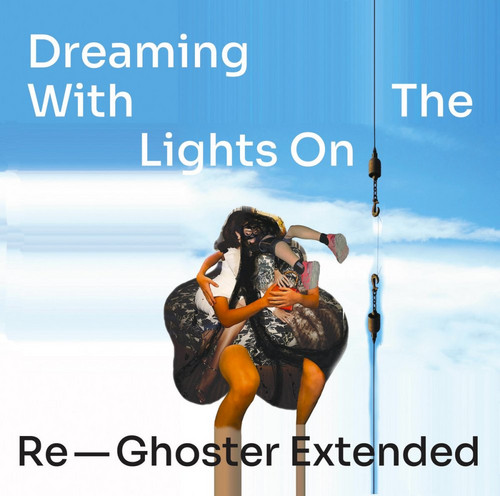
Dreaming With The Lights On
Tip! You’re approaching the region where gravity feels tampered with; “Dreaming With The Lights On” is to drift into a zone where bodies and objects appear to have slipped into a dream’s editing room and reassembled themselves according to priorities…
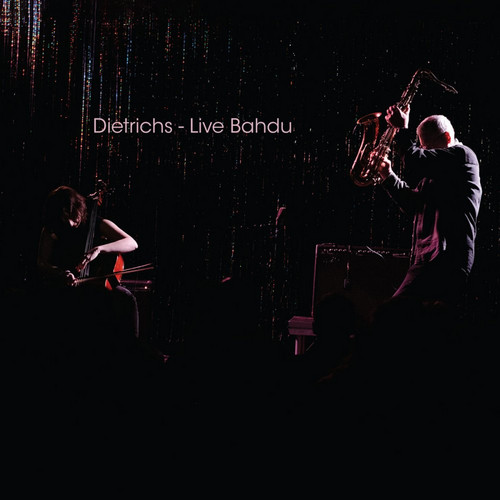
Live Bahdu
Legendary saxophonist Don Dietrich and his powerhouse cellist daughter Camille Dietrich collide in Live Bahdu, a fierce musical union that music critic Byron Coley hails as “sheer wailing sonic pleasure.” Don, an untamed force who has spent over fort…
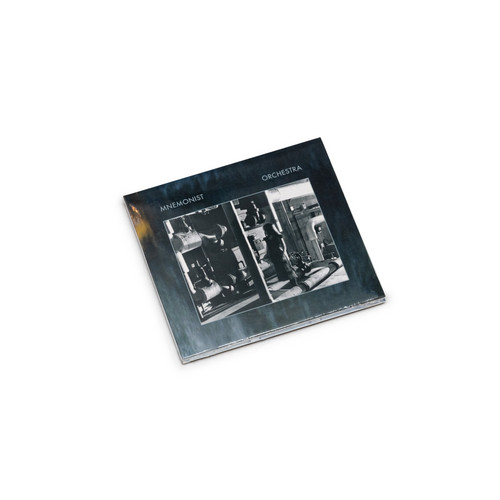
Mnemonist Orchestra
Mnemonists, on the first album called Mnemonist Orchestra, is U.S collective of avant-garde musicians from Colorado, led by Mark Derbyshire and William Sharp. Their music is a mixture of modern classical, experimental sounds, noise, industrial, avant…
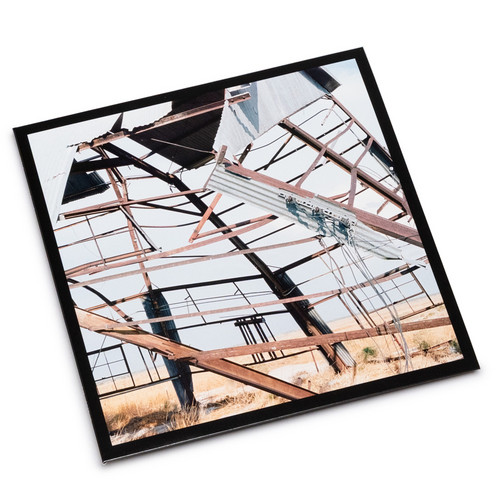
Split
Tip! *245 copies limited edition* Overjoyed to announce the release of this monumental record featuring two very different sides of the free-improv coin, pressed on heavyweight 180 gram mixed color vinyl. This intergenerational, wide-minded split LP …
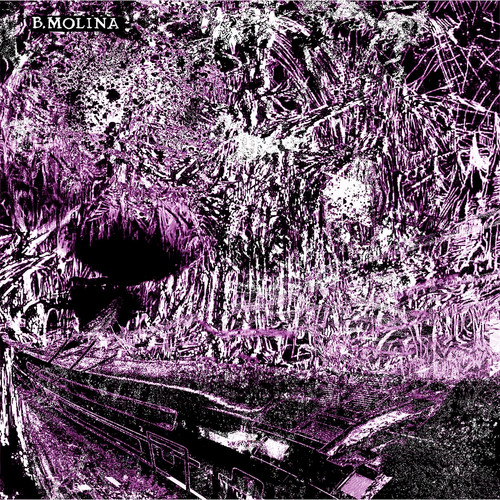
Aleación Y Submersion
'Aleación y Submersión' by B. Molina is an exploration of sound, electrical vibration, collapse, control, and instinct. Carried across twelve compositions, physical and psychological thresholds of sound get submerged, corroded and remain dissolving. …
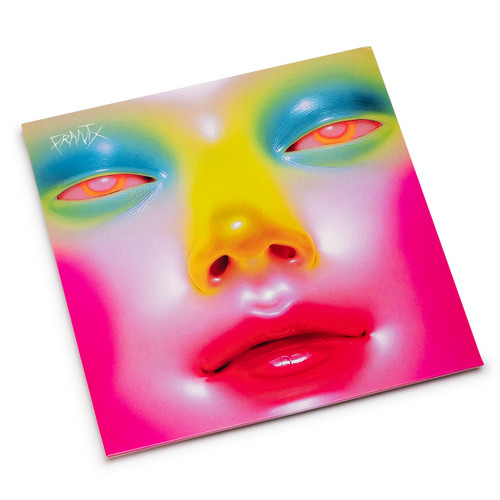
Idutydu
Frantx is a glit-noise band based in Paris that creates music in a dimension of hyper-speed where individualities get blurred, immersed in post-internet sonic drifts. The four members of Frantx explore the limits of their instruments and new modes of…
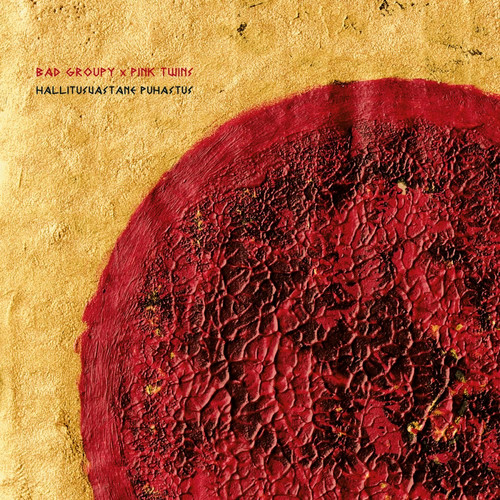
Hallitusvastane Puhastus
Are sounds what you perceive? Are the meanings of sound determined by your cultural environment? Is it noise? Is it art? Or just rock n roll (and you like it, yes you do)?
Estonian/American duo Bad Groupy joined the Finnish duo Pink Twins in their He…
Alight in the Fog
*2026 stock. 20 copies limited edition* Hikikomori, a sonic entity forged in the crucible of London's north and south fringes, stands as a testament to the power of chaotic synergy. This avant-garde duo, comprised of Tom Wilson wielding synths and pe…