Jazz /
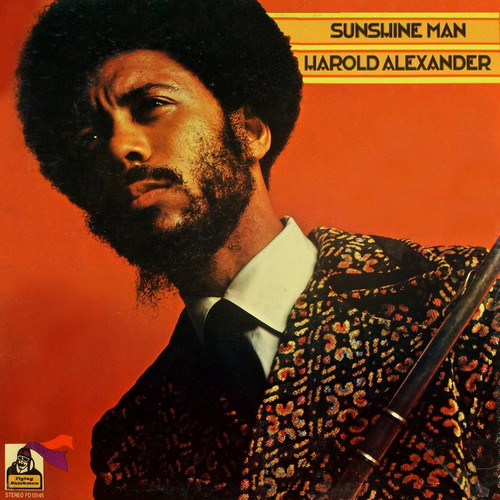
Sunshine Man
Two days in May 1971, produced by Bob Thiele for Flying Dutchman. Harold Alexander on flute and soprano over Neal Creque's electric piano, Richard Davis's bass, Pretty Purdie's drums and Richard Landrum's congas. Contains Mama Soul, the scat-flute track that got him into DJ sets decades later.
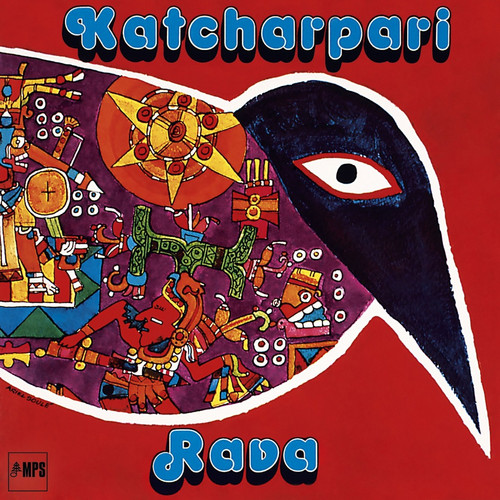
Katcharpari
Milan, January 1973. Enrico Rava's second record as a leader, with John Abercrombie on guitar, Bruce Johnson on bass and Chip White on drums, released by MPS/BASF. Rava has called it his breakthrough: the album that got Manfred Eicher's attention. Seven tracks, from Trial N. 5 to the Don Cherry tribute Cheerin' Cherry.
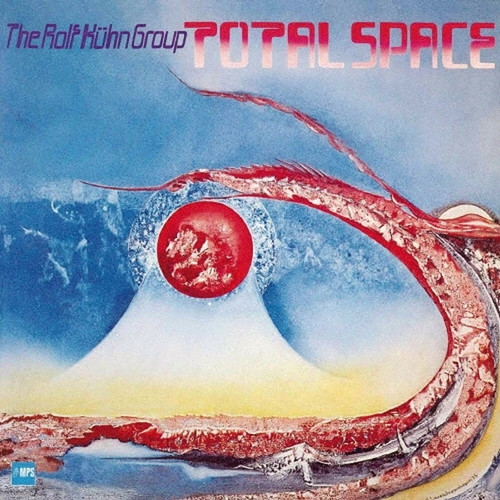
Total Space
Cologne, Cornet Studios, January 1975. Rolf Kühn on clarinet with a band that reads like a German jazz roll call: his brother Joachim Kühn on piano and electric piano, Philip Catherine on guitar, Gerd Dudek on tenor and soprano, Albert Mangelsdorff on trombone, Bo Stief on bass, and two drummers, Daniel Humair and Kasper Winding.
Kühn chose not to record in the MPS studio in the Black Forest and brought in the engineer Wolfgang Hirschmann instead. In his own account, quoted in MPS's reissue note…
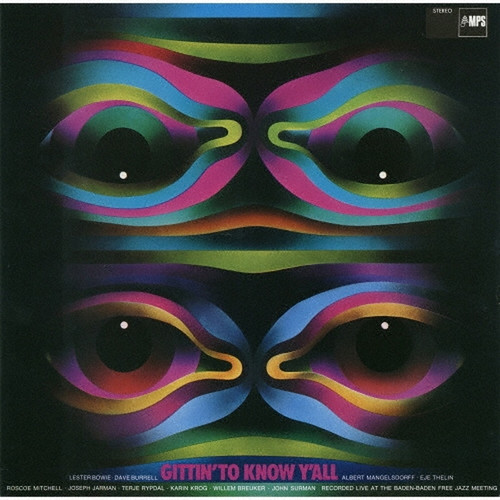
Gittin' To Know Y'All
Baden-Baden, Südwestfunk studio, 12 to 14 December 1969, the annual Free Jazz Meeting. Steve McCall had persuaded the organisers to invite the Chicago musicians living in Paris: Lester Bowie, Joseph Jarman, Roscoe Mitchell, and the pianist Dave Burrell. They met sixteen Europeans: Albert Mangelsdorff, Kenny Wheeler, John Surman, Willem Breuker, Terje Rypdal, Tony Oxley, Alan Skidmore, Heinz Sauer, Gerd Dudek, Eje Thelin, Bernt Rosengren, Hugh Steinmetz, Leo Cuypers, Claude Delcloo and Karin Krog…
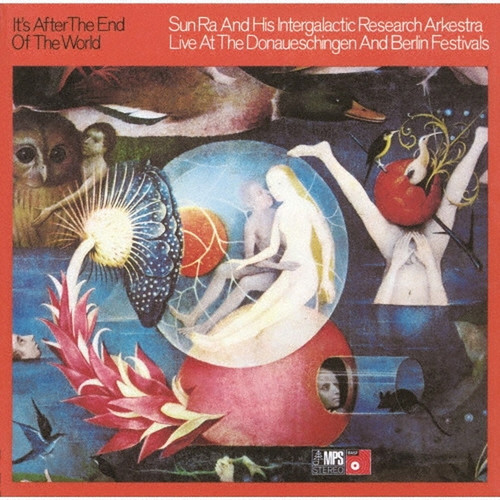
It's After The End Of The World
Donaueschingen, 17 October 1970, and Berlin, 7 November: Sun Ra's first German concerts, commissioned by Joachim-Ernst Berendt, with the Black Forest Myth written for the astrological moment and never played again. Berendt cut five hours of tape into forty minutes. Der Spiegel called it cosmic chaos.
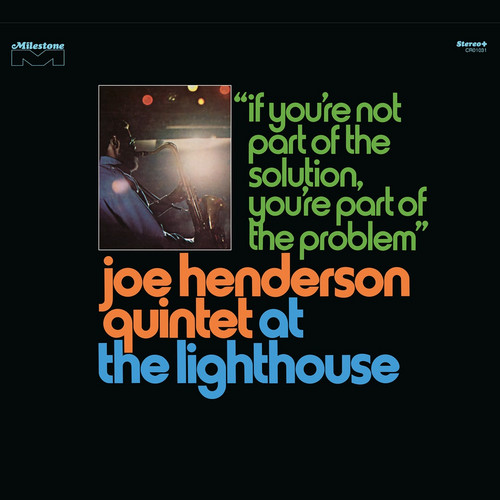
At The Lighthouse: If You're Not Part Of The Solution, You're Part Of The Problem
Joe Henderson's quintet live at the Lighthouse in Hermosa Beach in 1970, with Woody Shaw, George Cables, Ron McClure, Tony Waters and Lenny White. Deluxe 3LP edition with five unreleased tracks and new liner notes.
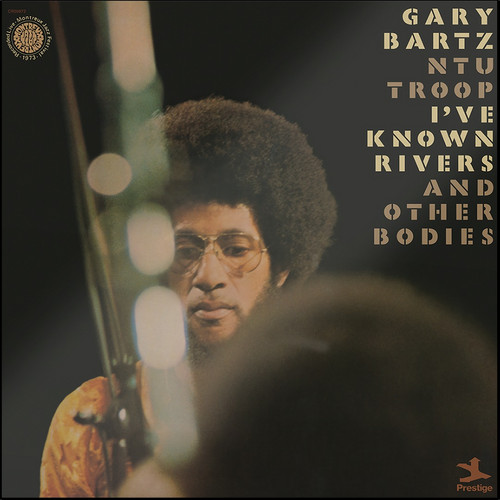
I've Known Rivers And Other Bodies
Montreux, 7 July 1973: Gary Bartz brings the NTU Troop on stage as a quartet and plays the first half of the concert as one unbroken suite. Langston Hughes turned into song, alto and soprano over electric piano and bass. First vinyl edition since 1975, cut AAA from the original tapes by Kevin Gray.
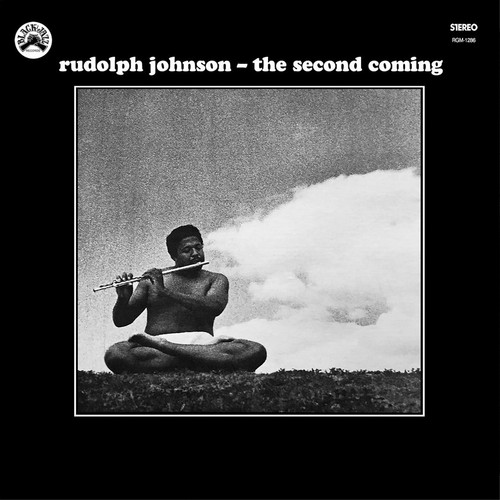
The Second Coming
Rudolph Johnson's second album for Black Jazz, from 1973, with Kirk Lightsey, Kent Brinkley and Doug Sides: free, expressive playing in the wake of Coltrane, with little of the fusion of its time. Real Gone reissue on black vinyl.
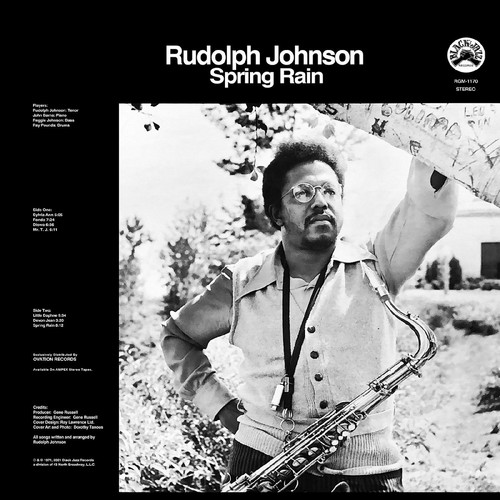
Spring Rain
Rudolph Johnson's 1971 debut for Black Jazz, a quartet date with John Barnes, Reggie Johnson and Raymond Pounds moving between bebop, soul jazz and Coltrane-like tenor. Real Gone reissue on black vinyl, remastered.
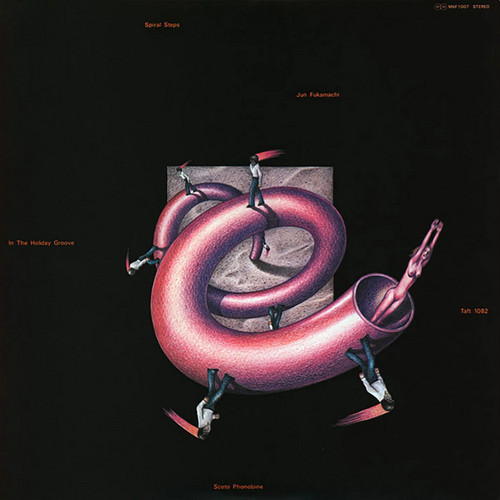
Spiral Steps
A precursor to the New York All Stars project, this album was one of the earliest overseas recording ventures by the then up-and-coming sound creator Jun Fukamachi, and stands as a landmark work that helped define the dawn of J-Fusion.
The New York sessions featured Randy and Michael Brecker, as well as the late Anthony Jackson. Representing Japan were an exceptional lineup of musicians, led by Shuichi "Ponta" Murakami, who plays drums on every track, alongside Kazumi Watanabe, Rei Ohara, Akira …
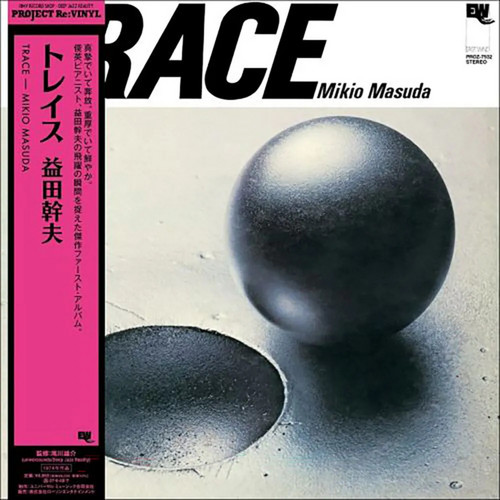
Trace
Powerful trio music by pianist Takehiro Honda, known for his strong touch and bluesy feeling, together with an American rhythm section. The album features a line up of compelling originals, including the overwhelmingly powerful "Minors Only" and the title track "Salaam Salaam," whose title means “peace” in Swahili.
East Wind was a ground-breaking jazz label established in 1974 through the full cooperation of Ai Music, as it was then known, and Nippon Phonogram, as it was then known. Over a per…
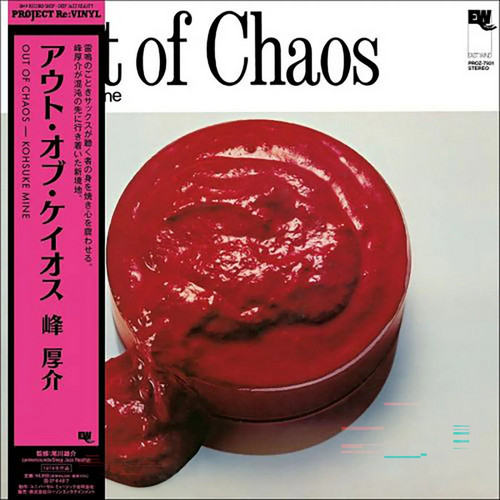
Out Of Chaos
The saxophone, thunderous as a peal of lightning, burns the listener’s body and shakes the soul. Out Of Chaos captures a new frontier reached by Kosuke Mine beyond the depths of chaos. Having attracted widespread attention through his work with the Masafumi Kikuchi Group and the consecutive release of three albums under his own name in 1970, Kosuke Mine was one of the most talked-about figures in Japanese jazz. Following the breakup of the Kikuchi Group, he released the masterpiece Daguri in 197…
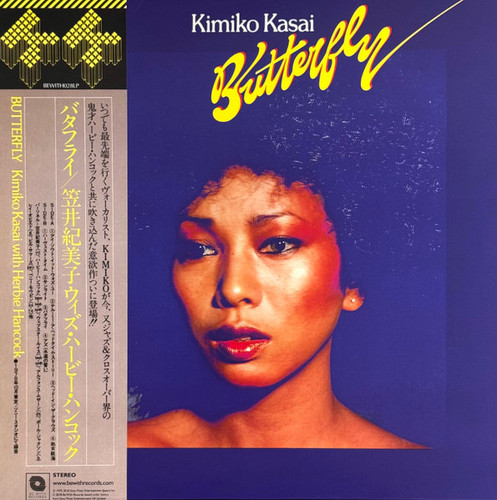
Butterfly
*2026 repress!!!* Oh yes! First ever official reissue of the positively sublime and very rare Butterfly LP, recorded in Tokyo in 1979 by Japanese songstress Kimiko Kasai and jazz legend Herbie Hancock. Due to its super-rare status as a Japan-only release, this exquisite collection of covers never got the recognition it deserved at the time, despite incredibly inspired performances from Kimiko, Herbie and the supremely talented musicians assembled for the project. From heavenly drummer Alphonse M…
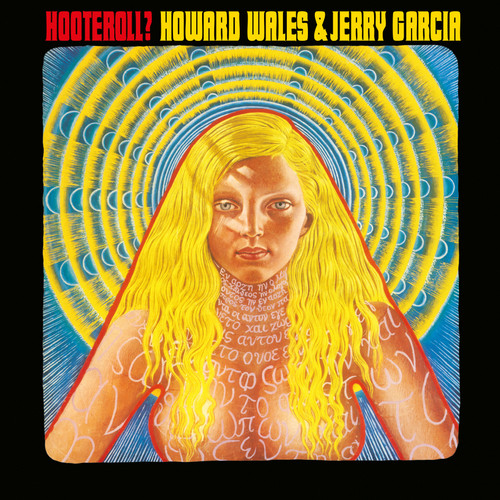
Hooteroll?
An adventurous instrumental jazz-rock fusion album that captures the free-form chemistry between keyboardist Howard Wales and guitarist Jerry Garcia. The record blends jazz improvisation, psychedelic rock, blues, funk, and progressive influences into fluid, exploratory compositions driven by Wales' inventive keyboard work and Garcia's expressive, melodic guitar playing. Supported by musicians including John Kahn, Bill Vitt, and Martin Fierro, the album emphasizes spontaneous interplay over conve…
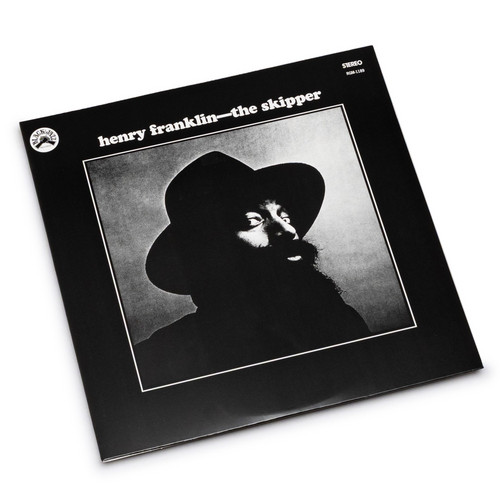
The Skipper
On The Skipper, Henry Franklin steps out from the sideman shadows to helm one of Black Jazz Records’ most beloved releases, a deep, earthy fusion of spiritual jazz and funk‑tipped groove. His bass becomes both rudder and engine, steering long, flowing tunes that move with unhurried authority and luminous ensemble interplay.
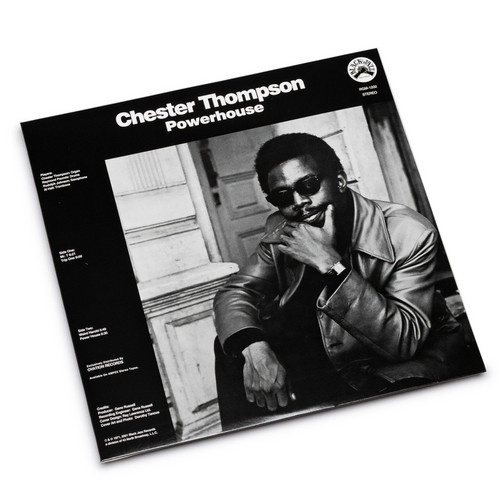
Powerhouse
A bold new spotlight shines on the classic 1971 release Powerhouse by celebrated organist Chester Thompson—an album that captures the pulse of its time with fire, finesse, and unmistakable soul. Released in 1971, Powerhouse remains a standout work in Thompson’s discography, drawing listeners into a world where groove, grit, and melodic imagination collide.
From the first notes, Powerhouse delivers an electrifying blend of organ-driven energy and captivating musical momentum. Thompson’s masterful…
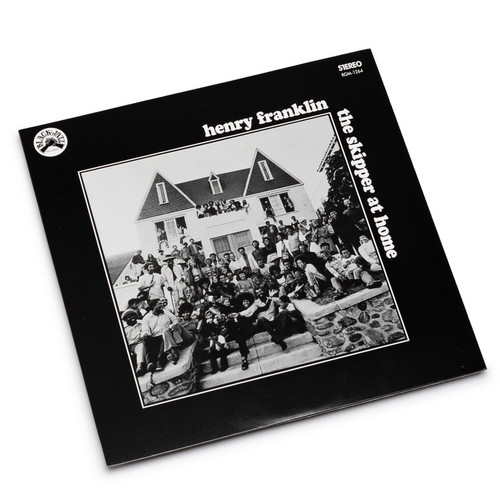
The Skipper at Home
Henry Franklin is set to release *The Skipper At Home*, a bold new musical journey arriving on **[Release Date]**. The album blends intimate storytelling with adventurous grooves, drawing listeners into a world where humor meets heart, and every track feels like a destination.
With *The Skipper At Home*, Henry Franklin crafts a sound that’s both reflective and kinetic—layered arrangements, memorable melodies, and a distinct voice that moves effortlessly between the personal and the playful. From…
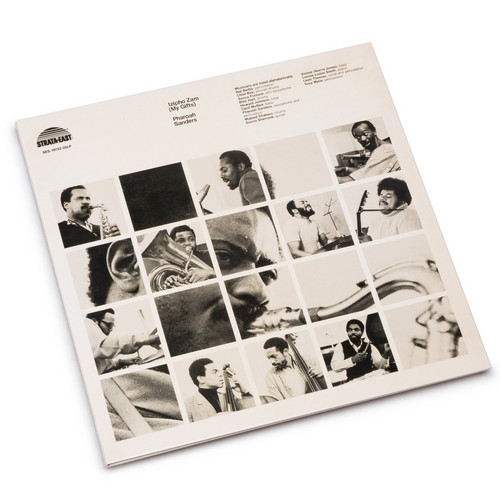
Izipho Zam
"Strata-East present a reissue of Pharoah Sanders's Izipho Zam (My Gifts), originally released in 1973. "Popular and increasingly in demand, Izipho Zam (My Gifts) falls into the 'rare' category among record collectors and is a gift to fans of master Pharoah Sanders. This demand is partially galvanized by the fact that 'Prince Of Peace' has become an inspirational mine to hip hop artists and is much loved by samplers.
Izipho Zam is Pharoah Sander's third album, initially recorded in January 1969,…
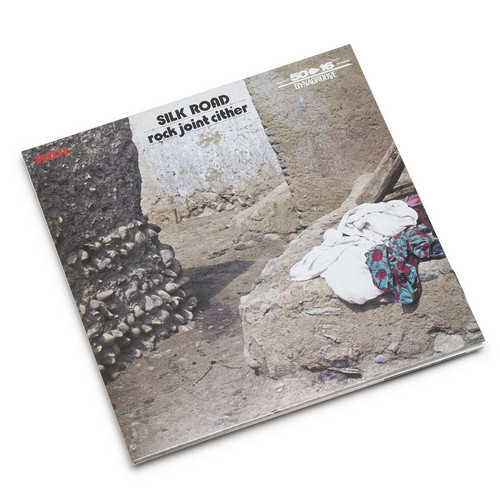
Rock Joint Cither – Silk Road
*Warehouse Find !!!* After the space-time experience and the translation into music of the Bible of Japanese civilization, the Fulukotofumi, the following year, in 1973, Hiromasa Suzuki pushes his research and experimentation beyond the borders of his own country by venturing, with the usual companions of adventure (Kunimitsu Inaba, Hideo Sekine, etc.), along the lights and shadows of the Silk Road. A backward journey in search of the musical and cultural sources of mainland Asia, from the gates…
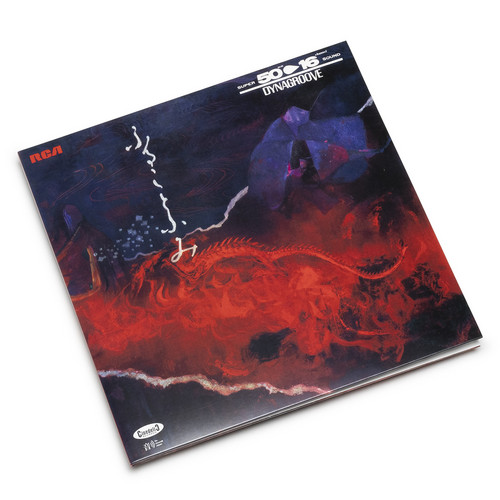
Rock Joint Biwa
*Warehouse Find !!!* The Fulukotofumi is the most important and ancient historical chronicle of Japan. The content of this work becomes an inspiration for the creation of a sound transposition of the legends and myths that most marked the spirit and inspiration of Hiromasa Suzuki, as a musician and as a high-level composer. The music that is concentrated between these grooves is a representation of the best that moved in the early seventies in the jazz-rock orbit at an international level; in ad…