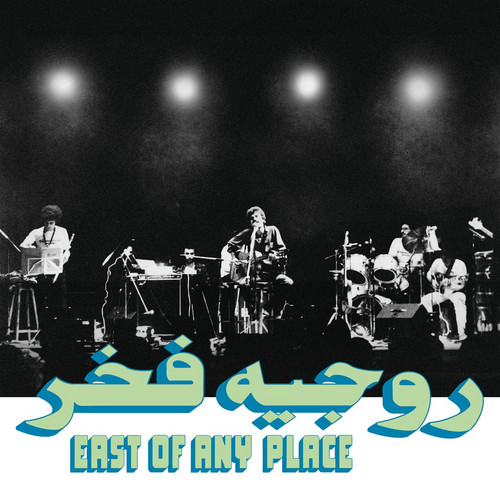
East Of Any Place
Previously unreleased studio songs by Lebanese singer-songwriter Rogér Fakhr, recorded in single-day sessions in the late 1970s during the civil war: folk arrangements, sung in English, a companion to his 2021 album Fine Anyway.
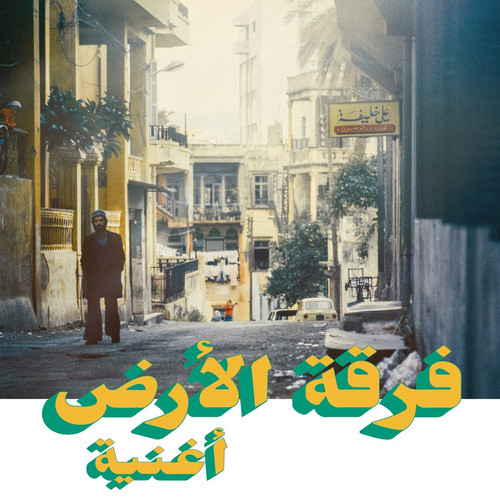
Oghneya
The 1978 album by Beirut group Ferkat Al Ard, led by singer Issam Hajali with arrangements by Ziad Rahbani: Arabic song, jazz, folk and bossa nova on poems by Mahmoud Darwish and Samih Al Qasem, first issued on cassette, then on vinyl in 1979.
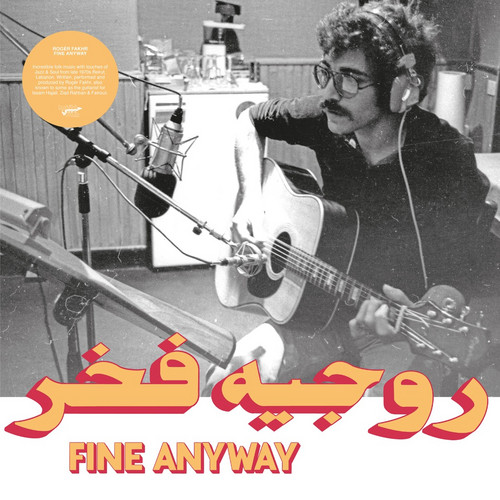
Fine Anyway
Songs written and recorded by Lebanese singer-songwriter Rogér Fakhr in Beirut in the late 1970s: English-language folk with touches of other genres, partly from his cassette Fine Anyway, hand copied in about 200 copies, partly never released.
Let Me Perish Without Return: Lament and Longing from the Fading Russian Empire, 1889-1917
Twenty sides cut in the Russian Empire between 1889 and 1917, dug up by Gary Sullivan in the Russian shops of Brighton Beach and Forest Hills: music hall satire, drawing-room ballads and convicts' laments from the years before everything changed.

Voci E Suoni D'Italia (LP)
Rare 1970 library album on Deneb with interpretations of Italian folk music. Never re-issued on either LP or CD.
Is It Really Goodbye? More Ryūkōka Recordings, 1929-1938
Exquisitely melancholy, pre-war Japanese Ryūkōka Recordings, 1929-1938, delving deeper into the style’s fusion of traditional and classical Japanese and western blues x jazz on Death Is Not The End.
Have You Heard About the World Coming to an End?
Death Is Not The End present a compilation gathering a cross-section of early gospel choirs and vocal harmony groups recorded between late 1920s and the mid-1950s - a period when spirituals & jubilee traditions merged with blues, jazz and early rhythm and blues, providing the musical routes for the coalescence of the civil rights movement born out of the black church. In the modern world these perennially vital recordings provide a fitting tonic for the near-dystopia we find ourselves living thr…
Digging Central Asia: Musical Archaeology along the Silk Road
Death Is Not The End collaborate with Uzbek label Maqom Soul to deliver an LP counterpart to last year's mixtape of the same title, compiling specially picked & fully licensed individual belters from the ex-soviet studios of Central Asian republics between 1978 and 1989 - incl. Uzbek, Tajik, Kurdish & Uyghur artists pulling traditional folk motifs together with pop & rock and psych elements.
"These recordings do not form a smooth or coherent history. They feel more like a sequence of discoveries…
Boneyard Shuffle (Tape)
DINTE proudly presents Boneyard Shuffle — a captivating cassette-only collection that journeys through haunted calypsos, blues, ragtime, spirituals, and Hawaiian guitar melodies. This unique release evokes a ghostly, timeless atmosphere, weaving together genres that inspired early 20th-century American roots music and island traditions.
Boneyard Shuffle pairs haunting soundscapes with vivid storytelling, transporting listeners to shadowy crossroads and sun-drenched shores, where spirits and musi…
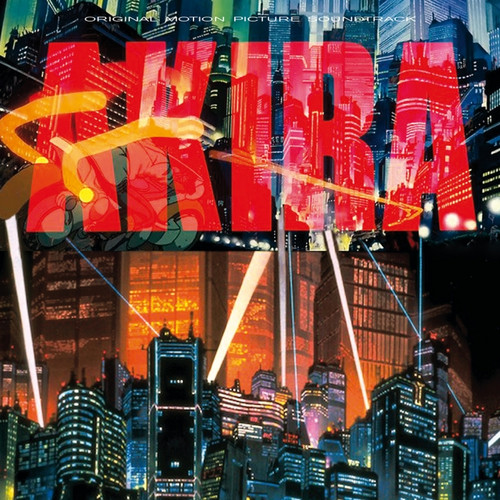
Akira O.S.T.
*2025 stock* The strength of the Akira soundtrack lies in its unique blend of traditional Japanese instruments and futuristic electronic sounds. Yamashiro weaves together an eclectic mix of influences, creating a sonic landscape that mirrors the dystopian and cyberpunk themes of the movie. The use of traditional chants, taiko drums, and shakuhachi flutes alongside electronic synthesizers and orchestral elements generates a hauntingly mesmerizing atmosphere that perfectly complements the visuals …
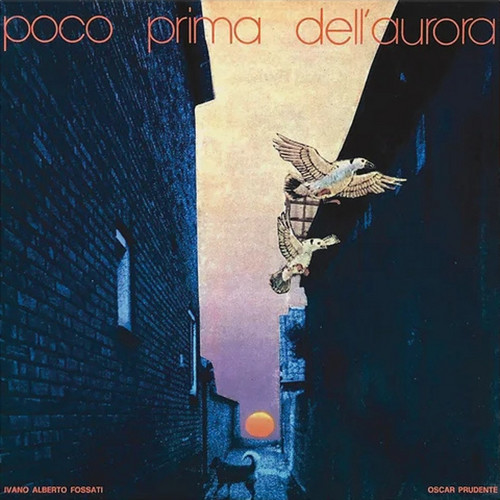
Poco Prima dell'Aurora
Poco Prima dell'Aurora represents a significant collaboration between Ivano Fossati and Oscar Prudente, released in 1973. This transitional album weaves together folk-pop textures and progressive echoes, reflecting the vibrant creativity of Italian songwriting in the early seventies. Marked by solid arrangements and lyrical depth, its enduring freshness lies in both its authenticity and the synergy between two distinct musical voices.
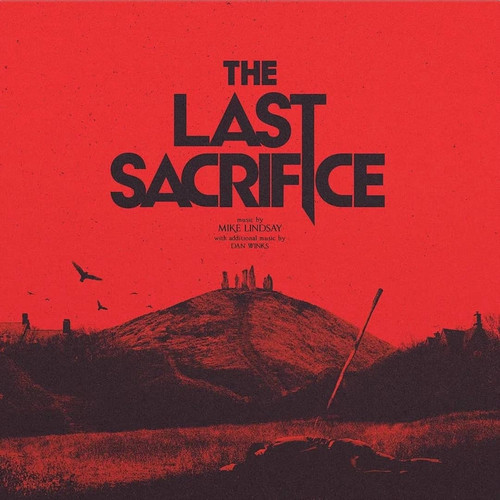
The Last Sacrifice
The Last Sacrifice by Mike Lindsay—co-founder of Tunng and the creative force behind Lump—offers a meticulously crafted folk-horror soundtrack that doubles as a standalone listening experience. Written as the audio companion to Rupert Russell's sinister true crime tale, Lindsay’s score winds through moods of spectral dread and rustic eeriness, shaped by analog warmth and otherworldly textures. The resulting album is immersive and haunting, deftly blending traditional English folk motifs with chi…
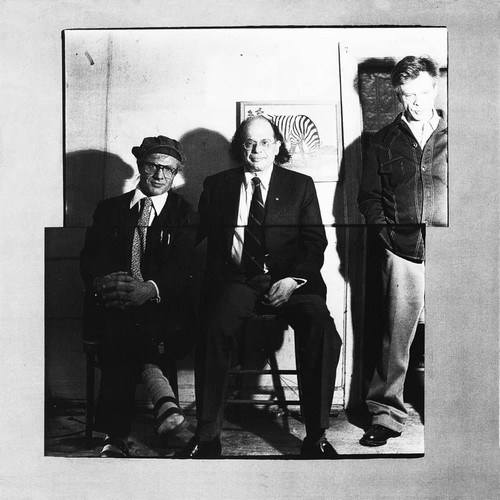
More Rags, Ballads, and Blues 1971-1985
More Rags, Ballads, and Blues 1971-1985 unveils Allen Ginsberg’s intimate musical experiments from the First Blues era, collecting rare recordings and performances in a candid, engaging tribute to his cross-disciplinary storytelling. Collaborations and unguarded rehearsal takes reveal the gentle wit, poetic fervor, and sonic curiosity that defined his work during these pivotal years.
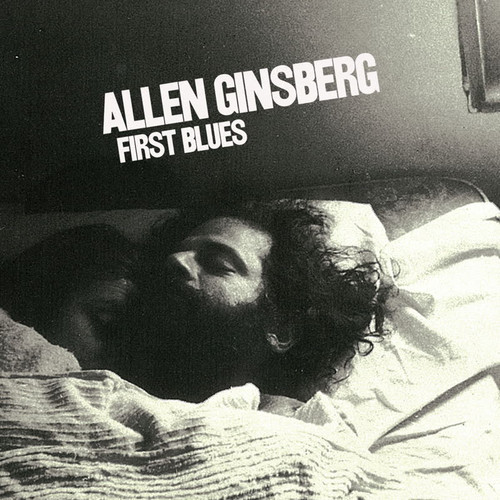
First Blues
"Rags, Ballads & Harmonium Songs. Chanteys, Come-All-Ye's, Aborigine Song Sticks. Gospel, Improvisations, Renaissance Lyrics, Blake Hymns, Bluegrass, Hillbilly Riffs, Country & Western, 50's R&B, Dirty Dozens & New Wave"
Allen Ginsberg's recorded opus gets its first ever full vinyl reissue on a gatefold double vinyl LP replete with photography by Robert Frank. Containing studio-recorded performances that he wrote, performed and taped in sessions taking place between 1971 and 1981 - featuring Bob…
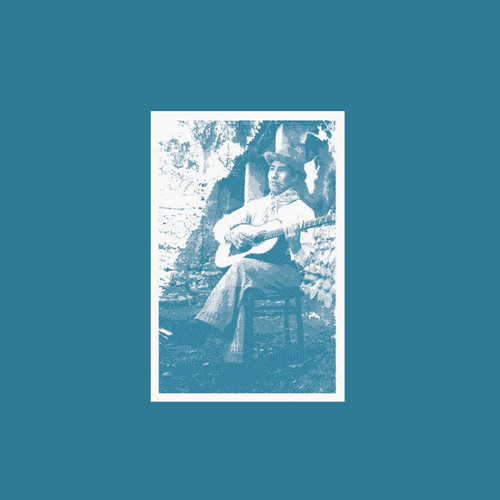
Reminiscences of Raktako: Huayno Guitar from Cuzco and Ayacucho, 1930-1940
Huayno has its roots in the Andes during the colonial era, when indigenous peoples began to blend their music with influences brought by European settlers. During this process the Spanish guitar naturally became very prevalent, incorporating the tunings, finger-style and rhythms of the traditional Andean harp along with it. The late Alberto Juscamaita Gastelú, known as Raktako, was a renowned guitarist, composer and mentor to generations of guitarists from his home in Ayacucho, southern Peruvian…
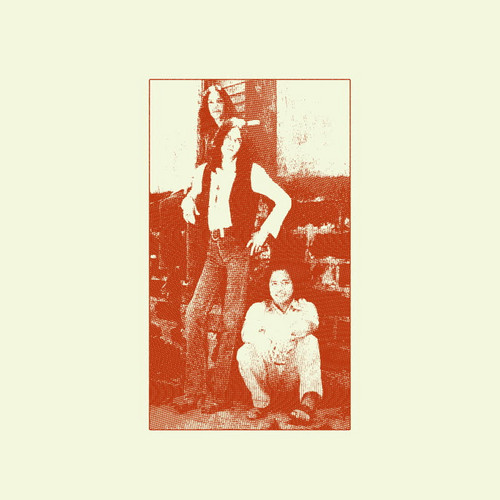
Pinoy Folk Rock
A 90 minute cassette-only mixtape taking in Filipino folk, rock, country & OPM from the 1970s, originally broadcast on NTS Radio back during the early months of the pandemic. One missed out of the collection of dinte radio shows committed to tape as part of 10 year anniversary celebrations last year.
Longing For The Shadow: Ryūkōka Recordings, 1921-1939
Emerging during the early stages of the recording industry in Japan, the ryūkōka style adopted western classical, blues & jazz elements into traditional and classical Japanese music.This collection of 1920s & 30s ryūkōka recordings follows on from the Kouta Katsutaro tape we put out a couple of years back, and further captures the hauntingly unique sound of a cultural merging that was starting to reflect itself via popular song, ahead of the widespread influence of western pop music during post-…
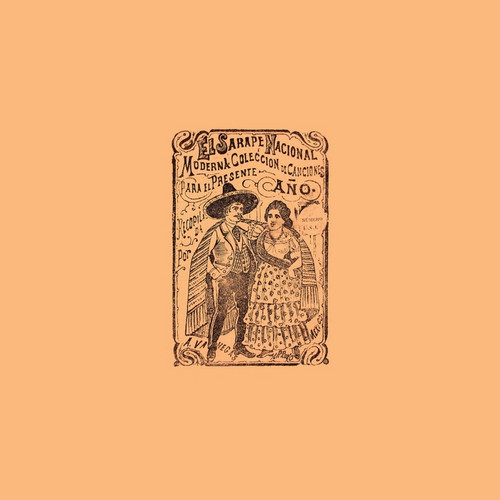
In Search of Revolutionary Voices: Mexican Wax Cylinder Recordings, 1900-1910
A collection of Mexican recordings dating from approximately 1900 to 1910. Corridos, zarzuelas, poetry, popular songs, police bands, solo harps & guitars, all taken from wax cylinders issued from the beginning of the 20th century through to roughly the start of the Mexican revolution.
Inspired by Dr. Fatima Volkoviskii's paper 'In Search of Revolutionary Voices: Performance Practices of Mexican Singers in Cylinder Recordings' delivered at the Early Recordings Association's 'Exploring Traditional…
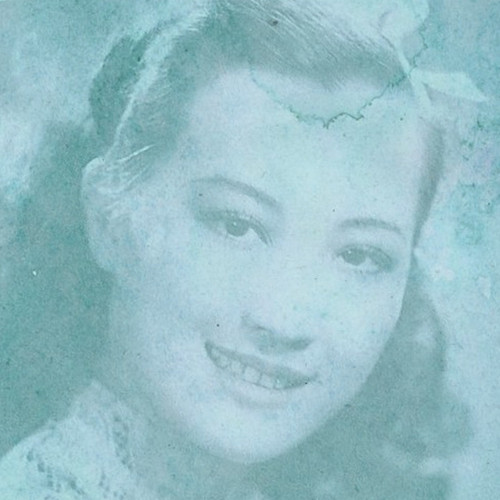
Waiting for Your Return: A Shidaiqu Anthology 1927-1952, Pt. I
Shidaiqu literally means "songs of the era", a term used to describe a hybrid musical genre that first began permeating through the cosmopolitan city of Shanghai in the late 1920s. Blending western pop, jazz, blues and Hollywood-inspired film soundtracks with traditional Chinese elements, the shidaiqu represented a musical and cultural merging that would go on to shape a golden age of Chinese popular song & film in the pre-communism interwar period.
Waiting for Your Return brings together a wide…
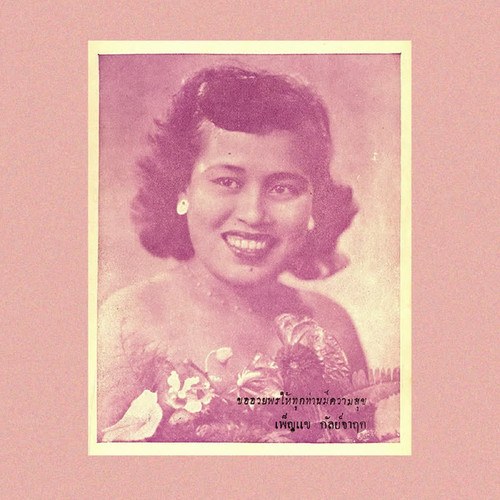
Begging the Moon: Phleng Thai Sakon & Luk Krung, 1945-1960
Begging the Moon is a collection focused upon an early-to-mid 20th century style of Thai popular song, commonly named Phleng Thai sakon (meaning "song which is both Thai and universal"). With recordings taken from the end of WWII until the start of the 1960s, many of these tracks may also be referred to as Luk krung (meaning "child of the city") a more urbanised style of popular song that is in contrast to the Thai country music known as Luk thung ("child of the field").
Following the Thai cultu…