We use cookies on our website to provide you with the best experience. Most of these are essential and already present.
We do require your explicit consent to save your cart and browsing history between visits. Read about cookies we use here.
Your cart and preferences will not be saved if you leave the site.

Horace Tapscott

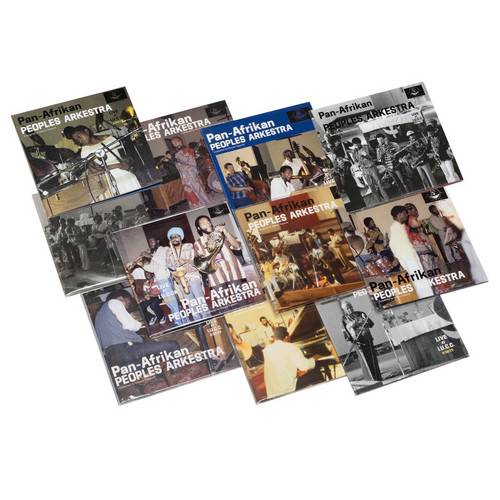
Horace Elva Tapscott (1934 - 1999) was an American jazz pianist and composer. He was something of a moral leader for California's free-jazz community. In 1959 he established the multimedia Pan Afrikan Peoples Arkestra, with the aim of preserving, developing and performing African-American music. As his vision grew, this became just one part of a larger organization in 1963, the Underground Musicians Association and led the ensemble through the 1990s.
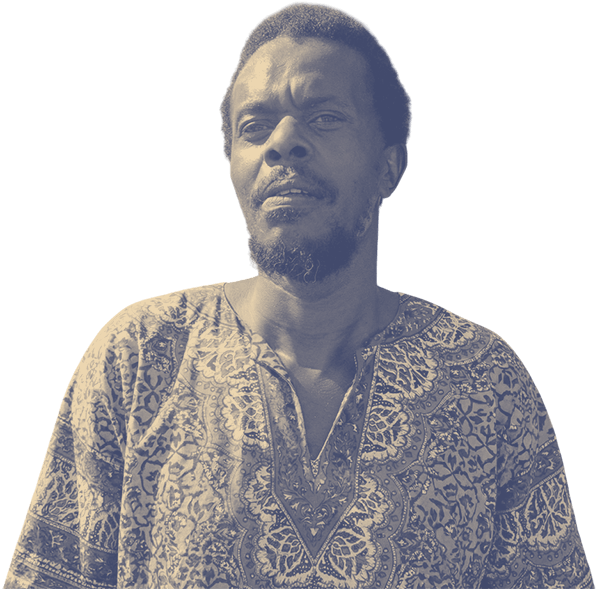
Horace Elva Tapscott (1934 - 1999) was an American jazz pianist and composer. He was something of a moral leader for California's free-jazz community. In 1959 he established the multimedia Pan Afrikan Peoples Arkestra, with the aim of preserving, developing and performing African-American music. As his vision grew, this became just one part of a larger organization in 1963, the Underground Musicians Association and led the ensemble through the 1990s.
The Tapscott Sessions Vol. 8
Solo piano from the heart of the Los Angeles underground. Horace Tapscott completely alone at the keyboard, recorded in the early '80s when the Nimbus label was documenting his every move. This is contemplative music of the deepest order - yet the closing piece devastates. "As A Child", Tapscott's own composition dedicated to Adele Sebastian who died just four days before this recording in 1983, aged only 27. She was a pillar of the Pan Afrikan Peoples Arkestra, and this was her favorite Tapscot…
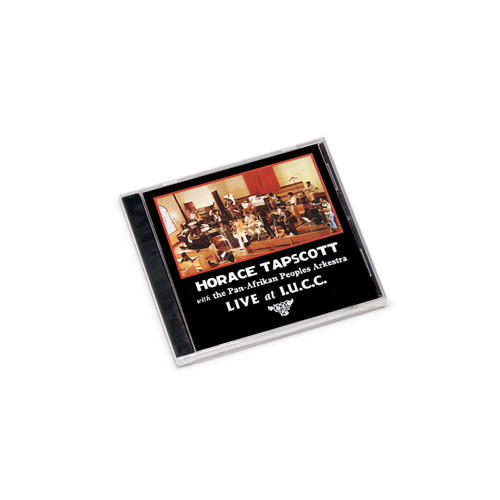
Live at IUCC
The only live recording the Pan-Afrikan Peoples Arkestra ever released - and arguably the most complete document of this extraordinary musical community in full flight. Recorded between February and June 1979 at the Immanuel United Church of Christ on 85th & Holmes in Los Angeles, where P.A.P.A. played every second Sunday, developing their sound and building an audience rooted in the community. As a culturally radical, communal big band with a visionary approach to American Black music, the Arke…
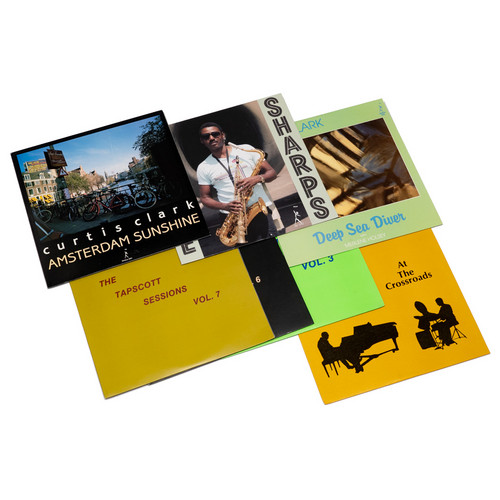
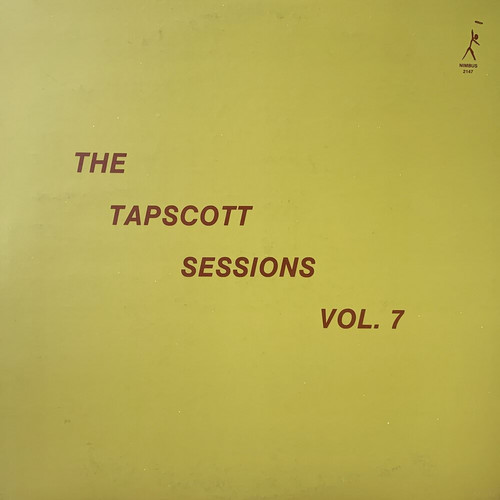
The Tapscott Sessions Vol. 7
Geography lesson: "Riding the San Andreas" - living on a fault line, waiting for the shake. "Southwester Avenue Shuffle" - street-level LA, the neighborhood Tapscott never left. "On the Nile" - Africa, always Africa, even from a piano bench in South Central. Then the portraits: "Amanda's Tone Poem," "Sonnet of Butterfly McQueen" - dedicated to the actress who refused to play maids after Gone with the Wind, who said no when no was dangerous. "Yesterday's Dream" looks back. Thelonious Monk's "'Rou…
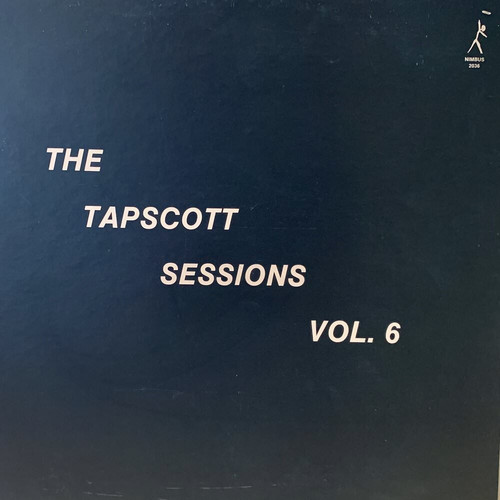
The Tapscott Sessions Vol. 6
October in Los Angeles. Horace Tapscott sits down, plays for 38 minutes, gets up. No audience, no applause. Just Tom Albach and his tape machine. This is how monuments get built - one session at a time, one composition at a time, nobody watching. "Ancestral Echoes" opens - nearly thirteen minutes tracing lineages back through time, the piano as time machine. Then Roy Porter's "Jessica," a beautiful detour into someone else's melody, proof that Tapscott could interpret as powerfully as he compose…
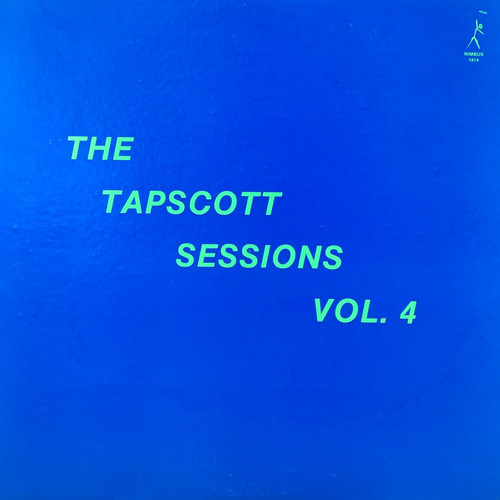
The Tapscott Sessions Vol. 4
Solo (Steinway) piano. Los Angeles, September 1982. Just read the titles: "A Dress for Renee" - infectious melody, keeps coming back like a persistent thought. "Shades of Soweto" - South Africa seen from South Central. "The Hero's Last Dance" - whoever that hero was. "First Call of the Humming Bird" - nature breaking through concrete. And then "Forgiving" - as a closing statement, as a breath. Horace Tapscott was a fierce critic of racial bigotry, and his music never hid it. But here there's als…
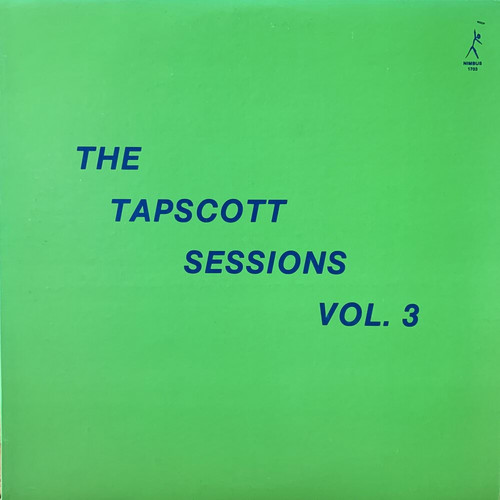
The Tapscott Sessions Vol. 3
Solo piano. Recorded March 1983, Los Angeles. Five pieces, forty-one minutes. Where Sun Ra meets Erik Satie. This is the third volume in what would become Tapscott's monumental series of solo recordings - over thirty hours captured between 1982 and 1985, documenting his own compositions alongside works by unknown Black composers in the Los Angeles area. Producer Tom Albach considered these the most important music Horace Tapscott ever made. The titles read like chapters from a life: "The Tuus," …
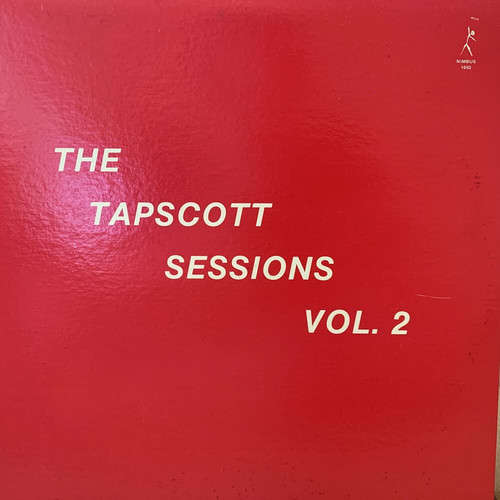
The Tapscott Sessions Vol. 2
Solo piano. Recorded November 15, 1982 at the Lobero Theater, Santa Barbara. A Steinway piano and one man's soul, nothing else. Producer Tom Albach believed the solo sessions were the most important music Tapscott ever made. Between 1982 and 1985, over thirty hours of solo piano were captured - Albach made it his life's mission to release them all. This is volume two, and it cuts deep. The centerpiece: "Struggle X, An Afro-American Dream" - nearly twenty minutes of Tapscott wrestling with the un…
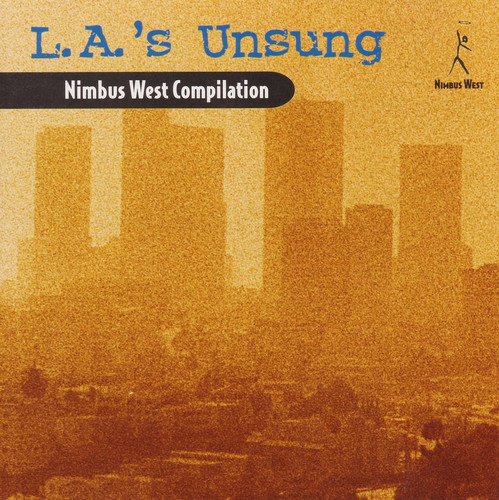
L.A.'s Unsung
Nine rare tracks from the Nimbus West archive, a map of Los Angeles underground jazz the world never heard enough of. Horace Tapscott, Nate Morgan, Jesse Sharps, Dadisi Komolafe, Roberto Miranda - the names that built UGMAA and the Pan Afrikan Peoples Arkestra, the movement that kept spiritual jazz alive in South Central for decades while the music industry looked elsewhere. "Desert Fairy Princess," "U.G.M.A.A Ger," "Prayer Of Happiness," "Mrafu," "Calvary" - titles evoking the Pan-African consc…
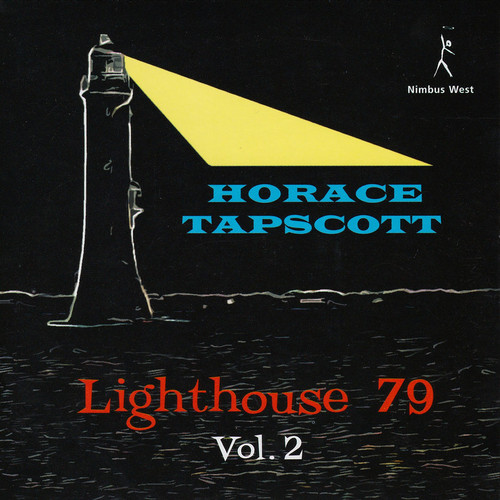
Lighthouse 79, Vol. 2
The second night. October 11, 1979. Same club, same sextet, completely different energy. Where Volume 1 leaned heavily on UGMAA repertoire, this follow-up session finds Horace Tapscott diving deep into the Great American Songbook with results that border on the transcendent. The personnel remains unchanged from the previous evening: Reggie Bullen on trumpet, Gary Bias on alto, the twin-bass attack of Roberto Miranda and David Bryant, and George Goldsmith holding down the drums. But the setlist t…
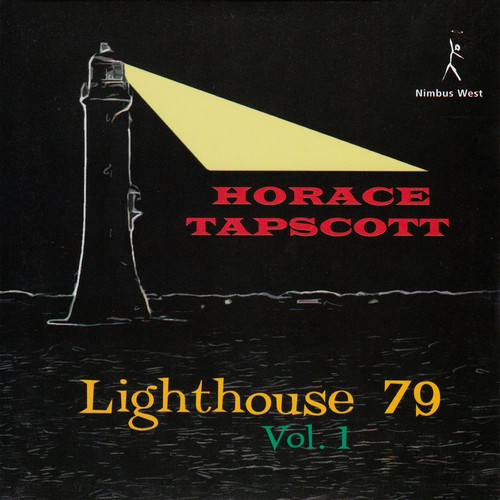
Lighthouse 79, Vol. 1
Recorded on October 10, 1979 at the legendary Lighthouse in Hermosa Beach, California, this unearthed treasure captures Horace Tapscott in the very temple of West Coast jazz, the club where Charlie Parker, Miles Davis, Chet Baker, Lee Morgan, and Elvin Jones had left their mark in previous decades. Under Rudy Onderwyzer's management, the Lighthouse continued hosting music of the highest caliber, and this evening stands as irrefutable testimony. The sextet reunites some of Tapscott's most trusted…
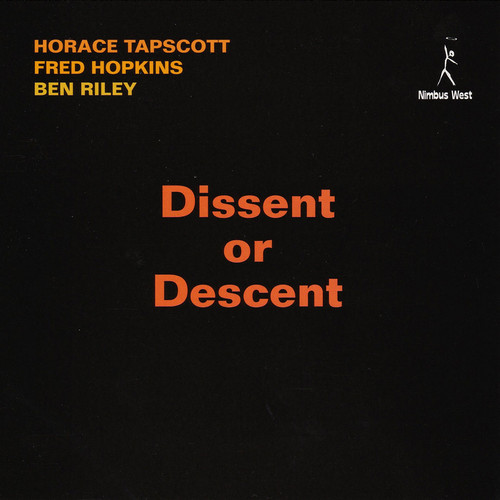
Dissent Or Descent
In 1979, Horace Tapscott traveled to New York and recorded In New York with Art Davis on bass and the immortal Roy Haynes on drums. That album captured something approaching magic - a West Coast visionary meeting East Coast rhythm masters on neutral ground. Five years later, Tapscott returned to NYC for another trio date. The results sat in the vaults for fourteen years. Dissent Or Descent pairs Tapscott with Fred Hopkins on bass and Ben Riley on drums - two musicians whose credentials need no e…
The Tapscott Sessions Vol. 11
The final volume in the Tapscott Sessions series, Vol. 11 is gentler than some of its predecessors - stretched out and moody, with a contemplative feel that rewards patient listening. Twelve tracks recorded in 1982, released twenty-five years later as Tom Albach continued excavating the Lobero Theatre archive. What distinguishes this installment is the breadth of its sources. Tapscott opens with Horace Silver's "Nica's Dream," moves through the Mexican standard "Bésame Mucho," then lands on Sun …
The Tapscott Sessions Vol. 10
Drawn from two different recording sessions at the Lobero Theatre, The Tapscott Sessions Vol. 10 showcases Horace Tapscott in an especially exploratory mode. Nearly all original compositions here - "Miguel," "Roses In Bloom," "First Love," "Searching," "Upside Down," "Maya & Me" - hauntingly introspective pieces performed with a sense of creative searching that's incredibly powerful despite the absence of other instrumentation. The album runs seventy-five minutes. That's a significant amount of …
The Tapscott Sessions Vol. 9
Between 1982 and 1985, whenever Horace Tapscott felt ready, Tom Albach would hire an engineer, a crew, and a mobile sound truck to record him at the Lobero Theatre in Santa Barbara. Sessions typically ran between 2 and 4 a.m., when auto traffic fell quiet and the room's natural acoustic could breathe. Albach believed these solo recordings represented his greatest accomplishment as a producer - a conviction some found puzzling given its commercial futility. Solo piano albums by unknown pianists p…
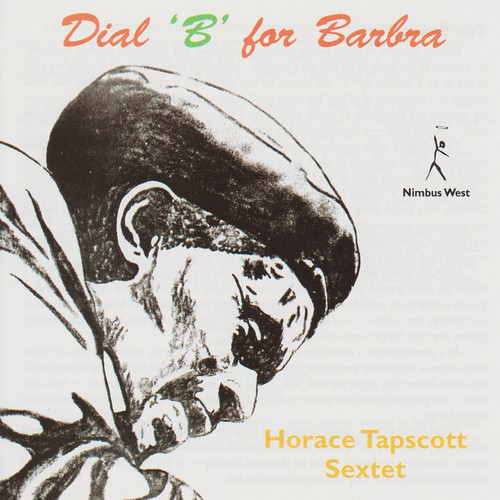
Dial ‘B’ For Barbra
Recorded on February 26, 1980 at United-Western Studios in Hollywood, Dial B For Barbra stands as one of the absolute peaks of Horace Tapscott's output for Nimbus West. Following his monumental orchestral sessions with the Pan-Afrikan Peoples Arkestra, Tapscott here condenses his vision into a sextet of extraordinary cohesion, achieving with just six musicians the same sonic vastness of his larger ensembles. The album opens with "Lately's Solo," where Tapscott weaves Miles Davis's "Milestones" t…
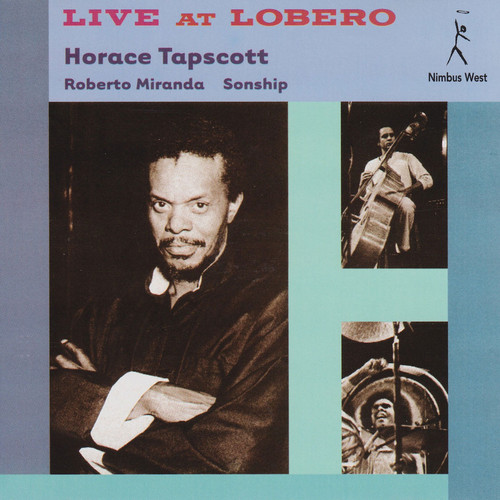
Live at Lobero
The Lobero Theatre in Santa Barbara, built in 1872 by local composer José Lobero, has witnessed over a century of California cultural history. On the night of November 12, 1981, it became the site of one of the most powerful trio recordings in the Horace Tapscott discography. Tom Albach captured it all for Nimbus West. The group is a study in complementary forces. Roberto Miranda, born in New York to Puerto Rican parents but raised in Los Angeles since the mid-1950s, had been a member of UGMAA a…
I Want Some Water
Twenty years in a vault. That's how long I Want Some Water waited before anyone outside of a Los Angeles studio could hear it. Recorded on April 29 and May 3, 1980, at United Western in Hollywood, it wasn't released until 1999 - a small CD run that most collectors never saw. The vinyl pressing came forty years after the tapes were made. Billie Harris was born in Laurel, Mississippi, on February 15, 1937. He picked up the saxophone at fourteen, served four years in the Air Force, and landed in Lo…
Flight 17
Seventeen years. That's how long it took the Pan-Afrikan Peoples Arkestra to make their first record. Founded in 1961 by Horace Tapscott as the Underground Musicians Association, the orchestra had weathered the Watts uprising, the ferment of the Black Arts Movement, a decade-long residency at the Immanuel United Church of Christ - all without committing a single note to vinyl. Not for lack of industry interest, but by choice: Tapscott wanted to build a community, not a recording career. It was T…
The Call
For nearly two decades, Horace Tapscott and his Pan-Afrikan Peoples Arkestra made music without making records. They played in parks, on street corners, at fundraisers, churches, community centers - anywhere the people needed them. While the rest of the jazz world chased contracts and critics, Tapscott was building something else entirely: an ark for the Black arts in the heart of Los Angeles. The story of The Call is inseparable from this larger project. When long-time jazz devotee Tom Albach f…
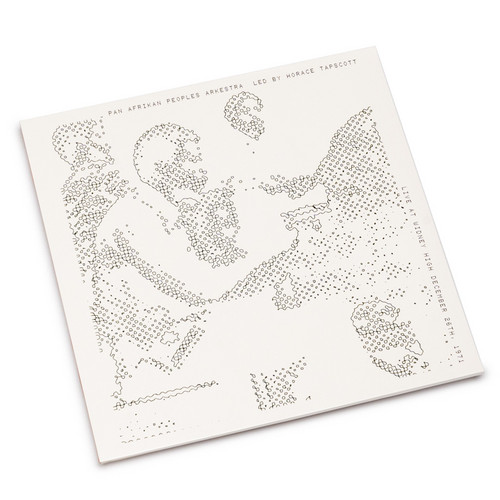
Live at Widney High December 26th, 1971
On a Sunday in the early 70s in South LA, you could easily find yourself standing in a high school auditorium, watching Horace Tapscott conduct the Pan Afrikan Peoples Arkestra as they poured out music like a benediction. No tickets, no VIP list—just the community, gathered. This was music as civic duty, as spiritual practice, as revolution by other means. Live at Widney High December 26th, 1971 captures one such afternoon, previously unreleased and now arriving like a dispatch from a parallel u…
1 2 3