
Back in stock
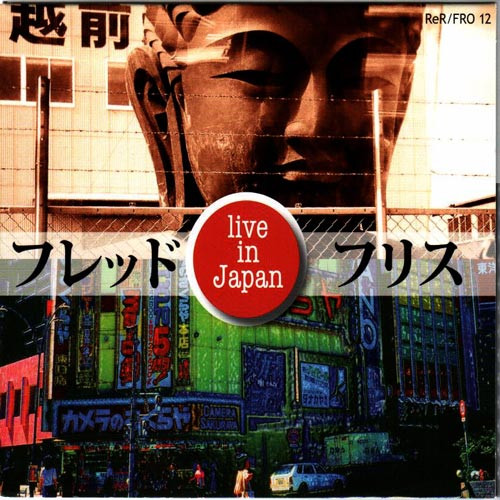
Live In Japan
Concert recordings made at various venues in Japan in 1981 and released by Recommended Records Japan in 1982 in an edition of 1000. Out of print since, though highly sought after, it has now been transferred and remastered by Tom Dimuzio for this official reissue.
Fred was just starting out on his long career as a solo improviser when he made this double LP, and still using the now long retired Charles Fletcher custom double-neck guitar (one fretted, one fretless) and the Burns Black Biso…
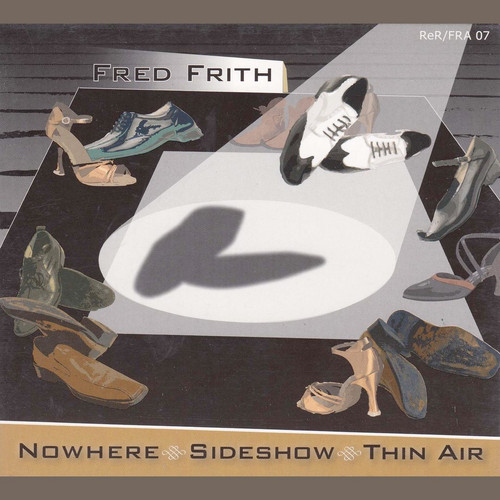
Nowhere Sideshow Thin Air
This is Frith's sixth CD of music for dance, featuring three commissions by three different choreographers each sharing, as Fred says ' a certain obsession with melodic deconstruction.' Two of them feature - and were especially written for - the remarkable violinist Carla Kihlstedt.
Fred and Carla perform one of them (Fred playing a huge array of instruments here as on all pieces), are joined by Fred Guiliano, (samples) and Gail Brand (trombone) on another, while the third features Fred, …
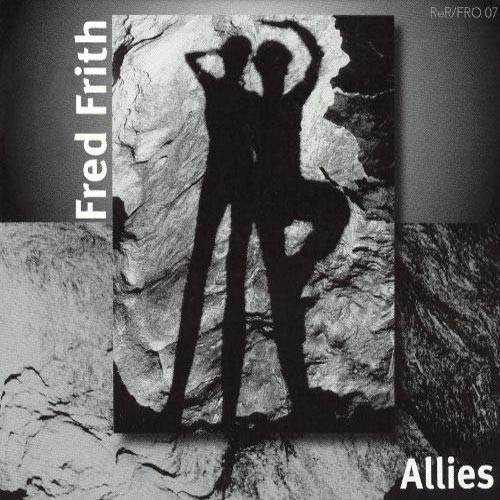
Allies
For an artist known for incredible prolificacy and the seeming instantaneousness of his work, Fred Frith's ballet score Allies has managed to acquire a long and checkered history. Created in 1989 for the post-modernist Bebe Miller Dance Company, Allies appears near the start of a period where Frith began to separate his efforts in multi-movement works designed for dance, theater productions, and film from the short, improvised guitar pieces and work within rock styled ensembles that he had…

Guitar Solos
Although it was originally recorded in 1974, there are pieces on Fred Frith's landmark Guitar Solos album that are probably still making guitar players scratch their heads wondering "How did he do that?" Don't expect any kind of Yngwie Malmsteen-style wankage; Frith instead uses a volume pedal, tapping, and other extended techniques to produce everything from chiming, bell-like notes to unearthly howls. It almost never sounds like standard guitar-with-plectrum playing, but the pieces have a …
Cheap at Half the Price
Frith's last album for Ralph Records stepped back from the progressions of Speechless to a concoction of pop-like ditties and instrumentals recorded at home on a four track. And for the first time, Frith sings, in a strange high-pitched tone. A little more production and sound manipulation and this could almost be a Residents album, circa 1978. As a pop-song writer, Frith is okay; he shrouds socialist discussion in lyrics about dogs and insects while keeping the song structure simple and r…
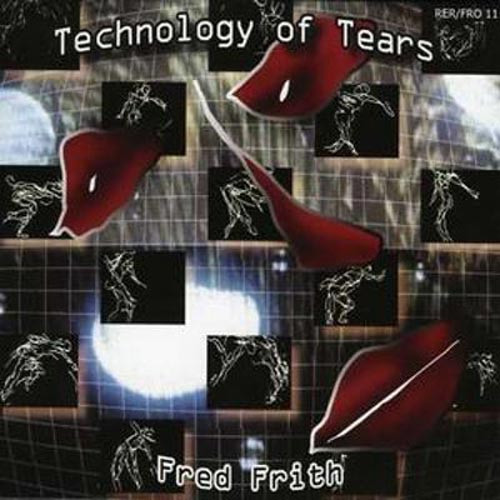
Technology of Tears (And Other Music for Dance)
"Sadness, Its Bleached Bones Behind Us," and "You Are What You Eat" are unrelenting slices of hard-edged sounds over a pulse. "The Palace of Laughter, The Technology of Tears" is an imaginative, intense, varied suite comparing music which represents the past "frozen tears" of sadness -- displayed as images before us by the media, etc. -- with the "hot tears" of the moment that cannot be absorbed by technology. "Jigsaw" and "Jigsaw Coda" (1986) creates patterns with constantly shifting acc…
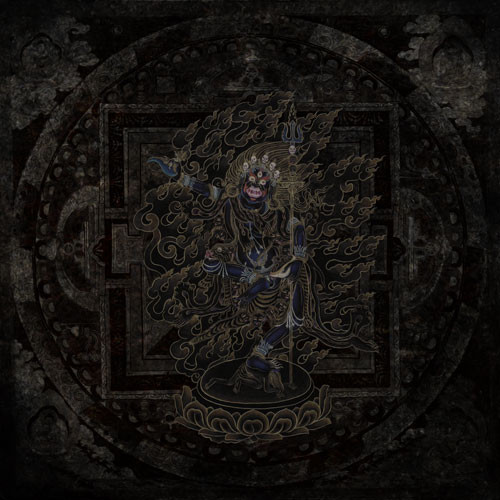
Teachings of Eastern Traditions
The alignment of two esoteric/ritual dark ambient minds. The woven threads of the lunar goddesses manifold thrice around the solar temples of Samadhi. The lodge of Shibalba and the circle of Phurpa have stepped beyond the crimson shores of Malkuth to unite the mysteries of Vama Marga with the unique tradition of Bon. Limited to 300 copies with download code.
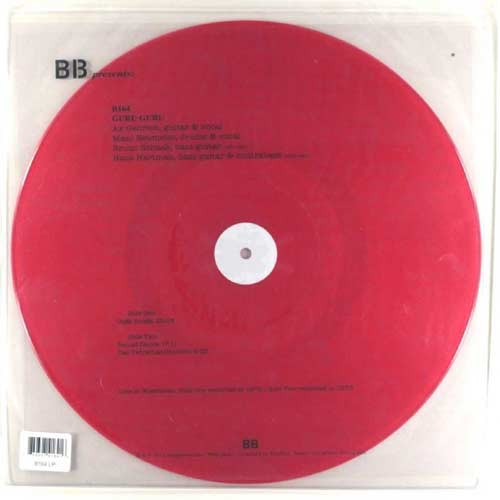
Live In Wiesbaden 1972/73
In 1972 Guru Guru played the Wiesbaden Concert Hall where Neumeier, guitarist Ax Genrich and bassist Bruno Schaab (who had recently replaced Uli Trepte) let loose on one of their most classic tracks, the a 37-minute freakout “Ooga Booga”. In 1973 the discerning folks of Wiesbaden again invited Guru Guru to play, and this time the band—now featuring the formidable Hans Hartmann (arguably Guru Guru’s best in a long line of bass players)—regaled fans with tracks from their recently released …
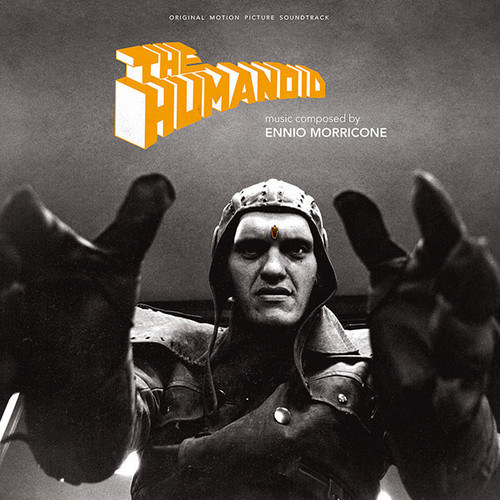
L'umanoide
For the 1979 cult sci-fi movie L'umanoide (The Humanoid), directed by Aldo Lado (credited as George B. Lewis), the legendary Ennio Morricone composed a score of catchy, futuristic, synthesizer-based arrangements with great electro-orchestral disco grooves and dissonant atmospheric soundscapes, marking quite a departure from his usual style. This is the first release of the complete soundtrack on vinyl. Limited edition of 1000 transparent blue LPs.
"A weird later Ennio Morricone soundtrack – and …
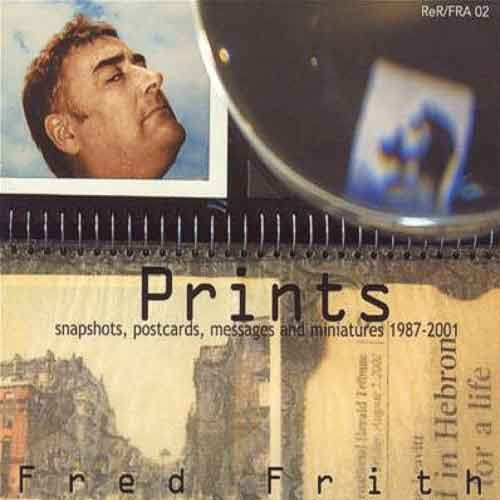
Prints - Snapshots, Postcards, Messages And Miniatures 1987-2001
The short story: Prints is Fred Frith's first album of songs in 20 years. The long story: it is actually a collection of compilation tracks and unreleased studio sessions recorded between 1987 and 2001. No matter if you already own a few of these, a pop album by this man is a rarity -- and that is truly a shame. Of course, as a respected improviser, serious composer, and educator, anything lighter from this pillar of modern music will meet with severe criticism from people who take themse…
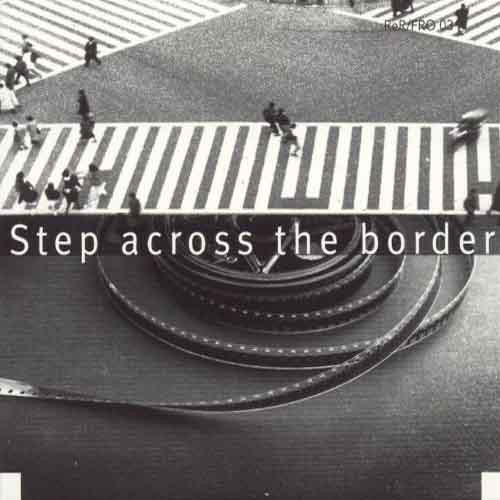
Step Across The Border
Although this is technically the soundtrack to a film of the same name by Nicolas Humbert and Werner Penzel, Step Across the Border actually serves as an excellent overview of Fred Frith\'s groundbreaking work as a soloist, bandleader, and collaborator. There\'s an example of his \"guitars on the table\" approach (\"Romanisches Cafe\"), and a couple of excellent duos with tape manipulation whiz Bob Ostertag (\"Voice of America, Pt. 3,\" from the lost and lamented Voice of America album they m…
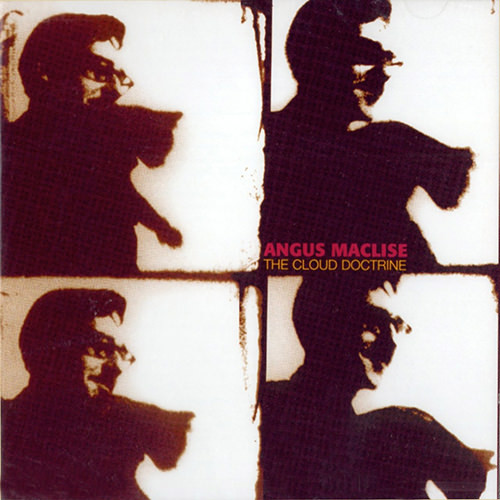
The Cloud Doctrine
Restocked: Sub Rosa presents a real sensation: 159 minutes of minimal electronic music, readings, and soundtracks from the archives of composer, poet, occultist, calligrapher, and original Velvet Underground drummer Angus Maclise from 1963-1976, featuring Tony Conrad, John Cale, Piero Heliczer, Beverly Grant Conrad and Hetty Maclise. This deluxe 2CD set features rare music, performances, soundtracks, and spoken word by this seminal poet and musician who was active in the New York avant-gar…
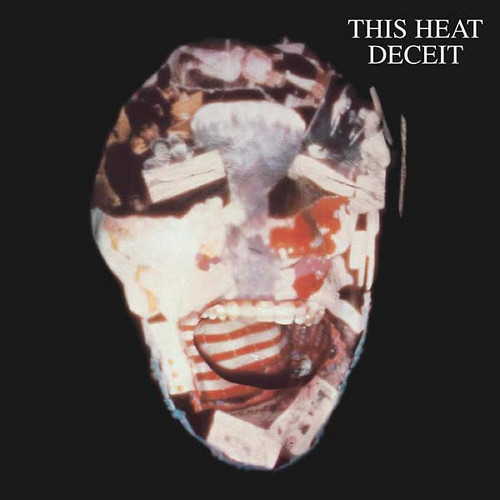
Deceit
Repressed, second edition. Another essential reissue, This Heat’s classic Deceit completes an official trilogy of vinyl reissues from their seminal and hugely influential run of late ‘70s/early ‘80s recordings which set the template for so, so much avant-rock, noise and experimental music ever since. With their debut album and follow-up maxi single Health and Efficiency, This Heat sowed the seeds of post-punk, avant rock, noise rock and post-rock, placing the trio -- Charles Bullen, Charles…
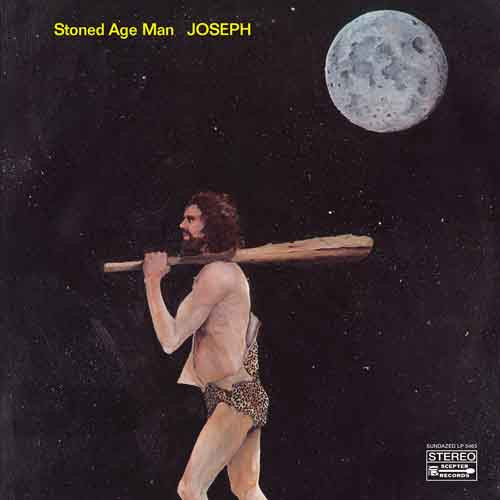
Stoned Age Man
Rooted in the steamy backroads of Texas and deep-fried at a Memphis recording studio, Joseph’s Stoned Age Man was served up like a sizzling hot rattlesnake appetizer slathered in fuzz-blooz grease in 1969. Legend has it that the titles of eight of the album’s nine songs came before they were written on the spot, which speaks volumes for the talents of Joseph (aka, Joseph Longeria) — who A&R man Steve Tyrell signed to Scepter Records after witnessing the Lone Star State bluesman gig with B…
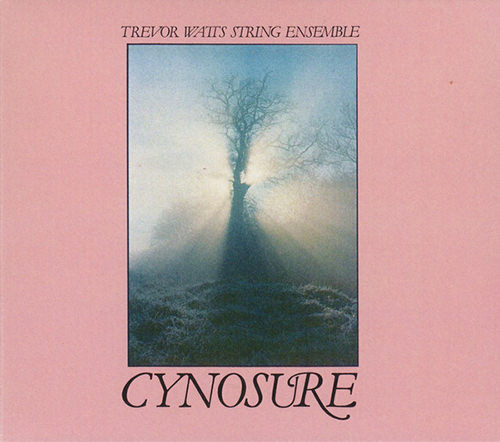
Cynosure
When 20-something saxophonist Trevor Watts was demobbed from the RAF in the early 60s, he moved to London and co-founded the Spontaneous Music Ensemble. Although clearly aware of Ornette Coleman’s new conception of Jazz in America, he soon developed his own, more fluently inclusive style, filtering and synthesising the history of jazz saxophony like few others—David Murray is one obvious counterpart in that respect—and giving it a personal twist. He also developed a unique conception of musical …
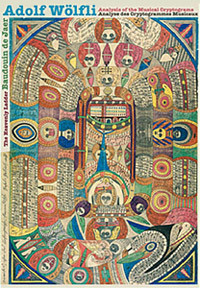
The Heavenly Ladder
Awesome hardcover book containing an in-depth analysis (plus an actual performance on the accompanying cd) of Adof Wölfli’s music by Baudouin de Jaer. Subtitled: Analysis Of The Musical Cryptograms. Belgian composer Baudouin de Jaer was completely moved by the artistic and human dimensions of the mystery surrounding the gigantic and universal body of work created by Adolf Wölfli within the Waldau hospital in the early 20th century. He managed what none other had accomplished before: to decode …
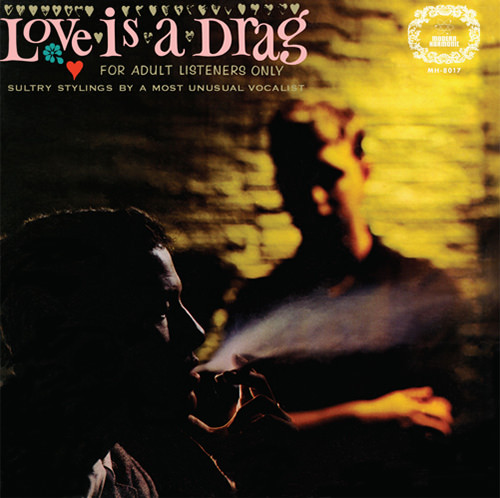
Love Is A Drag - For Adult Listeners Only
A once shocking 1962 record of love songs… by men, for men. A long lost treasure featuring the cool & sophisticated vocals of Gene Howard and a cast of prime studio jazz musicians, performing a set of standards sung to a male suitor. Ahead of its time in every way. A fantastic, once-shocking album finally sees reissue - and brings with it the answer to a half-century mystery! Case file: A big band vocalist, a Hollywood photographer, and an LGBT music and history archivist - they are the heart o…
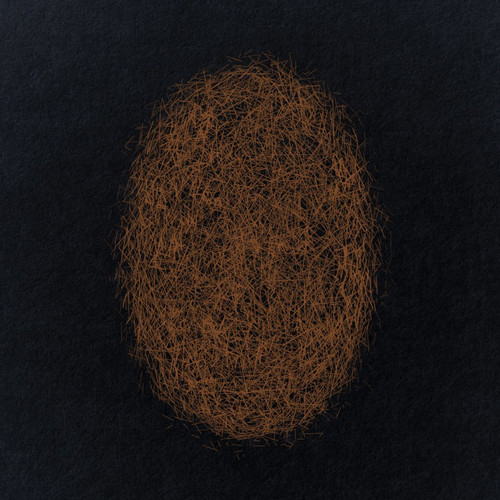
Last Signs Of Speed
Empty Editions present Eli Keszler's Last Signs Of Speed as their inaugural release. This release has represented a labor of love for both Eli and the label. Last Signs is Eli's first solo release since 2012's Catching Net (PAN 032CD) and explores a very different side of his unique acoustic universe. One in which the macro-cosmic percussive collisions of his earlier work give way to a gradual unfolding of dub-influenced rhythmic constellations. Eli has described Last Signs as his response to pl…
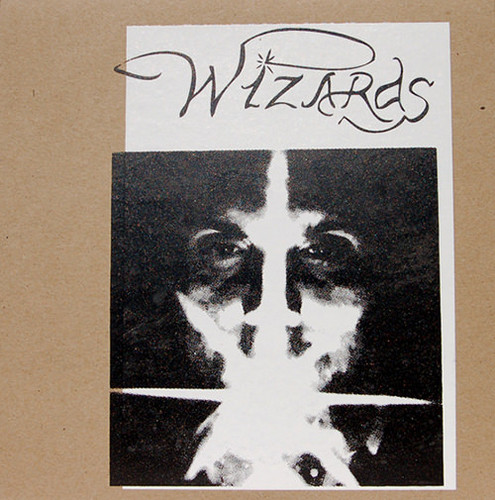
Wizards
With so much being made of current practitioners of the Kosmiche/New Age vibe here's your opportunity to hear an original. Original copies hardly ever surface and even the 2007 repress (which sounded quite thin) commands quite a fee on internet auction sites. This straight analog pressing sounds as close to the original master tapes as you can get. 500 made. Pressed at RTI."If you have been wondering what all the fuss about "private press new age" is, go here to find out. Your mind shall be subt…
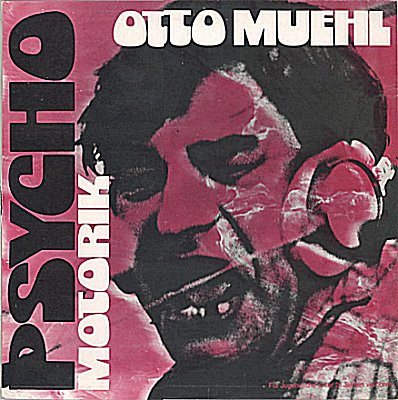
Psycho Motorik
JUST ARRIVED! Mmmm, darned if I don't adore the truly wondrous, yummy world of Otto. Viennese Aktionist who, along with Hermann Nitsch, Gunter Brus & a few pals decided that painting had become boring & they would do well to make it more visceral. Shortly thereafter, Otto, who seemed to see the whole world like a big ball of playdoh, began to appear in his own films & others'; pouring ketchup into vaginas, breaking eggs onto pretty girls' boobs, having Barry White-style sex with a goose, poking …