Skip to content

Stockholm 1977, Freiburg 1981: Gruppo di Improvvisazione Nuova Consonanza live

Words by Bradford Bailey

Two complete concerts by Gruppo di Improvvisazione Nuova Consonanza, Stockholm 1977 and Freiburg 1981, never released before and entirely acoustic, on a 4LP set by Die Schachtel in a six-panel gatefold cover.

Read →

Features

Essays, interviews, portraits

Notes, Almanac and Field Notes

Almanac
22 November
Paul Motian died today in 2011, at Mount Sinai Hospital in New York, aged 80. On 16 September 1992, at the Deer Head Inn in Pennsylvania, he played with Keith Jarrett and Gary Peacock, the only time that trio played together. On At The Deer Head Inn his cymbals stay light and metallic, and nobody fights for the solo. Tribute, recorded in 1974, is the less known one: two guitars, Charlie Haden on bass, and a sleeve that never says who the tribute is for.
Until 1973 Morton Feldman earned his living in his family's textile business in Manhattan's Garment District. That year, aged 47, he began teaching at the University at Buffalo, where he later held a chair he named after Edgard Varèse. Two years earlier he had written Rothko Chapel for the building that houses Mark Rothko's paintings.
Monk's Casino, three CDs released by Intakt in 2005, covers the complete compositions of Thelonious Monk. Alexander von Schlippenbach recorded it live at the A-Trane in Berlin on four dates in June 2003 and February 2004, with Axel Dörner on trumpet, Rudi Mahall on bass clarinet, Jan Roder on bass and Uli Jennessen on drums.
Dispatch10 November
San Francisco: Other Minds has named Brian Baumbusch its executive director from 1 January 2027, with the composer Joseph Bohigian as artistic director. They take over from Charles Amirkhanian, who co-founded the organisation and has led it for 33 years. Baumbusch, on the board since 2019, builds his own instruments and tuning systems, and Amirkhanian calls him fearless with intonation and rhythm: Polytempo Music is where to hear it. For Amirkhanian's own work, start with Lexical Music.
Henri Chopin worked his audio-poems directly on the tape machine: on a second-hand recorder he pushed matchsticks into the erase heads, or interfered with the tape path by hand. From 1964 to 1974 he also edited OU, a review whose issues brought together recordings, texts, images and screenprints.
Cybersonic is the word Gordon Mumma chose for music that runs on circuitry he designed himself, used both in the composition and on stage. Hornpipe, from 1967, is for cybersonic French horn; on the recording Mumma plays waldhorn, valve horn and reed horn. In Ann Arbor he had co-founded the Cooperative Studio for Electronic Music and the ONCE festivals.
Threads
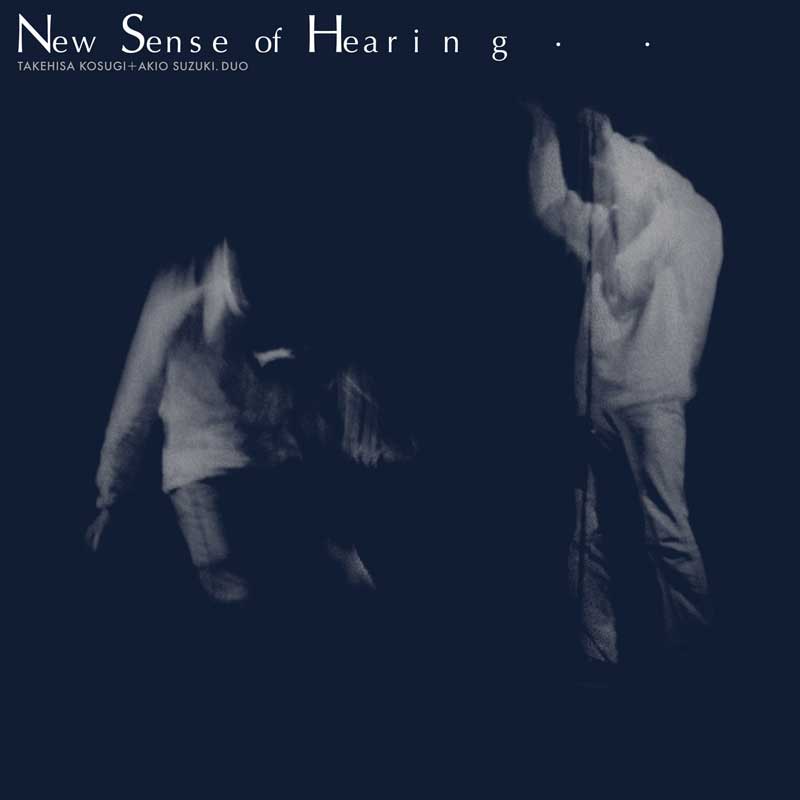
From Kosugi to Mikami, in four records
  1. Takehisa Kosugi and Akio Suzuki improvise in an empty Tokyo hall, April 1979: New Sense of Hearing.
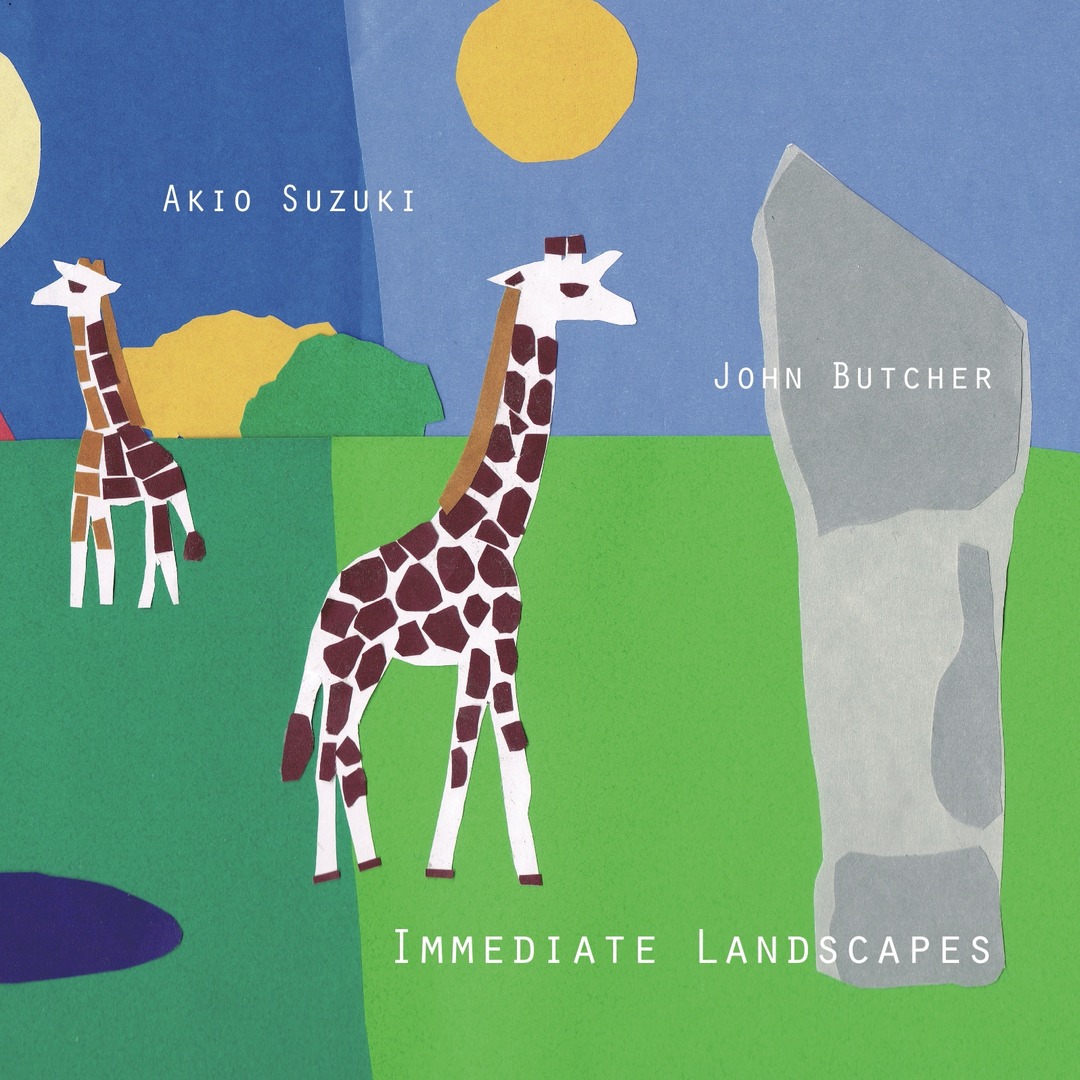
  2. Suzuki takes his homemade instruments around Scotland with John Butcher in 2006, playing an underground reservoir and the Hamilton Mausoleum: Immediate Landscapes.
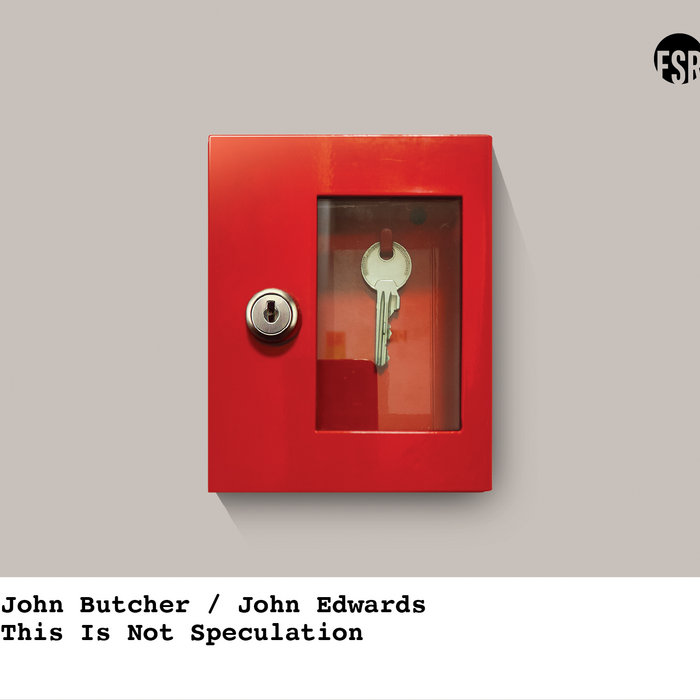
  3. Butcher sits down with the bassist John Edwards, his partner of many years on the London scene: This Is Not Speculation.
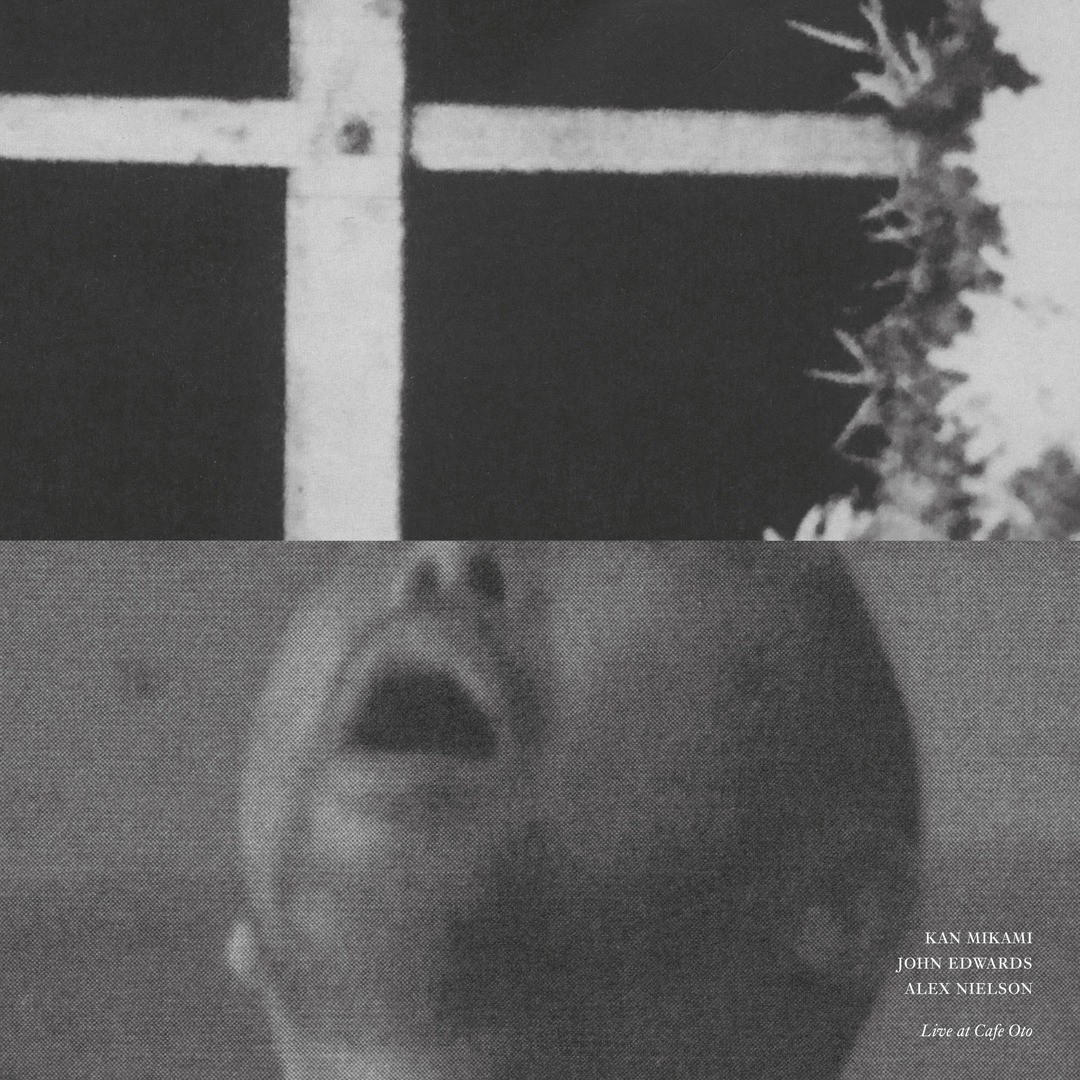
  4. Edwards and Butcher play behind Kan Mikami, the bluesman from Japan's rural north, at Cafe Oto: back to Japan by way of London.
Misha Mengelberg was born in Kiev in 1935, son of the conductor Karel Mengelberg and grand-nephew of Willem Mengelberg. While at the Royal Conservatory in The Hague he was associated with Fluxus, and in 1961 he won the Gaudeamus composers' award. In 1967 he co-founded the Instant Composers Pool with Han Bennink and Willem Breuker.
On Mister Rogers' Neighborhood in 1968, Bruce Haack showed a homemade instrument packed in a suitcase and played by touching the skin. Fred Rogers named it the Musical Computer. By then Haack had been making records for children with the dance teacher Esther Nelson for several years, starting with the Dance, Sing, and Listen series.
Takehisa Kosugi formed the Taj Mahal Travellers in 1969, an improvising group that drove a Volkswagen van from the Netherlands to India, with stops in Europe and Iran. In 1977 he joined the Merce Cunningham Dance Company as resident musician alongside David Tudor, and from 1995 he was its music director until the company disbanded at the end of 2011.
Imprint
A small Belgian label with a clear brief: electronic and instrumental avant-garde music of the twentieth century, preferably never released before, with a soft spot for Belgian composers. It also looks after the archive of the percussionist Michael Ranta, and lately it has opened a window on Romania. Five records to start from:
When Randolph Bromery recruited Archie Shepp to the University of Massachusetts in 1971, it was the start of thirty years as a professor of music. His first courses were called Revolutionary Concepts in African-American Music and Black Musician in the Theater. The saxophonist also wrote plays: The Communist was staged in 1965 at the Chelsea Theater Center.
In 1968 Annea Lockwood set fire to an upright piano on the bank of the Thames in London. She had been recording fires for a planned dance piece and wanted to hear the strings snap. The series this began, later extended with pianos drowned or planted in a garden, took its name from the first human heart transplant: Piano Transplants.
Mother Earth's Plantasia, the 1976 set of Moog pieces Mort Garson wrote to be played to growing plants, had almost no shop distribution. Copies came with a houseplant from the Mother Earth store on Melrose Avenue in Los Angeles, or with a Simmons mattress bought at Sears. It found a new audience online and was reissued in 2019.
Back in Print
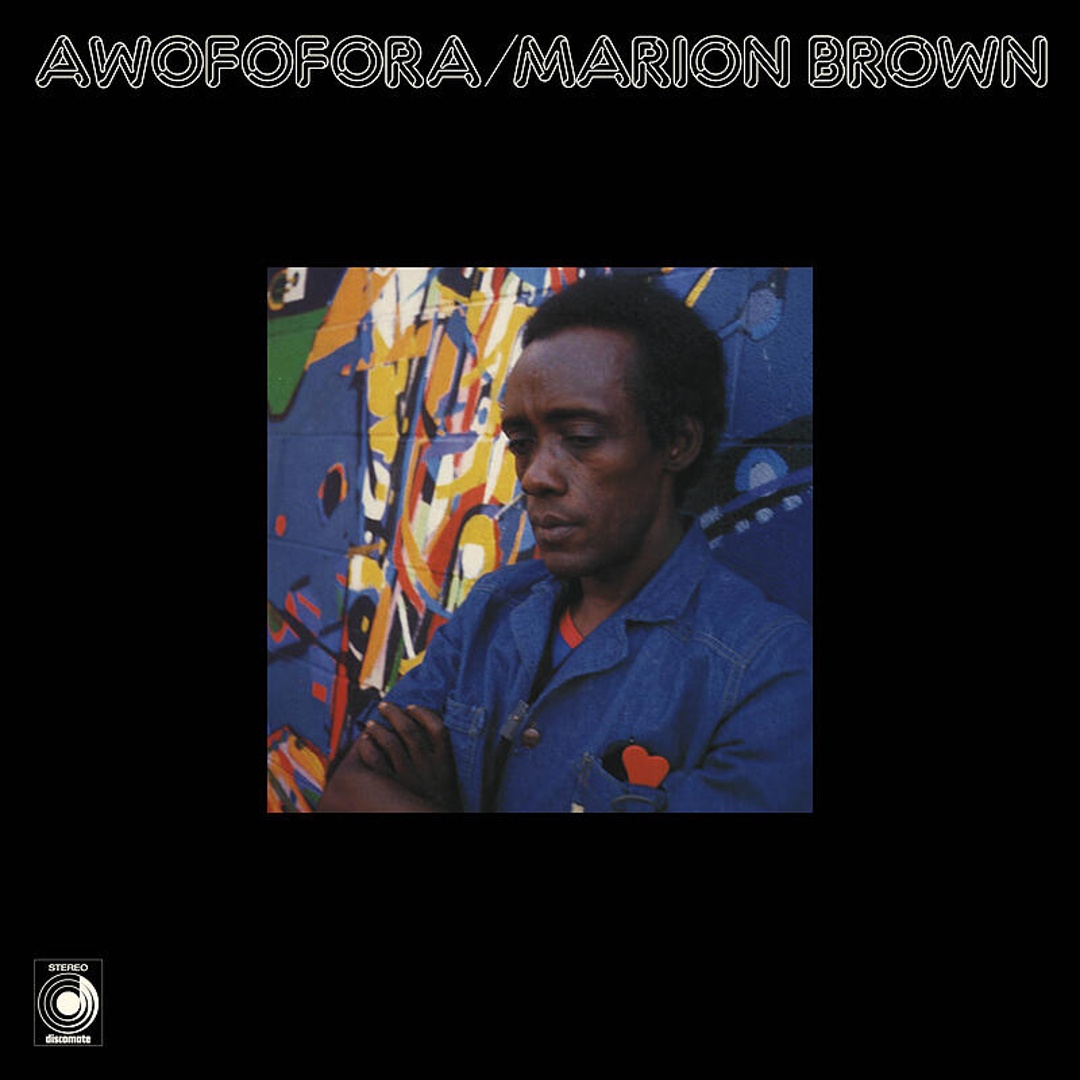
Awofofora, Marion Brown's 1976 album with funk and reggae grooves, came out only in Japan, on Discomate, and had never been reissued until this year. When we checked, the four original copies for sale on Discogs started at 267 euros. Aguirre's new edition, with gatefold sleeve, liner notes and photos, costs a fraction of that.
Masayuki Takayanagi ran a private guitar school, and among those who took lessons were Kazumi Watanabe, Kyoji Yamamoto and Kazuo Imai. Yoshihide Otomo studied with him and worked as his roadie for several years before the two fell out. In 1970 Takayanagi recorded Mass Projection and Gradually Projection in duo with saxophonist Kaoru Abe.
After a few woodworking courses, Harry Partch built his first Kithara at Big Sur in 1938. It came out about twice the size of the kithara by Kathleen Schlesinger that he had studied in England. Four years later, in Chicago, he retuned a reed organ to his 43-tone division of the octave and called it the Chromelodeon.
Mah Nà Mah Nà began as Viva la sauna svedese, a cue Piero Umiliani wrote for a sauna scene in the 1968 mondo film Svezia, inferno e paradiso, with Alessandro Alessandroni and his wife Giulia on lead vocals. Umiliani's single reached number 55 on the Billboard Hot 100 in October 1969, and the following month the Muppets sang it on Sesame Street.
Next to saxophones and trumpet, Lester Bowie, Joseph Jarman, Roscoe Mitchell and Malachi Favors of the Art Ensemble of Chicago used what they called little instruments: bells, bicycle horns, party noisemakers, wind chimes. On their European dates in 1969 some five hundred instruments were in play on stage.
For La fabbrica illuminata (1964) Luigi Nono recorded noises and voices inside the Italsider steelworks at Cornigliano, in Genoa, while Giuliano Scabia collected workers' phrases and union documents for the text. RAI had commissioned the piece for the Prix Italia, then withdrew it over its politics. It was premiered instead at La Fenice in Venice.
Aikichi Kuboyama, chief radioman of the fishing boat Daigo Fukuryū Maru, was caught in fallout from the Castle Bravo test on 1 March 1954 and died that September. Herbert Eimert, co-founder of the Cologne electronic studio, built his Epitaph für Aikichi Kuboyama on the inscription from the grave, read by Richard Münch and then transformed on tape.
Don Cherry and the Swedish textile artist Moki Cherry spent ten years in a disused schoolhouse in Tågarp, where they lived, worked together, held classes and hosted guests. There they developed the idea they called Organic Music Society, which in 1972 became the title of an album on Caprice.
At the Darmstadt summer courses of 1952 Bruno Maderna presented Musica su due dimensioni, for flute, cymbals and tape, one of the first pieces to put live instruments next to electronic sound. In 1955 he and Luciano Berio founded the Studio di Fonologia of Radio Milano. Its restored equipment is now shown at the Sforza Castle.
György Ligeti's Poème symphonique, written in 1962, calls for one hundred mechanical metronomes, ten for each of ten performers. The premiere at Hilversum city hall in September 1963 was filmed for television, but the Hilversum municipality asked the broadcaster not to air it. Ligeti later recalled that a football match went out instead.

Write to the desk

Pitches, replies to a piece, corrections, a record we should not have missed: editorial@soundohm.com