Back in stock
Albumin
Tip! Jim O'Rourke and Jos Smolders teamed up again after their first collaboration, Additive Inverse from 2021. Over a period of three years, both artists worked in sessions of a day, each in their own studio.The result is sometimes like a warm cloud of sounds, suddenly breaking up into a rhythmic, irregular pattern, after which it dives into introverted mindsets. The music is in constant flux. The project followed the same workflow, but this time Jim took the lead and kicked off with a salvo of…
Los Angeles (LP)
Debut album by X, the 1980 Los Angeles punk landmark produced by Ray Manzarek of The Doors, with the twin vocals of John Doe and Exene Cervenka. Remastered by Jason Ward for the 2019 Fat Possum reissue.
Margin Walker
Fugazi's second EP, recorded in December 1988 at Southern Studios in London with John Loder during the band's first European tour: six songs later joined with 7 Songs on 13 Songs. Dischord 12" on translucent green vinyl.
For Your Pleasure
Half Speed Master Edition On Roxy Music's debut, the tensions between Brian Eno and Bryan Ferry propelled their music to great, unexpected heights, and for most of the group's second album, For Your Pleasure, the band equals, if not surpasses, those expectations. However, there are a handful of moments where those tensions become unbearable, as when Eno wants to move toward texture and Ferry wants to stay in more conventional rock territory; the nine-minute "The Bogus Man" captures such creative…
Sold Out

Big Beat From Badsville
Big Beat From Badsville by The Cramps, released 6 June 2013, includes the following tracks: "It Thing Hard-On", "Sheena's In A Goth Gang", "Monkey With Your Tail", "Super Goo" and more. This version of Big Beat From Badsville comes as a 1xLP.

A Date With Elvis
Originally released on Big Beat in 1986, “A Date With Elvis” is a stone-cold Cramps classic that has never been out of print and introduced generations of music fans to the Cramps' unique musical voodoo A return to the racks for our much-loved orange vinyl pressing This is a date you simply cannot miss
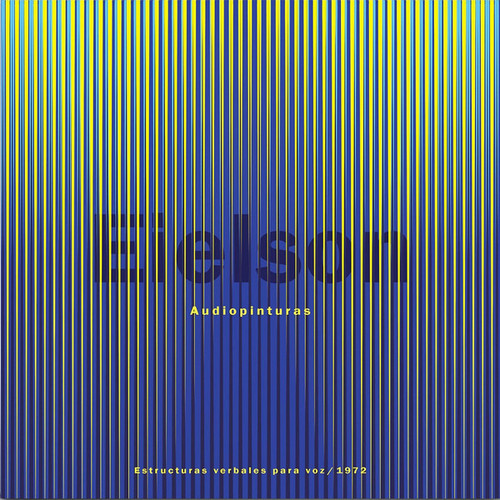
Audiopinturas: Estructuras Verbales Para Voz (1972)
The work of Jorge Eduardo Eielson (Lima 1924 - Milán 2006) in the fields of visual and sound poetry has been conspicuously absent from the international anthologies pertaining to these disciplines. One of the reasons of this absence may be the limited circulation of this side of his broad and complex output as a poet and visual artist. In the past few years, though, this aspect of his work has become better known, and can now be seen, in its own right, as a valuable contribution to the developme…
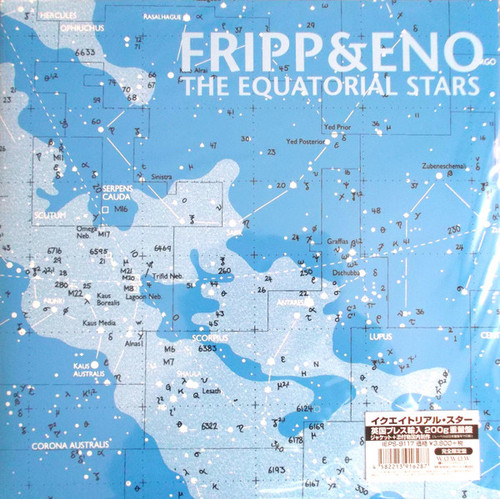
The Equatorial Stars
Japanese 200 gram vinyl edition. Totally essential LP re-release for the first collaboration between Robert Fripp and Brian Eno in over 30 years, that nearly equals the effuse beauty of their celebrated 70s works. "Ambient is a spacious, electronic music that is concerned with sonic texture, not songwriting or composing," says the All-Music Guide. That seems reasonable, although I suspect Brian Eno might take issue with the notion that his music is somehow unconcerned with composition. As wit…
Sold Out
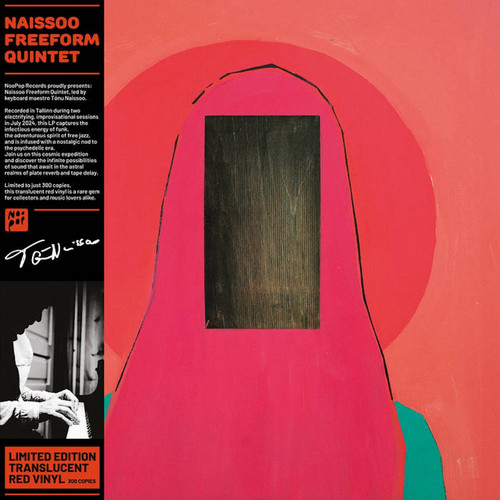
Naissoo Freeform Quintet
Naissoo Freeform Quintet is a vivid exploration of jazz improvisation and collective creativity, recorded by Estonian keyboardist and composer Tõnu Naissoo and a handpicked ensemble of accomplished local musicians. Captured during two highly spontaneous sessions in Tallinn in July 2024, the album foregrounds the chemistry of the quintet - with Naissoo’s Rhodes, Moog Source, and ARP Odyssey providing the core, and enhanced by the agile bass work of Mihkel Mälgand, the resonant bass clarinet of Me…

Fire in Orbit
On Fire in Orbit, Hill Collective sharpen their Brighton‑born spiritual jazz into its most expansive form yet: loose‑limbed, witty and rough‑edged, but guided by a collective instinct that lets every groove breathe and slowly catch fire.
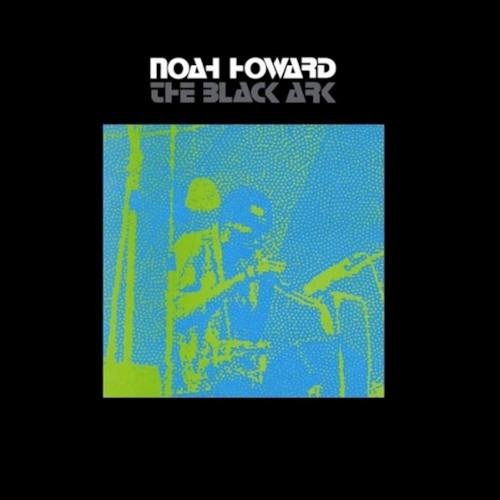
The Black Ark
Huuuge Tip! In the pantheon of classic free jazz, Noah Howard's The Black Ark looms large. Recorded at Bell Sound Studios in New York City in 1969 - just prior to the alto saxophonist's relocation to Europe - the album was eventually released in 1972 on Alan Bates's Freedom label, and has since acquired near-mythical status among collectors and devotees of the music. Now, Superior Viaduct presents the definitive remastered edition on vinyl, restoring this landmark to the visibility it has always…
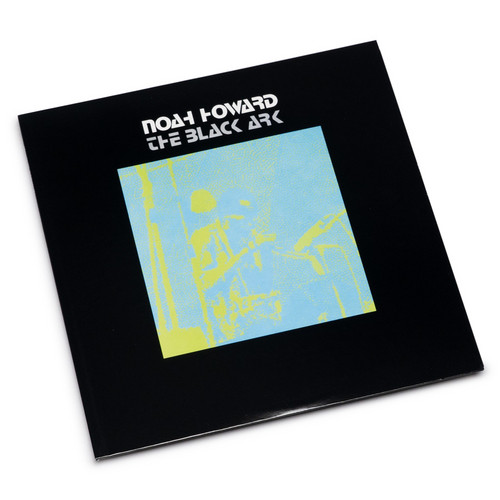
The Black Ark + Dogon A.D.
Special discounted Bundle. Two of the greatest free jazz records ever laid to tape, back where they belong. Superior Viaduct reissues Noah Howard's The Black Ark and Julius Hemphill's Dogon A.D. — both from 1972, both inexplicably scarce for decades, both essential.
The Black Ark finds Howard backed by a towering ensemble — Norris Jones (Sirone), Arthur Doyle, Leslie Waldron, Earl Cross, Juma Sultan, Mohammed Ali — in four tracks that move from hard-blown spiritual fire to lyrical catharsis. Des…
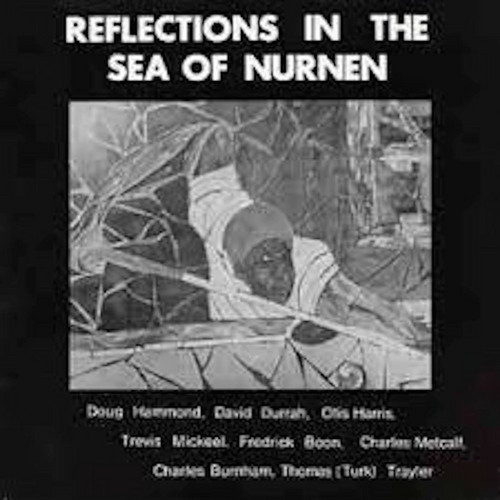
Reflections In The Sea Of Nurnen
"Originally planned for issue on Strata-East, Hammond took his collaboration with Durrah to Detroit and issued his masterpiece. Lacquered by Bernie Grundman. Now-Again presents the definitive Tribe Records reissues. Deep, spiritual jazz of the highest order. The Tribe label, one of the brightest lights of America's 1970s jazz underground, receives the Now-Again reissue treatment. This is your chance to indulge in the music and story of one of the most meaningful, local movements of the 20th Cent…

Near And Far East
*2025 repress* Made with the intention of exploring and experiencing the various musical and cultural perspectives of a territory as vast as that of Persia, "Near And Far East" is a significant historical document that transcends the restrictive concept of territory but rather inhabits a space of absolute time. The album's content is not just window into faraway places, but a leap into the times and cultures that have now been swallowed up by the incessant movement of globalization and capitalis…
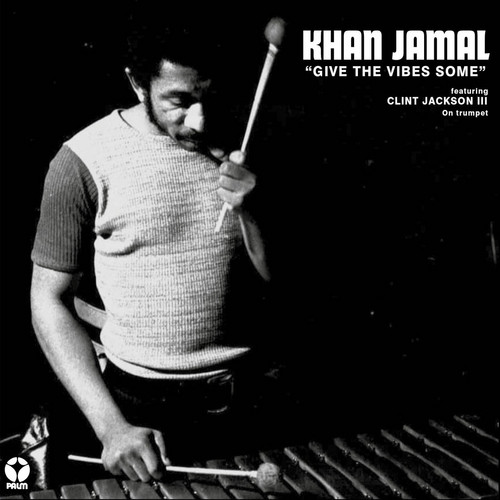
Give the Vibes Some
“Brillian album by Khan Jamal” - Gilles Peterson, BBC Radio 6
St( )ma
Outstanding freeform blow-out by Free jazz percussionist, experimental composer, and all-round awesome dude Cristiano Calcagnile. The album features Calcagnile’s technically-brilliant drumming accompanied by a menagerie of found objects, glockenspiel, aerophone instruments and electrified metal sheet. The resultant is utterly unique. A vibrant album that blazes a trail of rhythmic intensity taking in many styles on his journey, also incorporating combustible electronics and effects in complex bu…
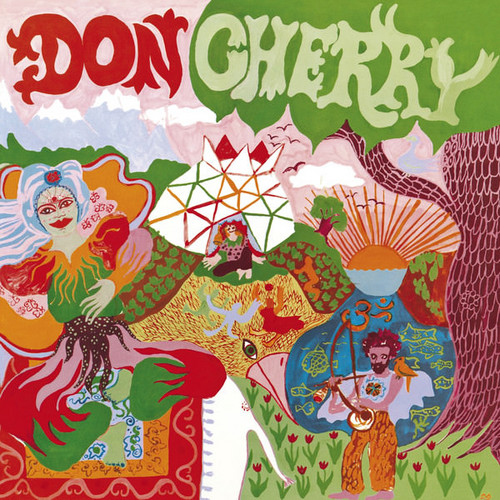
Organic Music Society
** Temporary reduced price ** Quoting Dusted magazine "This is not a jazz album. This is the music of ritual. Any resemblance it has to jazz is purely coincidental and passing. This is the sound of utopia, of equality, of the universal egalitarian dream, of the earth, the water, and the life force in all its various guises." and "This is an album of education in practice. Don Cherry spent the summer of 1971 teaching at a youth music camp normally devoted to the study of classical music. Somewher…
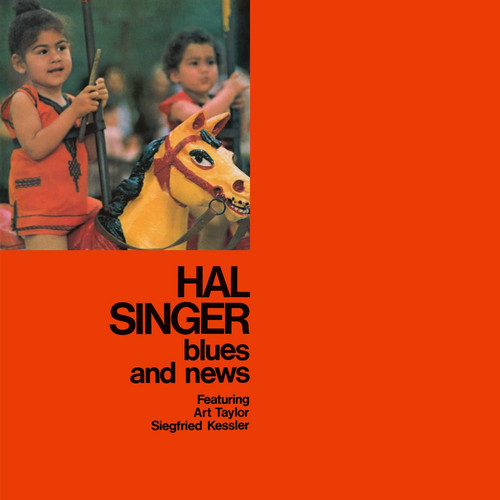
Blues and News
Licensed from Futura Records. 180 gram vinyl. "I get something out of listening to Coltrane, Shepp, and Coleman; I'm really pleased that young players are trying to change things. If they go back the roots and come up with something new, that's fantastic." This comment was made by saxophonist Hal Singer to Gérard Terronès for the magazine Jazz Hot in 1968. Two years later, Terronès would issue Singer's album Blues and News, on his label Futura Records. Though born in 1919, Hal Singer claims, jus…
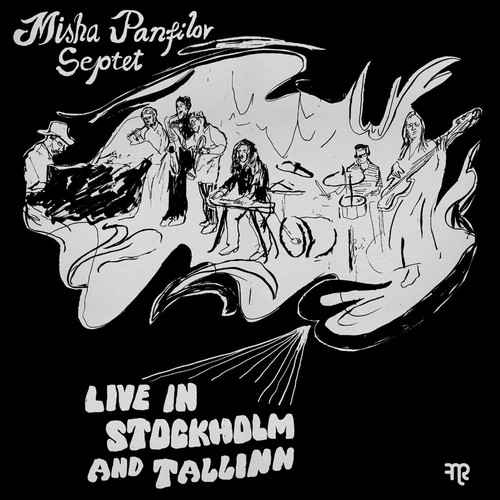
Live In Stockholm And Tallinn
Tip! Misha Panfilov, the Estonian contemporary jazz mover whose many Janus faces amount to more than just two, resulting in many album avatars - here shares a live recorded rendition of a recent pair of shows, played back to back in Stockholm, then Tallinn. The first recorded at Fasching, Stockholm, on August 16, 2023, and the second recorded at Paavli Kultuurivabrik, Tallinn, August 19, 2023, this live record is composed of pieces otherwise heard on Panfilov's earlier albums, and they're choppe…
Morgenmusiken
On Morgenmusiken, Green Cosmos expand their small‑town German jazz into a quietly epic, Coltrane‑lit cosmos, braiding modal vamps, Indian classical colour and spacious free improvisation into seven meditative journeys where silence and a single note carry as much weight as any crescendo.