Jazz /
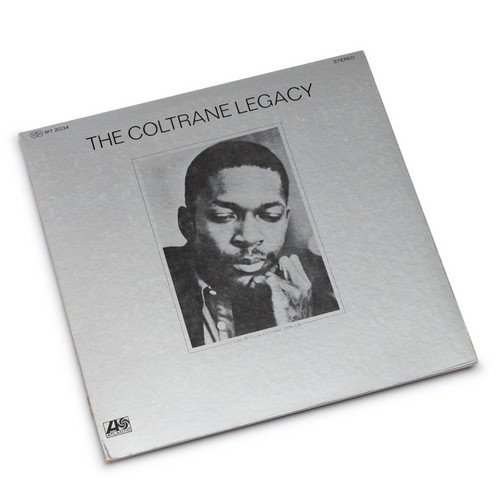
The Coltrane Legacy (LP)
Original Japanese edition on Atlantic of the 1970 compilation (edited by Ilhan Mimaroglu) with previously unreleased recordings by The John Coltrane Quartet, The John Coltrane Sextet and The Milt Jackson - John Coltrane Group.
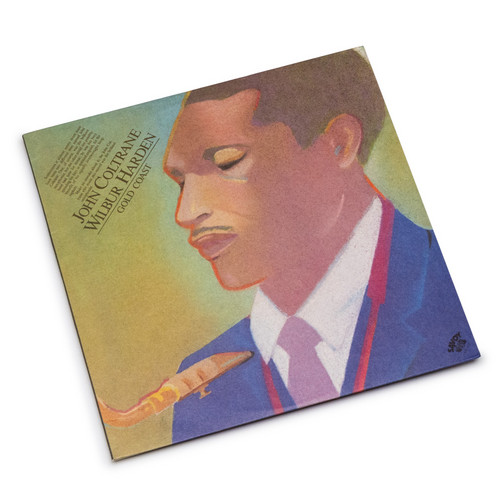
Gold Coast (LP)
Original US edition on Savoy Records of the 1978 compilation including previously unreleased tracks from 1958.
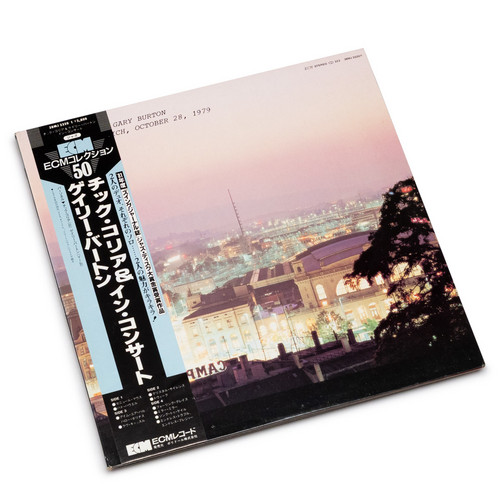
In Concert, Zürich, October 28, 1979 (LP)
1984 Japanese re-issue on ECM's "Collection 50" series of the 1980 live double album. With insert and obi.
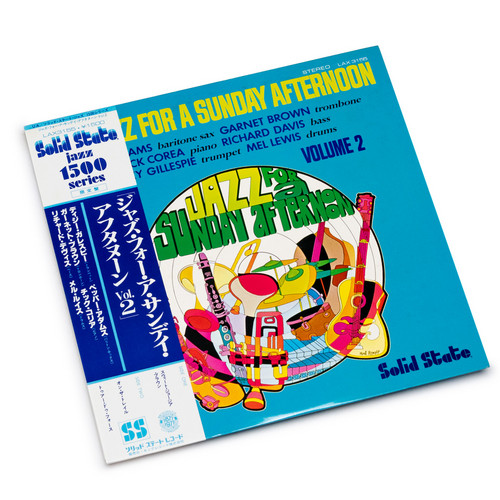
Jazz For A Sunday Afternoon Volume 2 (LP)
1977 Japanese re-issue on Solid State's "Jazz 1500 Series" of the 1968 live album. With insert and obi.
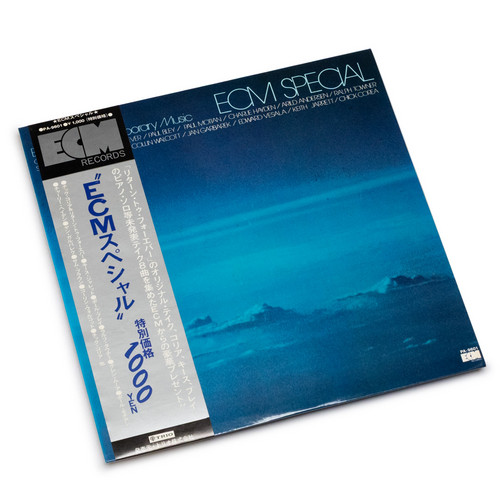
ECM Special (LP)
Original edition on ECM / Trio Jazz Mania of the 1973 Japan-only compilation. With insert and obi.
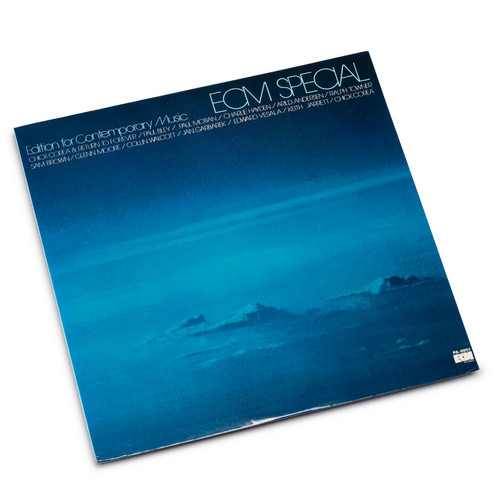
ECM Special (LP)
Original edition on ECM / Trio Jazz Mania of the 1973 Japan-only compilation. With insert.
Unity / Spring Ran (12"EP)
Promotional copy with white generic sleeve of the 2019 Italy-only EP on Creative Arts Records with recordings from the 1980/90's. With press release.
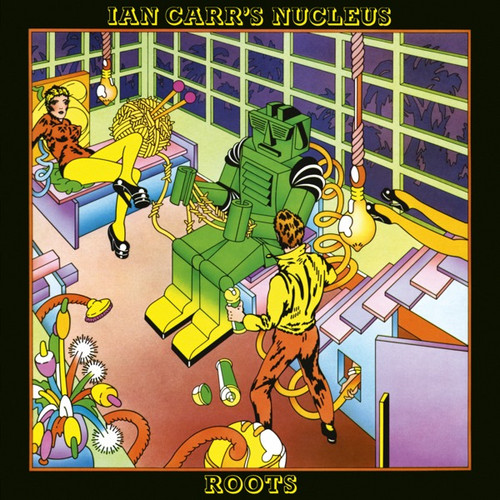
Roots
*2026 repress!!!* What an unbelievable record. From the wild cover to the iconic breakbeats, Roots from Ian Carr’s Nucleus is one of the dopest albums we know. This is seriously thick, funky-prog jazz-rock heaven. Originally released on Vertigo in 19…
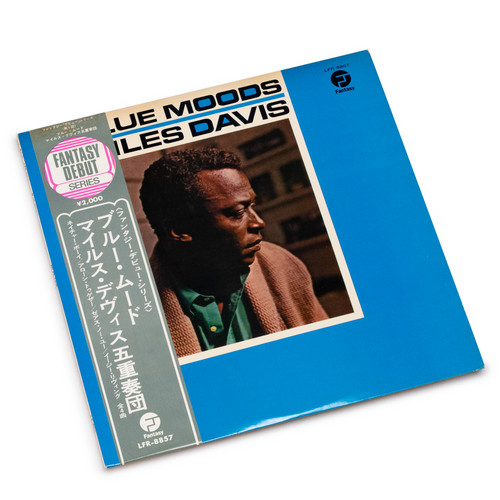
Blue Moods (LP)
1960's Japanese re-issue on Fantasy's "Debut Series" of the 1955 album featuring Charles Mingus and Elvin Jones. With obi
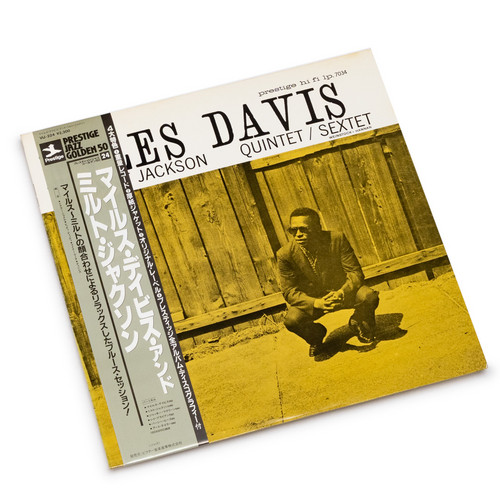
Quintet / Sextet (LP)
1984 Japanese re-issue on Prestige's "Jazz Golden 50" series of the 1956 album featuring Milt Jackson. With insert and obi.
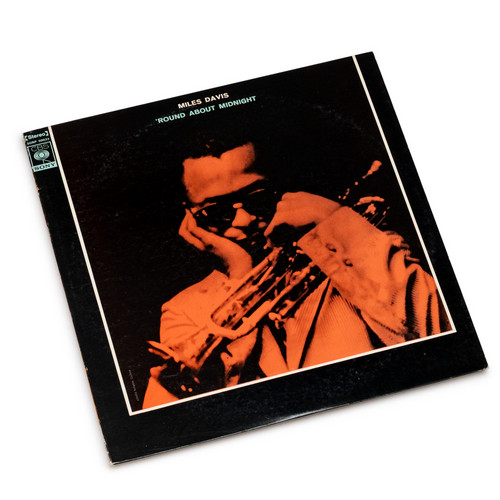
'Round About Midnight (LP)
1970 Japanese re-issue on CBS/Sony of the 1957 album featuring John Coltrane.
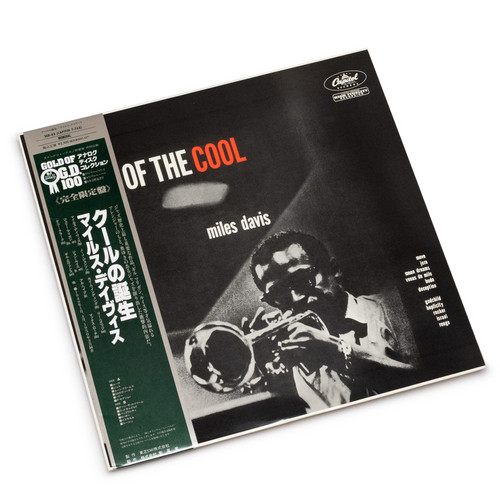
Birth Of The Cool (LP)
1991 Japanese re-issue on Capitol's "Gold Of G.D. 100" series of the 1957 compilation with recordings from 1949/1950. With insert and obi.
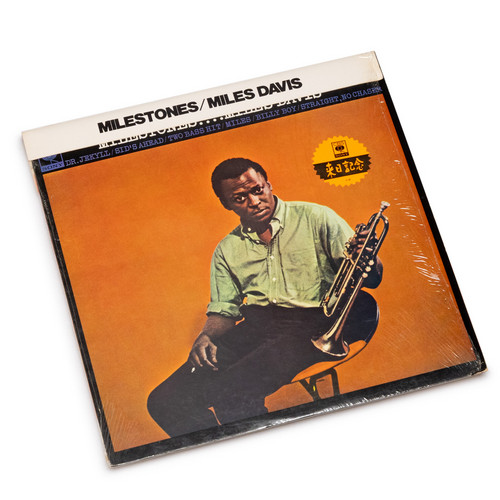
Milestones (LP)
1973 Japanese re-issue on CBS/Sony's "SX68MARK II" series of the 1958 album featuring John Coltrane and Cannonball Adderly. With obi
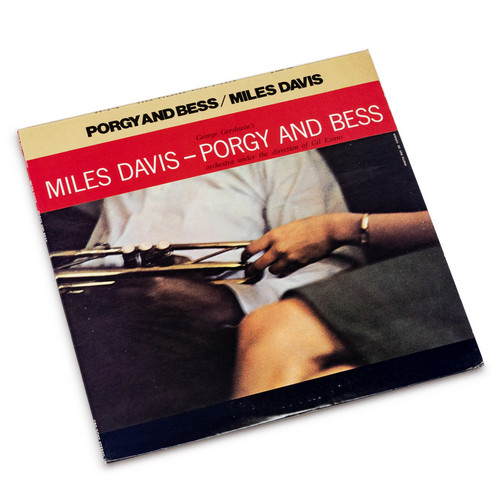
Porgy And Bess (LP)
1977 Japanese re-issue on CBS/Sony of the 1959 album featuring Cannonball Adderly, Gunther Schuller, Gil Evans, etc. With insert and obi.
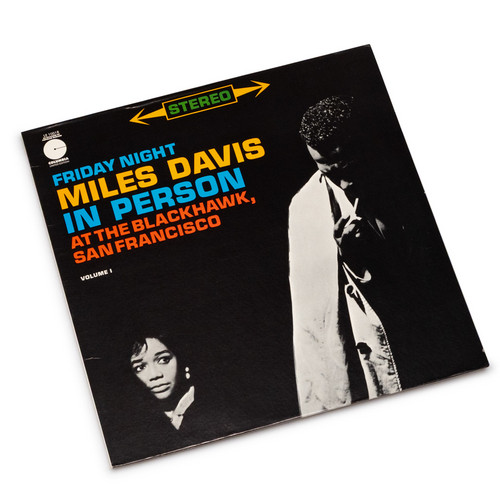
In Person (LP)
1973 US re-issue on Columbia "Limited Edition" series of the 1961 live album.
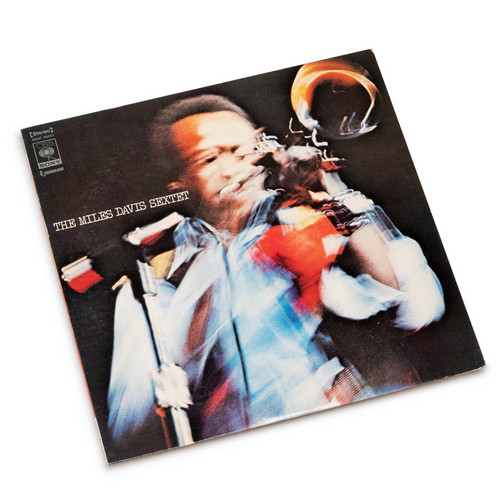
The Miles Davis Sextet (LP)
1970 original Japanese edition of the 1968 album recorded in 1958 featuring John Coltrane, Cannonball Adderly and Bill Evans.
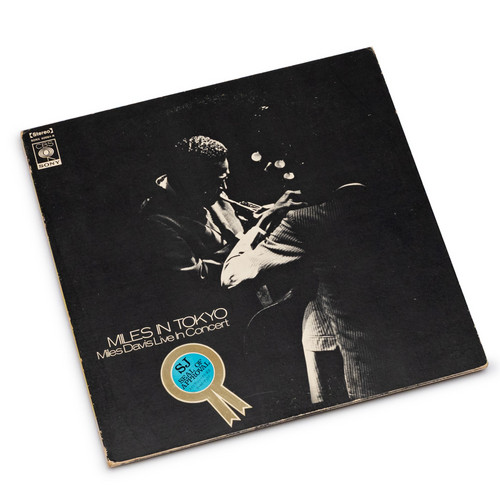
Miles In Tokyo (LP)
Original edition of the 1969 Japan-only live album recorded in 1964 featuring Ron Carter, Tony Williams, Herbie Hancock and Sam Rivers.
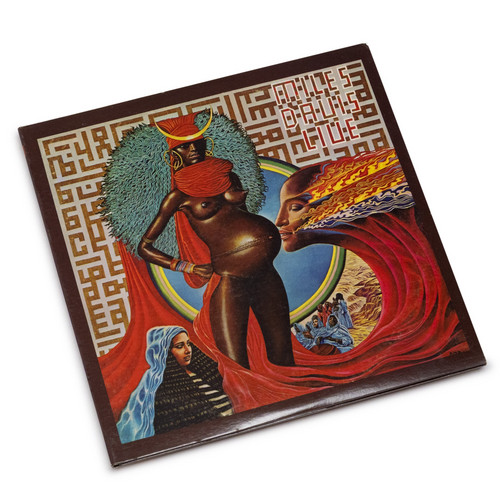
Live-Evil (2LP)
2011 US re-issue on 180g vinyl on 4 Men With Beards of the 1971 double-album.
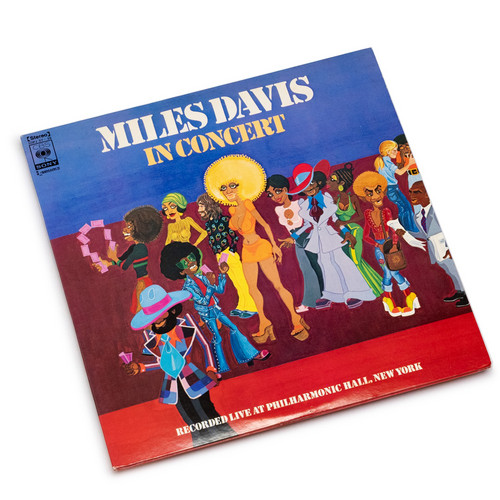
In Concert (2LP)
Original Japanese edition on CBS/Sony's "SX68MARK II" series of the 1973 live double-album. With insert.
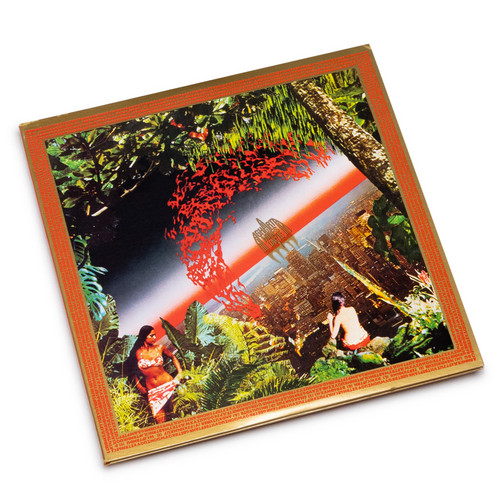
Agharta (2LP)
2011 US re-issue on 180g vinyl on 4 Men With Beards of the 1975 live double-album.