Jazz /
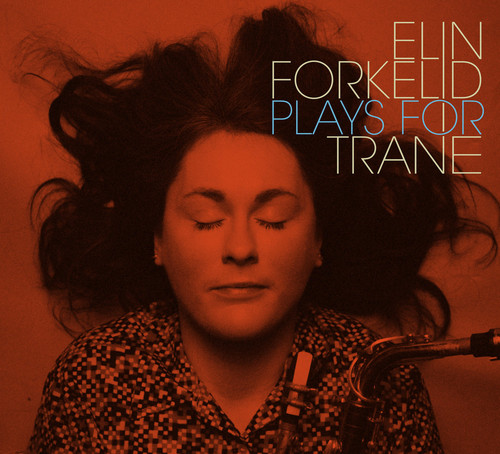
Plays For Trane Vol. 2
Follow up to 2020's Plays For Trane, this is Plays For Trane Vol. 2. The band dives further into John Coltrane's catalog, turning it inside out, bending it, holding it with care. Forkelid, together with Mattias Ståhl, David Stackenäs, Vilhelm Bromander and Jon Fält, revisit the jazz giant in a celebrated transformation, reimagining the sounds of John Coltrane.
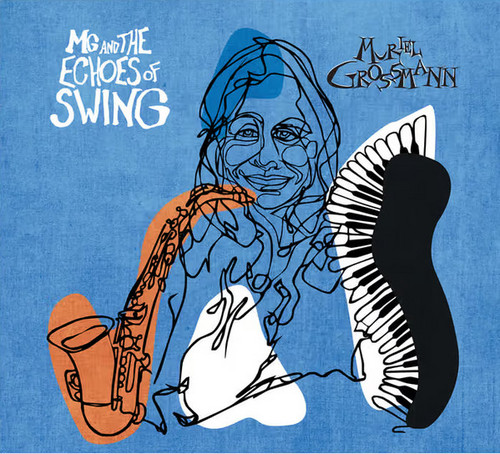
MG and The Echoes of Swing
The world knows Muriel Grossmann as a bandleader, saxophonist, and composer of highly individual and original music. Her work has become closely associated with a modern revival of spiritual jazz, reflected in albums such as Golden Rule, Universal Code, and Quiet Earth, and in performances across Europe with herlong-standing quartet.
That is one side of the story. In Ibiza, where Grossmann has lived and worked for over two decades, another side of the artist reveals itself. Locals know her not o…
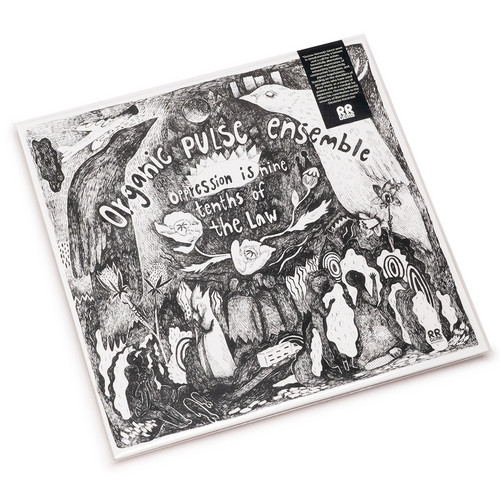
Oppression Is Nine Tenths of the Law
Gustav Horneij’s Organic Pulse Ensemble blends jazz tradition with modern groove, inspiring unity & protest, uplifting listeners in the fight for freedom and justice for all.
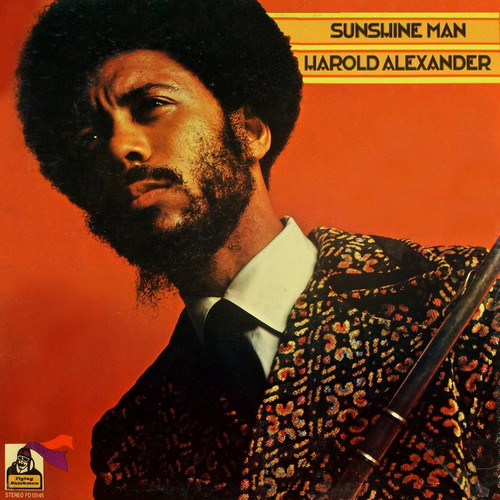
Sunshine Man
Two days in May 1971, produced by Bob Thiele for Flying Dutchman. Harold Alexander on flute and soprano over Neal Creque's electric piano, Richard Davis's bass, Pretty Purdie's drums and Richard Landrum's congas. Contains Mama Soul, the scat-flute track that got him into DJ sets decades later.
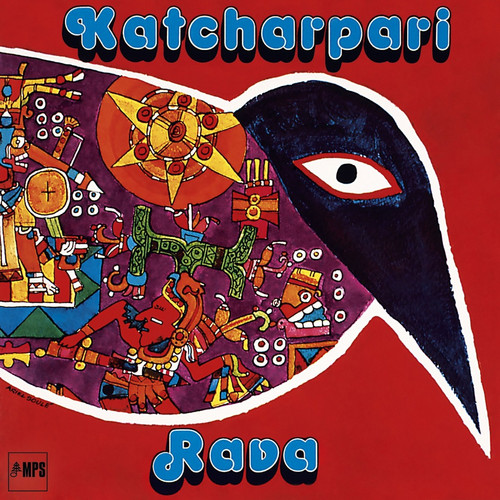
Katcharpari
Milan, January 1973. Enrico Rava's second record as a leader, with John Abercrombie on guitar, Bruce Johnson on bass and Chip White on drums, released by MPS/BASF. Rava has called it his breakthrough: the album that got Manfred Eicher's attention. Seven tracks, from Trial N. 5 to the Don Cherry tribute Cheerin' Cherry.
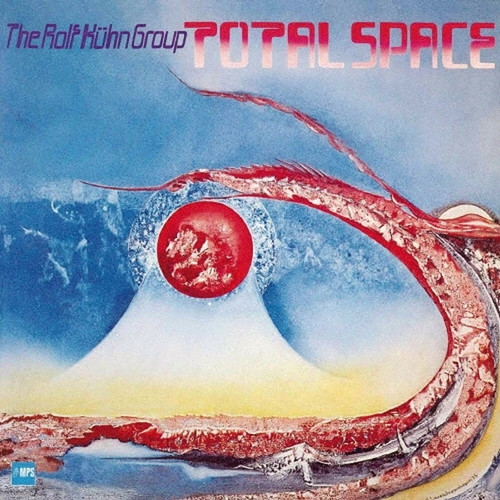
Total Space
Cologne, Cornet Studios, January 1975. Rolf Kühn on clarinet with a band that reads like a German jazz roll call: his brother Joachim Kühn on piano and electric piano, Philip Catherine on guitar, Gerd Dudek on tenor and soprano, Albert Mangelsdorff on trombone, Bo Stief on bass, and two drummers, Daniel Humair and Kasper Winding.
Kühn chose not to record in the MPS studio in the Black Forest and brought in the engineer Wolfgang Hirschmann instead. In his own account, quoted in MPS's reissue note…
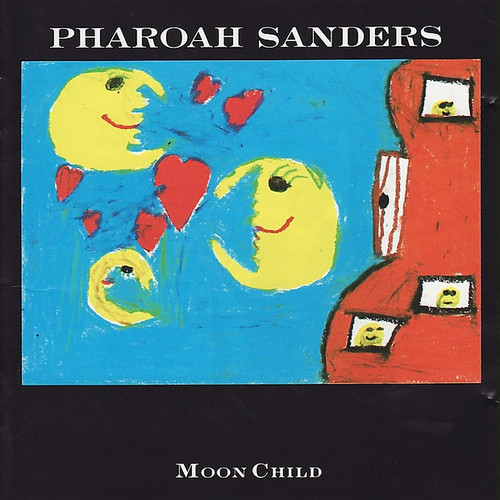
Moon Child
Paris, Studio Davout, 12 and 23 October 1989. Pharoah Sanders with William Henderson on piano, Stafford James on bass, Eddie Moore on drums and Cheikh Tidiane Fall on percussion. Produced by Wim Wigt for Timeless, released in 1990.
The Penguin Guide called it the straightest jazz album Sanders had made for years, and heard what he was after: a hypnotic groove that lets the horn float almost at will. Steve Loewy at AllMusic writes that the results may have disappointed some fans at the time, but …
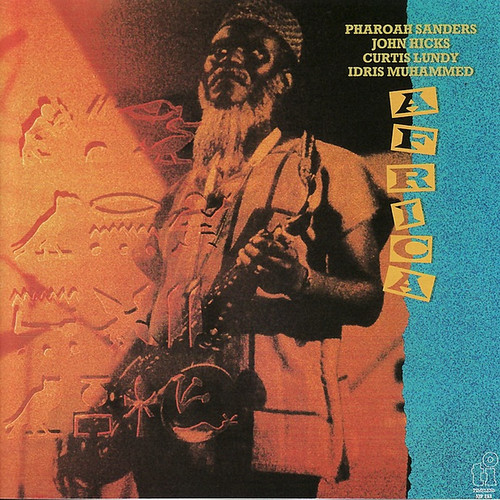
Africa
Studio 44, Monster, Holland, 11 March 1987. One day. Pharoah Sanders with John Hicks on piano, Curtis Lundy on bass and Idris Muhammad on drums, a band he kept for years. Produced by Wim Wigt for Timeless.
The record is built around Coltrane. Loewy at AllMusic writes that most listeners will prefer the originals to Sanders's imitations, but calls Africa a joyous and worthy tribute. AllMusic's survey of the Timeless years is warmer: it hears the title track's highlife melody undercut by Hicks's p…
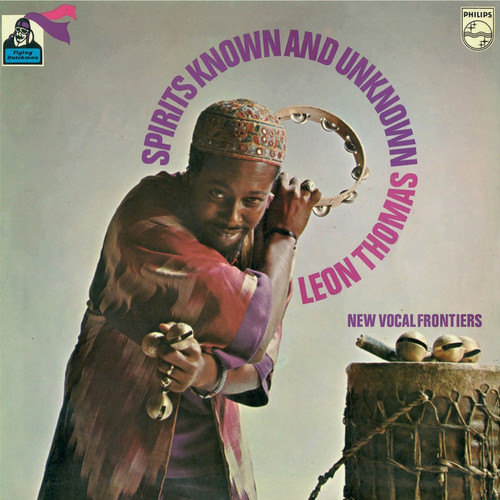
Spirits Known and Unknown
New York, 21 and 22 October 1969. Leon Thomas's first album under his own name, made months after Karma, with Pharoah Sanders credited as Little Rock, Lonnie Liston Smith, James Spaulding, Cecil McBee, Richard Davis and Roy Haynes. A shorter Creator Has a Master Plan, Echoes, and the Malcolm X elegy Malcolm's Gone.
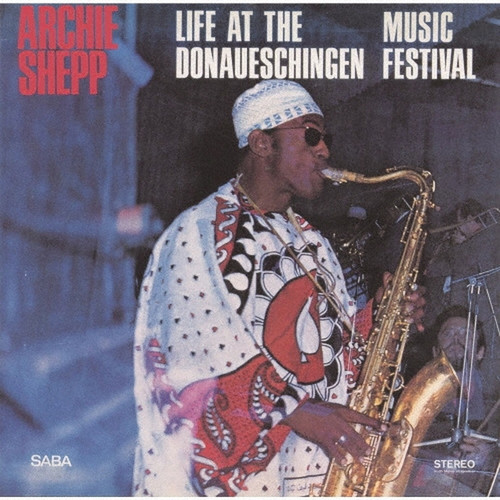
Live At The Donaueschingen Music Festival
Donaueschingen, 21 October 1967. Archie Shepp with Roswell Rudd and Grachan Moncur III on trombones, Jimmy Garrison on bass, Beaver Harris on drums. One piece, One for the Trane, forty-three minutes, three months after Coltrane's death, opening with a seven-minute Garrison solo and ending in The Shadow of Your Smile.
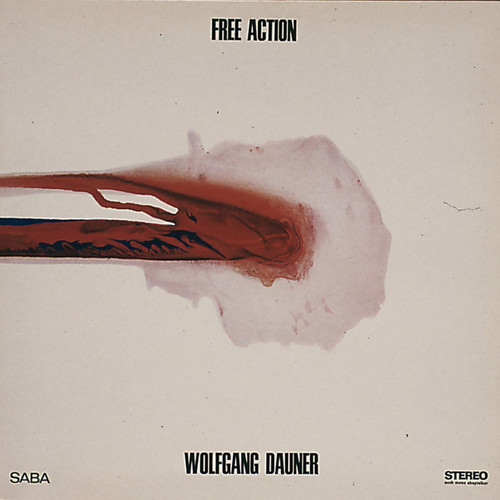
Free Action
Wolfgang Dauner's 1967 SABA septet: Jean-Luc Ponty on violin, Gerd Dudek on tenor and clarinet, Eberhard Weber on cello, Jürgen Karg on bass, and two drummers, Mani Neumeier and Fred Braceful. Mingus-like themes that dissolve into free playing, Neumeier on tabla for the Spanish disguise. Out of print for forty years.
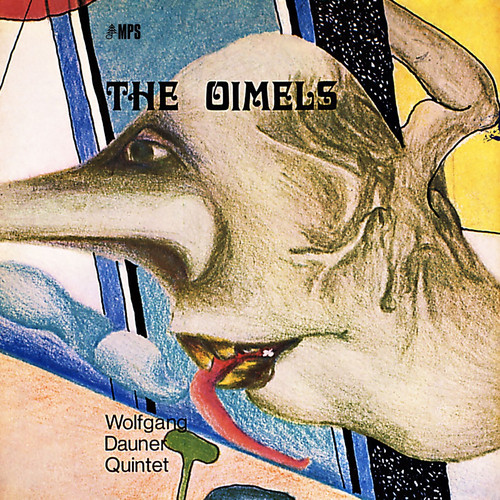
The Oimels
Two years after Free Action, a different record. The Oimels, MPS 1969, is the Wolfgang Dauner Quintet playing pop: Dauner on piano, organ and voice, Eberhard Weber on bass, cello and voice, Siegfried Schwab on guitar and sitar, Pierre Cavalli on guitar, and Roland Wittich on drums and voice, who also did the cover art with Dauner.
The programme mixes Dauner originals with a Gershwin tune, a traditional, and a Lennon-McCartney song. A RateYourMusic listener puts it plainly: a different kind of ja…
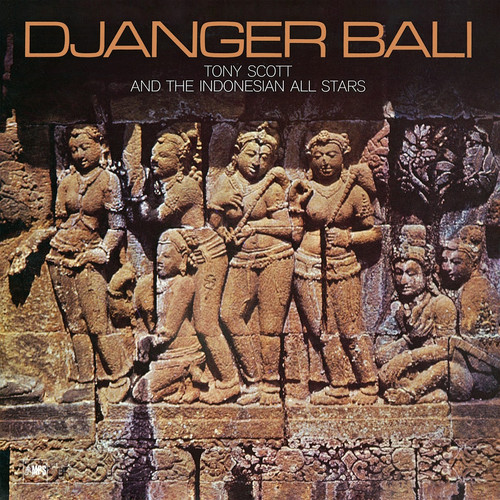
Djanger Bali
1967, SABA. Tony Scott, the clarinettist of Music for Zen Meditation, with Bubi Chen's Indonesian All Stars: Jack Lesmana on guitar, Marjono on saxophone, gamelan gongs under the rhythm section. Jazz standards and Indonesian songs, with Summertime and Djanger Bali. One of the first Jazz Meets records.
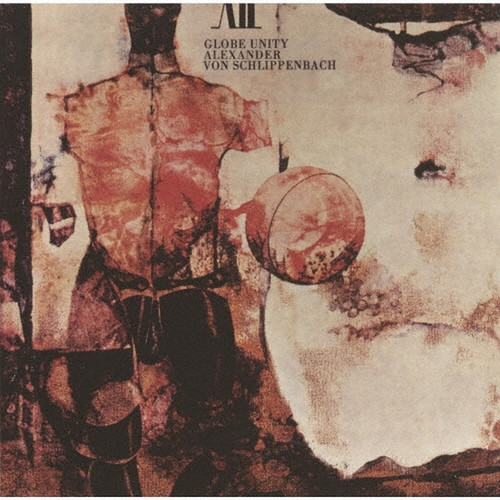
Globe Unity
December 1966, a month after the premiere at the Berlin Philharmonie: Alexander von Schlippenbach's Globe Unity, fourteen players, Brötzmann, Schoof, Hampel, Mangelsdorff, Dudek, Breuker, Kowald, Niebergall, Liebezeit, Neumeier. Two pieces, Globe Unity and Sun. European free jazz declaring itself.
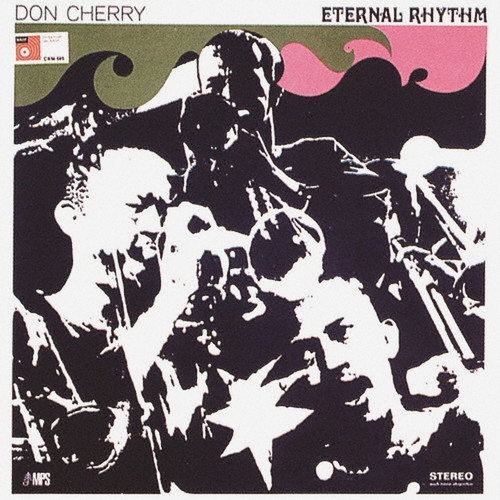
Eternal Rhythm
CD eissue of Don Cherry's classic Eternal Rhythm Group, recorded at the Berlin Jazz Festival, 1968. An amazing line up of: Cherry (cornet, gender and saron [gamelan], flutes), Albert Mangelsdorff (trombone), Eje Thelin (trombone), Bernt Rosengren (tenor sax, oboe, clarinet, flute), Sonny Sharrock (guitar), Karl Berger (vibes, piano, gender), Joachim Kühn (piano, prepared piano), Arild Andersen (bass), & Jacques Thollot (drums, saron, gong, bells, voice). Two "side-long" pieces with gamelan under…
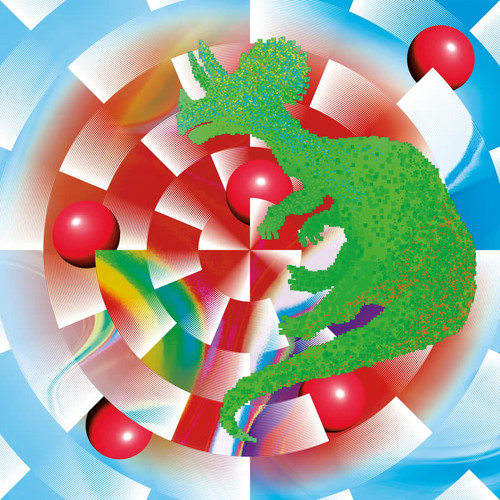
Astrocyrk
*100 copies limited edition* Astrocyrk (Astrocircus) is the next chapter in a story that began in 2123, when Captain Harrison Focus, after an emergency landing, finds himself on the mysterious planet Carmin. Following the events described in the previous album, the main character – Triceradiplodocus – leaves the planet's surface, following Ropuch’s instructions. However, the light on the horizon turns out to be the beginning of a new nightmare, and the dinosaur is trapped in the Astrocyrk. Under…
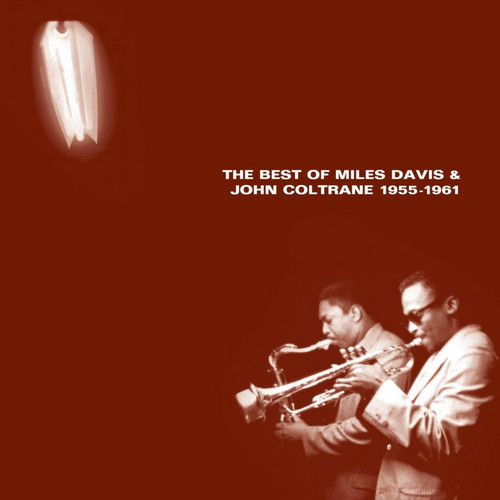
The Best Of Miles Davis & John Coltrane (1955-1961)
A double LP drawn from the Columbia recordings of Miles Davis with John Coltrane between 1955 and 1961, from So What to Someday My Prince Will Come, with Cannonball Adderley, Bill Evans, Wynton Kelly and Jimmy Cobb. First time on vinyl.
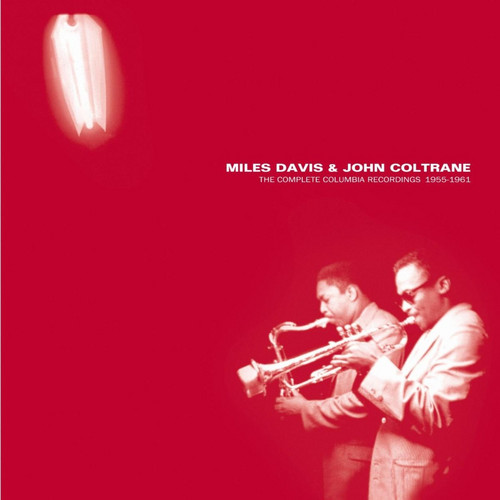
The Complete Columbia Recordings 1955-1961
The 2000 Grammy-winning box of the complete Columbia recordings by Miles Davis with John Coltrane, 58 tracks from 1955 to 1961, reissued as six CDs in individually designed minijackets with a 116-page book.
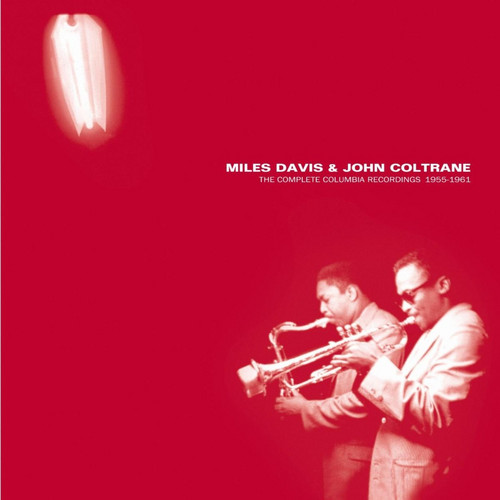
The Complete Columbia Recordings 1955-1961
The 2000 Grammy-winning box of the complete Columbia recordings by Miles Davis with John Coltrane, 58 tracks from 1955 to 1961, on vinyl for the first time outside Mosaic: nine LPs cut from the analog tapes, in a slipcase with a 60-page book.
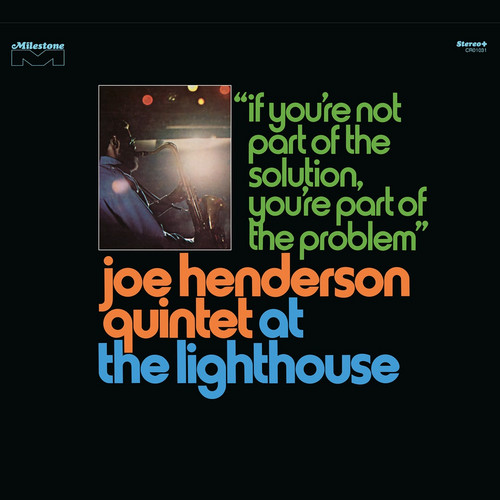
At The Lighthouse: If You're Not Part Of The Solution, You're Part Of The Problem
Joe Henderson's quintet live at the Lighthouse in Hermosa Beach in 1970, with Woody Shaw, George Cables, Ron McClure, Tony Waters and Lenny White. Deluxe 3LP edition with five unreleased tracks and new liner notes.