Jazz /
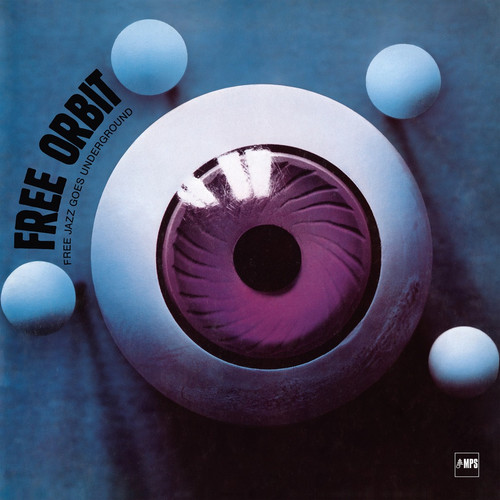
Free Jazz Goes Underground
Hamburg, 1969. A drummer recently arrived from Westphalia, known around the Jazzhouse on Brandstwiete as a capable timekeeper who could swing in 4/4 and play rock beats, which is why Klaus Doldinger had hired him for Passport. His name was Udo Lindenberg. Free Jazz Goes Underground, released by MPS in 1970 under the name Free Orbit, is the first studio album of the band he led, and he sings on it, in English, alongside a second vocalist.
MPS's own note on the reissue admits you need careful list…
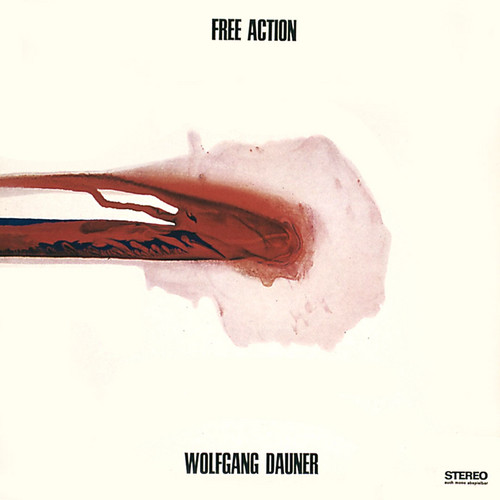
Free Action
Wolfgang Dauner's 1967 SABA septet: Jean-Luc Ponty on violin, Gerd Dudek on tenor and clarinet, Eberhard Weber on cello, Jürgen Karg on bass, and two drummers, Mani Neumeier and Fred Braceful. Mingus-like themes that dissolve into free playing, Neumeier on tabla for the Spanish disguise. Out of print for forty years.
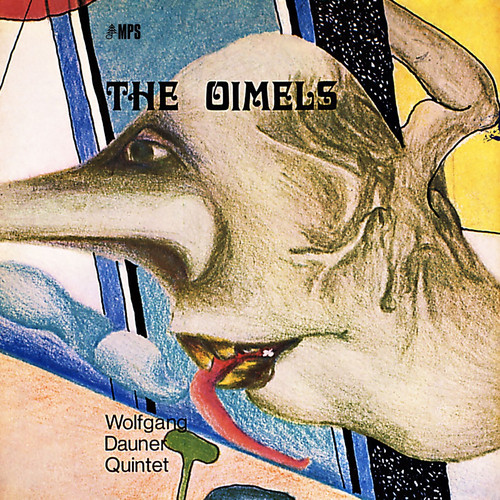
The Oimels
Two years after Free Action, a different record. The Oimels, MPS 1969, is the Wolfgang Dauner Quintet playing pop: Dauner on piano, organ and voice, Eberhard Weber on bass, cello and voice, Siegfried Schwab on guitar and sitar, Pierre Cavalli on guitar, and Roland Wittich on drums and voice, who also did the cover art with Dauner.
The programme mixes Dauner originals with a Gershwin tune, a traditional, and a Lennon-McCartney song. A RateYourMusic listener puts it plainly: a different kind of ja…
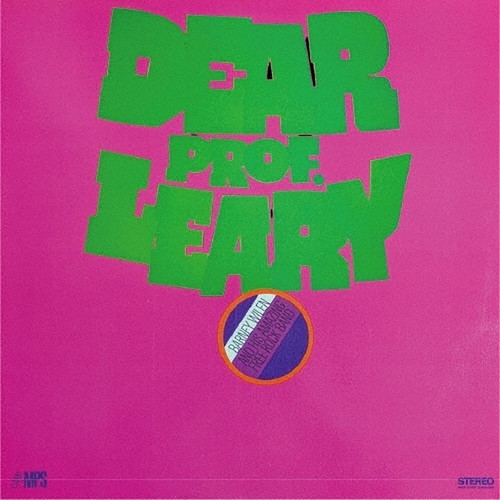
Dear Prof. Leary
Villingen, 27 and 28 June 1968. Barney Wilen, the tenor of Ascenseur pour l'échafaud, with a young Joachim Kühn on organ and piano, Aldo Romano and Wolfgang Paap on two drum kits, Mimi Lorenzini's guitar and Günter Lenz's bass. Ode to Billie Joe, Respect, Lonely Woman and the Supremes, dedicated to Timothy Leary.
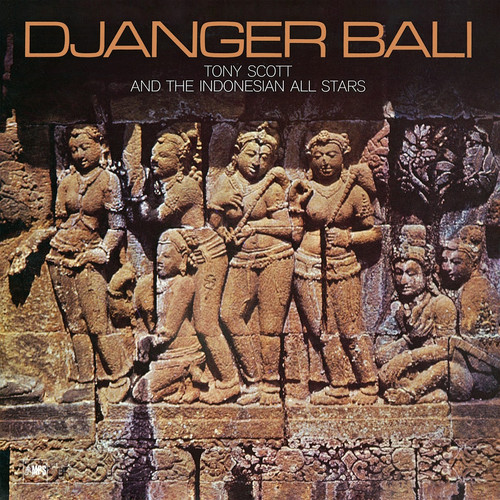
Djanger Bali
1967, SABA. Tony Scott, the clarinettist of Music for Zen Meditation, with Bubi Chen's Indonesian All Stars: Jack Lesmana on guitar, Marjono on saxophone, gamelan gongs under the rhythm section. Jazz standards and Indonesian songs, with Summertime and Djanger Bali. One of the first Jazz Meets records.
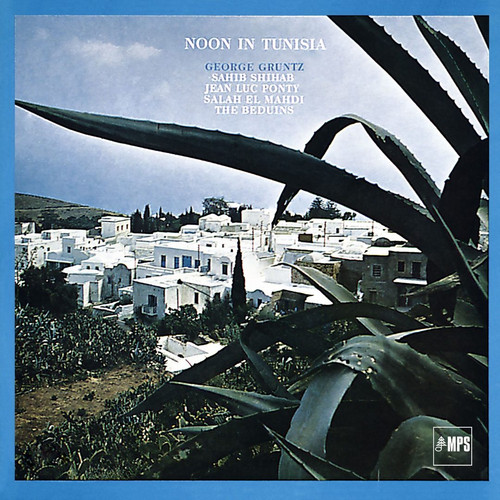
Noon In Tunisia
Another of Berendt's meetings, SABA 1967. George Gruntz, the Basel pianist who would later run the Berlin Jazz Festival for twenty years, with Sahib Shihab on saxophones and Jean-Luc Ponty on violin, and a group of Tunisian musicians: a bendir and darbuka drum ensemble and Salah El Mahdi on ney flute. The title turns Dizzy Gillespie's tune on its head.
UK Vibe, reviewing the Nicola Conte compilation that includes Djerbi, points out that the famous names are not the point: it is the lesser-known …
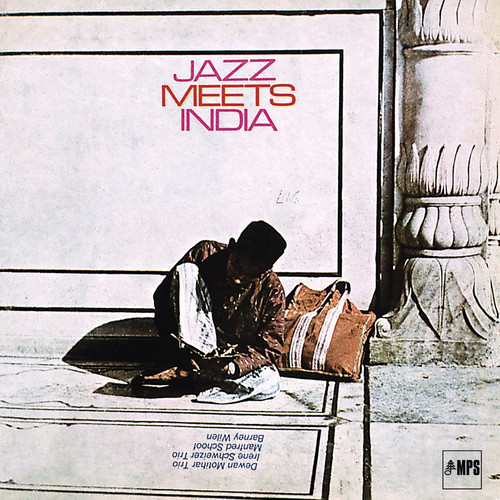
Jazz Meets India
Villingen, 23 October 1967. Irène Schweizer's trio with Mani Neumeier and Uli Trepte, a year before Guru Guru, meets Dewan Motihar's sitar, tabla and tambura, with Manfred Schoof and Barney Wilen. Three pieces, two of them long, and the seventeen-minute Sun Love. All About Jazz calls it an unqualified success.
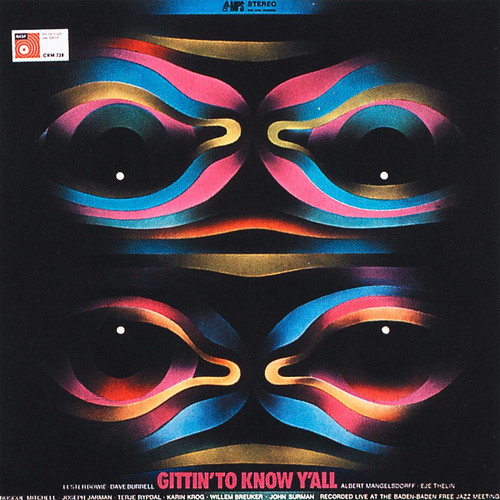
Gittin' To Know Y'All
Baden-Baden, Südwestfunk studio, 12 to 14 December 1969, the annual Free Jazz Meeting. Steve McCall had persuaded the organisers to invite the Chicago musicians living in Paris: Lester Bowie, Joseph Jarman, Roscoe Mitchell, and the pianist Dave Burrell. They met sixteen Europeans: Albert Mangelsdorff, Kenny Wheeler, John Surman, Willem Breuker, Terje Rypdal, Tony Oxley, Alan Skidmore, Heinz Sauer, Gerd Dudek, Eje Thelin, Bernt Rosengren, Hugh Steinmetz, Leo Cuypers, Claude Delcloo and Karin Krog…
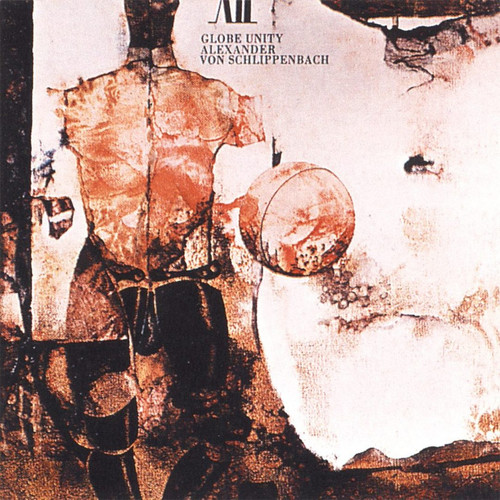
Globe Unity
December 1966, a month after the premiere at the Berlin Philharmonie: Alexander von Schlippenbach's Globe Unity, fourteen players, Brötzmann, Schoof, Hampel, Mangelsdorff, Dudek, Breuker, Kowald, Niebergall, Liebezeit, Neumeier. Two pieces, Globe Unity and Sun. European free jazz declaring itself.
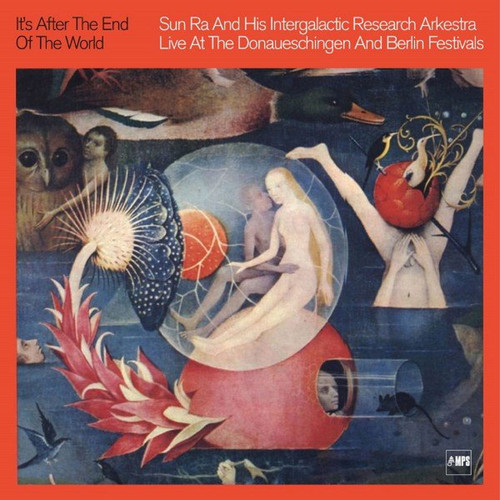
It's After The End Of The World
Donaueschingen, 17 October 1970, and Berlin, 7 November: Sun Ra's first German concerts, commissioned by Joachim-Ernst Berendt, with the Black Forest Myth written for the astrological moment and never played again. Berendt cut five hours of tape into forty minutes. Der Spiegel called it cosmic chaos.
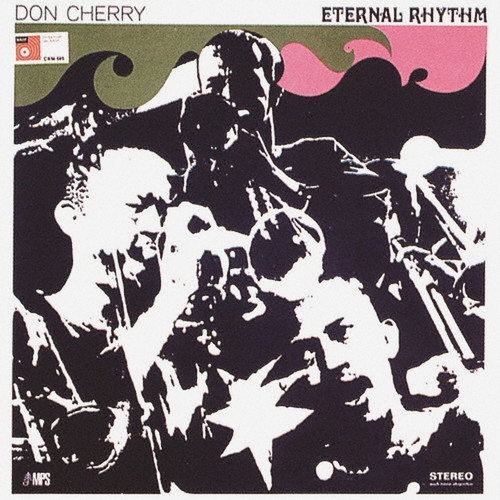
Eternal Rhythm
CD eissue of Don Cherry's classic Eternal Rhythm Group, recorded at the Berlin Jazz Festival, 1968. An amazing line up of: Cherry (cornet, gender and saron [gamelan], flutes), Albert Mangelsdorff (trombone), Eje Thelin (trombone), Bernt Rosengren (tenor sax, oboe, clarinet, flute), Sonny Sharrock (guitar), Karl Berger (vibes, piano, gender), Joachim Kühn (piano, prepared piano), Arild Andersen (bass), & Jacques Thollot (drums, saron, gong, bells, voice). Two "side-long" pieces with gamelan under…
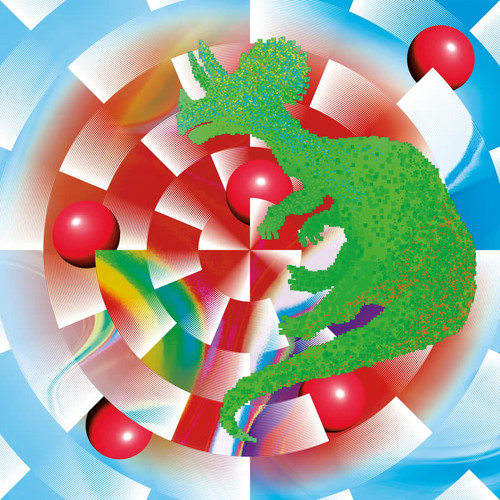
Astrocyrk
*100 copies limited edition* Astrocyrk (Astrocircus) is the next chapter in a story that began in 2123, when Captain Harrison Focus, after an emergency landing, finds himself on the mysterious planet Carmin. Following the events described in the previous album, the main character – Triceradiplodocus – leaves the planet's surface, following Ropuch’s instructions. However, the light on the horizon turns out to be the beginning of a new nightmare, and the dinosaur is trapped in the Astrocyrk. Under…
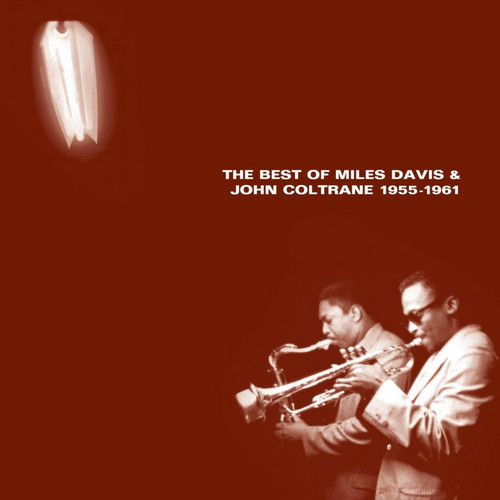
The Best Of Miles Davis & John Coltrane (1955-1961)
A double LP drawn from the Columbia recordings of Miles Davis with John Coltrane between 1955 and 1961, from So What to Someday My Prince Will Come, with Cannonball Adderley, Bill Evans, Wynton Kelly and Jimmy Cobb. First time on vinyl.
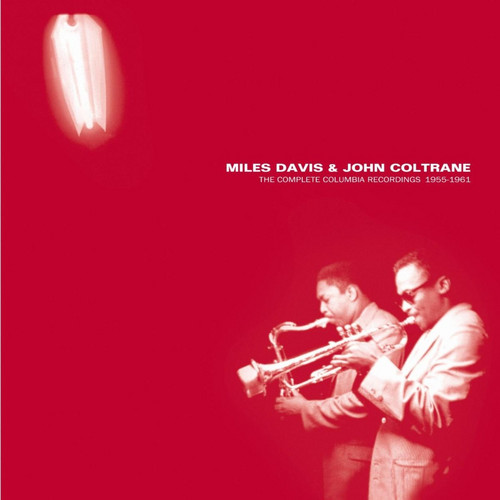
The Complete Columbia Recordings 1955-1961
The 2000 Grammy-winning box of the complete Columbia recordings by Miles Davis with John Coltrane, 58 tracks from 1955 to 1961, reissued as six CDs in individually designed minijackets with a 116-page book.
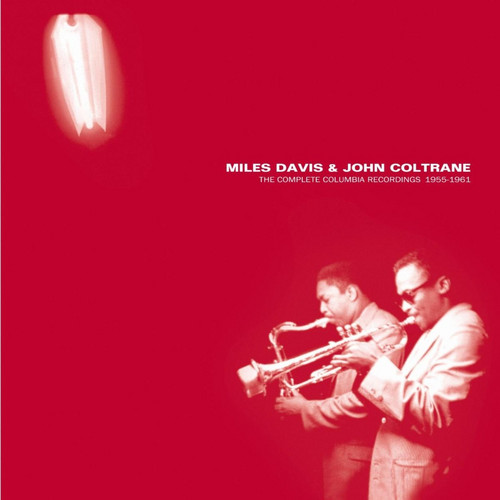
The Complete Columbia Recordings 1955-1961
The 2000 Grammy-winning box of the complete Columbia recordings by Miles Davis with John Coltrane, 58 tracks from 1955 to 1961, on vinyl for the first time outside Mosaic: nine LPs cut from the analog tapes, in a slipcase with a 60-page book.
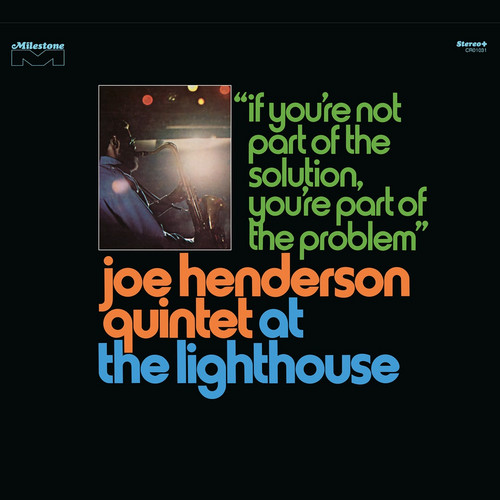
At The Lighthouse: If You're Not Part Of The Solution, You're Part Of The Problem
Joe Henderson's quintet live at the Lighthouse in Hermosa Beach in 1970, with Woody Shaw, George Cables, Ron McClure, Tony Waters and Lenny White. Deluxe 3LP edition with five unreleased tracks and new liner notes.
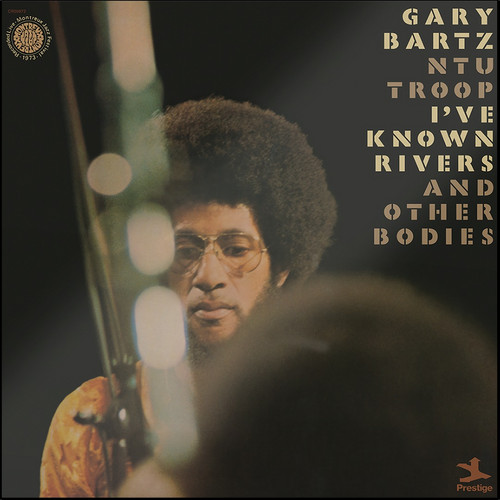
I've Known Rivers And Other Bodies
Montreux, 7 July 1973: Gary Bartz brings the NTU Troop on stage as a quartet and plays the first half of the concert as one unbroken suite. Langston Hughes turned into song, alto and soprano over electric piano and bass. First vinyl edition since 1975, cut AAA from the original tapes by Kevin Gray.
Rites
Jan Garbarek's 1998 double album with Rainer Bruninghaus, Eberhard Weber, Marilyn Mazur and Bugge Wesseltoft, on vinyl for the first time in ECM's Luminessence series: tip-on gatefold jacket with booklet.
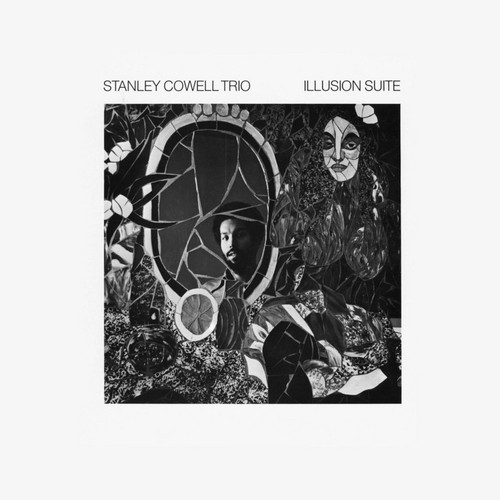
Illusion Suite
Stanley Cowell's only ECM album, recorded in 1972 with Stanley Clarke on bass and Jimmy Hopps on drums. Reissued in the Luminessence series, tip-on gatefold jacket with new liner notes by Ethan Iverson.
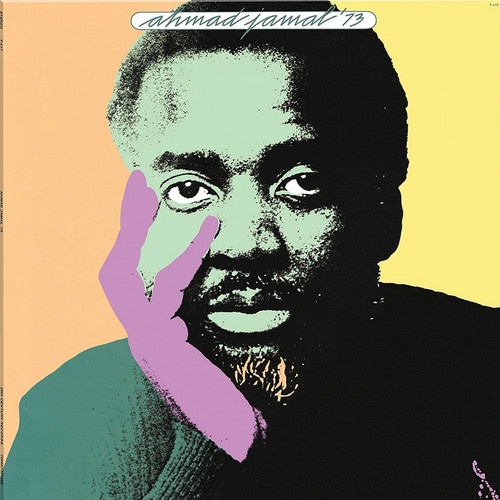
Ahmad Jamal '73
Ahmad Jamal's 1973 album for 20th Century, his first on electric piano, with an orchestra arranged by Richard Evans and versions of Superstition and The World Is A Ghetto. Verve Vault reissue, all-analog, 180 gram.