New Arrivals

Radio Meditation
A generative system set loose on BBC Radio 3: Jasper Marsalis lets a microcomputer photograph and crossfade the radio's spectrum into an ever-shifting chord of 2048 voices, after Pauline Oliveros and Luigi Russolo.
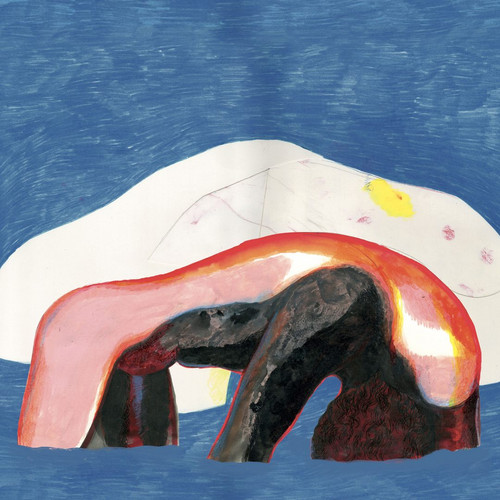
Phren
On Phren, Marta Salogni and Stefano Pilia build a shared electro‑acoustic architecture where guitar, tape machines and field recordings circulate like memory in motion. Signals move through modular processes, echoes and Revox loops until origin and reflection blur, turning six slow‑unfolding pieces into a living study of sound, time and feeling.
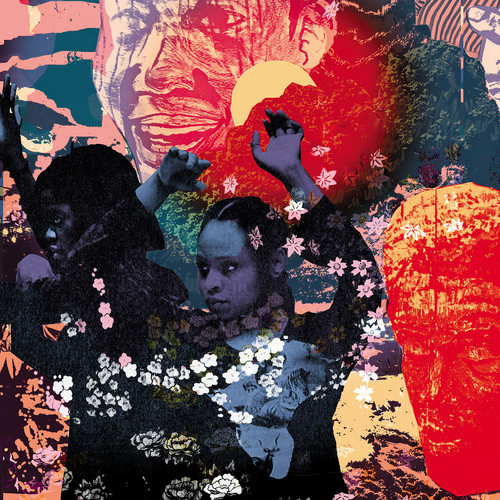
Dawning
Dawning is a collaboration between Chicago creative music mainstay Damon Locks and burgeoning Black chamber music collective D-Composed, featuring violinists Khelsey Zarraga and Anya Brumfield, violist Seth Pae, and cellist Lindsey Sharpe. The album was recorded live in the auditorium of The Land School, Rebuild Foundation’s headquarters in a reconstituted former elementary school on Chicago’s south side, where D-Composed & International Anthem have been creative partners-in-residence since its …
Schattenstimme
The starting point is E. T. A. Hoffmann's The Sandman: a world where perception and reality drift apart, and the question of identity remains unresolved. Recognition, in Hoffmann, is never quite secure. The doppelgänger is less a figure than a condition, the point at which the self can no longer vouch for itself.The first record, Lichtstimme begins in an open, almost weightless sonic world. Something still appears untouched. The music carries a sense of proximity, clarity and trust. But this sen…
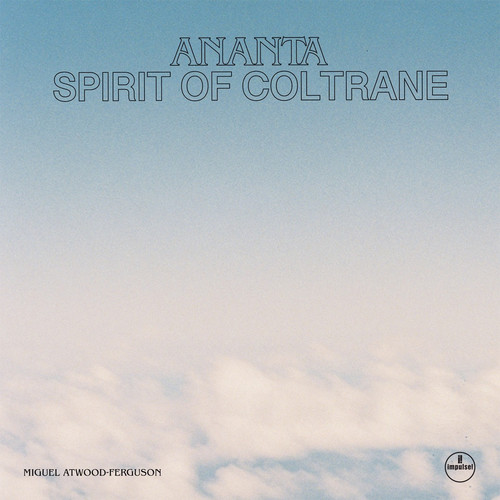
Ananta: Spirit of Coltrane
Miguel Atwood-Ferguson marks John Coltrane's centennial on Impulse! with a 21-piece collective (Brandee Younger, Shabaka Hutchings, Flying Lotus, Jeff Parker, Azar Lawrence), recasting Naima, Giant Steps and A Love Supreme as cosmic, spiritual music.
Lichtstimme
The starting point is E. T. A. Hoffmann's The Sandman: a world where perception and reality drift apart, and the question of identity remains unresolved. Recognition, in Hoffmann, is never quite secure. The doppelgänger is less a figure than a condition, the point at which the self can no longer vouch for itself.The first record, Lichtstimme begins in an open, almost weightless sonic world. Something still appears untouched. The music carries a sense of proximity, clarity and trust. But this sen…

Tribute To Monk
Limited edition CD & download album produced from a previously vinyl-only release, so available digitally here for the first time, with added live recordings from the same band. The album marks the first collaboration between Jazz In Britain and ReSteamed Records and is dedicated to Stan Tracey to mark the 100th anniversary of his birth. Thelonius Monk died on 17 February 1982. In early April, Stan Tracey recorded a tribute album to Monk, with a group he called Spectrum. This idea was dreamt up …
Bayhead
Emerging anonymously from Bristol's legendary electronic music scene, Capper Pass materializes on Indefinite Boundary with Bayhead – six tracks of smoldering neo-industrial textures, fractured southern rap rhythms and experimental sound design. Drawing inspiration from the ghosts of deindustrialization and the landscapes left behind, the name holds personal significance for one half of the project, who grew up near the former Capper Pass metal refinery in East Yorkshire, a site infamous for its …
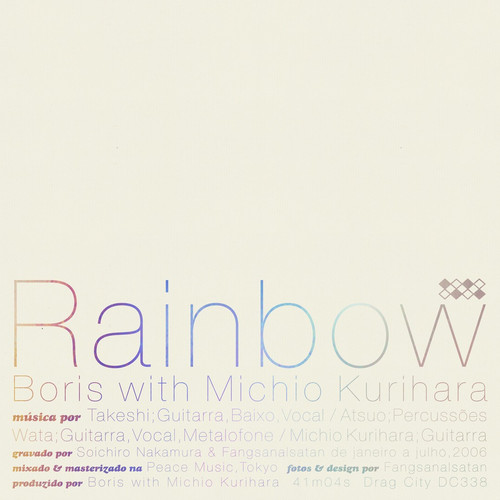
Rainbow
Boris and Michio Kurihara of Ghost and White Heaven first joined forces on Rainbow in 2006. Drag City now issues it on vinyl for its 20th anniversary: heavy psych, droning jams and short pop songs, in a tip-on sleeve with a vellum lyric insert.
Standing Circle
Debut self-titled album from Melbourne ensemble Standing Circle, led by Larry Crestani (guitar, kraartar, vocals). Eight tracks recorded live at The Grove, Melbourne, mixed and mastered by Nick Herrera. The record moves through spiritual jazz, jazz-funk and groove, with heavy Afro influence running through the rhythm section: congas, percussion and bass locking into rich African undertones throughout. Built around a shifting cast of Melbourne musicians and compositions that never repeat themselv…

Flight Of Fancy
“It's got a lovely bustle going on hasn't it! Absolute winner! All the component parts are spot on as well, I love the female voice and the brass and the keys... that's gonna sell out, no bother.” - Lee Skelly/Dime Records

Music For Terminals
*300 copies limited edition* Sophomore album from Palace Records label founder and heavily influenced by soundtrack and library music from the past including one of his hero's, John Cameron (Kes, KPM, Bruton) who features on the album (Swing Time). The record is an assortment of outré electronics (Siren Call, Squeaks And Bleeps), modal jazz (Swiftly, Waltz For Someone) and wonky disco (Line Stepper, The Shuffle). Other contributors to the album include members of Palace Records band The Kanpai Q…
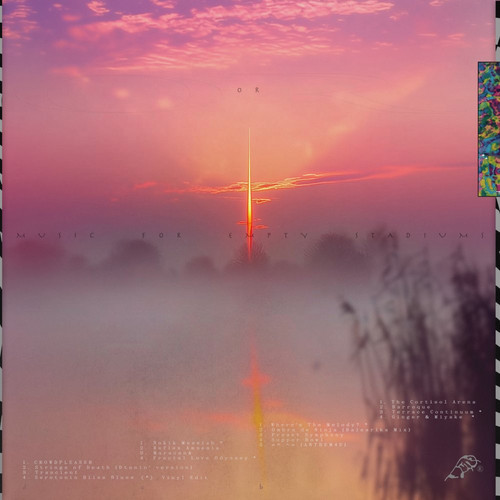
Music For Empty Stadiums
Or (AKA John Talabot) is a Catalan producer, electronic musician & DJ residing in Barcelona. his 2012 debut album ƒIN received critical acclaim from The Guardian (5*), Anthony Fantano, Pitchfork (8.5 BNM) & DJ Mag. Highly anticipated, Talabot's first album in over a decade. A more left-field side of Talabot, with tangle of cartwheeling synth hooks, bursting with colour & looping electronics.
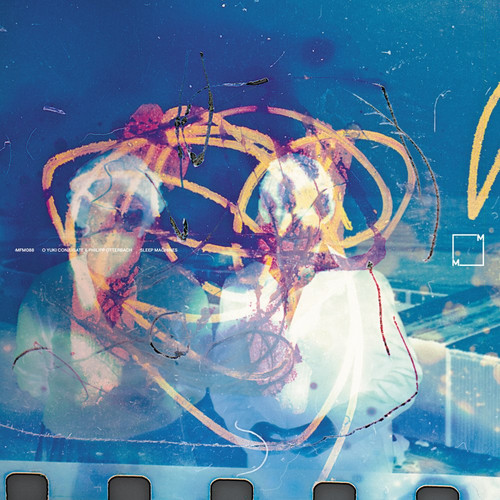
Sleep Machines
Music From Memory presents ‘Sleep Machines’, a new collaborative album from UK ambient pioneers O Yuki Conjugate and German producer and DJ Philipp Otterbach.
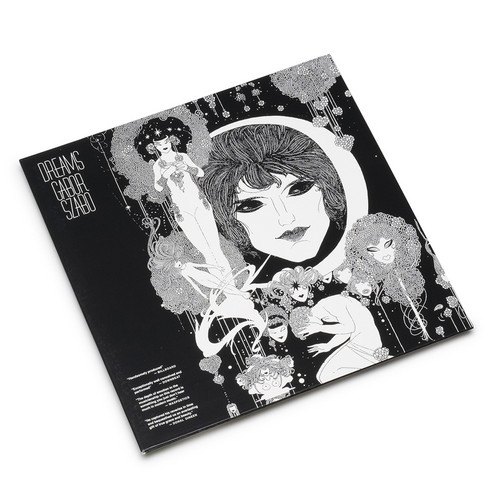
Dreams
Big tip! Mr Bongo proudly presents a reissue of Hungarian guitarist Gabor Szabo’s masterpiece Dreams. Blending lush, Eastern European-tinged psychedelic jazz with beautiful arrangements by Gary McFarland, its unique, delicate, charming sound has entranced record collectors for years. Originally released in 1968 on Skye Records, it’s quite rightly become a sought-after LP, and here at Mr Bongo, we wanted to reissue as close a replica edition as possible.
Hungarian-born, Szabo left his home countr…
Sold Out
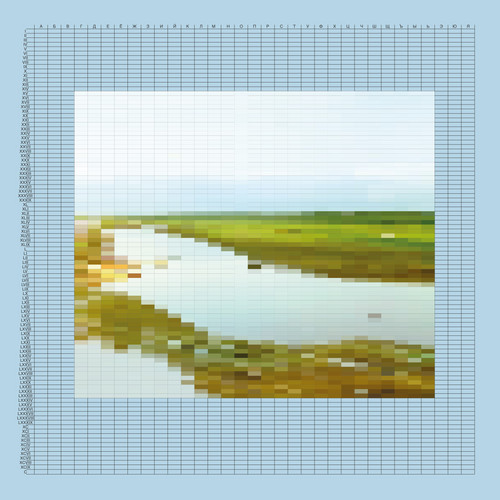
Pyshma
Yekaterinburg-based electronic artist Shine Grooves returns with Pyshma, a hypnotic new release on Gost Zvuk. Blending ambient textures, experimental electronics and subtle rhythmic movement, the record reveals an intimate and immersive side of the Russian producer’s ever-evolving sound.
Across eleven tracks, Pyshma unfolds like a collection of half-remembered landscapes: shimmering tones, delicate melodic fragments, lo-fi loops and understated beats drift in and out of focus, creating an atmosp…
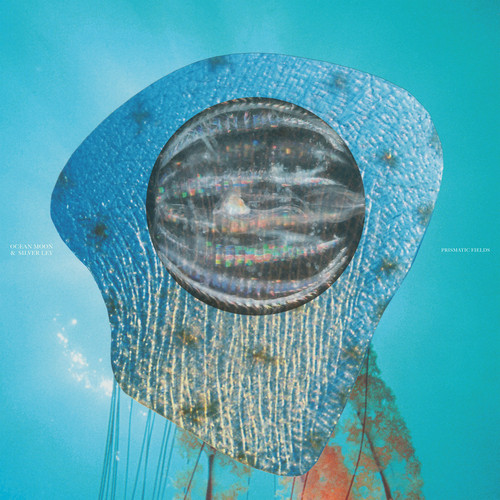
Prismatic Fields
Open Universe is a new record label founded in 2025 following an invitation to envision a series of releases for the German production music library Sonoton. Curated by Jon Tye (Lo Recordings, Ocean Moon, Seahawks, MLO) with a remit to explore and create new worlds of sound in which to dwell and discover. Prismatic Fields is a collaboration between Ocean Moon and Silver Ley (Jon Tye & Bethany Ley), together they create metaphysical pop from another dimension where warm oscillations mingle and re…
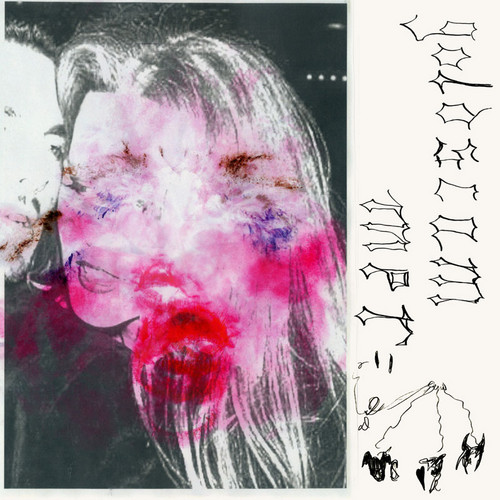
Mayday Royale
Remarkably, Tim Depraetere is releasing his debut solo LP only now. It feels like he’s been one of the strongholders of the Belgian underground for years. Which he is, really. We were introduced to his work when he was a member of Maan – the duo that only did one LP (on Kraak) and had a very strong live reputation. After that, he’s been around with, among others, Camargue, Tina, and as a collaborator with Annelies Monseré. And since a few years, also as Goldscammer. Thus far, Tim has released a …

More Chips
Tres Hongos, Jacob Wick on trumpet, Marc Riordan on piano and Frank Rosaly on drums, recorded live in Amsterdam in 2024: a trio of sharp turns, quick contrasts and restless momentum.
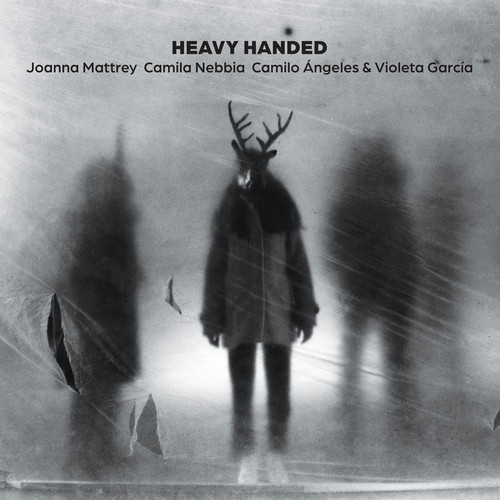
Heavy Handed
Joanna Mattrey on viola, Camila Nebbia on tenor sax, Camilo Ángeles on flute and Violeta García on cello, recorded live at Jazzwerkstatt Bern in 2024: strings, winds and breath in a shifting collective language.