Pan-Afrikan Peoples Arkestra / Nimbus West legacy
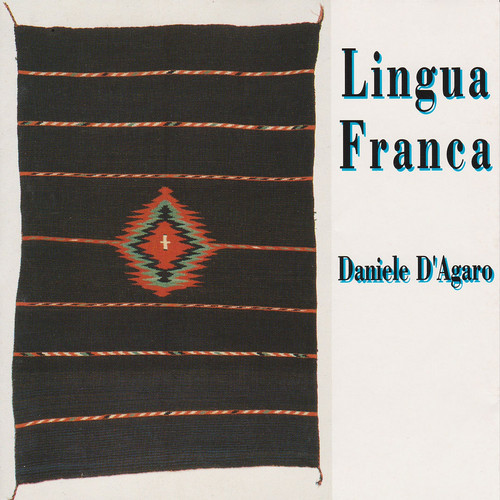
Lingua Franca
Lingua Franca: the language that allows different peoples to understand one another. And what better instrument than the clarinet - voice of klezmer, Alpine folk, New Orleans jazz - to speak across borders? Daniele D'Agaro was born in 1958 in Spilimbergo, Friuli, at the foot of the eastern Alps, where Italy, Austria, and Slovenia merge at a cultural crossroads. In 1979 he debuted with Andrea Centazzo's Mittel Europa Orchestra, then Berlin, then Amsterdam from 1983 - where the Dutch improvised sc…
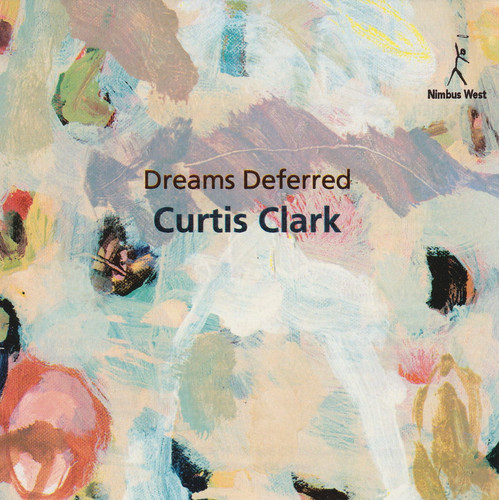
Dreams Deferred
The title comes from Langston Hughes: "What happens to a dream deferred? Does it dry up like a raisin in the sun?" For a pianist who traversed Chicago, Los Angeles, New York and Amsterdam chasing a musical vision few could grasp, the question is anything but rhetorical. Curtis Clark was born in Chicago in 1950, studied at the California Institute of Arts in Valencia, then moved to New York where he crossed paths with David Murray. But it was Europe where he found home - Amsterdam, where American…
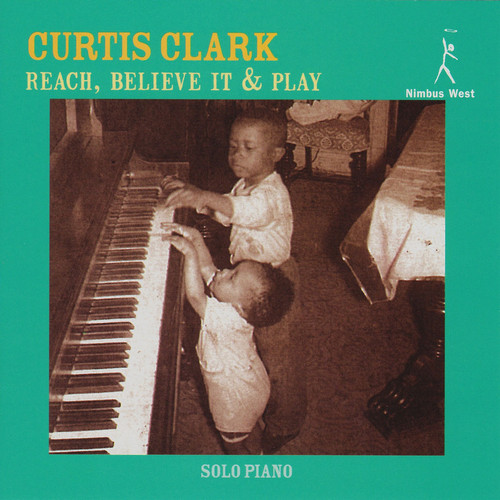
Reach, Believe It & Play
Solo piano. The format that separates the genuine article from the pretenders. No rhythm section to hide behind, no horns to share the weight. Just eighty-eight keys and whatever's in your soul. Curtis Clark came to this music through Horace Tapscott - not just as influence but as mentor. Born in Chicago in 1950, raised musically in Los Angeles, Clark became a Tapscott protégé, absorbing that open-ended spiritual approach to the keyboard before striking out for New York and eventually Amsterdam.…
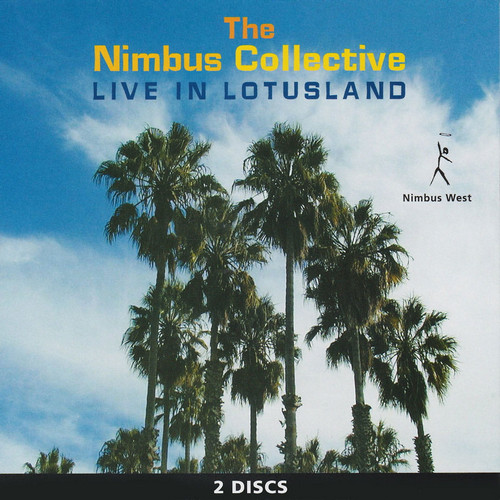
Live In Lotusland
"Trying to play serious music in an area as shallow and fad-driven as Los Angeles were too much for this band to deal with." So reads the liner note epitaph for one of the most potent ensembles to emerge from the UGMAA constellation. One hundred minutes of music. One night in Santa Barbara. July 1987. Then silence. The Nimbus Collective assembled six of the scene's finest: Nate Morgan on piano, Jesse Sharps on reeds, Danny Cortez on trumpet, Rickey Kelly on vibraphone, Joel Ector on bass, and De…
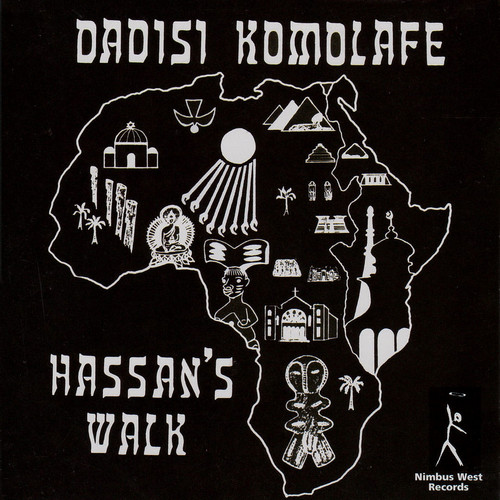
Hassan's Walk
One album. One statement. One of the great mysteries of the Nimbus West catalog. Born Arthur Wells, the alto saxophonist and flautist who became Dadisi Komolafe studied under Horace Tapscott at the Cross Roads Art Academy, the educational arm of UGMAA. He appeared on numerous Nimbus sessions throughout the late seventies and early eighties, a reliable presence in the extended family. But Hassan's Walk, recorded in Los Angeles in October 1983, remains his sole document as leader - and what a docu…
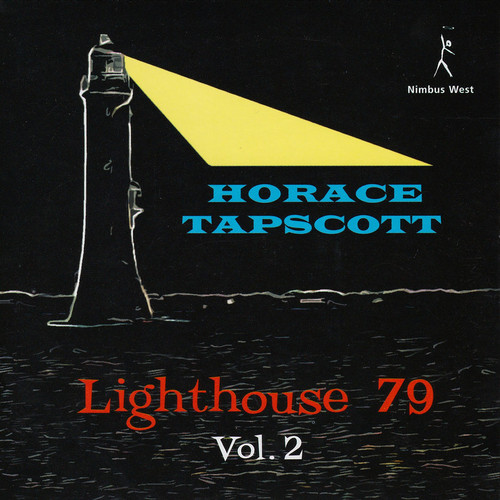
Lighthouse 79, Vol. 2
The second night. October 11, 1979. Same club, same sextet, completely different energy. Where Volume 1 leaned heavily on UGMAA repertoire, this follow-up session finds Horace Tapscott diving deep into the Great American Songbook with results that border on the transcendent.
The personnel remains unchanged from the previous evening: Reggie Bullen on trumpet, Gary Bias on alto, the twin-bass attack of Roberto Miranda and David Bryant, and George Goldsmith holding down the drums. But the setlist t…
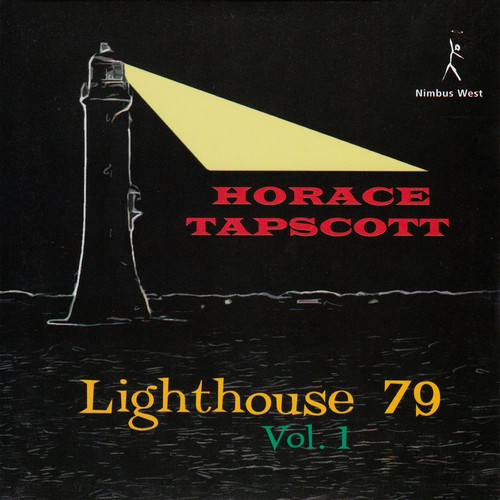
Lighthouse 79, Vol. 1
Recorded on October 10, 1979 at the legendary Lighthouse in Hermosa Beach, California, this unearthed treasure captures Horace Tapscott in the very temple of West Coast jazz, the club where Charlie Parker, Miles Davis, Chet Baker, Lee Morgan, and Elvin Jones had left their mark in previous decades. Under Rudy Onderwyzer's management, the Lighthouse continued hosting music of the highest caliber, and this evening stands as irrefutable testimony.
The sextet reunites some of Tapscott's most trusted…
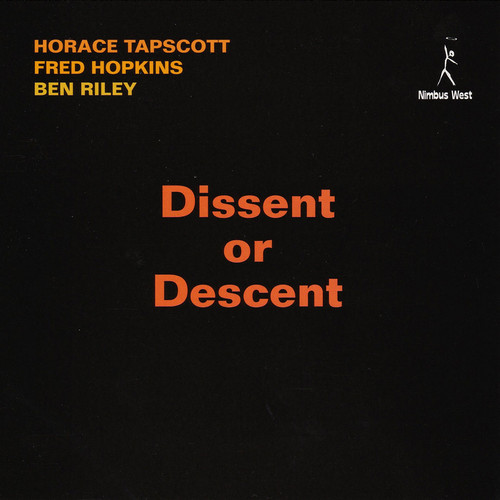
Dissent Or Descent
In 1979, Horace Tapscott traveled to New York and recorded In New York with Art Davis on bass and the immortal Roy Haynes on drums. That album captured something approaching magic - a West Coast visionary meeting East Coast rhythm masters on neutral ground. Five years later, Tapscott returned to NYC for another trio date. The results sat in the vaults for fourteen years.
Dissent Or Descent pairs Tapscott with Fred Hopkins on bass and Ben Riley on drums - two musicians whose credentials need no e…
The Tapscott Sessions Vol. 11
The final volume in the Tapscott Sessions series, Vol. 11 is gentler than some of its predecessors - stretched out and moody, with a contemplative feel that rewards patient listening. Twelve tracks recorded in 1982, released twenty-five years later as Tom Albach continued excavating the Lobero Theatre archive. What distinguishes this installment is the breadth of its sources. Tapscott opens with Horace Silver's "Nica's Dream," moves through the Mexican standard "Bésame Mucho," then lands on Sun …
The Tapscott Sessions Vol. 10
Drawn from two different recording sessions at the Lobero Theatre, The Tapscott Sessions Vol. 10 showcases Horace Tapscott in an especially exploratory mode. Nearly all original compositions here - "Miguel," "Roses In Bloom," "First Love," "Searching," "Upside Down," "Maya & Me" - hauntingly introspective pieces performed with a sense of creative searching that's incredibly powerful despite the absence of other instrumentation. The album runs seventy-five minutes. That's a significant amount of …
The Tapscott Sessions Vol. 9
Between 1982 and 1985, whenever Horace Tapscott felt ready, Tom Albach would hire an engineer, a crew, and a mobile sound truck to record him at the Lobero Theatre in Santa Barbara. Sessions typically ran between 2 and 4 a.m., when auto traffic fell quiet and the room's natural acoustic could breathe. Albach believed these solo recordings represented his greatest accomplishment as a producer - a conviction some found puzzling given its commercial futility. Solo piano albums by unknown pianists p…
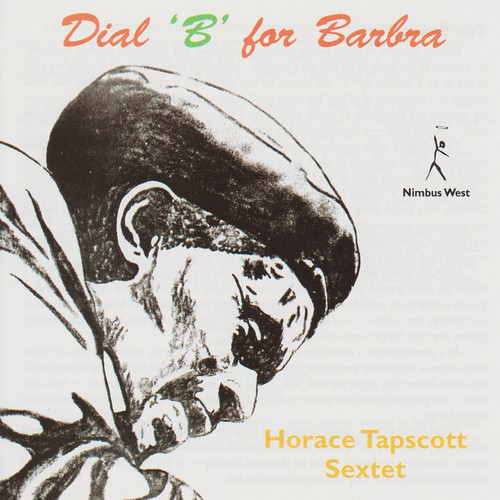
Dial ‘B’ For Barbra
Recorded on February 26, 1980 at United-Western Studios in Hollywood, Dial B For Barbra stands as one of the absolute peaks of Horace Tapscott's output for Nimbus West. Following his monumental orchestral sessions with the Pan-Afrikan Peoples Arkestra, Tapscott here condenses his vision into a sextet of extraordinary cohesion, achieving with just six musicians the same sonic vastness of his larger ensembles.
The album opens with "Lately's Solo," where Tapscott weaves Miles Davis's "Milestones" t…
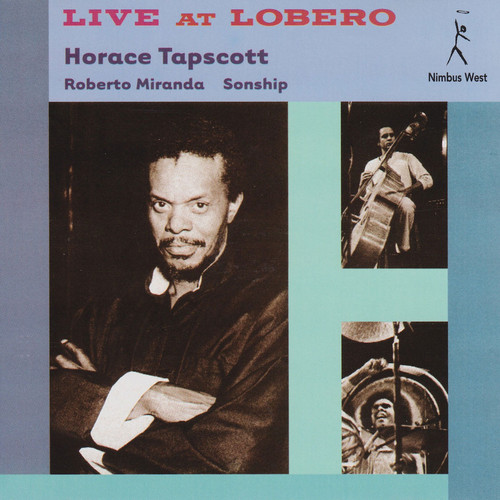
Live at Lobero
The Lobero Theatre in Santa Barbara, built in 1872 by local composer José Lobero, has witnessed over a century of California cultural history. On the night of November 12, 1981, it became the site of one of the most powerful trio recordings in the Horace Tapscott discography. Tom Albach captured it all for Nimbus West.
The group is a study in complementary forces. Roberto Miranda, born in New York to Puerto Rican parents but raised in Los Angeles since the mid-1950s, had been a member of UGMAA a…
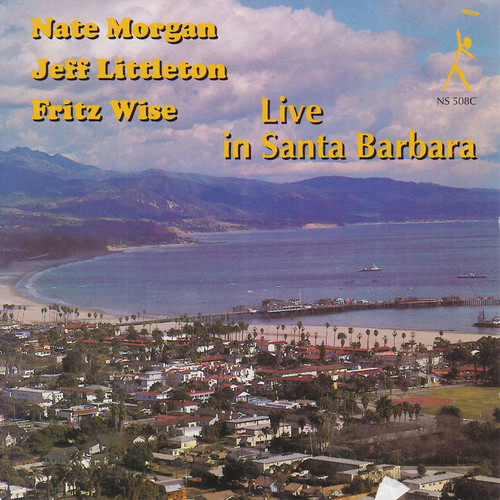
Live in Santa Barbara
"Yeah, I'm Nate Morgan. I'm going to play with you all." That's how a teenage Nate Morgan introduced himself to Horace Tapscott after hearing The Giant Is Awakened on the radio and tracking down the Pan Afrikan Peoples Arkestra. Not "I want to" - "I'm going to." He'd already been studying with Joe Sample and Hampton Hawes, but Arthur Blythe's wailing saxophone on that Flying Dutchman LP had gone straight to his heart. A spiritual experience, he called it. Over the next decades, Morgan became a c…
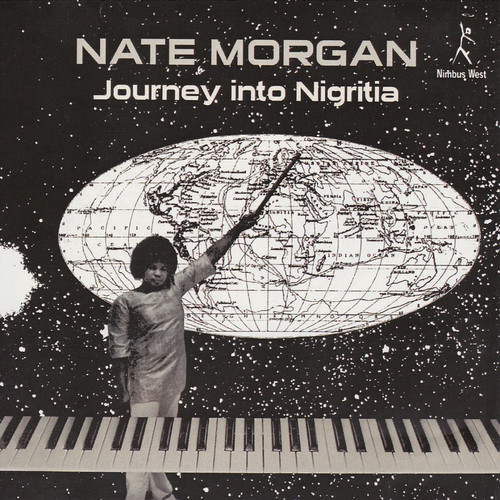
Journey Into Nigritia
Journey Into Nigritia, released in 1983 on Tom Albach's Nimbus West, was a declaration of arrival. Morgan assembled a quartet built for spiritual exploration: firebreathing reedsman Dadisi Komolafe on alto saxophone, Jeff Littleton on bass, Fritz Wise on drums. The rhythm section would become Morgan's anchor - Littleton and Wise appear on all three of his Nimbus recordings.
Six compositions. The album opens with "Mrafu," John Coltrane's influence immediately apparent - Komolafe gets right to wor…
Retribution, Reparation
One year after his debut Journey Into Nigritia, Nate Morgan returned to Tom Albach's Nimbus West studio with a statement so direct it left no room for ambiguity. The album's title alone - Retribution, Reparation - announced its politics. Where the first record had been a declaration of arrival, channeling Cecil Taylor's angularity and John Coltrane's spiritual seeking, this 1984 session was something else: a confident distillation of the Pan Afrikan Peoples Arkestra's communal fire into a surgin…
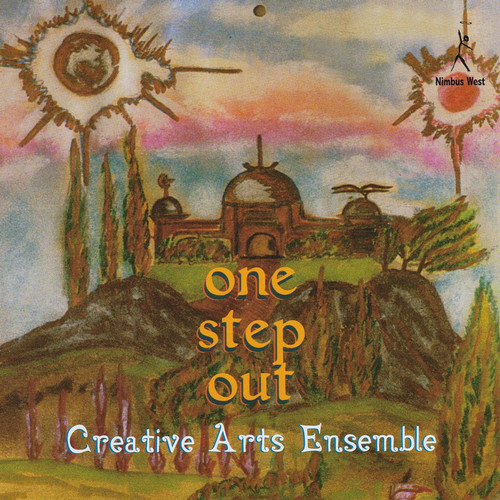
One Step Out
2412 South Western Avenue, Los Angeles. A mansion the Arkestra members had taken over for communal living. They called it the Great House. In the late 1970s, Michael Session - the Pan-Afrikan Peoples Arkestra's tenorist - brought a young pianist named Kaeef Ruzadun Ali through the front door. "When I walked in there," Kaeef recalled, "it was like this whole rush came over me, just from going in the front door. It was like a very, very warm feeling of love. I went and I came out with 'Flashback o…
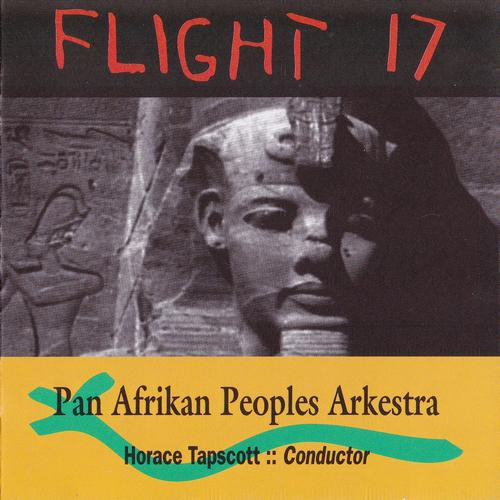
Flight 17
Seventeen years. That's how long it took the Pan-Afrikan Peoples Arkestra to make their first record. Founded in 1961 by Horace Tapscott as the Underground Musicians Association, the orchestra had weathered the Watts uprising, the ferment of the Black Arts Movement, a decade-long residency at the Immanuel United Church of Christ - all without committing a single note to vinyl. Not for lack of industry interest, but by choice: Tapscott wanted to build a community, not a recording career.
It was T…
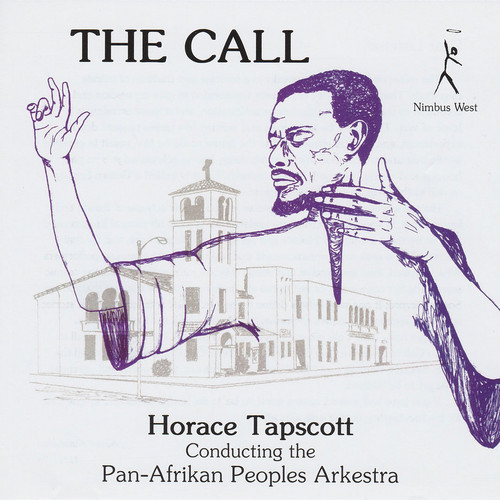
The Call
For nearly two decades, Horace Tapscott and his Pan-Afrikan Peoples Arkestra made music without making records. They played in parks, on street corners, at fundraisers, churches, community centers - anywhere the people needed them. While the rest of the jazz world chased contracts and critics, Tapscott was building something else entirely: an ark for the Black arts in the heart of Los Angeles.
The story of The Call is inseparable from this larger project. When long-time jazz devotee Tom Albach f…
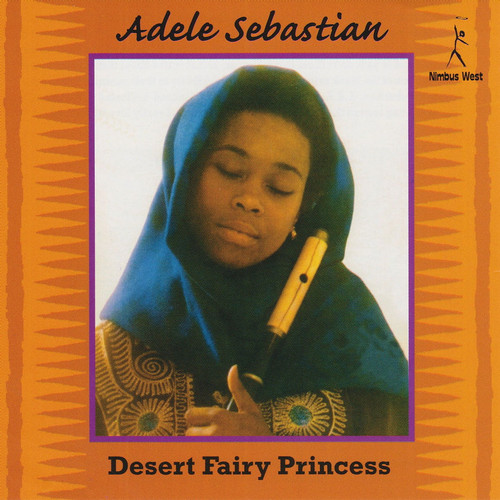
Desert Fairy Princess
There's a particular light in the music of Los Angeles's spiritual jazz community of the late 1970s - something warm, searching, unpretentious. Adele Sebastian's sole album as a leader catches that light perfectly. Recorded in 1981 and released on the legendary Nimbus West imprint, Desert Fairy Princess stands among the finest documents of West Coast creative music from the period.
Sebastian was born in Riverside, California in 1956 into a musical family - her mother played piano with the Albert…