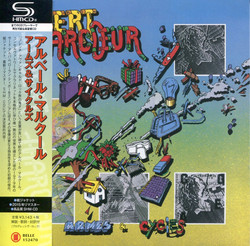
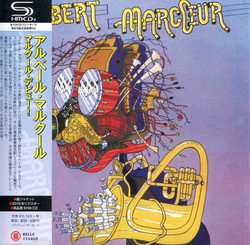
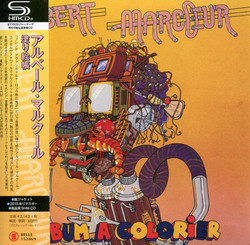
With his fourth album, released in 1983 on Le Chant du Monde, Albert Marcœur ventures into darker territories than ever before. Nearly five years had passed since Armes et Cycles, time enough for new currents to seep into his singular musical vision - most notably the chamber-of-horrors atmospherics of Belgian avant-prog architects Univers Zero and Present.
The core ensemble remains largely intact - Pierre Vermeire (harmonium, viola, cello, E♭ clarinet, flugelhorn, trombone), brothers Gérard and Claude Marcœur on drums and percussion - but the addition of Denis Brély on bassoon, harmonium, oboe and saxophones pushes the music toward unexplored shadows. Jacques Garret replaces François Ovide on guitars, while Bernard Morain adds further string textures. Marcœur himself handles vocals, clarinet, alto saxophone, melodeon and drums, as well as all compositions and arrangements.
The centrepiece is the eight-minute title track "Joseph", built on repetitive patterns and the dronal sonorities of harmonium - sinister moods that were not yet part of Marcœur's vocabulary. The standout "Con Que J'étais" dives deepest into these new grounds, evoking the oppressive grandeur of Univers Zero while retaining Marcœur's unmistakable sensibility. Yet the album never abandons his established language: the playful absurdism of "Téléphone Privé", the sardonic wit of "Velouté d'Asperges", the carefully deployed samples that punctuate throughout.
The music remains utterly serious - dense arrangements, intricate interplay between an extraordinary roster of instruments - while the vocals provide characteristic humour and theatrical delivery. It's the Zappa formula, filtered through a distinctly French avant-garde consciousness: funny lyrics over demanding, expertly performed music. Among Marcœur's studio recordings, this and its predecessor Armes et Cycles represent the pinnacle of his vision - a vision that kept the RIO flame burning bright through the 1980s while never succumbing to that decade's production excesses.
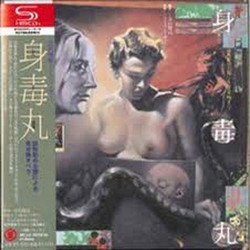
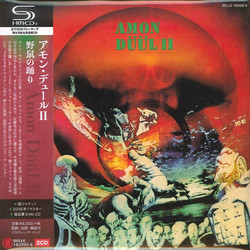
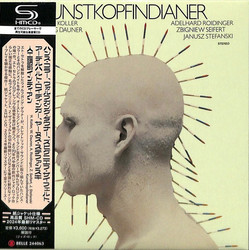
Japanese mini-LP gatefold sleeve edition on high-fidelity SHM-CD with obi-strip, liner notes and Japanese translation.