Teodros Makonnen
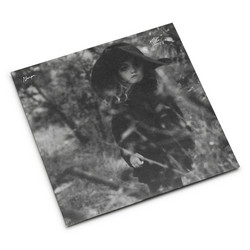
Teodros Makonnen With His Organ (2LP)
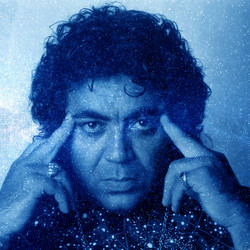
Some recordings can foreshadow the future in ways that are hard to grasp in the moment, and Teodros Makonnen With His Organ (Teodros Makonnen ከኦርጋኑ ጋር) is one of them. Known as Teddy Mak, Teodros Makonnen helped define the digital sound of Ethiopian music that emerged from the 1980s onward, not only as a keyboard player but also as a producer, songwriter, performer, and sound designer. Although electronic instruments and digital production are now taken for granted in Ethiopian music, the early 1980s treated them as novelties that divided opinions, and his story has never been fully told.
In the early 1980s, Ethiopian music was at a crossroads: new technologies could either elevate musicianship or replace it, depending on who you asked. Drum machines and electric organs started replacing many hotel bands because one musician could suddenly manage drums, melody, and accompaniment. Teodros was among the first in Ethiopia to explore what this shift made possible. His musical foundation began through his father, Captain Makonnen Beri, who brought home a piano from Germany and hired an Indian teacher to teach Teodros and his brother music theory and piano. After early schooling and further studies in American jazz, Teodros developed professionally as a teenager—mastering electronic sequencing and gaining prominence through disciplined midnight recordings during the military curfew—leading to collaborations with major Ethiopian artists and work with bands in hotel venues.
A turning point came when Teodros met a Saudi diplomat who owned a Yamaha double-deck keyboard. That same evening, they recorded Teodros Makonnen With His Organ in one take, quickly turning Ethiopian traditional songs into an entirely electronic experience. Using an electric organ with drum-machine backing and hypnotic rhythm patterns, the music created dreamlike soundscapes: familiar tracks became freshly arranged, mixing airy buoyancy with darker, more quirky moods and lingering, ethereal atmospheres. Originally released on cassette and long unknown outside Ethiopia, it represents both Teodros’s artistic legacy and a broader crossroads—electronics that some feared would signal decline, but that he used to open new creative possibilities, eventually shaping how Ethiopian music could “dream” through sound.