Zoviet France
The Gate Is Open (LP + 12” + T-Shirt Box Set)
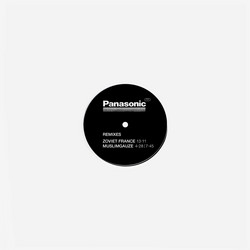
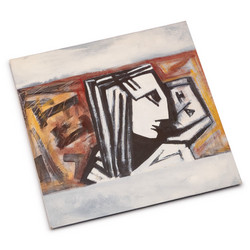
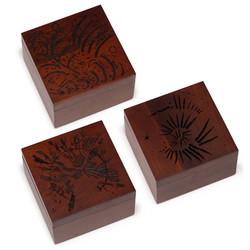
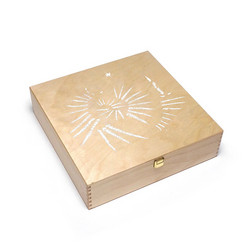
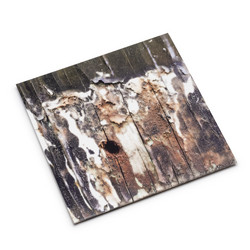
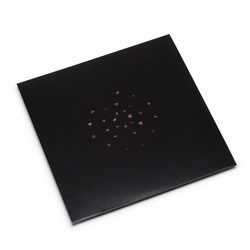
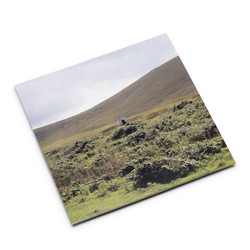
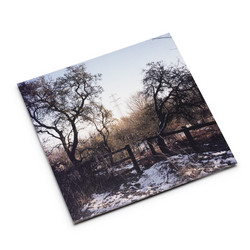
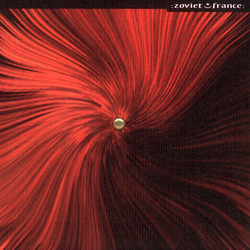
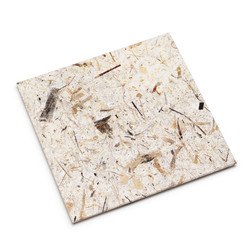
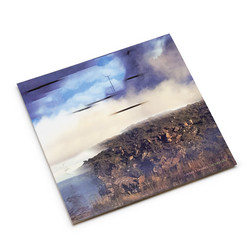
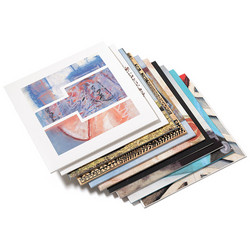
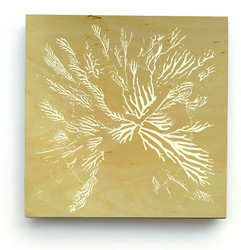
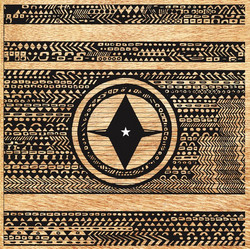
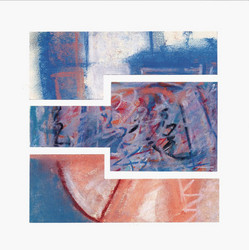
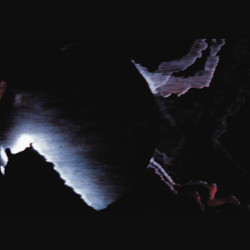
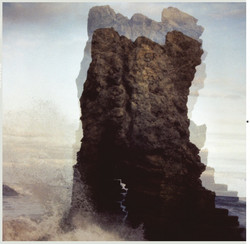
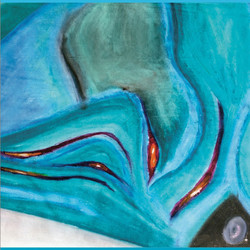
Tip! ** Edition of 300, Lp and 12" in 180 g DMM white vinyl with insert, T-shirt, and tote bag with ZF graphics. ** Released on 20 March 2026 to coincide with the spring equinox, The Gate Is Open is Zoviet France at their most elementally themselves: enigmatic, materially obsessive, and quietly radical. Issued by Hong Kong’s Xevarion Institute, the album is spread across a direct‑metal mastered 180‑gram white‑vinyl LP and 12-inch single housed in a custom box with a laser‑cut lid and debossed tray, accompanied by an exclusive T‑shirt (and, in some editions, a tote bag), all limited to 300 copies. Designed in close collaboration with Xevarion and Yuen Kim Wah - who previously helped realise the Châsse ∴ CD boxed set for VOD Records - the package reaffirms how deeply the group’s practice fuses sound, image and object into a single, hand‑forged ritual artefact. The Hong Kong release is part of a larger project that includes The Gate Is Open exhibition at The Catalyst gallery and a rare Zoviet France live performance at a secret location in the city. Billed as “the finest export from Newcastle upon Tyne,” the group bring to the region the perplexing visuals and auricular dazzle that have made them one of experimental music’s most enduring enigmas. Since the early 1980s they have crafted haunting soundscapes from found objects, tape loops and unconventional recording techniques, cultivating anonymity, cryptic packaging and small‑run releases that quickly became cult items, defining a transgressive art‑music fringe alongside Industrial, mail‑art and cassette‑culture movements.
Musically, The Gate Is Open extends their long‑standing combination of abstract sonic collage, electronic manipulation and art‑brut instrumental technique. Preview extracts such as “Down from the Upland” reveal a soundworld of slow, accretive textures: bowed metals, filtered radio ghosts, granular tape hiss, distant thuds and chimes layered into shifting, often unsettling landscapes. Melodic content is fragmentary, emerging as brief tonal smears or modal hints before dissolving back into the noise field; rhythm, when it appears, tends to be pulse rather than beat, an implied gait felt in the recurrence of certain swells and drops. The effect is luminous yet intangible: the sense of moving through a terrain that is partly external, partly psychic, where every scrape and echo seems to tug at something in the listener’s own unconscious. What makes Zoviet France’s work feel particularly acute now is how starkly it contrasts with the quantified, compartmentalised state of contemporary digital music. In an era where production often happens inside tightly controlled software environments, their methods remain stubbornly grassroots and tactile. Tape manipulation, found‑sound capture, physical media and a continuing penchant for collaboration and ritual define a practice aimed less at sonic perfection than at opening cracks in perception.
Recordings are heavily imbued with improvisation; ambiguity is not a byproduct but a central tool, reinforced by deliberate misdirection in titling, presentation and even authorship. As they’ve put it, “We feel our music works best when the inner workings remain out of sight. We intentionally invest it with a degree of esotericism that assists in making contact with listeners’ directed level of consciousness. It’s the outcome that’s important rather than the path.” The Gate Is Open embodies that credo. The box reveals just enough – a title, a slit of laser‑cut imagery, a handful of track names – to orient the listener without explaining the mechanism. Inside, the LP and 12-inch operate like two halves of the same invocation, their sides offering different vantage points on a shared set of materials and concerns. Taken together with the exhibition and performance, the project functions as an extended threshold: a gate in both metaphorical and literal senses, admitting you into a space where sound, object and place (Newcastle, Hong Kong, the in‑between) fold into one another. In keeping with their forty‑plus‑year trajectory, Zoviet France do not resolve the mystery; they simply construct another, exquisitely detailed chamber inside it, then invite you to step through.