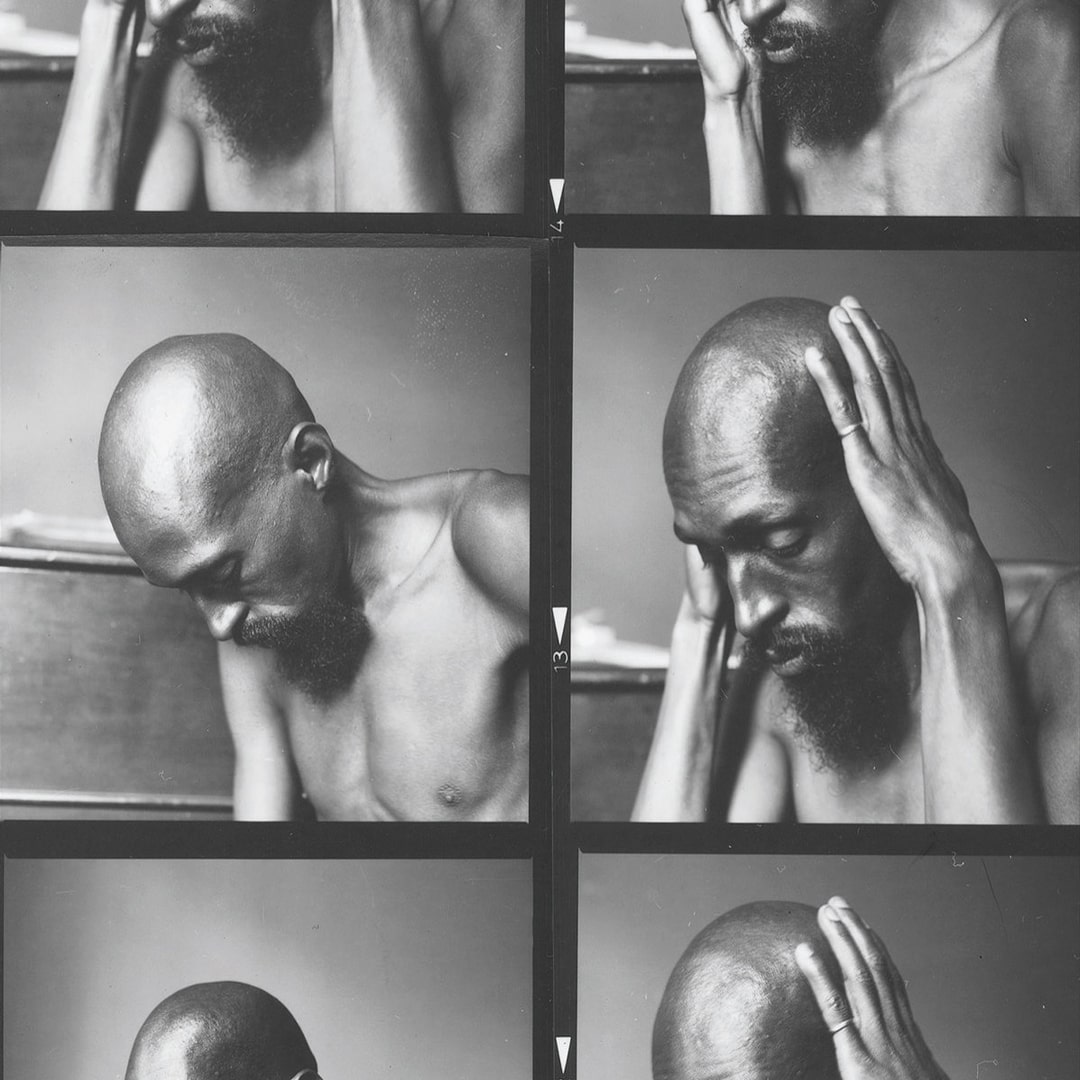
“Though never intended as an album as such, the first appearance of Femenine is nonetheless a major landmark in both Eastman’s posthumous narrative and the story of the American avant-garde.”
According to all eyewitness accounts, Julius Eastman was hard to ignore. He was lithe, he had a five-octave voice and an improviser’s intelligence at the piano. When he was healthy, Eastman was sought out by famed conductor Pierre Boulez. He played jazz in a combo that frequented clubs in Buffalo, contributed synths and vocals to an experimental disco outfit organized by Arthur Russell, and sang in early groups led by Meredith Monk. As a queer African-American member of the avant-garde, he cut a unique figure in the 1970s by necessity. Composer and trombonist George Lewis remembers that, to him, Eastman represented “a singular figure of presence” in those years, since “black artists were far less in evidence in the Downtown New York music scene than queer ones.”
Originally published by Pitchfork.Read it on Pitchfork