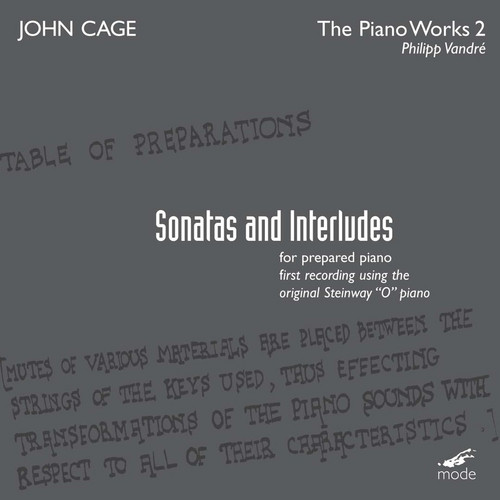
The Piano Works 2 - Sonatas And Interludes For Prepared Piano
John Cage's Sonatas and Interludes for prepared piano played by Philipp Vandré, the first recording on a Steinway “O”-type baby grand, the piano Cage composed on, with corrections to discrepancies in the printed score.
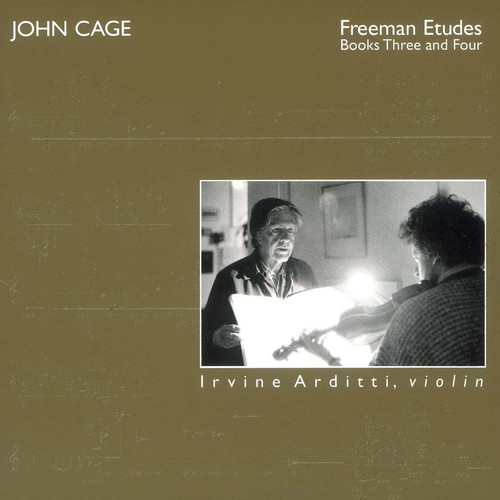
Freeman Etudes, Books Three And Four
First recording of the second half of John Cage's Freeman Etudes for violin, Books Three and Four, played by Irvine Arditti, the second release in his traversal of Cage's complete violin works for Mode. Released 1989.
Complete string quartets, volume 2
Two string quartets by John Cage played by the Arditti Quartet: String Quartet in Four Parts (1949-50), in a new recording, and Four (1989), a first recording written for the ensemble. Composer-supervised sessions.
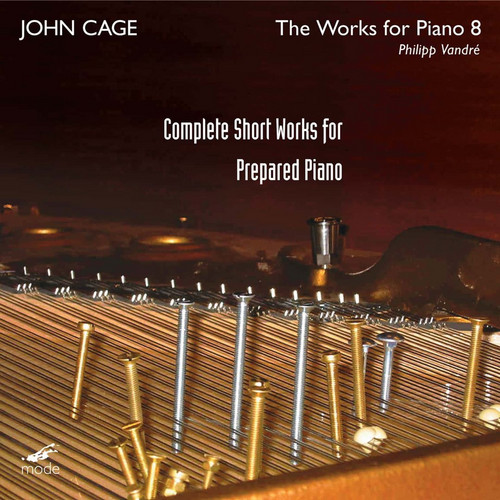
Complete Short Works for Prepared Piano
All of John Cage's short works for prepared piano on two CDs, everything except Sonatas and Interludes, played by Philipp Vandré.
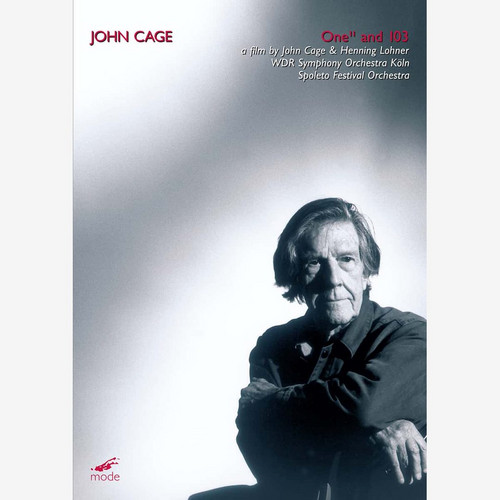
One11 And 103
First commercial release of John Cage's only major film, One11 (1992), directed by Henning Lohner, with the orchestral work 103 as soundtrack in two performances (WDR Sinfonieorchester Köln, Spoleto Festival Orchestra), plus a documentary and an interview.
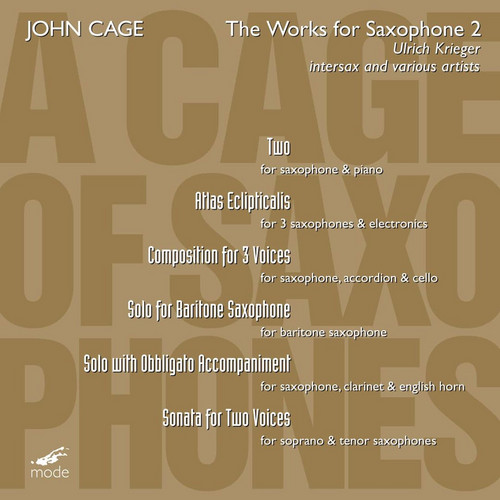
A Cage of Saxophones 2
Second volume of John Cage works for saxophones, played by Ulrich Krieger and his ensemble: early pieces of unspecified instrumentation, saxophone parts drawn from Atlas Eclipticalis and Concert for Piano and Orchestra, and the first saxophone version of Two.
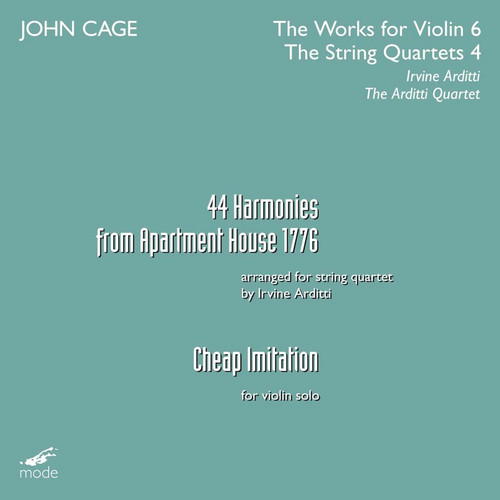
44 Harmonies from Apartment House 1776
First recording of all 44 Harmonies from Cage's Apartment House 1776, arranged for string quartet by Irvine Arditti and played by the Arditti Quartet, with Arditti's solo violin performance of Cheap Imitation.
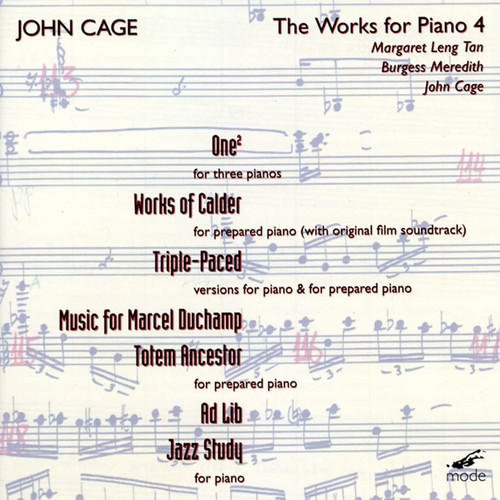
The Works for Piano 4
Piano works by John Cage played by Margaret Leng Tan: 1940s pieces found at his publisher including Triple-Paced, Ad Lib and Jazz Study, the Works of Calder film score, and One2 for three pianos.
Iannis Xenakis
Trifold glossy slipcase includes two CDs, label catalogue and 16-page booklet of liner notes and images. For new initiates and avant-garde fiends alike, this Iannis Xenakis collection renders a breathtaking survey of works by the radical composer, theorist, architect and engineer, spanning the period 1956-1974 and featuring some of the greatest works of the 20th century, including the awe-inspiring sonic architecture of ‘Persepolis’.Inarguably one of the most important composers to blend electro…
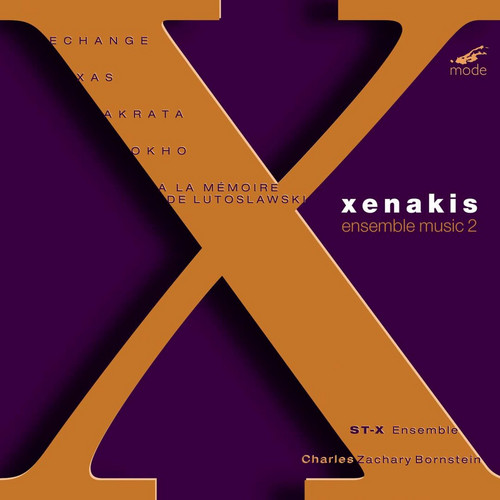
Ensemble Music Vol.2
Five Xenakis works for ensemble recorded in New York in 1996 with the composer's participation: Akrata, Echange, Xas, Okho and the first recording of A la Mémoire de Witold Lutoslawski, by the ST-X Ensemble.
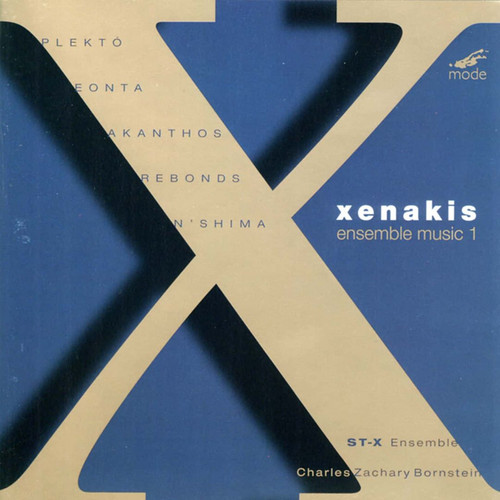
Ensemble Music Vol.1
Xenakis's works for ensemble and voice recorded in concert by New York's ST-X Ensemble under Charles Zachary Bornstein: Plektó (first recording), Eonta, Akanthos, Rebonds and N'Shima.
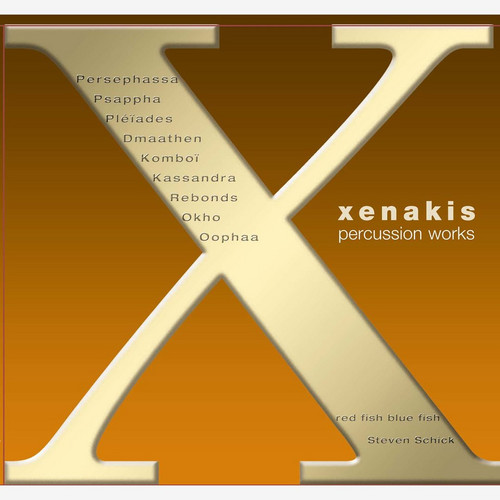
Percussion Works
First complete set of Iannis Xenakis's percussion works on three CDs: sextets, duos and solos, including Persephassa, Pléïades, Psappha, Kassandra and Rebonds, played by Steven Schick and the ensemble red fish blue fish.
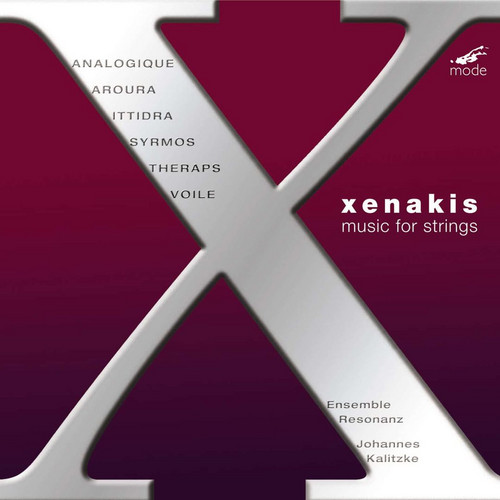
Music for Strings
All of Xenakis's chamber music for strings except the quartets, from Syrmos (1959) to the first recording of Ittidra (1996), played by Ensemble Resonanz under Johannes Kalitzke, with John Eckhardt on solo contrabass in Theraps.
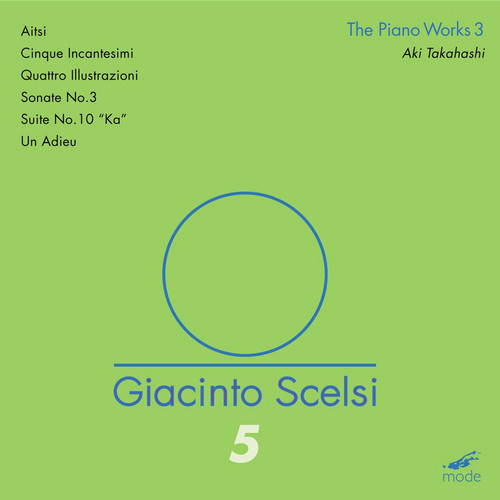
The piano works 3
Aki Takahashi plays Giacinto Scelsi's piano works in 2005 recordings, mostly pieces she prepared with the composer, including the Quattro Illustrazioni depicting the incarnations of Vishnu.
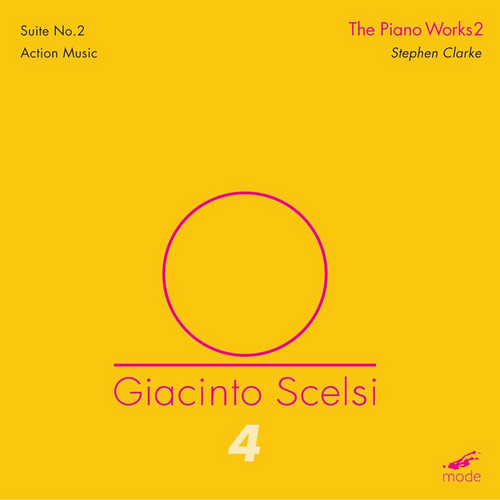
The piano works 2
Two Scelsi piano works played by Stephen Clarke: the first recording of the 1930 Suite No. 2 and Action Music (1955), in the second volume of Mode's Scelsi Edition devoted to the piano.
Music For High Winds
Giacinto Scelsi's music for woodwinds, mostly from the 1950s, for solo clarinet, flute and duos with oboe and piccolo, played by Carol Robinson, who worked with the composer, with Clara Novakova and Cathy Milliken.
Black Angels and Makrokosmos III
Two George Crumb works of the 1970s: Black Angels in an arrangement for string quartet and string orchestra, with Cuarteto Latinoamericano, and Makrokosmos III for two amplified pianos and percussion, conducted by Juan Pablo Izquierdo.
Advance of the Fungi
First CD collection of George Cacioppo's music: six chamber works from 1960-66 including Time on Time in Miracles, Advance of the Fungi and Holy Ghost Vacuum or America Faints, played by French ensembles, with Cacioppo himself on electric organ.
The Previous Evening
Former Henry Cow guitarist Fred Frith pays homage to three giants of contemporary classical music: John Cage, Morton Feldman and Earle Brown. In his own inimitable fashion, Frith has tried to incorporate the chosen composer's own working methods into each of the three pieces that make up The Previous Evening. As he explains in the enclosed booklet regarding his John Cage homage: 'Fragments of text heard in Part 1 were taken at random from Cage's book Silence. Tape editing, the structure of the e…