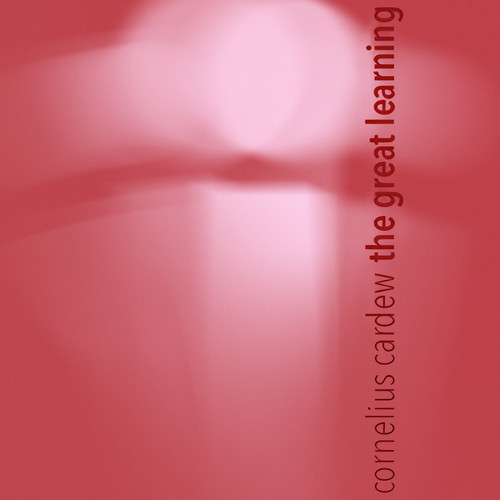
The Great Learning, complete: Cornelius Cardew and the Scratch Orchestra Strasbourg
Presenting a powerful proof of experimental music's enduring capacity to instigate intimate collaboration and collective voice on the grand scale, just at a moment in history when we need it the most, the Scratch Orchestra Strasbourg - members of the famed Dedalus ensemble augmented by a constellation of diverse artists and musicians - deliver one of the only full recordings of all seven of the paragraphs that comprise Cornelius Cardew's astounding magnum opus The Great Learning. Deeply rooted in the composer's radical left-wing politics and notions of community and collective participation, The Great Learning stands among the most important compositions of the 20th Century avant-garde. Channeling the work's incredible spirit under the direction of the original score, this stunningly produced 4CD box set from Shiiin stands high among the most sonically intoxicating and historically important releases of 2026.
While the subject of art's relationship to society has remained a fiercely debated subject across the history of avant-garde and experimental music, these sounds have always stemmed from liberated sonic vocabularies that challenge longstanding social architectures. Not only have they rewritten the terms of what music can be understood to be, but also who is intended to make and hear it, and how those groups might organize - be it as makers or listeners - around and through the sonic event. Standing in stark contrast to peers like John Cage and Karlheinz Stockhausen regarding the place of politics and expressions of the self in music, few of the 20th Century's great avant-garde composers embraced a more radical position on sociopolitical expression than Cornelius Cardew, so much so that his critiques of the context's relationship to capitalism and imperialism, as well as its tendencies toward certain exclusivities, led to him abandoning the idiom altogether. Despite where his beliefs eventually led him, for most of Cardew's all too brief career, he endeavored to create democratic and participatory forms of avant-garde music, leaving behind a profoundly striking and singular body of work.
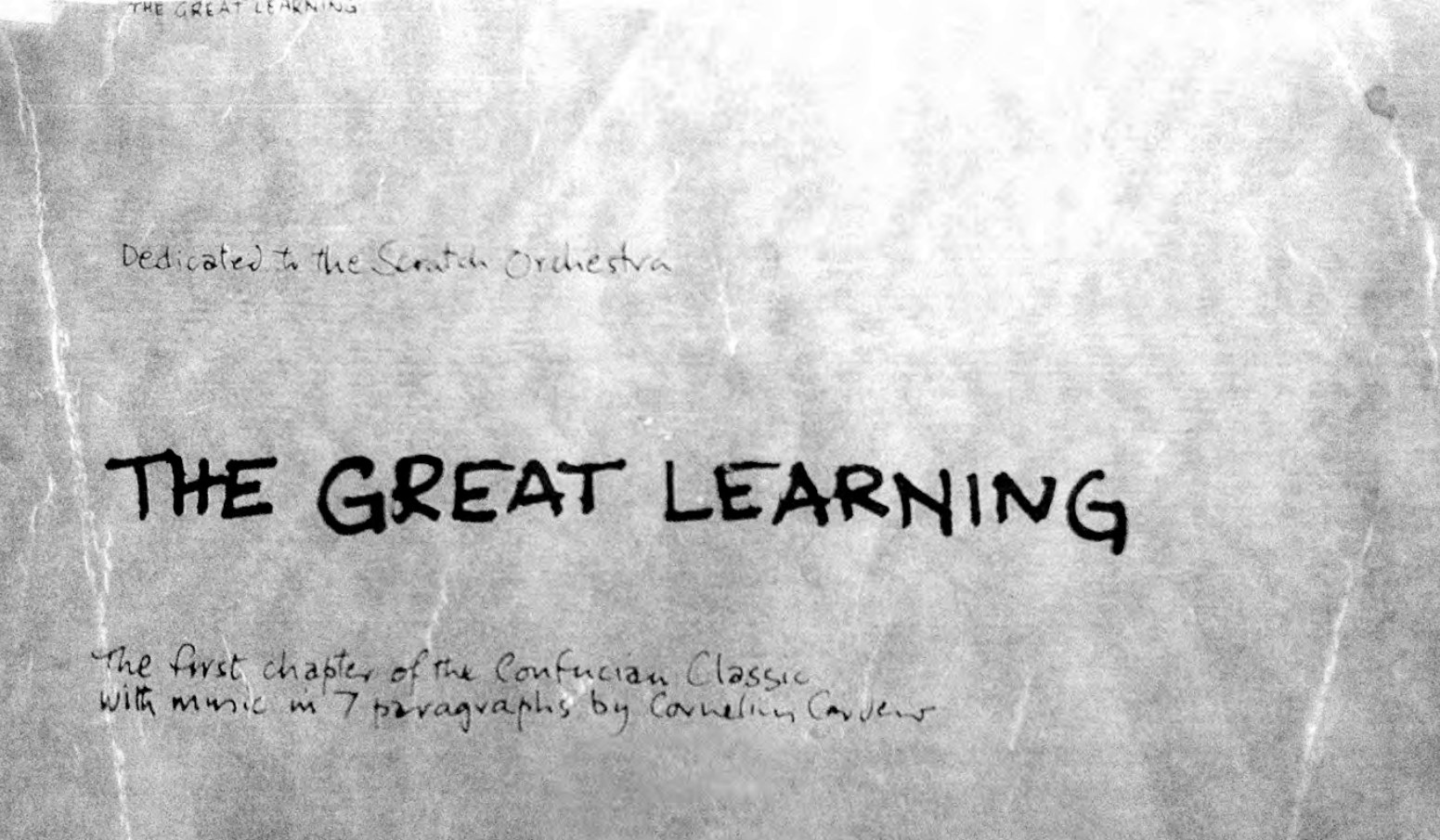
Among the crowning jewels of these works is The Great Learning, comprising seven parts or "Paragraphs," composed between 1968 and 1971, drawing upon translations of Confucius by Ezra Pound. Largely conceived for the Scratch Orchestra, the remarkable, multidisciplinary collective that he founded with the composers Michael Parsons and Howard Skempton in 1969, there have been very few attempts to perform or record the entire work, despite more than 50 years having passed since it premiered and its legendary status having only continued to grow. Even the Scratch Orchestra's legendary rendering from 1971 - recently reissued by Deutsche Grammophon - only tackles Paragraph 2 and Paragraph 7, with many of the subsequent recordings by various ensembles roughly following suit.
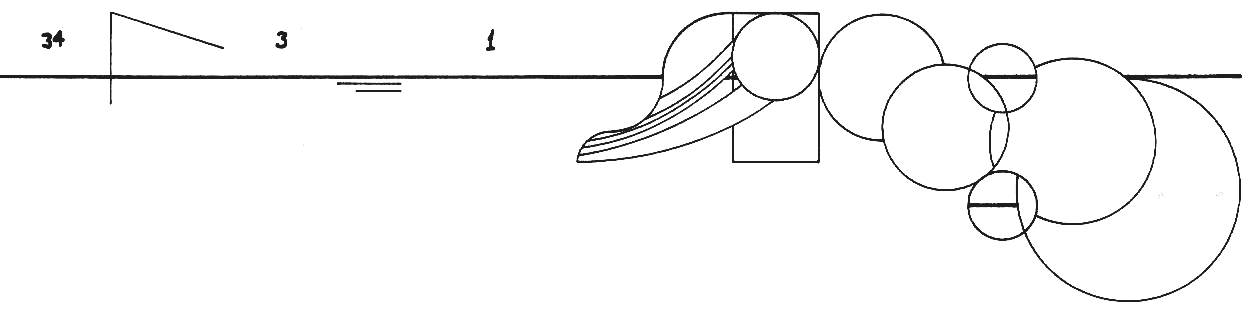
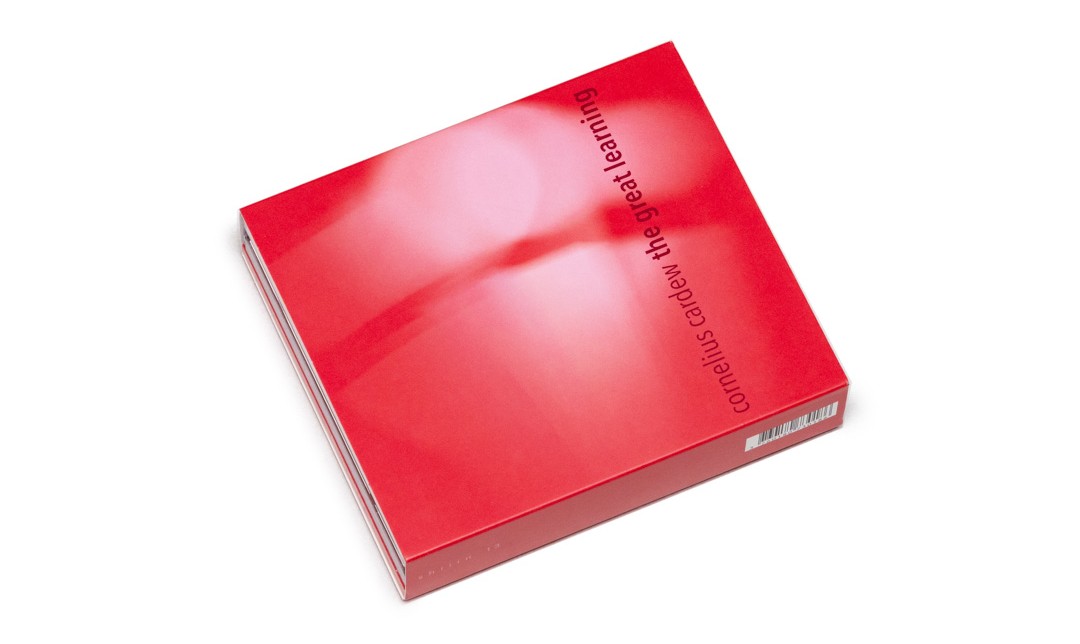
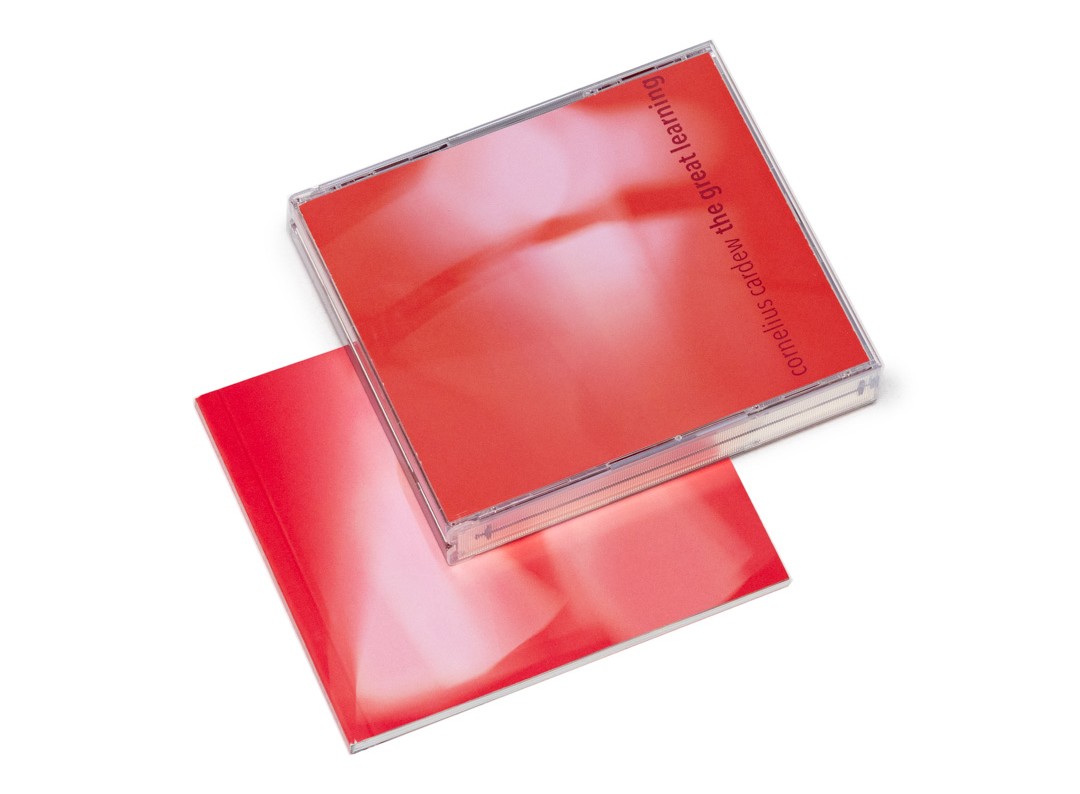
Now, members of the Dedalus ensemble - noted for their amazing work with composers like Philip Glass, Sarah Hennies, Éliane Radigue, Brian Eno, Catherine Lamb, and numerous others - alongside professional musicians from Strasbourg, directed by Didier Aschour and assembled under the banner of the Scratch Orchestra Strasbourg, have taken on the astounding task, culminating as a mind-blowing 4CD box set collection, issued by the French imprint Shiiin, comprising performances staged between 2024 and 2025 of all seven paragraphs of The Great Learning. Amounting to roughly four and a half hours of riveting real-time creativity, guided by meticulous readings of Cardew's scores and taking great lengths to embody the collaborative and collective spirit that lies at the heart of its composition, few ensembles working today could be more well suited or have delivered a more compelling rendering of this monumental work, rarely encountered in its totality. Easily one of the most important releases of the year, this stunning box set edition comes complete with a 116-page booklet, comprising information about the ensembles and their players, as well as two essays, respectively by Dean Inkster and Matthieu Saladin, illuminating Cardew's aesthetic and political trajectory, and the specific mechanisms employed in each of the work's paragraphs. This one is huge in every sense of the word and an absolute must!
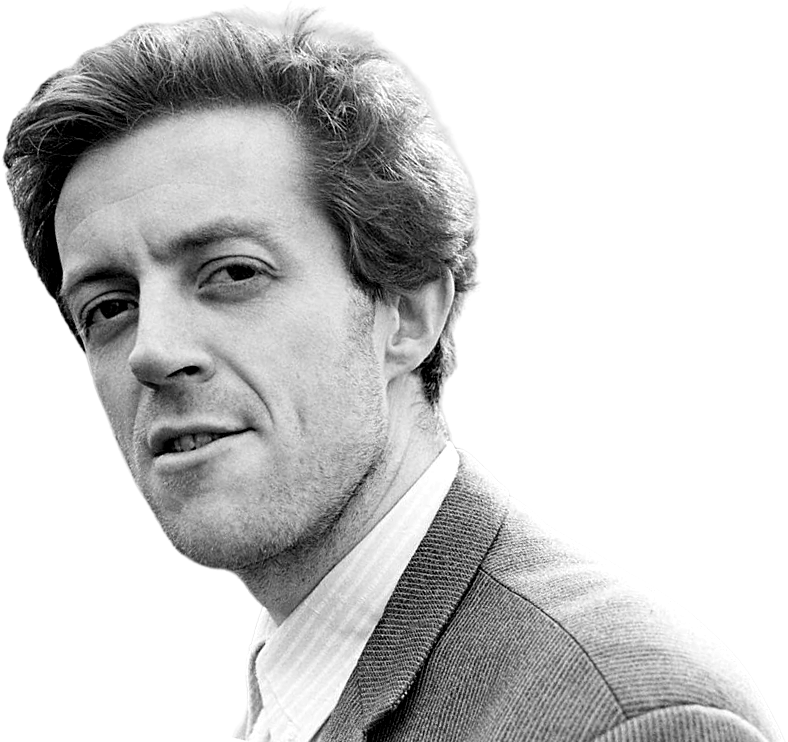
The brief career of the English composer Cornelius Cardew (1936-1981) - spanning just over two decades, prior to his death by hit and run at the age of 45 - is a near perfect illumination of the various streams and evolutions within the European avant-garde during the years that he worked. Quick to have his prodigious talent acknowledged, following his studies at the Royal Academy of Music in London, Cardew moved to Cologne in 1958, where he worked for a number of years as an assistant to Karlheinz Stockhausen at the Studio for Electronic Music at Westdeutscher Rundfunk (WDR). It was during that period that he would first embrace post-Schönbergian serialism, before beginning to incorporate indeterminacy and aleatoric (chance based) methods, as well as broader philosophical attitudes inspired by La Monte Young. Following his return to London during the early 1960s, the composer quickly emerged as a prominent figure within the English avant-garde, performing the works of Cage, Young, Morton Feldman, Earle Brown, and Christian Wolff regularly, entering into a prolific period of composition, and joining the group AMM in 1966, roughly a year after its founding by Keith Rowe, Lou Gare, and Eddie Prévost - a move foreshadowing the commitment to political collectivism and a multifaceted creative practice that would come to define his output over the remainder of the 1960s and early 1970s.
While Cardew composed a considerable body of work independent of it, in many ways his legacy and most notable accomplishments are entwined with the Scratch Orchestra, the collective that he founded with Howard Skempton and Michael Parsons, that was active between 1969 and 1974. At the root of the group's founding, incorporating a loose membership of trained and untrained composers, musicians, and practitioners of various other art forms, was Cardew's monumental work The Great Learning, originally coming together to perform a small number of its completed paragraphs at the Round House in London in May of 1969. As the pianist and early Scratch Orchestra member John Tilbury states, both the ensemble and the piece were expressions of Cardew's aim "to transcend the most fundamental precepts of Western Art and in particular that of the artist as aristocrat. The Scratch Orchestra was an expression of the universality of Art; Art as a way of life." Gathering together members of the Dedalus ensemble, alongside professional musicians from Strasbourg - all well-versed in improvisation, graphic scores, and open-ended protocols - assembled under the banner of the Scratch Orchestra Strasbourg, led by Didier Aschour, it is exactly this spirit that was focused on when playing the incredibly rare rendering of the complete seven paragraphs of The Great Learning before us now.
As is often the case, chance and circumstance play their part in any happening. The inception of the Scratch Orchestra Strasbourg and their rendering of the complete paragraphs of Cardew's The Great Learning were instigated by a program dedicated to "protocol-based" works highlighted by the exhibition User Manual: Following the Artist's Instructions, curated by Anna Millers and Philippe Bettinelli, with Matthieu Saladin overseeing the musical component, held at the Museum of Modern and Contemporary Art in Strasbourg, exploring works that "challenge conventional notions of interpretation, originality, and transmission" through their written, oral, or graphic instructions.
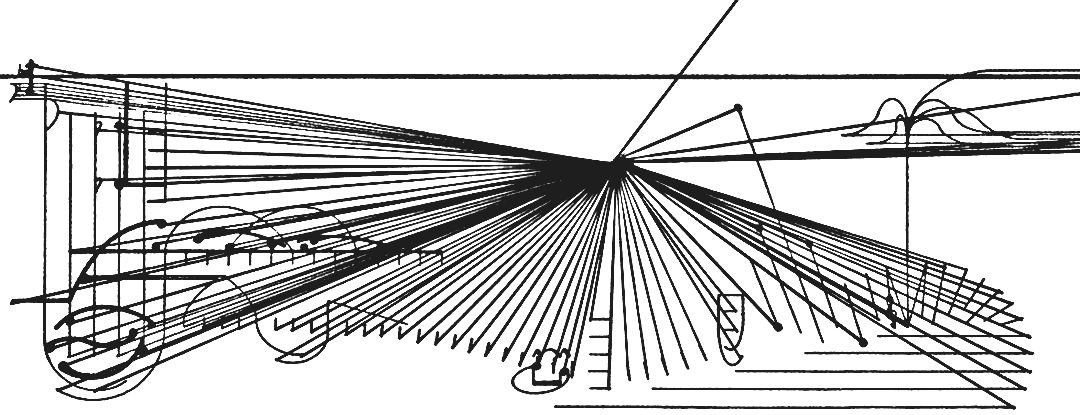
Channeling the spirit of the original Scratch Orchestra, the festival issued an open call for participation, with no requirements regarding skill level or musical background, welcoming amateur and professional musicians, self-taught individuals, and those with no prior musical experience on equal footing, stating that "the goal was neither to replicate the structure of a traditional orchestra nor to create an exact replica of Cardew's original ensemble, but rather to reactivate its core principle: transforming a diversity of skills into a shared, collective resource," resulting in the Scratch Orchestra Strasbourg. The group's initial performances were held at the 42nd edition of the Musica Festival in 2024, while those that produced these recordings were staged at the Saint-Paul Reformed Church in Strasbourg, between November 27th and 29th, 2025.
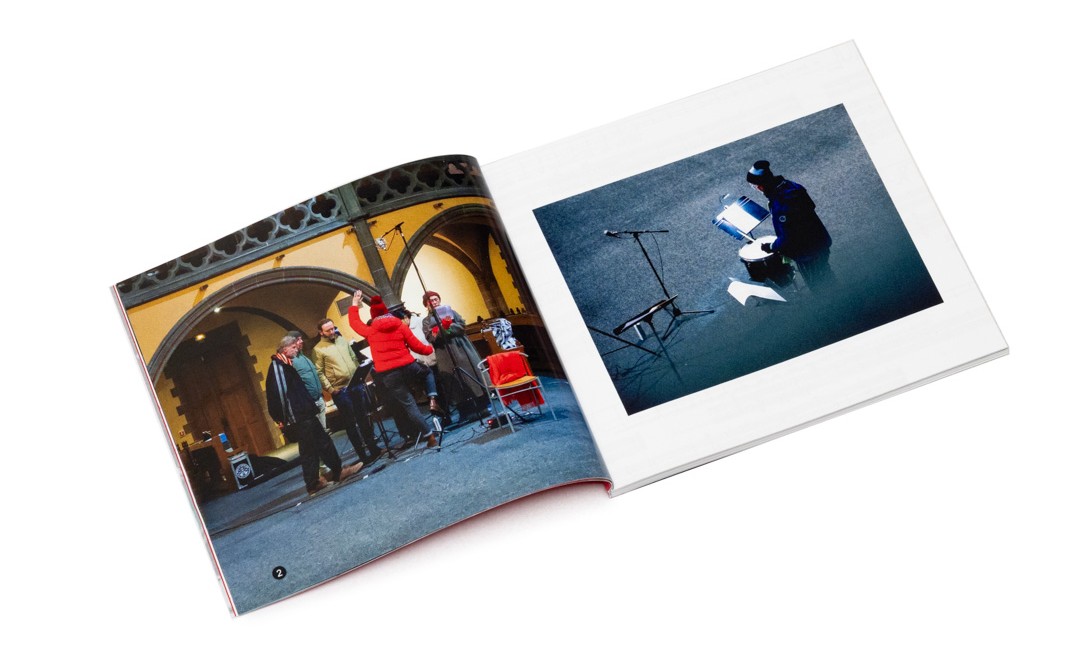
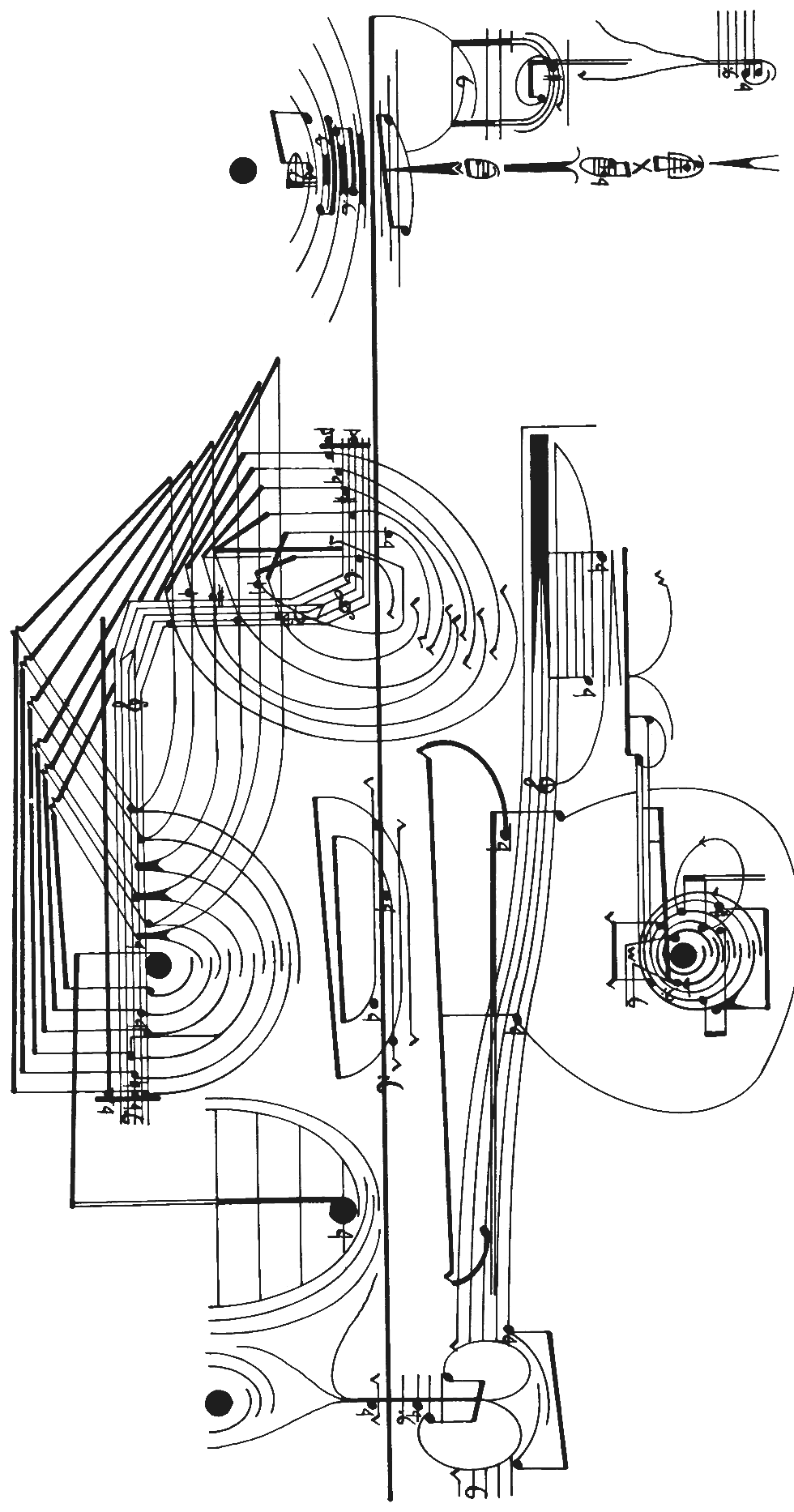
Based on a Confucian text oriented around the harmonious organization of collective life, Cardew's The Great Learning utilizes both graphic and verbal notation to blend voices, instruments, objects, and actions, with each member of the ensemble being invited to contribute using their own means and their capacity to listen. Each of its stagings will result in a distinct rendering, each dependent on what participants bring to it and how they respond to both the score and other players in a given moment. Given how wild and radical the work is in its conception, the results, including this remarkable recording produced by the Scratch Orchestra Strasbourg, are surprisingly approachable and joyous: minimal and constrained, while flowing and liberated with moments of intoxicating harmonics and dissonance. A towering gesture that stands on its own on musical terms alone, in many ways The Great Learning is a way of being or reconsidering the way in which music and those who make it might participate and collaborate through sonic expression. As the Scratch Orchestra Strasbourg fittingly states, their rendering attempts to transform "a diversity of skills into a shared, collective resource... to share tools and foster a state of collective attention: grasping a rule through the act of practicing it, listening to the choices made by others, and finding one's own place within a structure that no single person fully controls."
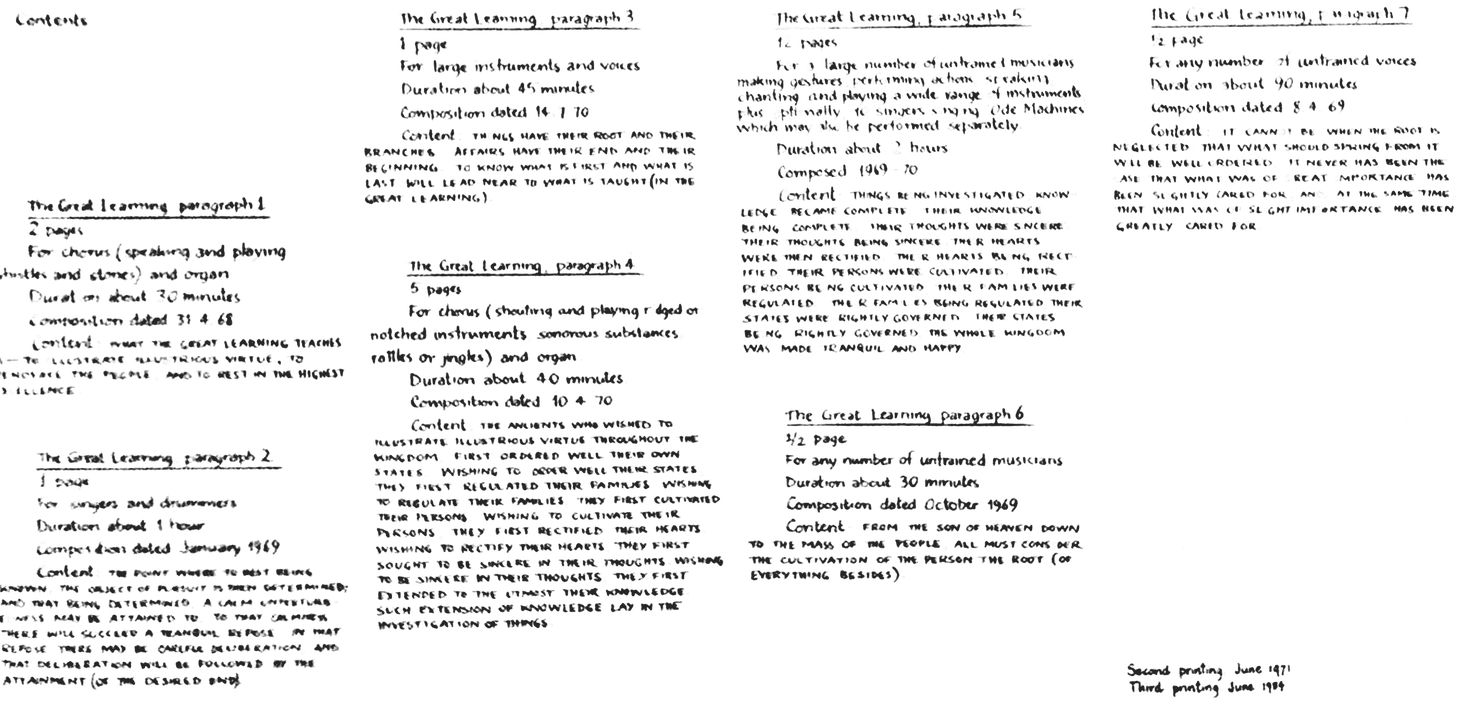
Absolutely amazing, and truly rare when considering how few times The Great Learning has been performed or recorded in its totality, Shiiin's 4CD box set edition, clocking in at roughly four and a half hours of music, captures the outcome of over two years of shared practice and thus an enduring space for practice, learning, and collective transformation that the composer conceived around the work, a practice that now continues to emerge and evolve before our ears. Unquestionably one of the most important avant-garde works of the 20th Century, in what will inevitably be regarded as one of its definitive renderings, this beautifully produced box set edition is augmented by a 116-page booklet, comprising two fantastic and deeply informative essays by Dean Inkster and Matthieu Saladin, as well as a wealth of other information. We've been waiting a long time to see this happen, and it delivers far more than we could have dared hope. Hands down one of the best of 2026!
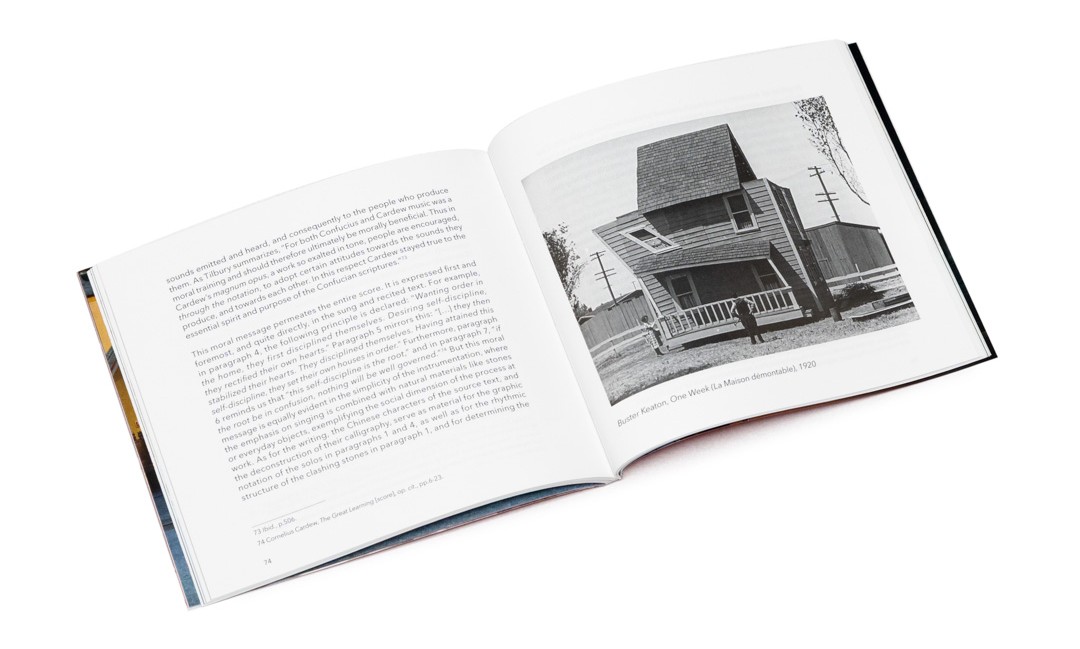
Cornelius Cardew, The Great Learning (Paragraphs 1-7). 4CD box, SHIIIN 13, with a 116-page booklet.
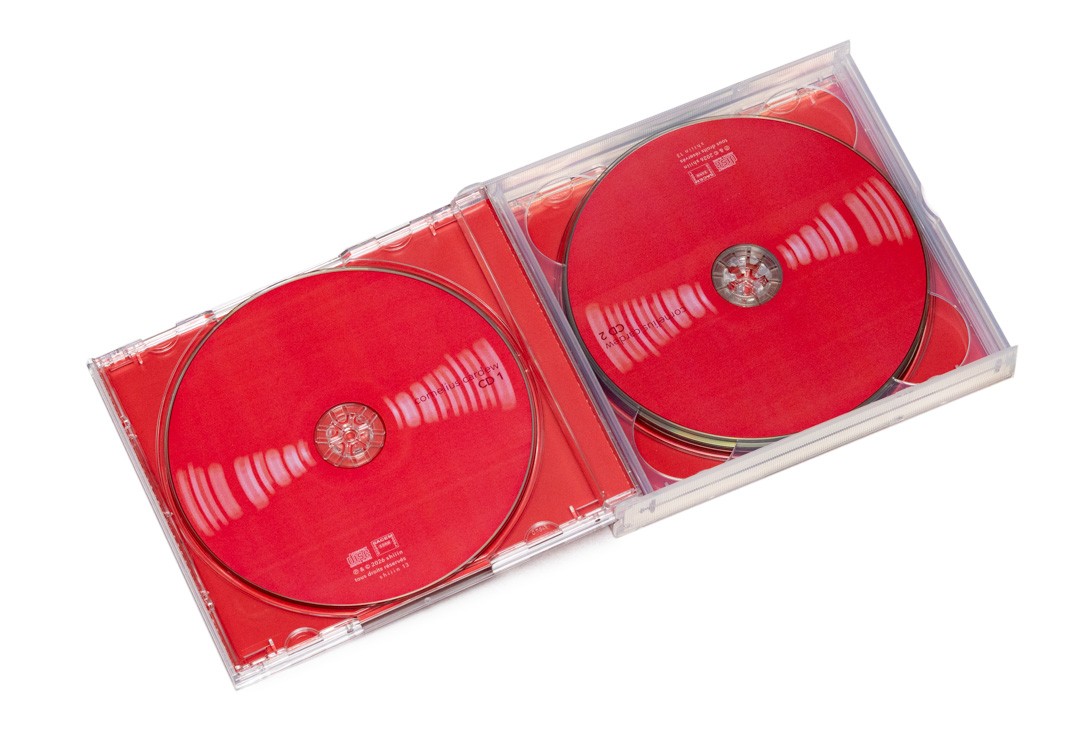
CD1: Paragraphs 1, 2, 3 - CD2: Paragraph 4 - CD3: Paragraph 5 - CD4: Paragraphs 6, 7.
Scratch Orchestra Strasbourg, artistic direction Didier Aschour, with Jérémy Marchal (organ), the Pelicanto choir (Mathilde Mertz) and the De-ci De-là choir (Cédric Dosch).
Recorded 27-29 November 2025 at the Saint-Paul Reformed Church, Strasbourg, by Christophe Hauser, who also mastered it. A Shiiin, Dedalus and Festival Musica coproduction, with essays by Dean Inkster and Matthieu Saladin.

Also from Shiiin: Éliane Radigue's Occam Ocean 1 and Occam Ocean 2 are being reissued and will be back shortly. We are also restocking Occam Ocean 3, Occam Ocean 4 and Naldjorlak I, II, III, together with the rest of the label's catalogue: Luc and Brunhild Ferrari's Contes Sentimentaux, Moondog's Piano Trimba, Luigi Nono's Risonanze erranti, Ivan Wyschnegradsky's La journée de l'existence and Charlemagne Palestine's The Golden Mean.