Back in stock
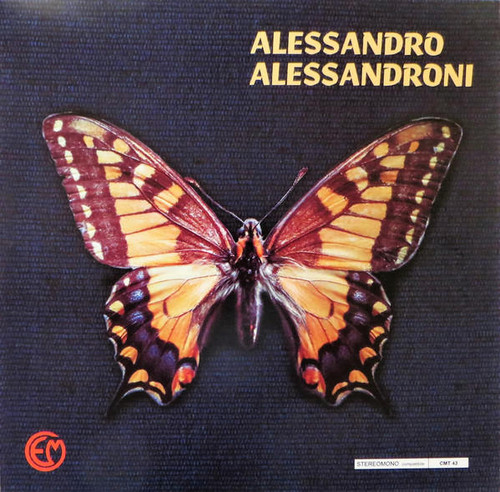
Alessandro Alessandroni (Butterfly 3, 1971-72)
** few copies back in stock** New archival recordings by the legendary Alessandro Alessandroni's Farfalla #3, incredible and unbelievable unreleased outtakes recently pulled out from 1971-72. Breathtaking jams from the same recording session of the second legendary 'Farfalla' cuts, with driven beats, jazz-funk with usual vocals by the Cantori Moderni, lovely whistling easy listening and western melodies. It is an album that showcases all the qualities of Alessandroni composer and arranger : wr…
Sold Out
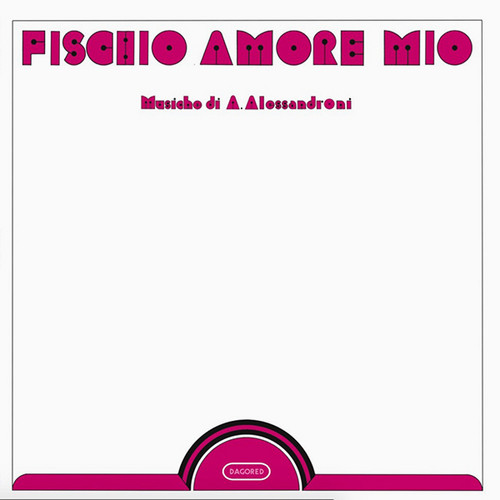
Fischio amore Mio
**Edition of 300 only, white vinyl** Dagored present a first ever reissue of Alessandro Alessandroni's Fischio Amore Mio, originally released under the legendary Flipper imprint in 1976. What would "a fistful of dollars" be without Alessandro Alessandroni's whistle? Alessandroni -- not accidentally nicknamed by Fellini "il fischio" -- started his whistling career within Nino Rota's orchestra to then become the hallmark of the spaghetti western era. A collection of astonishing "whistle" pieces by…
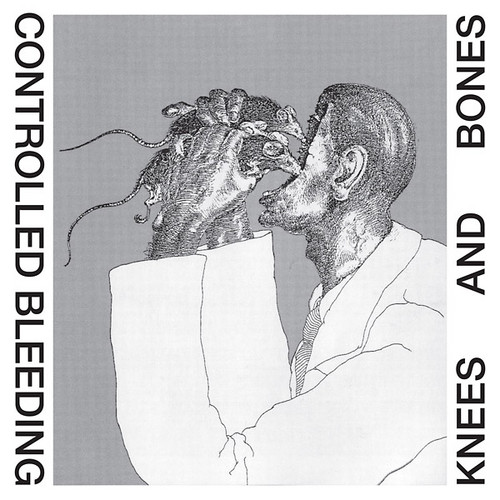
Knees and Bones
Originally released on the short-lived Psychout Productions out of Sweden in February of 1985, Knees and Bones was Controlled Bleeding's first vinyl album and was a continuation of the brutal electronics and industrial noise of the first tape releases. In many ways, this album is the definitive industrial record of the period, featuring screeching metal, distorted power electronics, Paul Lemos' guttural, animal-like screaming, and a healthy dose of feedback. The original Swedish release …
Sold Out
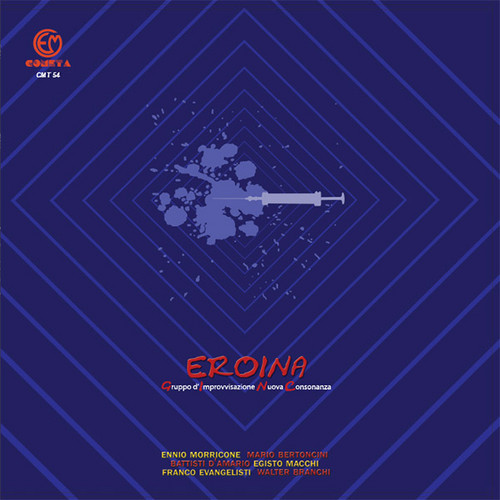
Eroina
**150 copies, black vinyl** There are still so many treasures to be discovered out there, but once you find a gem like this you can definitely put the research on hold for a little while and give it a deep listen. Recorded by the Gruppo di Improvvisazione Nuova Consonanza at Fono Roma in 1971, Eroina is a series of haunting improvisations - each one inspired by the effects of a different drug - made of whirling electronic glitches, skronky horns, pounded piano, funky drums and weird tape experim…
Sold Out
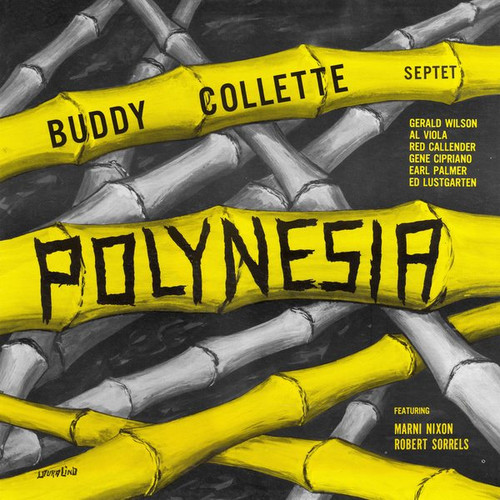
Polynesia
The rarest of all exotic LPs, like Eden Ahbez but with extra added death. This bizarre, rarely heard masterpiece brings together jazz, ancient manuscripts, and a convicted murderer... Issued originally in 1959 it originates from Phoenix, Arizona. The concept behind the recording was unusual -- to bring together two unconnected worlds: the jazz genius of Buddy Collette with the academic oriental studies and translations of A.I Groeg. Little can be found of A.I. Groeg, but before the LP was record…
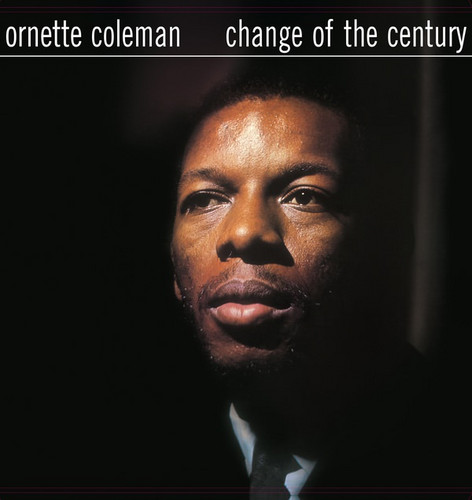
Change Of The Century
Wax Love present a reissue of Ornette Coleman's Change Of The Century, originally released in in 1960. The second album by Ornette Coleman's legendary quartet featuring Don Cherry, Charlie Haden, and Billy Higgins, Change Of The Century is every bit the equal of the monumental The Shape Of Jazz To Come (1959), showcasing a group that was growing ever more confident in its revolutionary approach and the chemistry in the bandmembers' interplay. When Coleman concentrates on melody, his main themes …
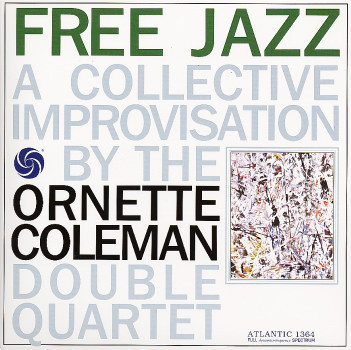
Free Jazz: A Collective Improvisation
2016 repress. Originally released in 1960, Free Jazzwas recorded in one uninterrupted take: Coleman, Scott LaFaro, Don Cherry, & Billy Higgins are on the left stereo channel; Eric Dolphy, Freddie Hubbard, Charlie Haden and Ed Blackwell are on the right. "We were expressing our minds and emotions as much as could be captured by electronics." Gatefold exact repro reissue, manufactured by Rhino.

Jazz Soundtracks
Collection of previously unreleased soundtrack recordings, produced 1962-67 in a Berlin studio. Soulful jazz from the arthouse films of Hansjürgen Pohland improvised directly in front of the screen by Hungarian-born guitarist Attila Zoller (1927-1998) and his musicians!
Few Europeans have influenced the international jazz scene as impressive as the Hungarian-born guitarist Attila Zoller. Born on 13.06.1927 in Visegrad, he was four years old when he got his first music lessons. From 1948 to…
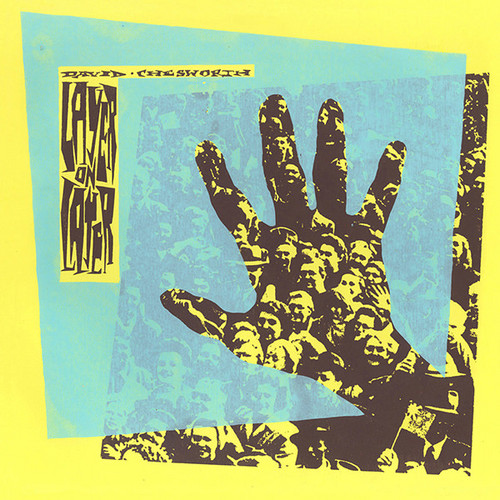
Layer on Layer
** Neon Yellow Vinyl, edition of 500** Chapter Music presents a vinyl reissue of Melbourne post-punk icon David Chesworth’s mutant electronic punk-funk second album, 1981’s Layer On Layer. After his revered 1979 debut 50 Synthesizer Greats, David swapped the solo home-recorded synths for something very different - infectious, percussive art-funk weirdness. 21 years old in 1980, studying at LaTrobe University in Melbourne, David gradually worked out how to use the 8-track recording studio at the…
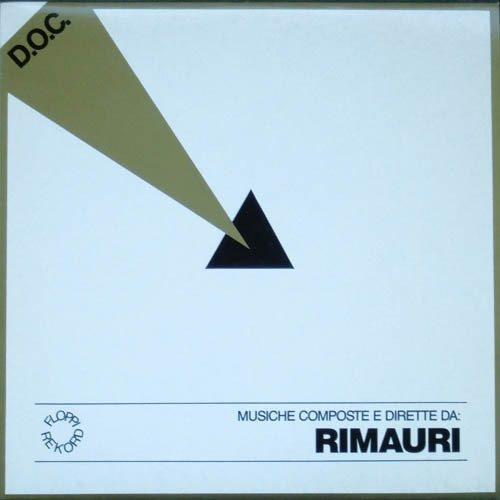
D.O.C.
Issued alongside the compilation Musiche de Teisco, the Dual Planet label offers another piece of the mysterious cosmic puzzle of electronic library maverick Teisco. Fast forward several years to D.O.C, a library recording released under his new tag Rimauri, Here, you can hear how Teisco / Rimauri has refined the synthetic vision he started to work on with his earlier recording Dossier Special. This set conjures up instant thoughts of vintage computer game soundtracks or even a parallel with tha…
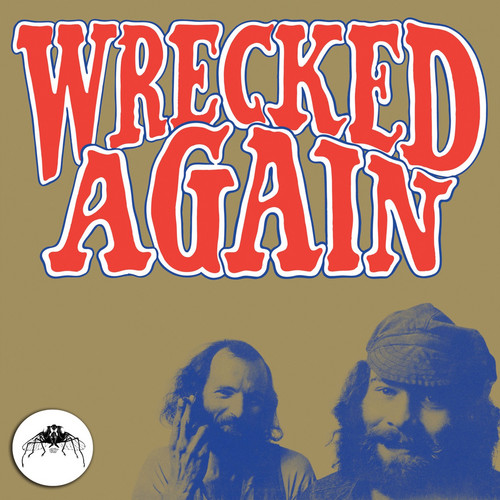
Wrecked Again
180 gram vinyl in a tip-on gatefold sleeve. Remastered from the original tapes. Includes unseen photos and liner notes by Andru Chapman. "1971's Wrecked Again, Chapman's final for EMI's seminal stoner imprint Harvest, home to Kevin Ayers and Syd Barrett. Like other artists in the stable, Chapman's music contains a drugged-out feel, sublime guitar playing and intense lyrics, yet Chapman's career was not a pet project. Buried in EMI's release schedule and afforded no promotional budget, Wrecked Ag…
The Chain Reaction
Described as 'Mad Max meets the China Syndrome', the 1980 Australian film The Chain Reaction is an often overlooked entry in the highly venerated Ozploitation Genre. A nuclear disaster themed thrill ride into early 80s Australiana and industrial paranoia. Sitting alongside Night Of Fear (1972) and Turkey Shoot (1982) in the outlandish canon of Australian B-cinema from the 1970s and 80s The Chain Reaction includes its fair share of gratuitous nudity, ocker attitude and souped up vehicular ca…
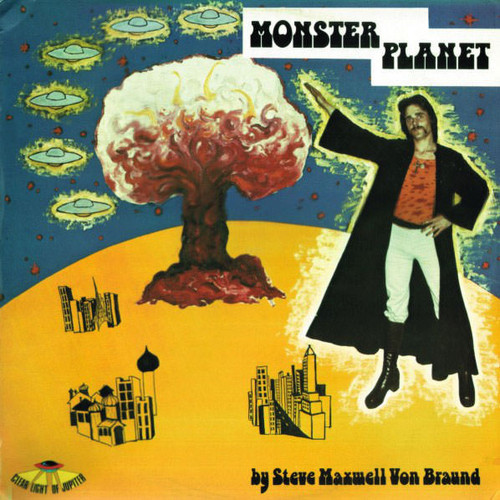
Monster Planet
Welcome to Monster Planet, Steve Maxwell Von Braund’s 1975 classic of Australian proto-electronica, a big blast of Kosmische dust, Korgs working overtime…Arguably, the first fully electronic Australian album, Monster Planet is a solo recording from one half of the infamous Australian electronic duo, Cybotron. Von Braund recorded this pre Cybotron album upon his 1973 return to Australia after soaking up the sounds of psychedelic 60s London where he mingled with Hawkwind, The Soft Machine and Grah…
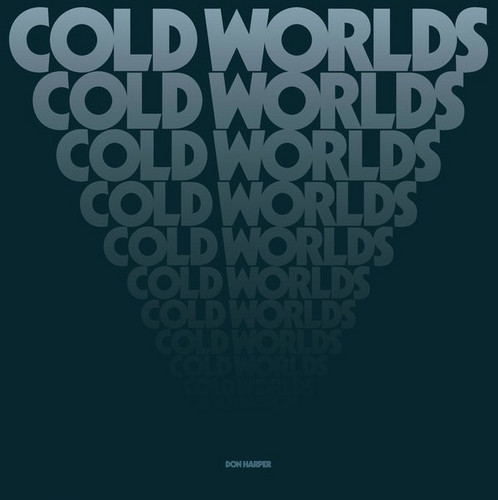
Cold Worlds
last copies around....A collection of Horror-Electronics, supernatural soundscapes and sinister library muzak from Australian composer Don Harper. Centring on the library music re-recording of the 1968 Doctor Who soundtrack The Invasion (A dark otherworldly Sci-Fi jazz suite) Cold Worlds is also a focus on the electronic music of this largely unsung composer. Like many Australian film composers (Ron Grainer, Dudley Simpson, Don Banks) Don Harper based himself in the UK during the 1960…
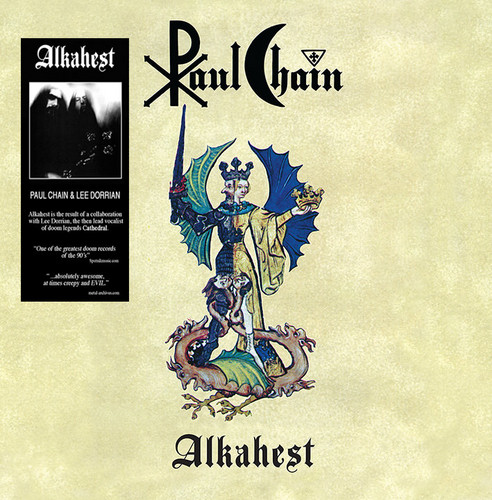
Alkahest
Alkahest is something of a minor classic in the doom metal world. One possible reason it hasn't had vast amounts of praise heaped on it or at least enjoyed a dedicated underground following in the vein of such acts as Count Raven and Iron Man, might be that so much of Italian experimentalist Mr. Paul Chain's other material is just very strange (that I'm aware of). It's a crying shame, because before he mostly fucked off into wandering improv-oddysey land, he crafted this piece of absolute gold w…
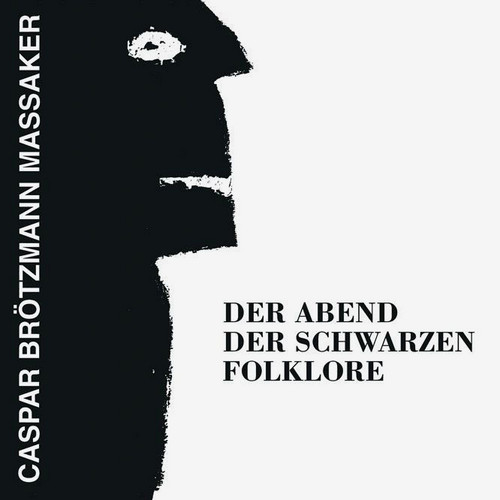
Der Abend Der Schwarzen Folklore
Originally released in 1992, Der Abend Der Schwarzen Folklore is the third Massaker album, originally released by Rough Trade Germany. According to Caspar Brötzmann, the title track and Bass Totem are the band’s most accomplished songs. It’s certainly the most sonicly refined of their albums, recorded during a residency over several weeks at the pastoral site of Conny Plank’s studio near Cologne, and produced by Ingo Krauss and Bruno Gebhard, who had worked with the famed Krautrock producer unti…
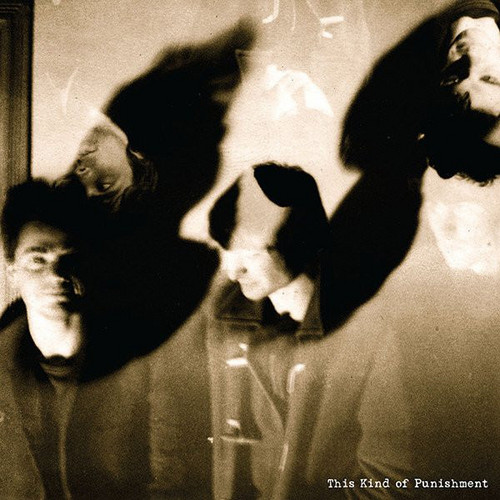
Radio Silence
With This Kind Of Punishment, Graeme Jefferies and Peter Jefferies produced some of most adept DIY sounds to emerge from New Zealand's 1980s post-punk scene. After their phenomenal self-titled debut and classic A Beard Of Bees, the brothers would make one last album together, In The Same Room. Originally released in 1987 on Flying Nun, In The Same Room is perhaps the straightest rock offering in TKP's esteemed catalogue. Opening track "Immigration Song" expertly pairs jagged guitars with wrathf…
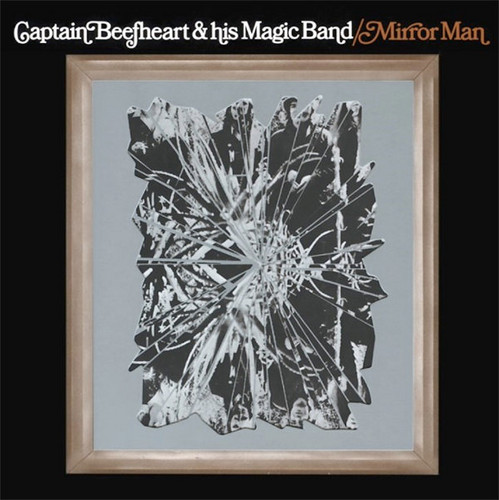
Mirror Man
An early 70s set from Captain Beefheart & The Magic Band – but one that was actually recorded in the mid 60s – a bit before the classic Trout Mask Replica! The set shows Beefheart and the band at their most unbridled – really jamming with bluesy roots, but into the very trippy outer limits – with the Captain on vocals, harmonica, and "first-time musette" – plus Alex St Claire Snoufer and Antennae Jimmy Simmons on guitars, Jerry Handley on bass, and Drumbo on drums (Dustygroove)
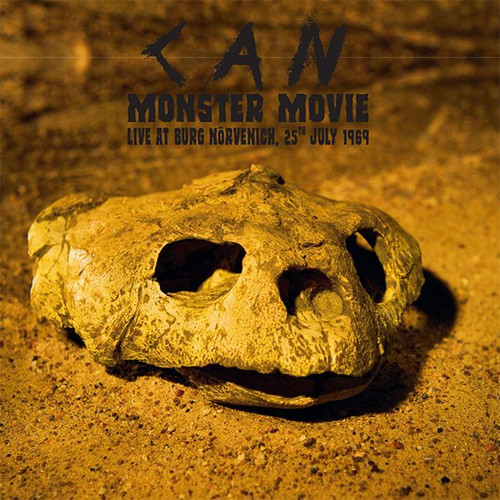
Monster Movie - Live At Burg Nörvenich, 25th July 1969
Recorded live in July 1969 during the same sessions that gave birth to their classic debut album Monster Movie. The album contains rawer versions of classics tracks such as Yoo Doo Right and Outside My Door. This was Can at the very beginning of their career, before they would become widely known as one of the 70's Krautrock most iconic bands. A full catalogue of minimal grooves and extended song forms that would influence generations to come. Holger Czukay - bass, Jacki Liebezeit - drums, Micha…
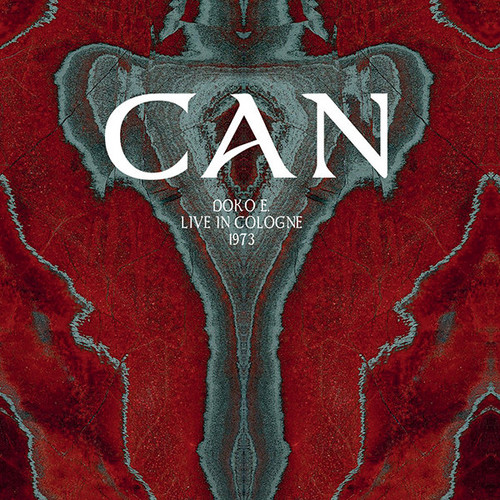
Doko E. Live In Cologne 1973
Recorded in 1973 at Inner Space Studios during the "Future Days" sessions , this album contains the full lenght performance of "Doko E" a track which appeared on the “Limited Edition” LP. But where the original release gave us only a two and a half minute version, here you can get the whole 40 minutes. A solid and energetic session from the Can classic line up featuring Holger Czukay, Michael Karoli, Irmin Schmidt, Jaki Liebezeit and "Damo" Suzuki. Highly recommended for both Can completists an…