Back in stock
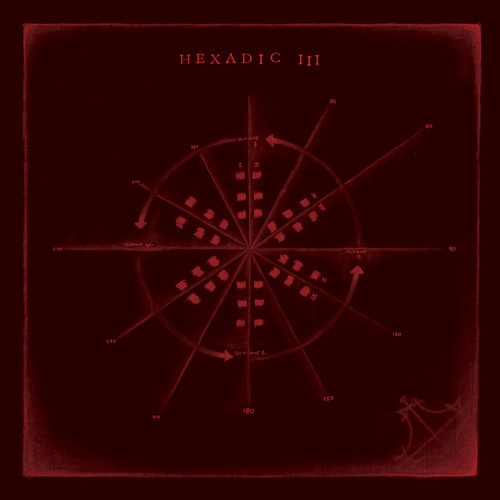
Hexadic III
New Hexadic music from outside our native understanding of ti me and space! Features underground masters of sound Moon Duo, Richard Youngs, Meg Baird & Charlie Saufley, Tashi Dorji, Jenks Miller, Phil Legard, and Stephen O'Malley, Tim Wyskida & Marc Urselli.

reaching for indigo
A moment that fell down in the life of Haley Fohr on January 22, 2016 — now in album form! Redefining and realizing the goals that were set to allow Haley become Circuit des Yeux and Circuit des Yeux to become Haley.
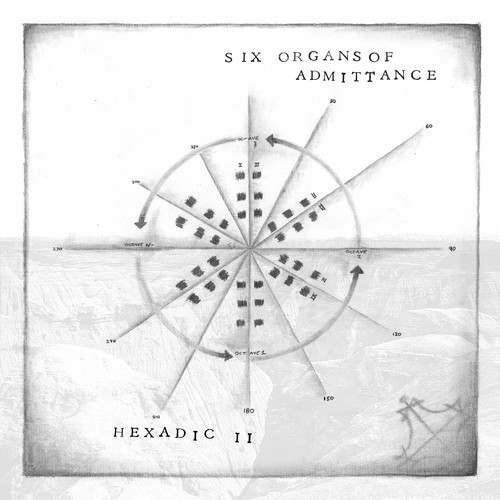
Hexadic II
Several years ago, after tiring of the predictable patterns he sensed himself settling into as a guitar player, Ben Chasny of Six Organs of Admittance decided to design a theoretical framework that would force his hands into different positions. Chasny distributed a deck of poker cards in a circular array of sets of six, corresponding to the notes of the guitar. The relative positions of the cards gave Chasny a "tonal field" in which to operate, as well as a set of notes from which to pick, some…
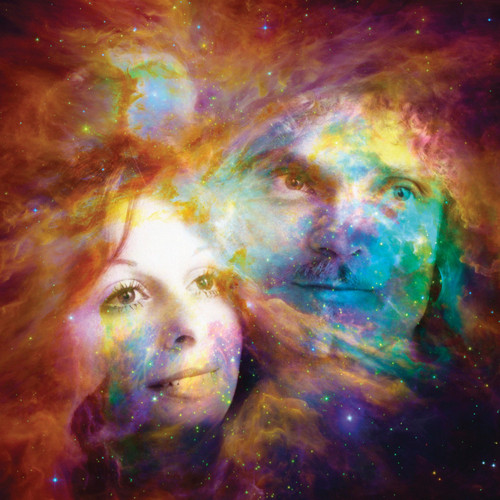
Creation
Husband and wife team Johnima and Kalassu Wintergate are Lightstorm: globetrotting musical collaborators retransmitting messages of love from their teacher and Avatar Sathya Sai Baba: authentic 1970’s hippies on a spiritual space-journey. Most of the material gathered here was originally released on a small scale, so it is satisfying to see these oddities compiled and made available by Drag City. Since 1973, the Lightstorm discography has been issued under a variety of aliases (Creation E…
Tangier Sessions
"The tone of the guitar and Sir Richard's gentle, loving touch with it hold forth from the first moment of Tangier Sessions, sitting clear and true in the home-recorded night air above the city. The album sequence is the precise order of the songs as they were conceived and recorded. Rick's all over the neck in the early going while sorting through the dynamics of the instrument -- in fact, guitarophiles, the first couple of songs feature Sir Richard Bishop playing without a plectrum for the fir…
Ark Procession / Jericho
Al Cisneros is no stranger to the deep meditations of a minimalist, sub-sonic song. We've all been totally faced by the ritual low-end thunder his band, OM, bestow as gospel both live and on record on the regular, a sound source which can hardly be described as minimal yet never needs more than a smattering of accompaniment beyond its usual, steady drumming. Perhaps a bit of guitar here, some keys there, or maybe just some extra tambo to provide color, but first and foremost, you get full…

The Plain Where The Palace Stood
Drag City drops the sixth and latest David Grubbs pop album, The Plain Where the Palace Stood, which finds David once again twining together the diverse strands of his vast interests. Working with Andrea Belfi (drums, electronics) and Stefano Pilia (guitar) - plus Attila Faravelli on electronics - creates a sympathetic groupthink that David expects more and greater from in the years to come. The welcome return of his distinctive overdriven guitar tone is a highlight of the record. And C. S…
Ensemble Pearl
Cosmic, heavy amplified rock drops and ripples, auras radiate and expand into cloud forms, through which lightning bolts. Tides rise, the moons wax upon a place somewhere between Link Wray, Hex-era Earth and early Tangerine Dream. The echoes return, leaving a trail that blows and drifts, creating a separate piece. Ensemble Pearl are Atsuo, William Herzog, Michio Kurihara and Stephen O'Malley. Their debut album also features the elemental forces of Eyvind Kang and Timba Harris. These playe…

Meet My Friend Venom
"The Venom P. Stinger retrospective is on. One of the roughest groups of the '80s is back in print on vinyl and for the first time ever on CD, and still nice and hard and rough and wild on either format. File under: punk rock/noise rock/free-of-constraints rock. If you think of Venom P. Stinger simply as the proving ground for 2/3rds of the Dirty Three first, then you're seriously missing it, and fuck you."
A Wonder Working Stone
Alasdair Roberts continues to do his bit for Scottish folk heritage on a fyne suite of augmented standards and new songs accompanied by his pals. Alasdair brings his undoubted charm, skill and imagination to ten songs ranging from celebratory elegies ('The Merry Wake') to doom-laden laments ('The Laverock in the Blackthorn'), distilling the passion, pain and yearning of hundreds of years of tradition with a timeless voice, perfectly summed up by fellow countryman and poet Robin Robertson: …
Surrender to the Fantasy
Stop right there, hands in the air! If you want to know what Magik Markers think is good for you, you'll Surrender to the Fantasy. For this long-desired alpus, they've been working in threes and stuff. Triangles. The hermetic trifecta of knowledge, Christ and the two thieves, Alvin and the Chipmunks, and the original tagline of the Markers' symbol: '3 down, no to go.' Meaning, these three get it and literally no one else needs to, 'cept the record-buying public, tra la la, ha ha ha ha. STTF (nev…
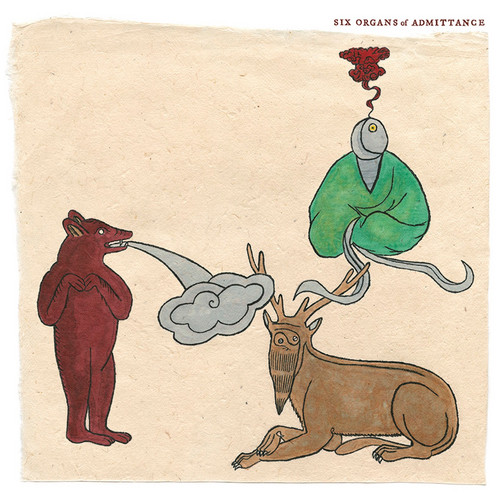
Asleep On The Floodplain
Ben Chasny has spent many years at this point perfecting his very personal vision of the American landscape. With his early LPs he managed to grab a groundswell of support for his distinctly lo-fi recordings, and since hitting the Drag City label with the breathtaking 'School of Flower' he has managed to extend his vision to countless others. 'Asleep on the Floodplain' continues his exploration, and while it doesn't change up the formula too much (apart from the odd analogue synth blurt here and…
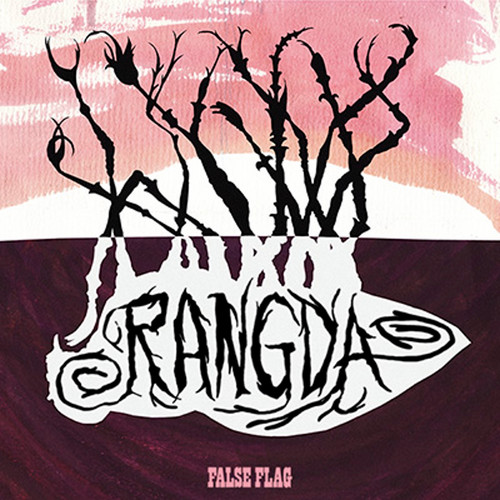
False Flag
"When witch-gods collide, it might sound something like this. Six Organs of Admittance...Richard Bishop...Chris Corsano. Riders of the apocalypse, it's them vs. us. After absorbing their über-holy dynamo, you'll be prepared to join up with these wraiths, making it all of us against...well, whomever's fool enough to stand in our way. To evil! Rangda's been building up behind the scenes for some time now. As label mates and members of an exclusive mutual admiration society, Sir Rick …
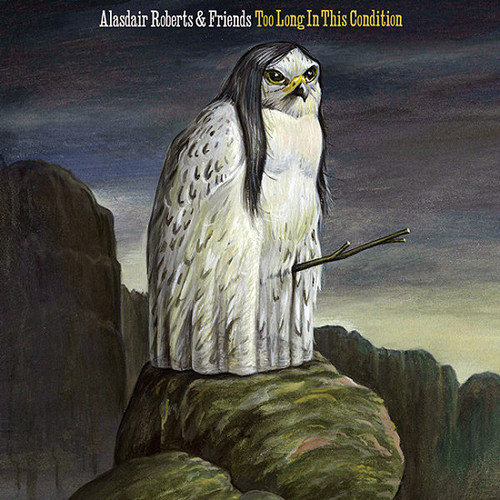
Too Long In This Condition
Young Scotsman Alasdair Roberts is an old hand at songcraft -- and not just his own, but the songs of the ancients, the near-ancients and their friends. Over the past decade that he's been singing music in his own name (after graduating from the Appendix Out youth brigade), he's made a habit out of recording songs of his own and traditional songs with an equal amount of investment and urgency. After all, it's all music, always deserving of everything we have to give. Following 2009's de…
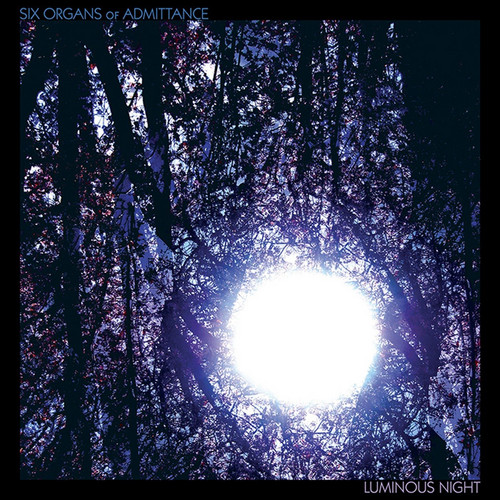
Luminous Night
CD edition: Luminous Night is the first set of new Six Organs Of Admittance material to leap forth from Ben Chasnys' cerebral cortex in 18 months, and what a joy it is. With the release of odds-and-sods collection RTZ earlier in the year there to bridge the gap between 2007s Shelter From The Ash it doesn't seem like he's been away for long per se but for serious Chasny-heads a new album is something to get pretty excited about and with his other musical outlet Comets On Fire either on extended h…
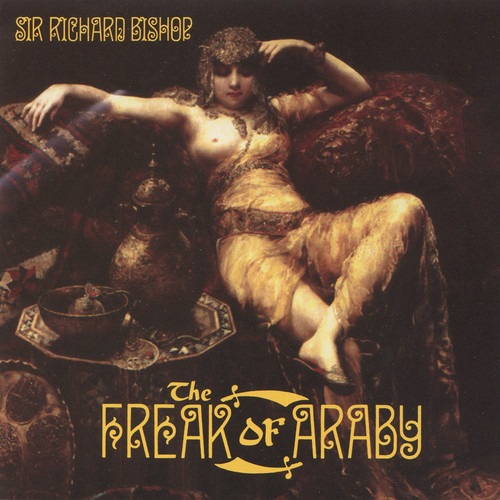
The Freak Of Araby
Listen through Sir Richard Bishop’s six readily available solo albums, and you get the picture that the worldview of the former Sun City Girls’ guitarist is not only complex, but also more than a little ambiguous. What exactly is Richard Bishop? A dealer in the exotic? A dabbler in esoteric mysticism? A “traveling salesman”? The Freak of Araby doesn’t make Bishop’s worldview any simpler for us, but it does clarify it some. He is, first and foremost, a traveler, picking up inspiration as he roams…
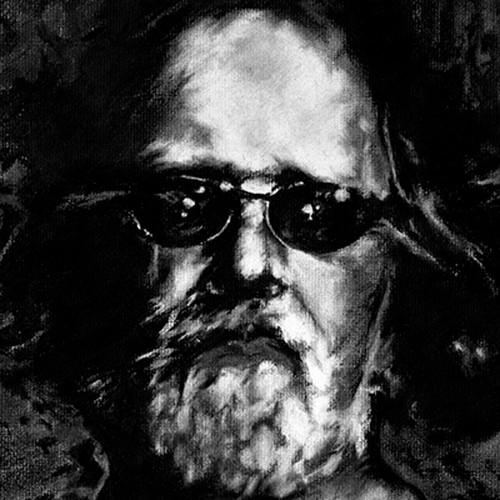
Seconds
A beautiful acoustic-based record featuring careful, melancholy arrangements in the tradition set by his famous previous record - but with a few unpredictable musical touches. Seconds weaves black threads of lyrical reflection into its sleeve in the short-lived Higgins tradition. His was never a hippie-dippy perspective - back in the day, his songs featured a thoughtful, but worldweary, occasionally even paranoid perspective. Accompanied by his fellow travelers (including a couple Red Hash playe…
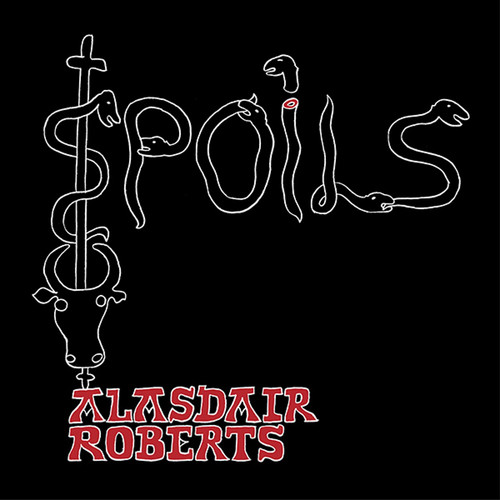
Spoils
For this latest album Caledonian folk impresario Alasdair Roberts teams up with expected collaborators like Alex Neilson (whose drumming and percussion work has illuminated many a free-folk record over recent years, a few of which Roberts has been involved with) and more unusual contributors such as Niko-Matti Ahti of Fonal's Kiila. Perhaps more than ever, Roberts' music invites comparisons to Bonnie 'Prince' Billy, traveling sufficiently far from the trad songwriting fold to be thought of as 'a…
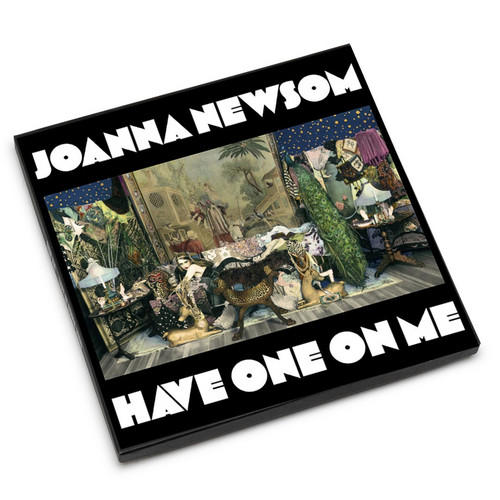
Have One On Me
2026 repress on vinyl; Deluxe 3LP box version with an 8-page, large-format lyric booklet and printed inner sleeves. For various reasons Have One On Me, Joanna Newsom's new triple-album defies the notion of fast-turnaround appraisals. Apart from sheer abundance of music here, it's also very dense and scrupulously laboured over, not only by Newsom herself but a select band of fellow musicians and arrangers - not to mention ace mixing engineers Jim O'Rourke, and Noah Georgeson (best known for his w…
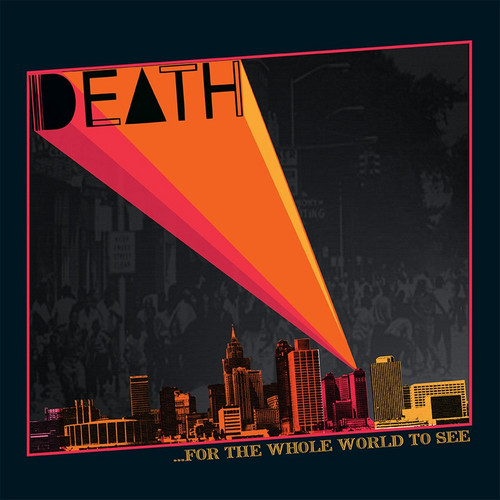
For The Whole World To See
Classic proto-punk from 1970s Detroit. Raw with little polish, the record showcases the organic power relationships within the trio of brothers. The Hackneys were first influenced by soul & funk music but it all changed when they saw Iggy and the Stooges. Inspired by The Who, Alice Cooper & Led Zeppelin; the brothers finally see their first full length release, remastered & ready for the world to hear.