
Back in stock
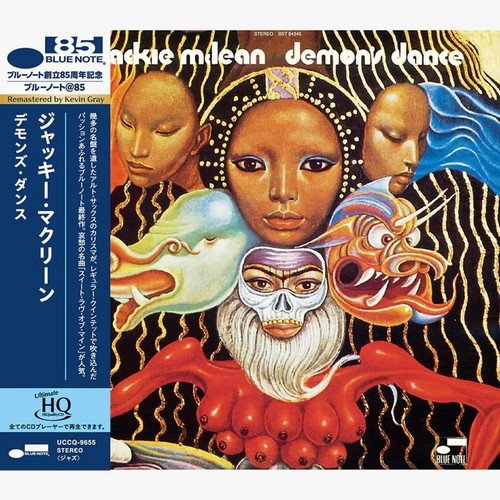
Demon's Dance
** Special Time-Limited Offer ** Demon’s Dance (often mis‑typed in catalogues) captures Jackie McLean with a younger, firebreathing band: Woody Shaw on trumpet, LaMont Johnson at the piano, Scott Holt on bass, and Jack DeJohnette on drums. The tunes are packed with rhythmic snaps and melodic hooks, yet the improvisations regularly veer into more angular, exploratory territory. McLean’s alto tone is piercing and urgent, cutting through the ensemble with authority, while Shaw’s harmonically advanc…
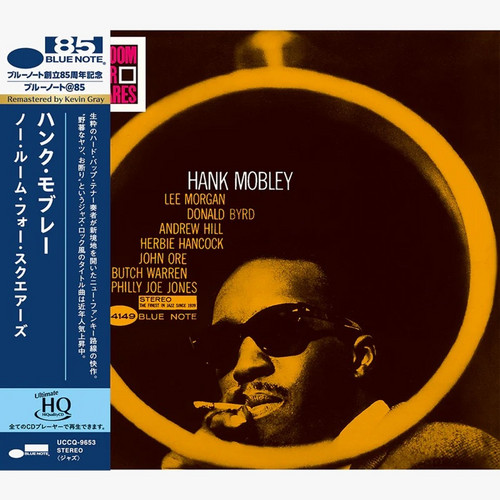
No Room For Squares
** Special Time-Limited Offer ** On No Room for Squares, Hank Mobley leads shifting line‑ups that include Lee Morgan and Donald Byrd on trumpet, Andrew Hill and Herbie Hancock on piano, John Ore and Butch Warrenon bass, and Philly Joe Jones on drums. The compositions are tightly constructed, full of memorable heads and smart twists that keep everyone on their toes. Mobley’s solos retain his trademark flowing lyricism but with a noticeably harder edge, reflecting the changing climate around him. …
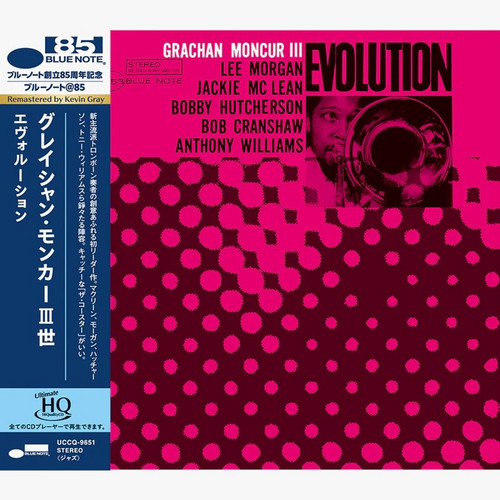
Evolution
** Special Time-Limited Offer ** Evolution documents Grachan Moncur III stepping out as a composer‑leader with Lee Morgan on trumpet, Jackie McLean on alto, Bobby Hutcherson on vibes, Bob Cranshaw on bass, and Tony Williams on drums. The pieces blend post‑bop structures with freer approaches to metre and harmony, resulting in music that feels constantly tilted yet never topples. Moncur’s trombone leads themes that are by turns mournful, eerie, and boldly declamatory; the band responds with solos…
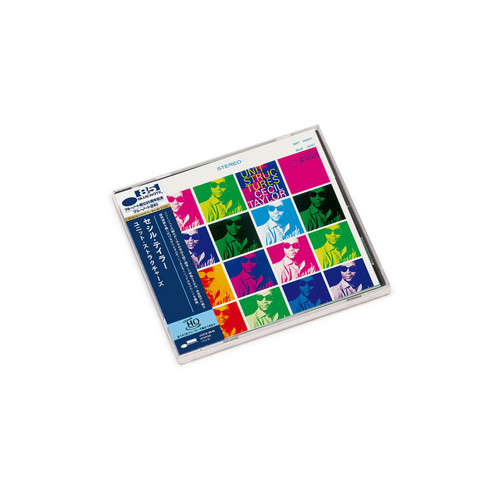
Unit Structures
** Special Time-Limited Offer ** The intrepid free jazz pianist Cecil Taylor produced some of his best work for Blue Note Records, including his explosive 1966 label debut Unit Structures featuring Eddie Gale on trumpet, Jimmy Lyons on alto saxophone, Ken McIntyre on alto saxophone, oboe, and bass clarinet, Henry Grimes and Alan Silva on bass, and Andrew Cyrille on drums. Over the course of four extended original pieces by Taylor—“Steps,” “Enter, Evening,” “Unit Structure/As Of A Now/Section,” a…
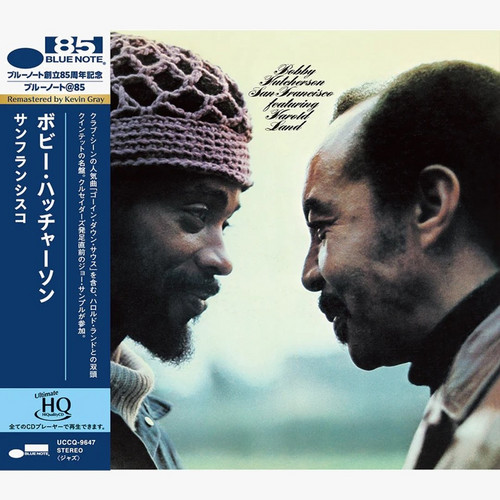
San Francisco
** Special Time-Limited Offer ** On San Francisco, Bobby Hutcherson joins forces with saxophonist Harold Land, plus Joe Sampleon electric piano, John Williams on bass, and Mickey Roker on drums, to chart a different kind of urban landscape. The record weaves elements of soul, funk, and freer jazz into a set that’s as rhythmically grounded as it is harmonically curious. Hutcherson’s vibes and Land’s reeds trade phrases with conversational ease, while the rhythm section mixes backbeat, swing, and …
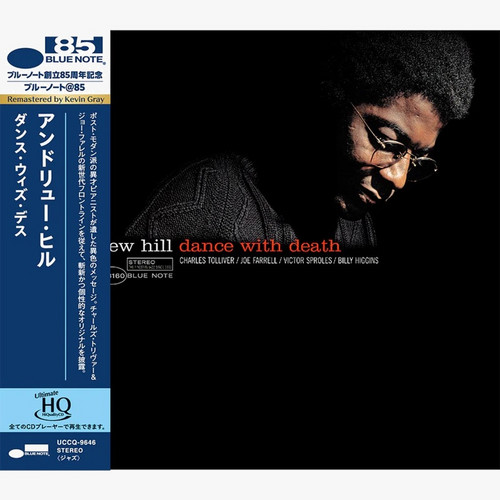
Dance With Death
** Special Time-Limited Offer ** Recorded in 1968 but long unreleased, Dance with Death showcases Andrew Hill with Charles Tolliver on trumpet, Joe Farrell on saxes, Victor Sproles on bass, and Billy Higgins on drums. Hill’s themes are knotty yet singable, his rhythms subtly displaced, his harmonies rich with ambiguity. He sometimes sketches skeletal frameworks at the piano, sometimes erupts into dense, percussive passages, while the horns and rhythm section navigate shifting tempos and unexpect…
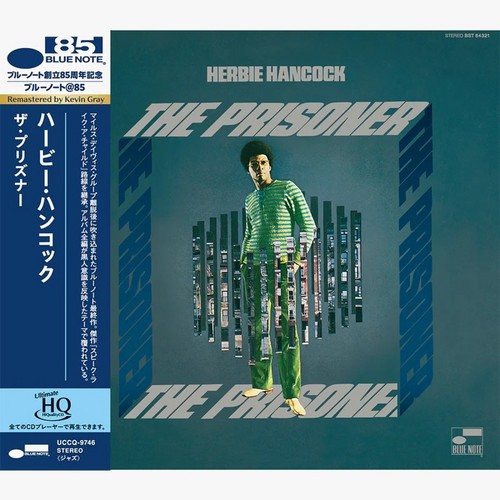
The Prisoner
** Special Time-Limited Offer ** The Prisoner is one of Herbie Hancock’s most ambitious large‑ensemble works, featuring Johnny Coles and Thad Jones on trumpet/flugelhorn, Garnett Brown and Jack Rains on trombones, Joe Newman on bass trombone, Hubert Laws and Romeo Penque on reeds, Tony Studd on tuba, Ron Carter on bass, and Grady Tate on drums, among others. Written in response to the assassination of Martin Luther King Jr., the music uses orchestral textures to explore themes of oppression and …
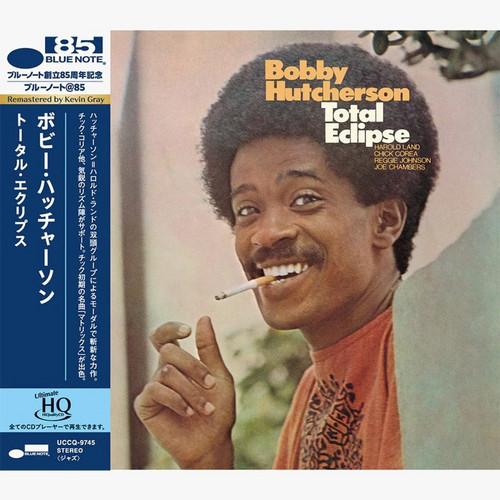
Total Eclipse
** Special Time-Limited Offer ** On Total Eclipse, Bobby Hutcherson leads a band featuring Harold Land on reeds, Chick Corea on piano, Reggie Johnson on bass, and Joe Chambers on drums. The tunes are more expansive, the structures less immediately obvious; the interplay between vibes and saxophone often feels like a conversation unfolding on the spot. Even brighter passages seem to carry a shadow, a lingering sense of unresolved tension that Hutcherson’s solos trace without trying to dispel. Cor…
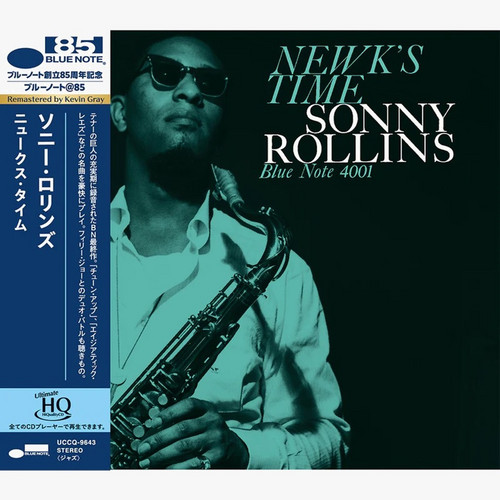
Newk's Time
** Special Time-Limited Offer ** Newk’s Time captures Sonny Rollins in a quartet with Wynton Kelly on piano, Doug Watkins on bass, and “Philly” Joe Jones on drums, midway through one of the most fertile stretches any saxophonist has enjoyed. Rollins brings his huge, flexible sound and restless imagination to a set of standards and originals, bending them to his will without ever disrespecting the material. Rhythmic play is central: he toys with the beat, displaces phrases, and locates unexpected…
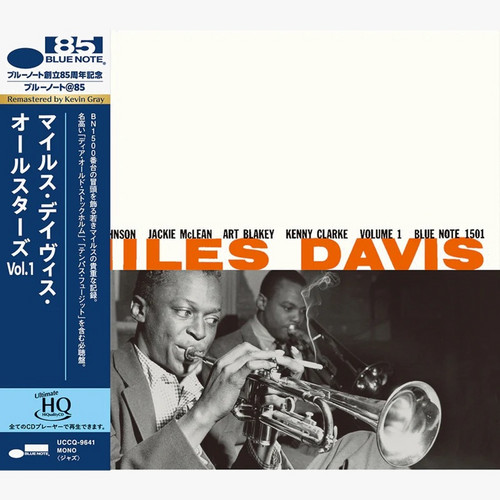
Volume 1
** Special Time-Limited Offer ** Volume 1 presents Miles Davis in a transitional bebop/hard‑bop setting, surrounded by players hungry to prove themselves: J. J. Johnson on trombone, Jackie McLean on alto saxophone, Sonny Rollins on tenor, Horace Silver at the piano, Percy Heath on bass, and Kenny Clarke on drums on the original 10" sessions. Later tracks add different personnel, but the through‑line is Davis’ preference for space and contour over sheer velocity. Even at brisk tempos, his muted p…
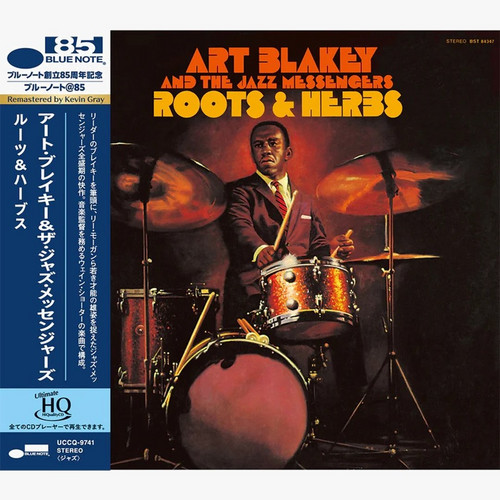
Roots & Herbs
** Special Time-Limited Offer ** With Roots & Herbs, Art Blakey leads a Jazz Messengers unit that includes Lee Morgan on trumpet, Wayne Shorter on tenor saxophone, Bobby Timmons on piano, and Jymie Merritt on bass, a line‑up that can pivot from crisp unisons to eruptive solos in a heartbeat. The tunes are full of rhythmic feints and harmonic twists, yet the band makes it all sound effortless. Blakey’s drumming is simultaneously a grid and a storm: he sets up hits, detonates climaxes, and constan…
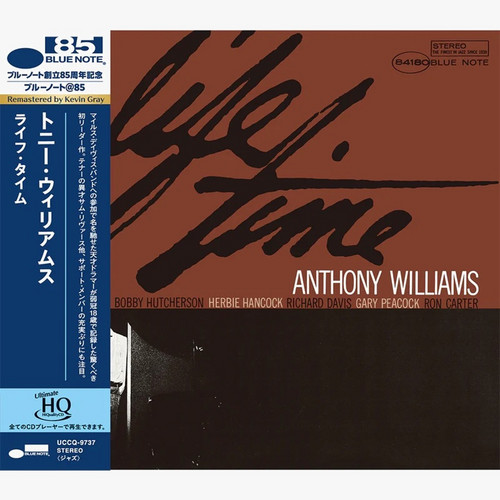
Life Time
** Special Time-Limited Offer ** On Life Time, Tony Williams upends expectations of a drummer’s debut, convening shifting ensembles that include Sam Rivers, Bobby Hutcherson, Herbie Hancock, Ron Carter, and Gary Peacock. Rather than a showcase of drum solos, the album is a series of explorations in texture, space, and form. Williams’ playing ranges from explosive to whisper‑soft, but always with an acute sense of placement: each cymbal stroke, roll, or accent is structural, not ornamental. The o…
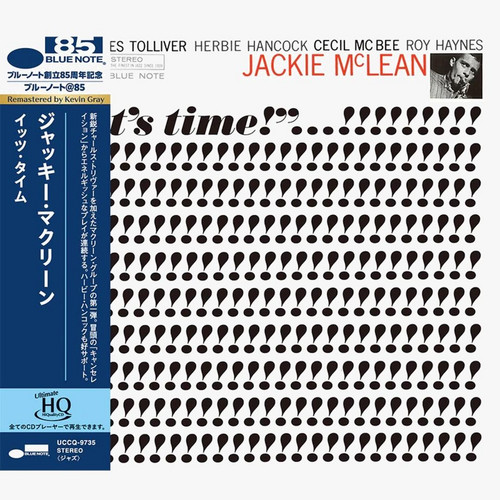
It's Time!
** Special Time-Limited Offer ** It’s Time! finds Jackie McLean in the company of Charles Tolliver (trumpet), Herbie Hancock(piano), Cecil McBee (bass), and Roy Haynes (drums), fully committed to pushing forward. The compositions carry spiritual and political weight, and the arrangements make room for assertive horn lines, driving rhythms, and moments of unexpected lyricism. McLean’s playing is as biting as ever, but his navigation of more open, modal spaces shows an expanded vocabulary. Hancock…
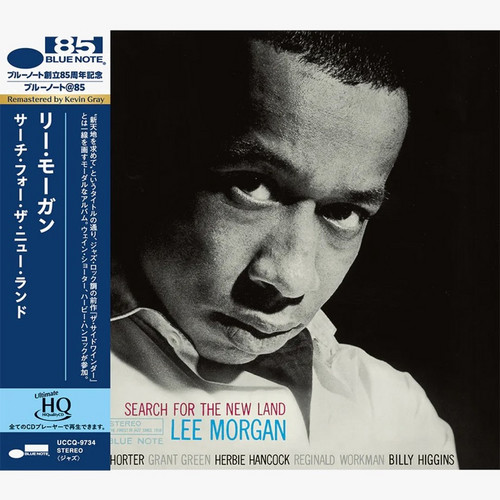
Search For The New Land
** Special Time-Limited Offer ** Search for the New Land shows Lee Morgan in a more reflective, exploratory mood, joined by Wayne Shorter on tenor, Herbie Hancock on piano, Grant Green on guitar, Reggie Workman on bass, and Billy Higgins on drums. The compositions stretch out over modal frameworks and evocative themes that suggest journeys as much inward as outward. The band plays spaciously yet intently, building tension through dynamics and texture more than sheer speed. Morgan’s tone is full …
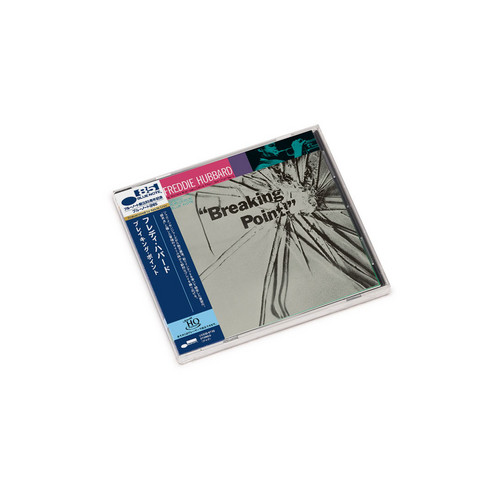
Breaking Point
** Special Time-Limited Offer ** Despite having performed on several of the most revolutionary avant-garde jazz records of the 1960s, including Ornette Coleman’s Free Jazz and John Coltrane’s Ascension, Freddie Hubbard’s own albums tended to hew closer to the mainstream. Perhaps no other single album captures the trumpeter’s awe-inspiring breadth of ability and versatility than Breaking Point!, which was recorded in May 1964 shortly after Hubbard had departed Art Blakey’s Jazz Messengers in orde…
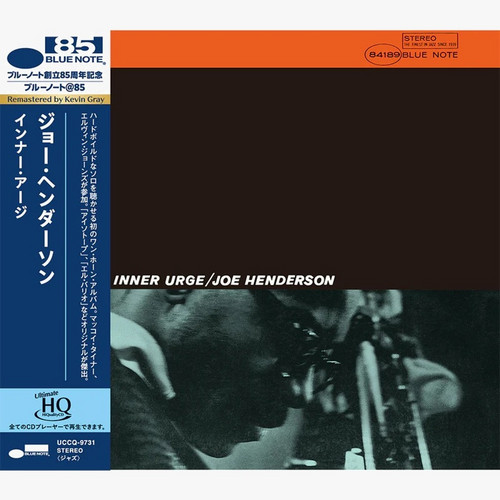
Inner Urge
** Special Time-Limited Offer ** Inner Urge finds Joe Henderson pushing his quartet – McCoy Tyner (piano), Bob Cranshaw (bass), and Elvin Jones (drums) – into more intense and complex territory. The title track’s driving rhythm and restless harmonic motion set the tone for a session where the stakes feel higher and the edges a bit sharper. Henderson probes motifs, worrying them from different angles, unafraid of jagged contours or sudden leaps. Tyner’s dense voicings and rolling left hand, Crans…
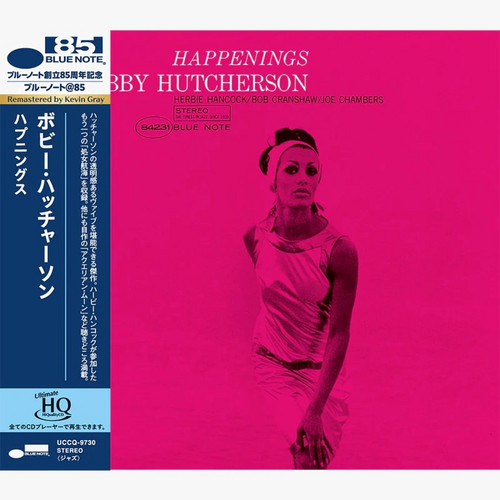
Happenings
** Special Time-Limited Offer ** On Happenings, Bobby Hutcherson pares things back to a quartet with Herbie Hancock on piano, Bob Cranshaw on bass, and Joe Chambers on drums. The transparency of the setting throws every gesture into relief: a single vibraphone note, a piano chord, a cymbal swell can tilt the whole mood. The tunes hover between impressionistic and singable, their harmonies unfolding slowly, their rhythms shifting between gentle propulsion and suspended drift. Hutcherson’s tone is…
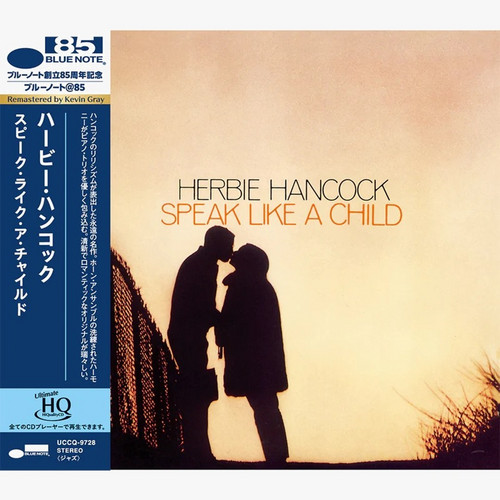
Speak Like A Child
** Special Time-Limited Offer ** On Speak Like a Child, Herbie Hancock opts for subtler shades with an unusual front line of Thad Jones on flugelhorn, Peter Phillips (or Jerry Dodgion) on alto flute, and Jackie McLean on alto sax, supported by Ron Carter on bass and Mickey Roker on drums. Carefully voiced harmonies create a soft‑focus glow around lullaby‑like themes that harbour unexpected harmonic turns. Hancock’s piano is restrained and lyrical, often leaving wide spaces around simple phrases,…
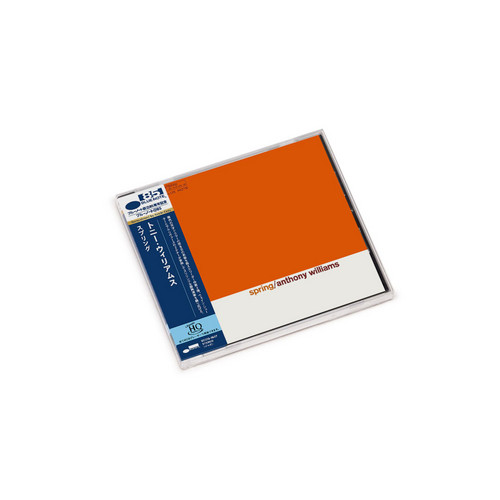
Spring
** Special Time-Limited Offer ** Tony Williams Spring represents the drummer-composer at a crucial moment in his artistic trajectory. By 1965, Williams had already participated in landmark Blue Note sessions - Herbie Hancock's Empyrean Isles, Eric Dolphy's Out To Lunch, Andrew Hill's Point Of Departure, Jackie McLean's One Step Beyond. Despite barely being in his twenties, he had already established himself as a musician capable of listening at the highest level, responding to ensemble dynamics …
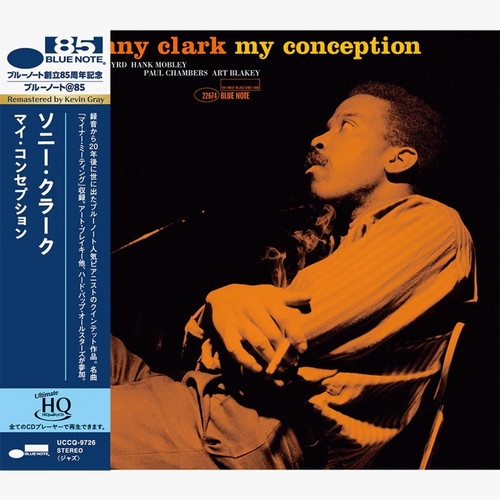
My Conception
** Special Time-Limited Offer ** With My Conception, Sonny Clark pushes deeper into his own compositional world, joined by Donald Byrd on trumpet, Hank Mobley on tenor saxophone, Clifford Jordan on tenor, Paul Chambers on bass, and Art Blakey and Philly Joe Jones alternating on drums. The music balances intricate structures with a direct, singing quality: heads full of unexpected turns that still lodge in the ear, solo sections that encourage the horns to stretch without losing the thread. Clark…