Best sellers
Musique d’été
Pierre Mariétan (1935–2025) was a prolific Swiss composer, sound artist, and pioneer in acoustic ecology who spent most of his life working in France. Over his long career, he composed more than 300 instrumental, orchestral, vocal, and electronic pieces. Mariétan studied under avant-garde legends like Pierre Boulez, Karlheinz Stockhausen, and Bernd Alois Zimmermann. In 1966, he founded GERM (Groupe d’Étude et de Réalisation Musicales), a music collective that blurred the lines between strict com…
Burning Song
Kali Malone's first solo album since All Life Long, recorded over two nights on the Bach Organ of Leipzig's Thomaskirche with Lucy Railton and Stephen O'Malley. Seven pieces that abandon canon form for a slower, more intuitive unfolding of chords, steps and bridging tones.
Music Is Invisible (Pentimento Volume Three)
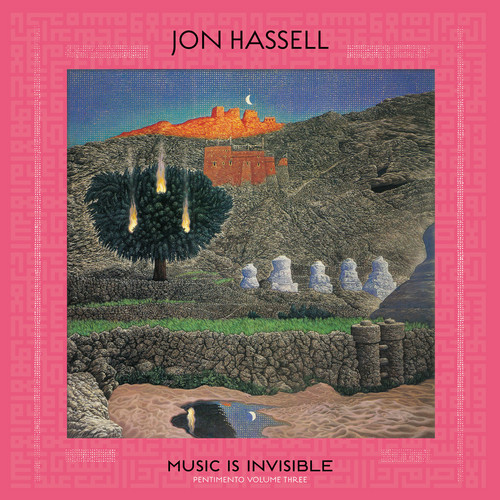
The third part in Jon Hassell’s Pentimento trilogy captures the much-missed artist performing as part of a trio with Rick Cox and John von Seggern in London in 2015, in what would turn out to be his final ever concert. Carefully edited and mixed by Jeff Rona into something much more than a traditional ‘live album’; themes, motifs and riffs from his critically adored albums Listening To Pictures and Seeing Through Sound occur throughout these unique, semi-improvised mutations, making this a fitti…
Ad Fontes
*300 copies limited edition* The first Af Ursin album in a decade, this release features extraordinary Belgian vocalist and performer Bénédicte Davin. Ad Fontes is a personal response to the fractured reality of our time. Created in the wake of visible social decay, manipulation, and institutional control, the album serves as a sonic mirror to an era defined by corruption and systemic failure. Instead of preaching political manifestos or claiming to have answers, this work is an intimate persona…
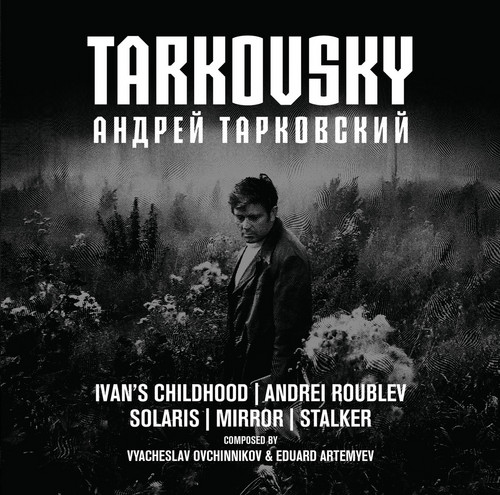
Tarkovsky
This boxset contains the original soundtracks to the five core works of Andrei Tarkovsky, the master of Soviet cinema: "Ivan's Childhood", "Andrei Roublev", "Solaris", "Mirror", and "Stalker". The works by Eduard Artemyev and Vyacheslav Ovchinnikov may sound imperfect to the modern ear, but have been sympathetically remastered and presented as close as possible to how striking they would have sounded to audiences at the original film presentations. Deluxe matt-laminate boxset containing 5 x CDs …
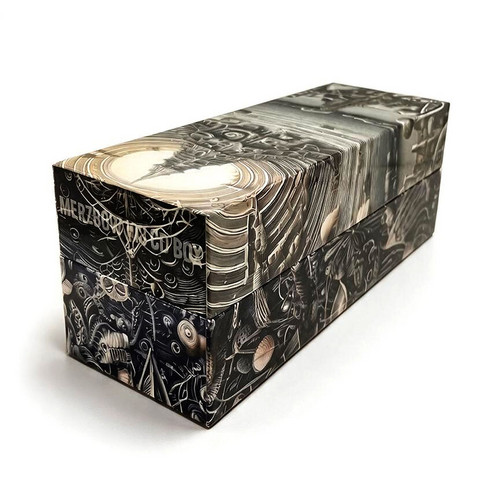
Merzbow 108 CD Box
The Merzbow 108 CD Box turns Merzbow’s vast archive into a monument of productive excess: 108 discs spanning lost albums, alternate mixes, outtakes, rehearsals and recent work, assembled by Slowdown Records across nearly a decade. Its Buddhist number signals 108 worldly desires - but this is noise as discipline, mutation and inexhaustible liberation.
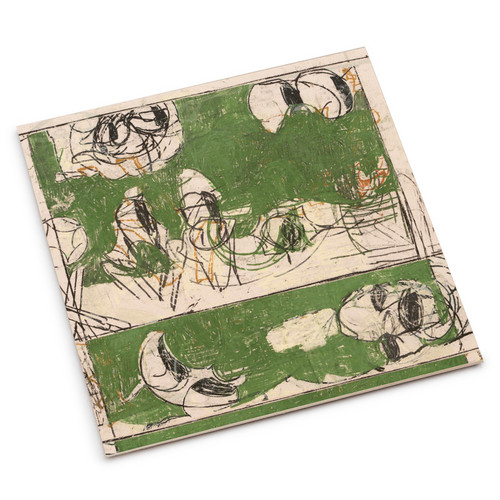
Lummernikt
Lummer is the Swedish name for the now protected family of vascular plants (Clubmoss/Lycopodiaceae). Lummer grows slowly and the spores with which it reproduces can take 12—20 years to develop. These spores, known as Nikt in Swedish, were once ground into an extremely flammable light yellow “old woman’s gunpowder” that was used for early theatrical pyrotechnics. Volatile and explosive, Lummernikt requires careful handling. There is something of the small scale dangerous in Finn Loxbo’s Lummernik…
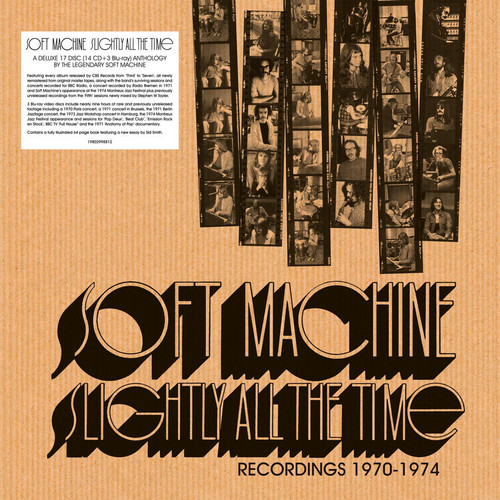
Slightly All The Time, Recordings 1970-1974
Between 1970 and 1973 Soft Machine recorded five albums for CBS, and across those five records the band changed almost beyond recognition. Third still had Robert Wyatt singing on one side of it; by Seven there were no vocals, no Wyatt, no Elton Dean and no Hugh Hopper, and the group was playing a dense, written, riff-driven music that had more to do with Miles Davis's electric bands than with anything else coming out of England. This box follows that arc in detail. All five albums are here, rema…
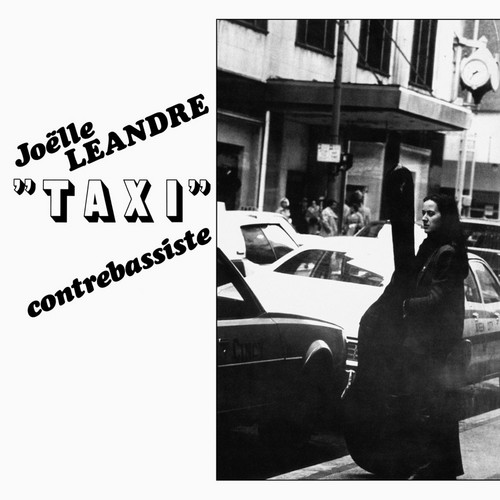
Taxi
The debut album of the French master improviser from the early 80s finally available again! her impressive release-list over the years - solo, duos, trios, big projects – shows a range of works with most of the current improvisers, to new music (Cage, Scelsi) and dance and theatre with two main constants - playing live plus the celebration of improvisation. This album here shows in a wonderful way how it all started – a strong player with her voice and her instrument. Recorded at Studio Achille,…
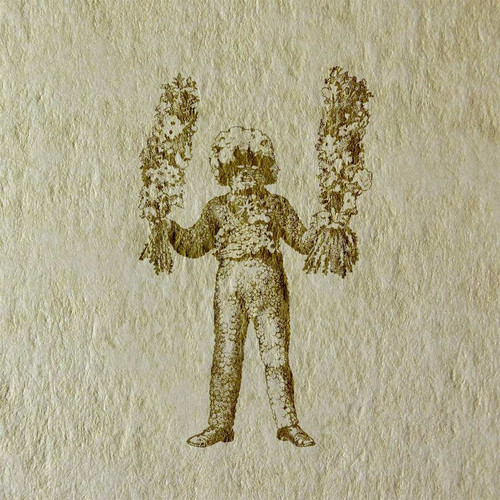
Drëun
This is supposed to be a 40th anniversary reissue. Well, it still is, but with year of a delay. It was told enough about the early Metgumbnerbone recordings. We just keep some quotes here.
"It’s hard to imagine anything more haunting than the folk horror ritual sounds which Metgumbnerbone conjured forth in the Ruins of Industry." - Kristian Olsson, Shock Tilt
"Working mainly with percussion, Metgumbnerbone evolves an improvisational continuum that depicts subterranean and old, eerie, murky templ…
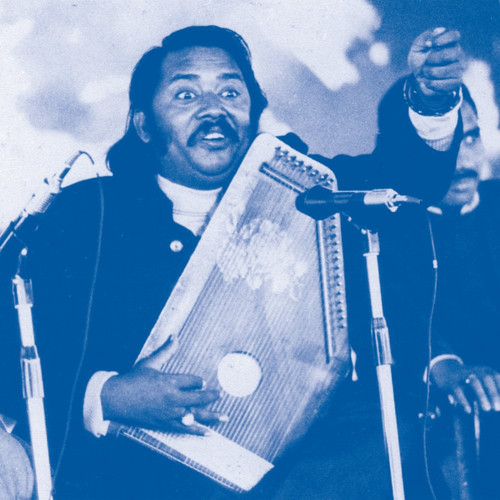
Metamusik Festival Berlin ‘74 Vol.II
Black Truffle is thrilled to announce a second volume of unheard concert performances from legendary Pakistani kyhal singer Salamat Ali Khan, recorded at Berlin’s Neue Nationalgalerie as part of the MetaMusik festival in 1974. Like the first volume, the immaculate recording by Michael Hönig (of krautrock legends Agitation Free) captures Khan performing a single extended raag in the company of Shaukat Hussein Khan on tabla and Hussein Bux Khan on harmonium. In addition to his stunningly inventive…

Exotic Moods
JJ Whitefield dives deep into the golden era of library music, drawing inspiration from KPM, De Wolfe, Bruton Music, CAM and the composers who shaped the genre. Slow Moods presents 14 original instrumentals packed with atmospheric grooves, exotic touches and meticulously layered overdubs. East Asian and East African influences meet locked-in rhythms and sharp arrangements.

Works
Four years have passed since the release of Jon Collin's majestic Bridge Variations on Discreet Music, arguably one of the most defining and well-received releases on the label. Works is the first LP under the Early Music artist name - first the title of a 2015 solo LP, then a name for a label before being used for a couple of recent cassette releases - and was recorded in Stockholm over a nine-month period last year. The main instrumentation is again the keyed fiddle - a traditional Swedish fol…

No Skill Comedy Mind Reading
Aaron Dilloway returns to Dais Records with 'No Skill Comedy Mind Reading', his first full-length album since 2017, a collection of characteristically jarring, absurdist material. Marked by his signature distortions and contortions — feedback-shrouded found sounds, field recordings, and vocal improvisations — 'No Skill' collects nearly a decade of select solo work and feels distinctly in the present, a scattered product of volatility, both harsh and humorous. Few contemporary experimental artist…

Peace & Blessings
Nat Birchall goes back to the source. Not Coltrane this time, but the record that led him to Coltrane in the first place.
In 1973 a schoolboy in Lancashire ordered a triple LP from his local record shop after reading about it in Black Music magazine. It was Grounation, by Count Ossie & The Mystic Revelation of Rastafari - hand drums, chanting, poetry, and the tenor saxophone of Cedric 'Im' Brooks, soulful and untamed, heard years before Birchall ever put on a John Coltrane record. When he finall…
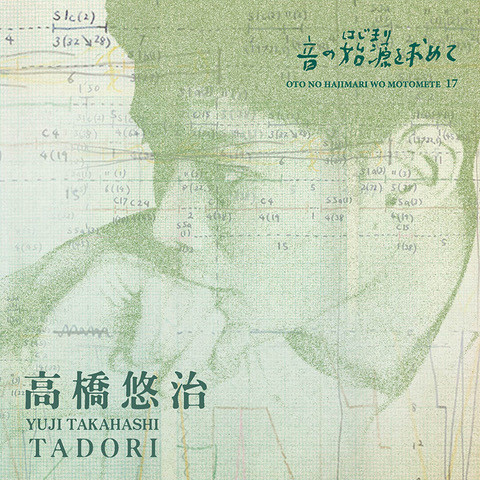
In Search of the Origins of Sound Vol. 17
Tip! At the time, Yuji Takahashi was known internationally primarily as a pianist. Yet the decade from Phonogène (1962) to Tadori (1972) reveals another essential side of his work: an exploration of electronic sound, mathematics, and computers in composition, and of their changing relationship with human performance. One of the starting points was his encounter with Iannis Xenakis. Takahashi studied probability theory and set theory, and in Phonogène developed his own probabilistic approach to o…
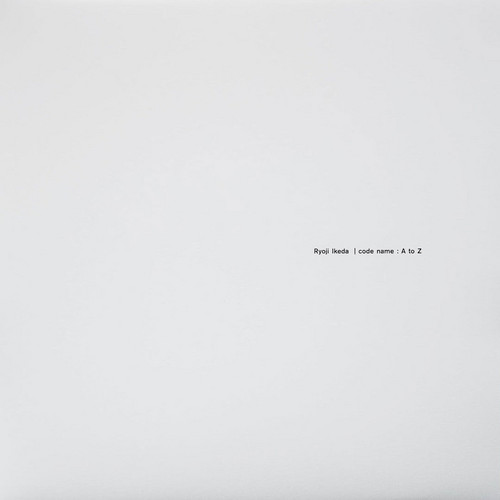
Code Name: A To Z
**Clear vinyl, 26 locked grooves, edition of 500 - 2026 repress** An alphabet reduced to its bones. Twenty-six words, twenty-six frequencies, twenty-six grooves that never end. Code Name: A-Z is Ryoji Ikeda at his most austere and his most physical, a record that treats the vinyl disc not as a carrier of music but as an instrument in its own right. Ikeda's position in the landscape of experimental sound needs little rehearsal. A founding presence in the Kyoto collective Dumb Type and one of the …
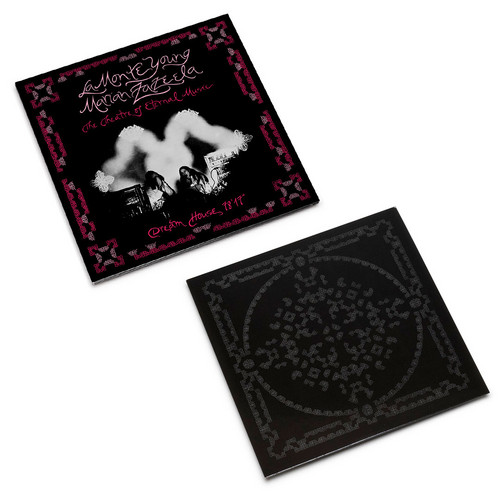
The Black Record + Dream House
The only two full-length records La Monte Young and Marian Zazeela released, together. Four sides and four dates, each one printed in the title to the minute: August 1964, July 1969, January 1973, July 1973. Nine years, from a bowed gong to three sine waves with nobody playing them.
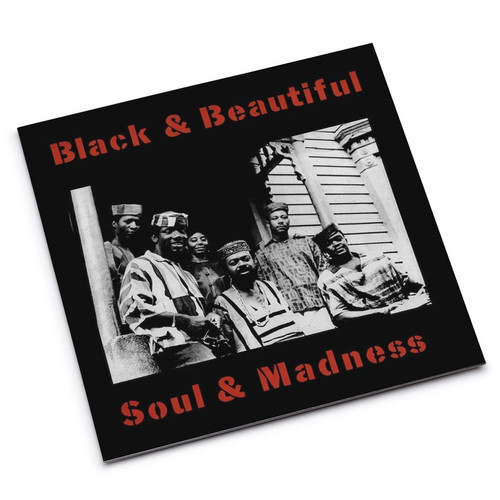
Black & Beautiful / Soul & Madness
Deluxe edition, housed in a reverse board printed sleeve with printed inner sleeve. Three LPs came out on Jihad, the label Amiri Baraka ran out of his own house in Newark. Two of them - Sonny's Time Now and A Black Mass - entered the canon of the New Thing decades ago. The third stayed a rumour: a title traded between collectors, a track a radio DJ might drop once a year, a record far more people had heard about than heard. Original copies surface rarely and sell for three figures. Black and Bea…

Issue 141 (Magazine + 7", Transparent Blue)
Ahead of their final studio album 'Danceteria' coming out later this month, we have the one and only Soft Cell on the cover of the latest Electronic Sound. There's a 16-page Marc Almond interview inside the magazine and we're bundling the issue with an exclusive blue vinyl seven-inch by the synthpop superstars. Make sure you don't miss out on this!
As most of you will know, Marc Almond's Soft Cell partner Dave Ball died nearly 12 months ago, just two days after they'd finished recording a new a…