Double Bass
All records with double bass · Solo double bass only
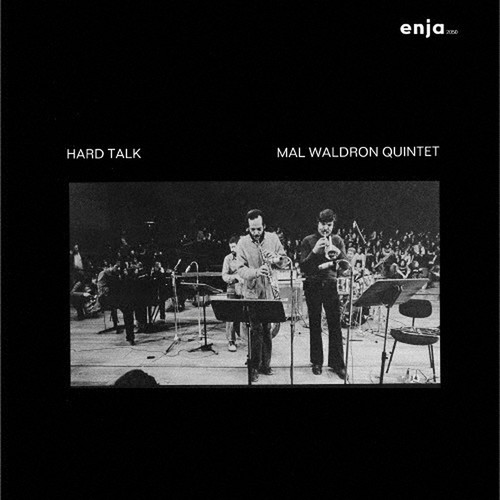
Hard Talk
Nuremberg, East-West Festival, 4 May 1974. Mal Waldron's quintet with Steve Lacy on soprano, Manfred Schoof on cornet, Isla Eckinger and Allen Blairman. Four Waldron compositions, live; AllMusic gives it four and a half stars and calls it a strong set where Schoof often steals the solo honours.
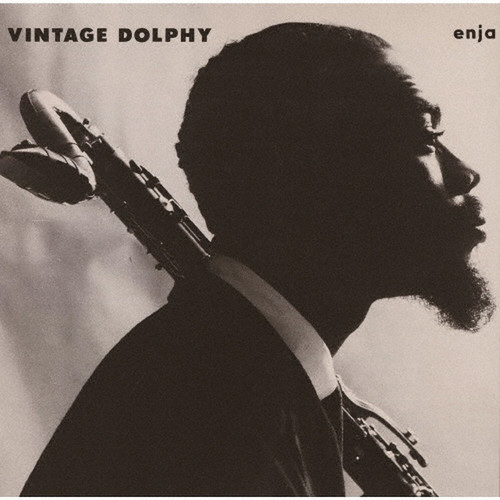
Vintage Dolphy
Eric Dolphy live in 1962-63, in Gunther Schuller's Twentieth-Century Innovations series at Carnegie Hall and in Syracuse: his own quartet with Richard Davis and J.C. Moses, three Schuller third-stream pieces with strings and Jim Hall, and a Donna Lee jam with Phil Woods, Benny Golson and Don Ellis.
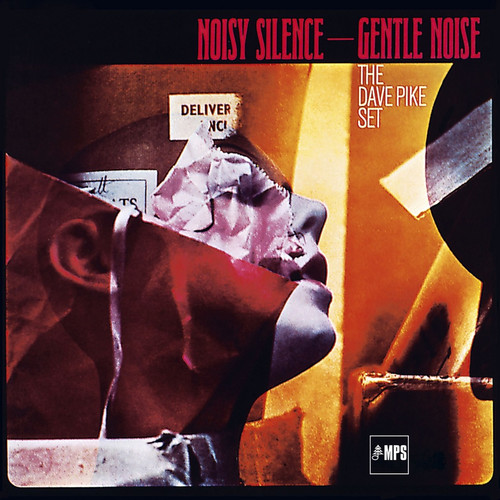
Noisy Silence - Gentle Noise
One day at the MPS studio in Villingen, 21 January 1969. Dave Pike on vibes, Volker Kriegel on guitar and sitar, Hans Rettenbacher and Peter Baumeister, produced by Joachim-Ernst Berendt. The Dave Pike Set's debut, with the sitar piece Mathar and Kriegel's rework of Zappa's Mother People.
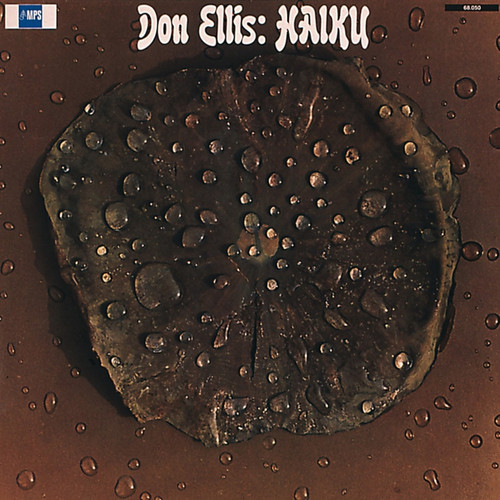
Haiku
No big band. Haiku, recorded over four days from 1 to 4 June 1973 and released by MPS in 1974, puts Don Ellis's trumpet in front of a twelve-piece string orchestra and a small rhythm group, on ten of his own pieces, each named after and written from a Japanese haiku.
It came right after Soaring, the album with Whiplash, and it is the opposite record. Scott Yanow at AllMusic calls it a very different Don Ellis, the trumpet well showcased over strings on ten moody originals, much of it mellow, a d…
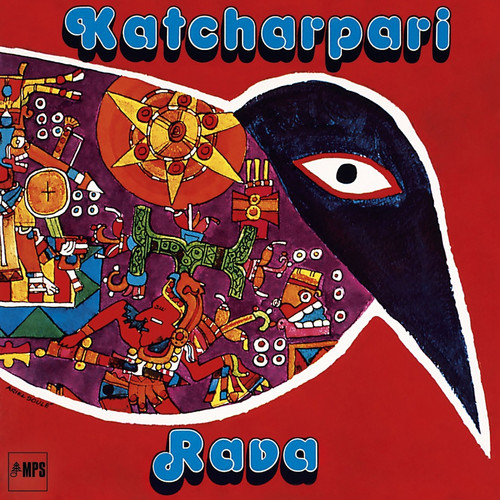
Katcharpari
Milan, January 1973. Enrico Rava's second record as a leader, with John Abercrombie on guitar, Bruce Johnson on bass and Chip White on drums, released by MPS/BASF. Rava has called it his breakthrough: the album that got Manfred Eicher's attention. Seven tracks, from Trial N. 5 to the Don Cherry tribute Cheerin' Cherry.
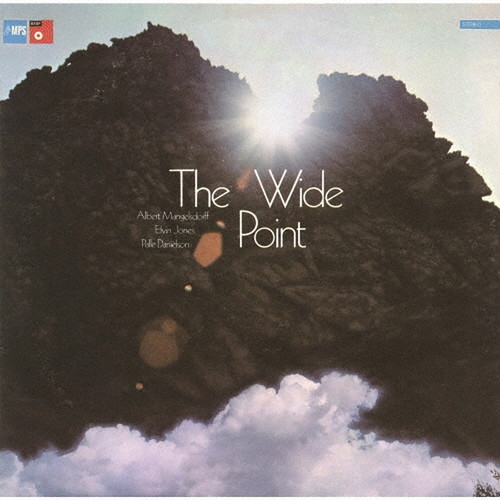
The Wide Point
Walldorf Studio, near Frankfurt, 1 and 2 May 1975. Albert Mangelsdorff on trombone, Palle Danielsson on bass, Elvin Jones on drums. Seven pieces, thirty-nine minutes, released by MPS the same year.
Mangelsdorff had recorded with Jones once before, on the 1968 duet album Albert Mangelsdorff and His Friends. The Wide Point is the first of his trombone-bass-drums trio records, the format that would produce Trilogue with Pastorius and Mouzon the following year and the Montreux album in 1980. The ban…
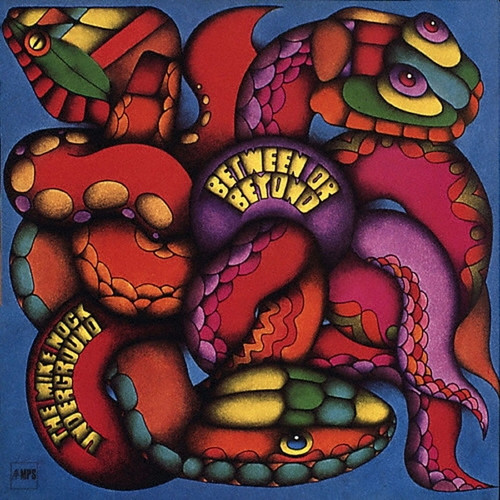
Between Or Beyond
Villingen, 29 June 1970. Mike Nock, the New Zealand pianist who had come up through Yusef Lateef's and Art Blakey's bands and was then leading the San Francisco fusion group the Fourth Way, records a session for MPS with the Fourth Way rhythm section, Ron McClure on bass and Eddie Marshall on drums, but without the violinist Michael White. Produced by Hans Georg Brunner-Schwer and Joachim-Ernst Berendt, credited to the Mike Nock Underground.
The cover carries a quote from Bill Evans, from a Down…
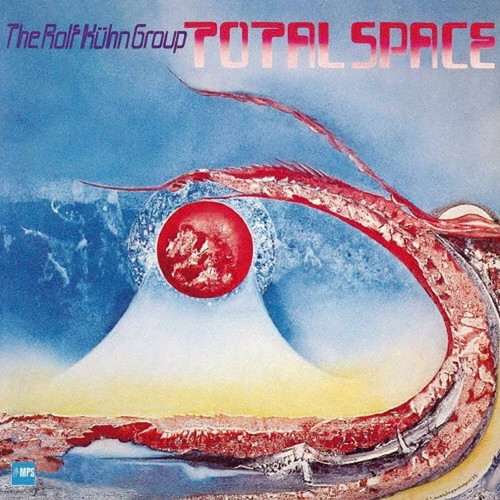
Total Space
Cologne, Cornet Studios, January 1975. Rolf Kühn on clarinet with a band that reads like a German jazz roll call: his brother Joachim Kühn on piano and electric piano, Philip Catherine on guitar, Gerd Dudek on tenor and soprano, Albert Mangelsdorff on trombone, Bo Stief on bass, and two drummers, Daniel Humair and Kasper Winding.
Kühn chose not to record in the MPS studio in the Black Forest and brought in the engineer Wolfgang Hirschmann instead. In his own account, quoted in MPS's reissue note…
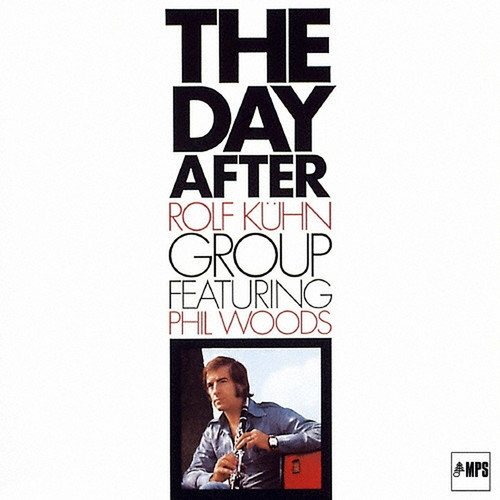
The Day After
Rolf Kühn and Phil Woods had worked together in New York in the late 1950s, when Kühn was there with Benny Goodman and the Tommy Dorsey orchestra. The Day After, released by MPS in 1972, is their reunion: Woods on alto, Kühn on clarinet, Joachim Kühn on piano, Peter Warren on bass, Oliver Johnson (Steve Lacy's drummer for a decade) on drums, and Naná Vasconcelos on percussion and berimbau.
Five pieces, forty-one minutes. Ca. 1-9-5-2 looks back to the bop era but is played modally. The title trac…
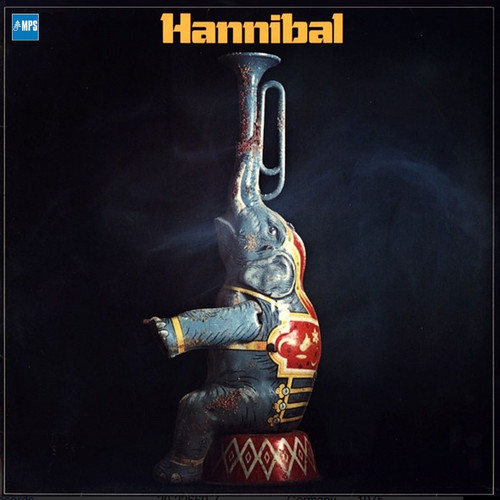
Hannibal
Ludwigsburg, 1 and 2 July 1975. Hannibal Marvin Peterson's first record for MPS, with Diedre Murray's cello, Michael Cochrane's piano, Stafford James and Thabo Michael Carvin. Two modal originals, a version of Misty, The Voyage with Hannibal on koto, and the fourteen-minute Soul Brother for Malcolm X.
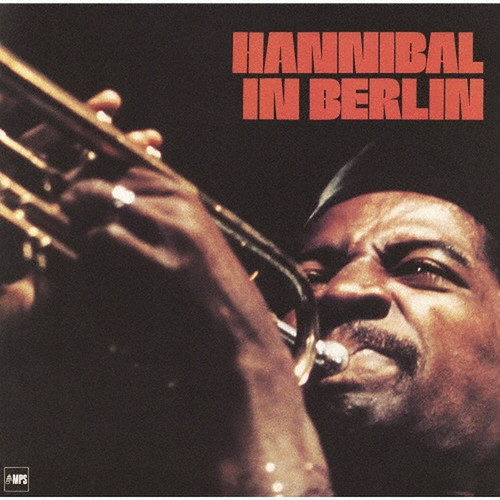
Hannibal In Berlin
Berlin Philharmonie, 3 November 1976. Hannibal with George Adams on tenor, Diedre Murray on cello, Michael Cochrane, Steve Neil and Allen Nelson. His own 23rd Psalm, Coltrane's Bessie's Blues and My Favorite Things, Willow Weep for Me, and Swing Low Sweet Chariot as a memory of the Texas cotton fields.
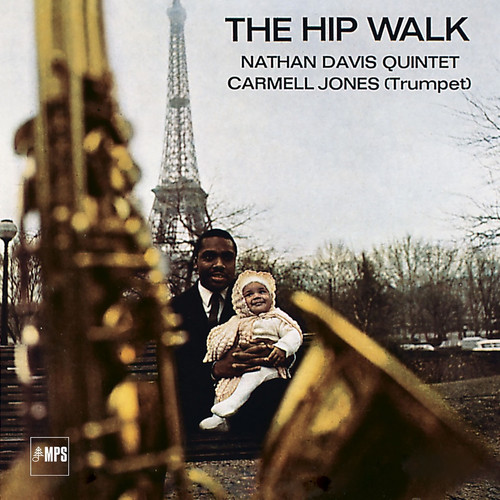
The Hip Walk
Villingen, 1965. Nathan Davis, the Kansas City tenor who had shared a Paris band with Eric Dolphy, records his second SABA album with a fellow Kansas Citian, Carmell Jones, just off Song for My Father, and the Clarke-Boland rhythm section: Francy Boland, Jimmy Woode, Kenny Clarke. Includes The Hip Walk.
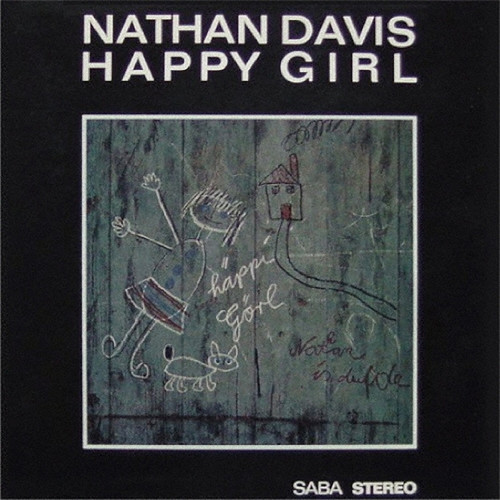
Happy Girl
Nathan Davis's first record as a leader, cut at the SABA studio in Villingen on 31 January 1965 with a twenty-year-old Woody Shaw on trumpet, Larry Young on piano rather than organ, Jimmy Woode on bass and Billy Brooks on drums. Tenor, soprano and flute in the Paris expatriate style of the mid-1960s.
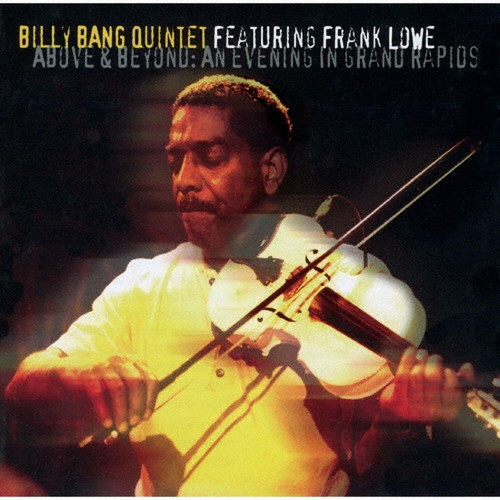
Above And Beyond
Grand Rapids, Michigan, Urban Institute for Contemporary Arts, 28 April 2003. The Billy Bang Quintet with Frank Lowe on tenor, Andrew Bemkey on piano, Todd Nicholson on bass and Tatsuya Nakatani on drums. Lowe was playing with one lung. He died that September, and this is his last recording.
Bang and Lowe went back to the loft years and had made a run of duo and group records together. Justin Time, which had Bang under contract for Vietnam: The Aftermath and its sequel, released the tape in 2007…
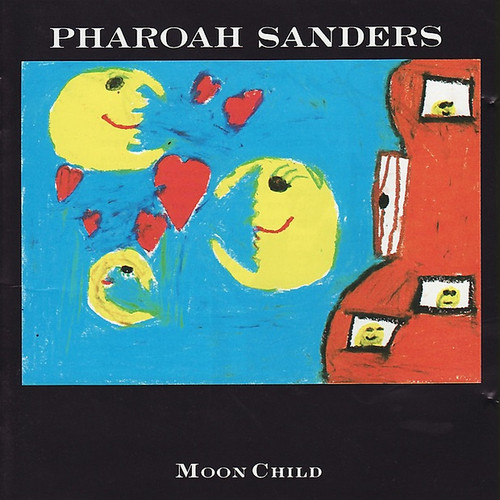
Moon Child
Paris, Studio Davout, 12 and 23 October 1989. Pharoah Sanders with William Henderson on piano, Stafford James on bass, Eddie Moore on drums and Cheikh Tidiane Fall on percussion. Produced by Wim Wigt for Timeless, released in 1990.
The Penguin Guide called it the straightest jazz album Sanders had made for years, and heard what he was after: a hypnotic groove that lets the horn float almost at will. Steve Loewy at AllMusic writes that the results may have disappointed some fans at the time, but …
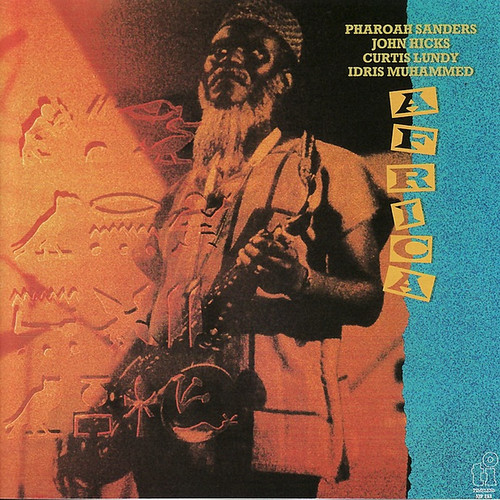
Africa
Studio 44, Monster, Holland, 11 March 1987. One day. Pharoah Sanders with John Hicks on piano, Curtis Lundy on bass and Idris Muhammad on drums, a band he kept for years. Produced by Wim Wigt for Timeless.
The record is built around Coltrane. Loewy at AllMusic writes that most listeners will prefer the originals to Sanders's imitations, but calls Africa a joyous and worthy tribute. AllMusic's survey of the Timeless years is warmer: it hears the title track's highlife melody undercut by Hicks's p…
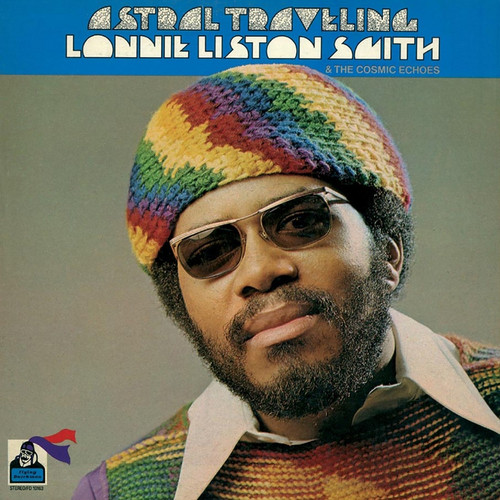
Astral Traveling
Lonnie Liston Smith's first album under his own name, 1973, straight out of the Pharoah Sanders band and the Thembi sessions where the title track was born on a Fender Rhodes. Cecil McBee, Joe Beck, Badal Roy on tabla, Mtume on congas, a tamboura. Six pieces, produced by Bob Thiele for Flying Dutchman.
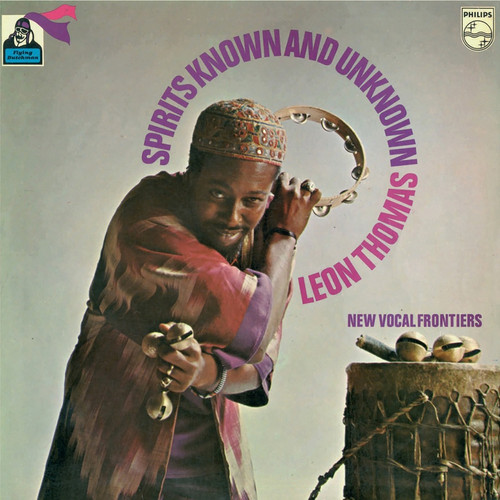
Spirits Known and Unknown
New York, 21 and 22 October 1969. Leon Thomas's first album under his own name, made months after Karma, with Pharoah Sanders credited as Little Rock, Lonnie Liston Smith, James Spaulding, Cecil McBee, Richard Davis and Roy Haynes. A shorter Creator Has a Master Plan, Echoes, and the Malcolm X elegy Malcolm's Gone.
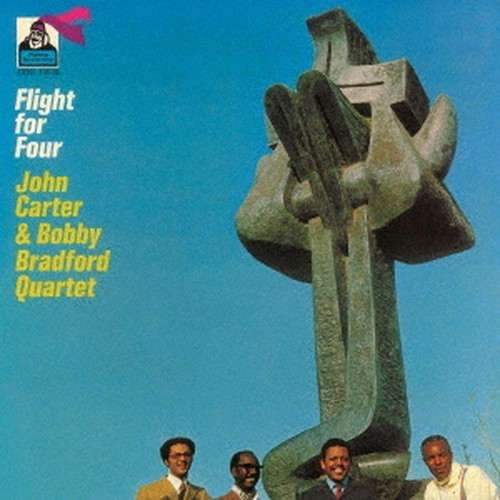
Flight For Four
Los Angeles, 1969. The first record of the John Carter - Bobby Bradford Quartet, the West Coast free jazz band Ornette Coleman had brought together in 1965, with Tom Williamson on bass and Bruz Freeman on drums. Five Carter pieces for Bob Thiele's new Flying Dutchman, from Call to the Festival to Domino.
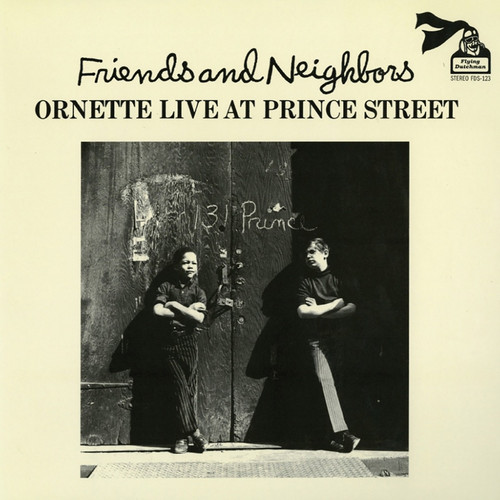
Friends And Neighbors (Ornette Live At Prince Street)
Ornette Coleman's loft at 131 Prince Street, Valentine's Day 1970. Dewey Redman, Charlie Haden, Ed Blackwell, and whoever was in the room singing the title chant. The only Coleman album on Flying Dutchman: six pieces, Ornette on alto, trumpet and violin, taped as a party rather than a concert.