★Death Is Not The End

Let Me Perish Without Return: Lament and Longing from the Fading Russian Empire, 1889-1917
Twenty sides cut in the Russian Empire between 1889 and 1917, dug up by Gary Sullivan in the Russian shops of Brighton Beach and Forest Hills: music hall satire, drawing-room ballads and convicts' laments from the years before everything changed.
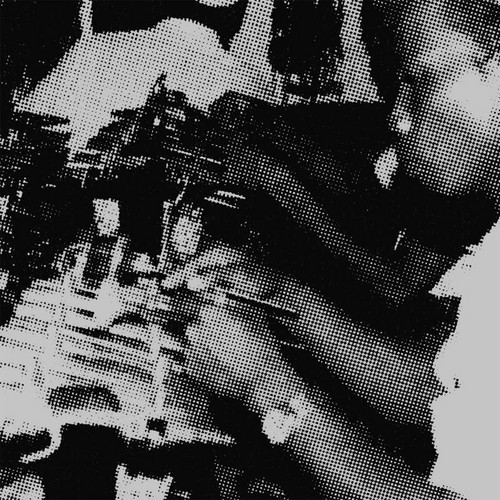
Gamelan Music of Bali: Field Recordings by Deben Bhattacharya, 1973-74
A first-time vinyl & cassette release for pioneering Bengali ethnomusicologist, filmmaker and radio producer Deben Bhattacharya's Bali field recordings, captured in the historic villages of Puri Karangasem, Tegaltamu, and Kayumas Kaja between December 1973 and January 1974. Searingly beautiful and hypnotic, these are some of the finest candid, open-air sonic documents made of gong keybar orchestras accompanying authentic dance-dramas, ceremonial funeral rites and shadow puppetry plays. The 2LP i…
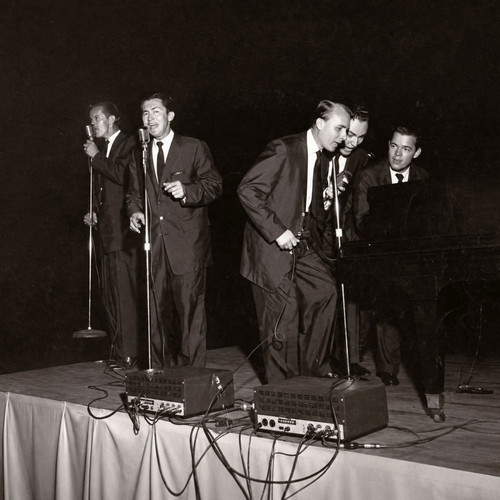
I'll Never, Never Die: Southern Gospel Boogie, 1948-55
DINTE presents a collection of southern gospel sides from late 1940s to mid 1950s capturing the post-WWII departure from rural folk & shape-note singing traditions that had previously defined the music, to quartets and vocal harmony groups embracing of driving, uptempo boogie-woogie rhythms and spirituals borrowed from the black church. Meticulously transferred and restored from the original 78 RPM and transcription discs by collector James Zurek.
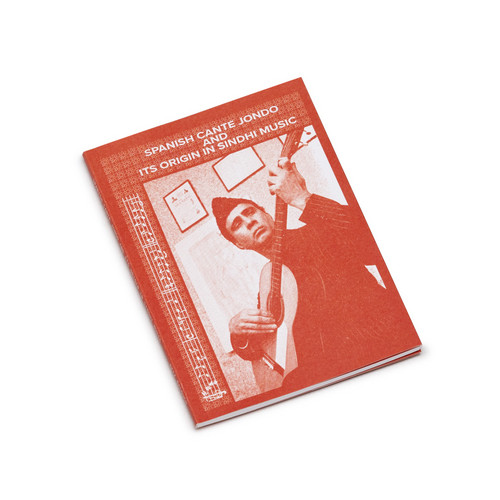
Spanish Cante Jondo and Its Origin in Sindhi Music (Book)
The second outing for our short run book publishing imprint, The End books, takes the form of a reprint of Spanish Cante Jondo and Its Origin in Sindhi Music, originally published in Spanish in 1955 under the name Cante Jondo: Su Origen y Evolución and later in this English translation. Aziz Balouch presents his theory on the roots of flamenco's 'deep song' in modern-day Pakistan, a cultural journey that mimics the routes of his own life, having been brought up among the Islamic mysticism and de…
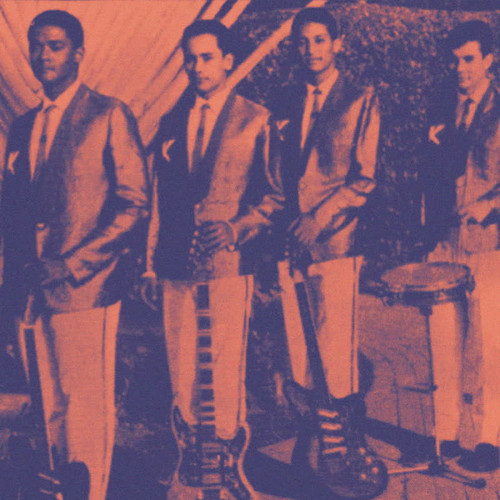
Global Surf & Garage Rock (Tape)
DINTE present a cassette-only issue of an NTS radio broadcast from back in early 2019; a cross-continental trip through instrumental surf, short-run garage rock, and space-age psych oddities from across the globe, incl. groups from the US, UK, Peru, Angola, Thailand, Japan, Indonesia, India & Singapore among others.
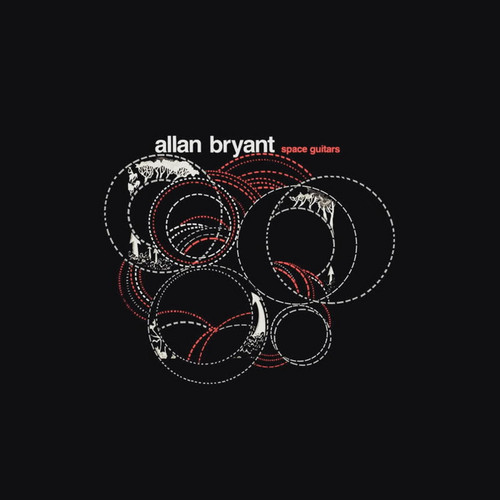
Space Guitars
Music for New String Instruments, composed and performed by Allan Bryant. A pioneer of underground American electronic music, Bryant helped push the boundaries as a founder member of Musica Elettronica Viva alongside Alvin Curran, Frederic Rzewski, and Richard Teitelbaum. Following his departure in 1968 he continued to independently compose, record, and archive live vintage MEV sets on his own IRML imprint until his death in 2019. During a period in the early to mid 1970s, Bryant channelled his …

Music By Earle Brown
Originally released by CRI in 1974 and now reissued on vinyl for the first time by Death Is Not The End, Music by Earle Brown is a concise overview of the composer's landmark early experiments with graphic notation, open form structures and magnetic tape.
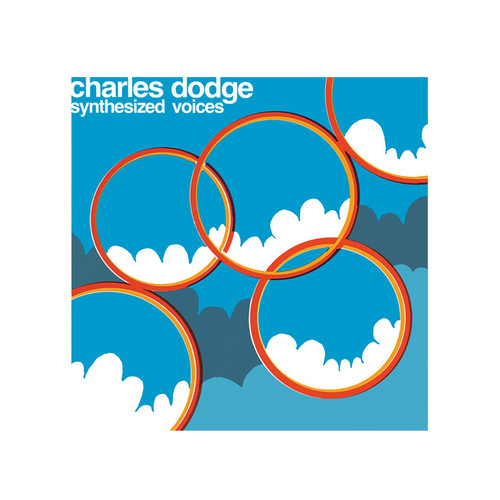
Synthesized Voices
DINTE reissues Charles Dodge’s 1976 LP collection of synthesised speech music, 1972-1975. Using mainframe computers at Bell Telephone Laboratories, Dodge analysed and dismantled audio recordings of surrealist poetry by Mark Strand, mathematically and meticulously reconstructing them in synthetic form, resulting in these uncanny, landmark pieces that spearheaded early computer speech synthesis as a form for musical composition.
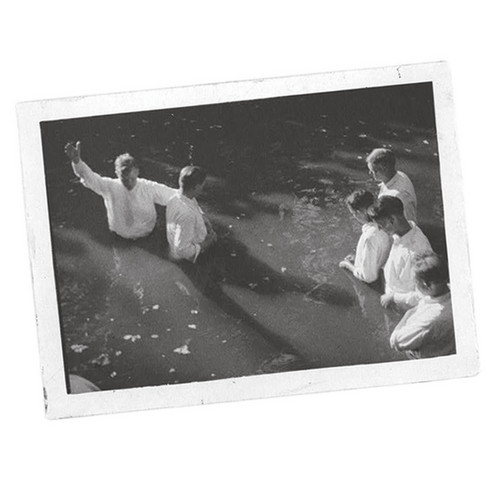
I'm On My Journey Home: Sacred Harp Singing, 1928-1934
Death Is Not The End, following their cassette reissue of Harry Smith's Anthology, present a collection of recordings of Sacred Harp singing (a traditional sacred choral music with origins in the American South) taken from the late 1920s through to the late 1930s. Necessary vinyl edition of Death is Not Final’s I’m On My Journey Home, Sacred Harp Singing, 1928-1934, a collection of recordings of Sacred Harp singing (a traditional sacred choral music with origins in the American South) taken from…
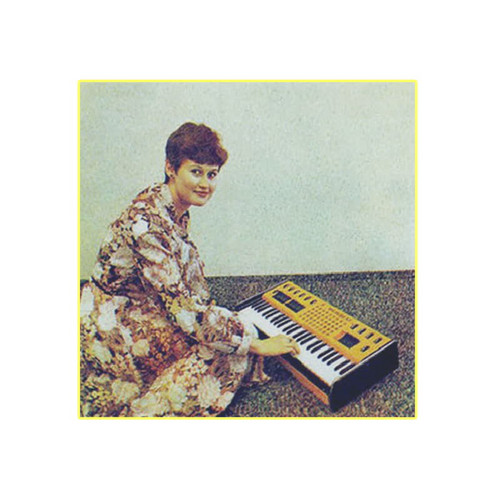
Central Asian Synthesizers (Tape)
qorakitobchi aka Anvar Kalandarov is a music archaeologist, musician and producer from Tashkent, Uzbekistan whose work is dedicated to uncovering forgotten sounds from across Central Asia. In recent years he has emerged as a singular voice documenting the region’s musical heritage, co-compiling Synthesizing the Silk Roads for Ostinato Records and curating Digging Central Asia: Musical Archaeology Along the Silk Road split release for Death Is Not The End, alongside presenting his own Maqom Soul …
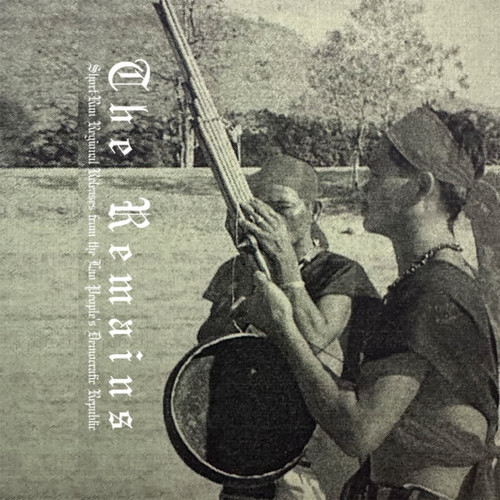
The Remains: Short-Run Regional Releases from the Lao People's Democratic Republic (Tape)
Gary Sullivan's Bodega Pop project returns to Dinte with a cassette-only collection of traditional sounds plucked from CDRs found in the night-markets of Savannakhet, Vientiane, and Luang Prabang.
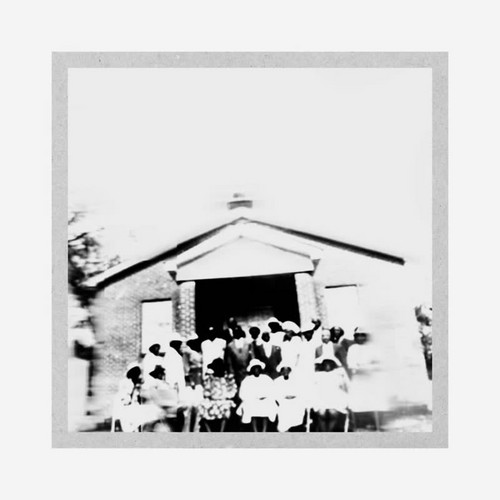
Songs From The B. F. White Sacred Harp
"The Wiregrass Singers' Dewey Williams began learning the shape-note tradition in his childhood. He studied under Judge Jackson, who authored the landmark 1934 hymnbook The Colored Sacred Harp. In 1971, Williams formally organized The Wiregrass Sacred Harp Singers to preserve the music full-time. This unified troupe began touring nationally and leading workshops, which ultimately launched them onto stages at the Smithsonian and Newport folk festivals up until Williams' passing in 1995 when the g…

My Torment
Death Is Not The End issue 15 heartbreaking archival fado recordings from Ercilia Costa - made in Madrid in 1930, accompanied by seminal guitarist Armandinho. One of the early stars of fado, Ercilia Costa was the first to take the music overseas to emigrant Portgugese communities.
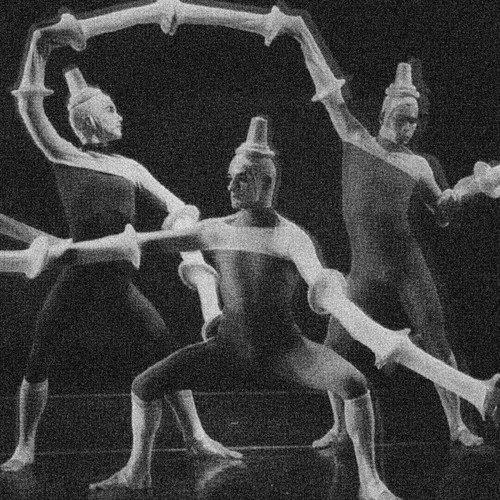
Electronic Dance Music, 1966-1989
Often credited as the father of multi-media theatre, Alwin Nikolais (1910-1993) took complete creative control over his productions - including cutting-edge approaches to lighting and costume that transformed human bodies into shifting sculptural shapes, while also composing wildly innovative electronic music as accompaniment.
After initially experimenting with musique concrète and tape manipulation (as demonstrated on the 1959 LP Choreosonic Music of the New Dance Theatre of Alwin Nikolais) Nik…
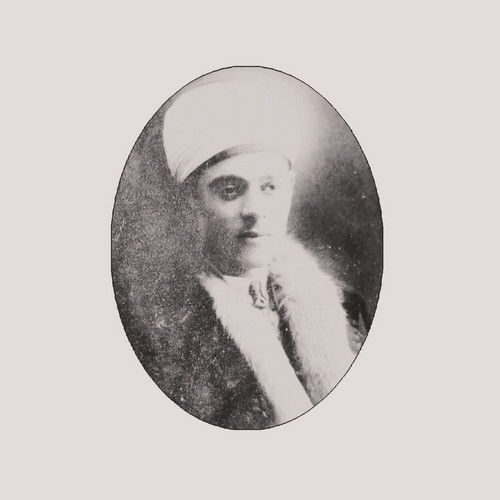
The Pain of Separation: Turkish Gazels, 1926-1935
A collection of spellbinding, melismatic vocal improvisations taken from 78s cut between the mid 1920s to mid '30s - a period defined by the aftermath of the Ottoman Empire’s partition, the Greco-Turkish War and the compulsory population exchange that followed. This same period also represented a time of intense efforts, following the establishment of the Republic, to westernise the new nation's music - coupled with a ban on traditional music education in schools, and later a complete ban on bro…
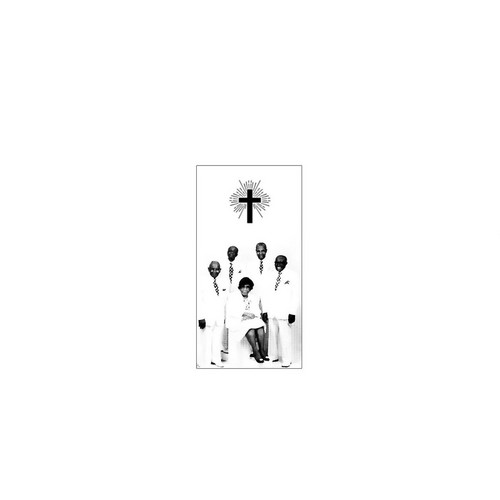
Jesus Hits Like the Atom Bomb: Gospel Quartet Singing in Jefferson County, Alabama
"Jefferson County is the heartland of black American a cappella gospel quartet singing. For more than [a century] black quartets have thrived in Birmingham and Bessemer, and they have provided immeasurable spiritual uplift and musical enjoyment to a large portion of the local population. The tenacious survival of black quartet traditions in Birmingham and Bessemer preserves a cultural and historical continuity that informs and enriches many lives. The older singers share a sense of brotherhood, …

Slot Machine Music, Vol. 1 & 2: Field Recordings from Middle American Casinos
"Video gambling addicts, academic researchers, and industry professionals alike describe the trancelike state into which problem gamblers suspend themselves with remarkable consistency: they unanimously call it the machine “zone,” a kind of inner experience during which the rhythmic flow of human-machine collusion borders on mysticism. Time is abolished in the act of contemporary video gambling—simulated slot reels roll, virtual poker decks deal, and all worldly concerns are lost—leaving only th…
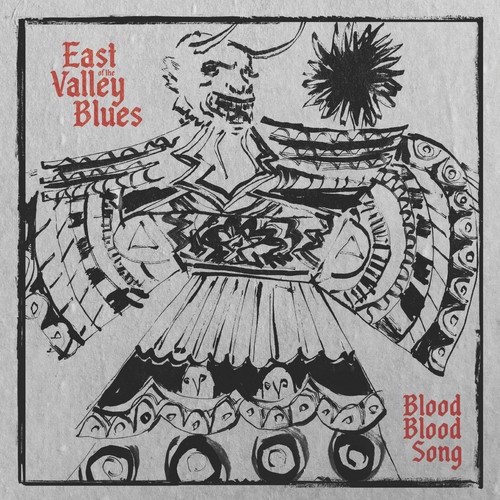
Blood Blood Song
"Blood Blood Song continues East of the Valley Blues’ streak of sublime, future-forward acoustic fantasias. For years, the Toronto-based duo, comprised of brothers Kevin and Patrick Cahill, has excelled at an earthy and pensive brand of instrumental music inspired by notions of folk music as a global, rather than regional, idiom.While the duo’s elegant and unassuming virtuosity easily distinguishes East of the Valley Blues from its contemporaries of would-be Bashos and fledgling Faheys, it is th…
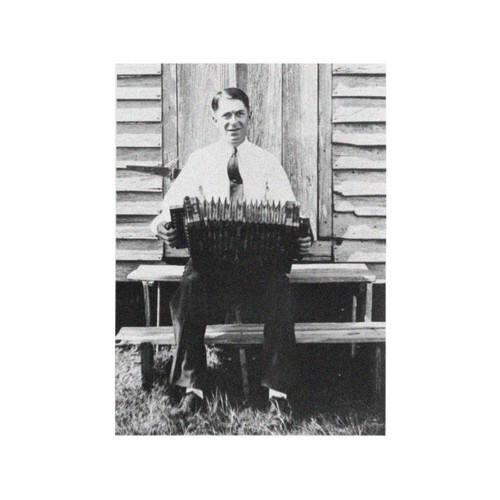
Bury Me In A Corner Of The Yard
Death Is Not The End issue a 14-track tape of vintage and archival Cajun ft. tracks from Segura Brothers, Amede Ardoin, Blind Uncle Gaspard, Sydney Landry & more.
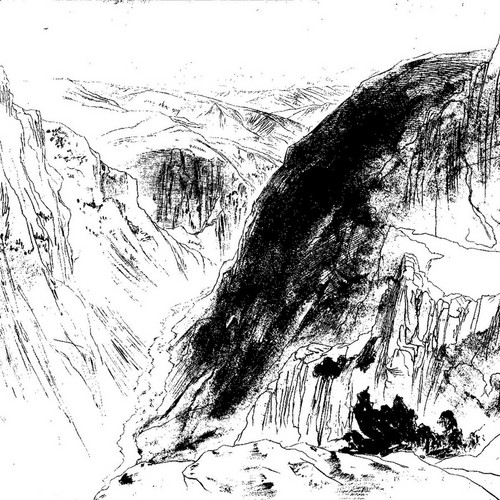
Curse You, Foreign Lands
A 14-track tape pulling together rural Greek demotika recordings from the late 1930s to the mid-1950s. Soaring pentatonic improvisations, odd-metered rhythms, and vocal performances oscillate between heartbreaking laments and ecstatic celebrations.