★GM Records
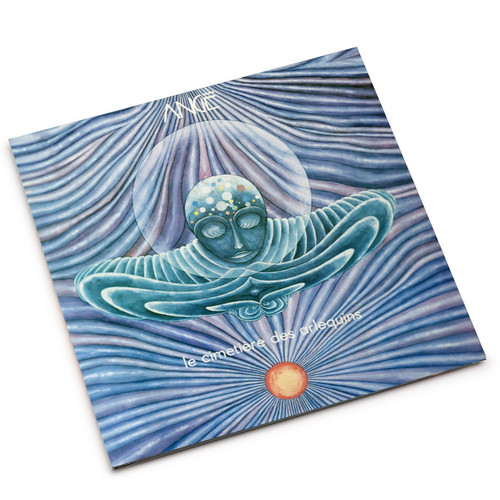
Le Cimetière Des Arlequins
Originally issued by Philips in 1973, Le Cimetière des Arlequins is the second LP by Ange, and the record that transformed a young band from Belfort into the defining voice of French progressive music. A gold record in its homeland, it remains one of the great theatrical statements of the European 1970s - a world of discordant organ, Mellotron, and feverish narration that owes as much to the chanson tradition as it does to the symphonic ambitions of its English contemporaries.
The album announce…
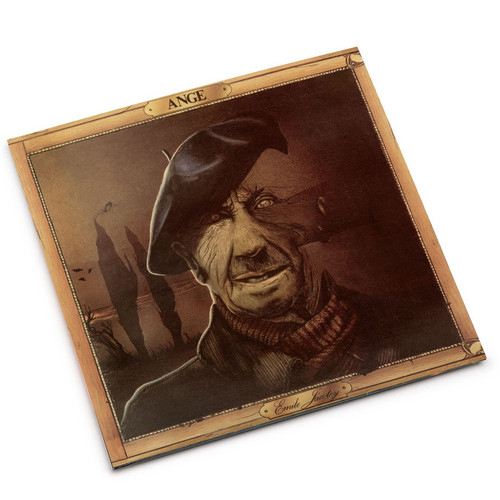
Emile Jacotey
This is one of the cornerstones of French progressive music. Originally issued in 1975, Émile Jacotey is the fourth LP by Ange, the band from Belfort that stood, by the middle of the decade, as the undisputed leaders of the French rock scene - and it remains among the most singular concept albums the era produced anywhere in Europe.
The album's great achievement lies in how it binds together two major cultural currents of 1970s France: the national passion for progressive rock, and what came to …
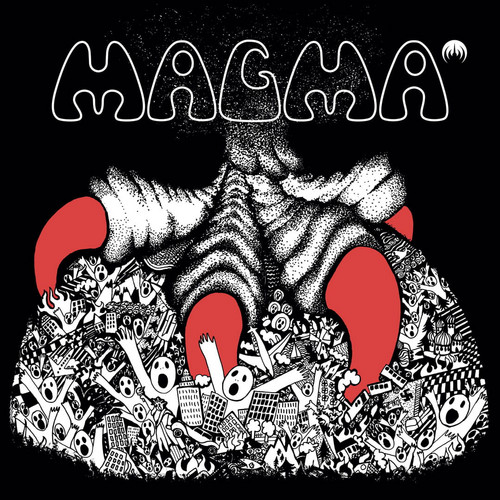
Kobaia
CD Digipack. In early 1967, John Coltrane died. Christian Vander was twenty years old, living in something close to poverty in Paris, and Coltrane's death pulled the ground from under him. He went to Italy, to Milan and Turin, and spent nearly two years in a state of deliberate self-destruction. One morning in Turin he woke up and decided to stop. He returned to Paris, met bassist Laurent Thibault, and began working on something that had no name yet.
By 1969 Magma existed as a group. By 1970 the…
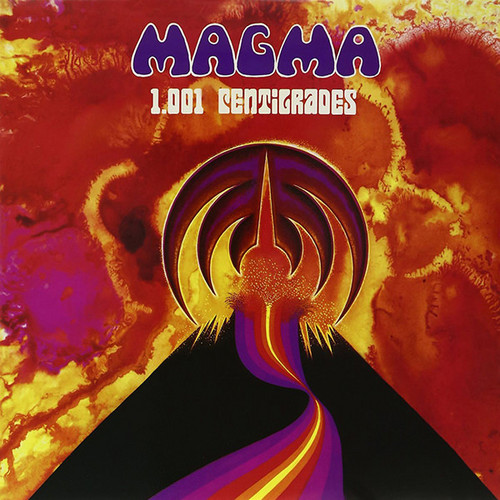
1001 Centigrades
Back to Black series. Recorded at Michel Magne studios in Herouville, 5-10 of April, 1971. After losing guitarist Claude Engel and reinforcing the brass section with Jeff Seffer on saxophones and Louis Toesca on trumpet, Magma went back into the studio in 1971 to record a second album. All the originality and greatness of Kobaia are there, in even greater measure because everything is magnified. The two tracks composed respectively by Teddy Lasry and François Cahen occasionally introduce a jazzi…