New Arrivals / Last 4 weeks
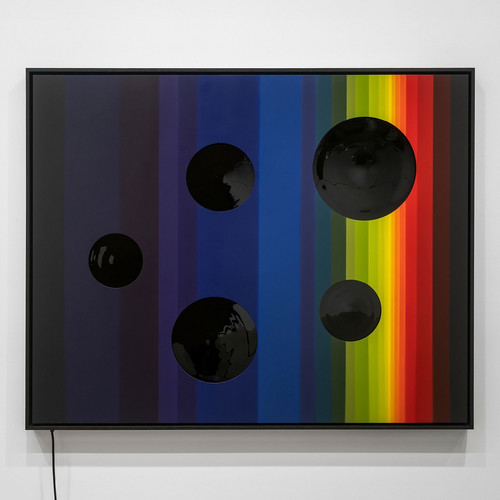
From Red Black to Black, from Blue Black to Black
David Grubbs' commissioned music for Josiah McElheny's singing paintings, wall works with hand-blown glass discs that resonate sound: one 30-minute piece for lap steel, electric guitar and Serge synthesizer, built on microtonal slide.

Ultimate Extreme Media
*100 copies limited edition* Operating at the intersection of noise, power electronics, and extreme experimental music, Uncodified rejects conventional structures in favor of tension, texture, and raw sonic impact. The album unfolds as a confrontation with sound itself: distorted frequencies, abrasive atmospheres, mechanical pressure, and dense waves of electronic intensity combine to create an experience that is as physical as it is psychological.
Rather than offering easy melodies or familiar …
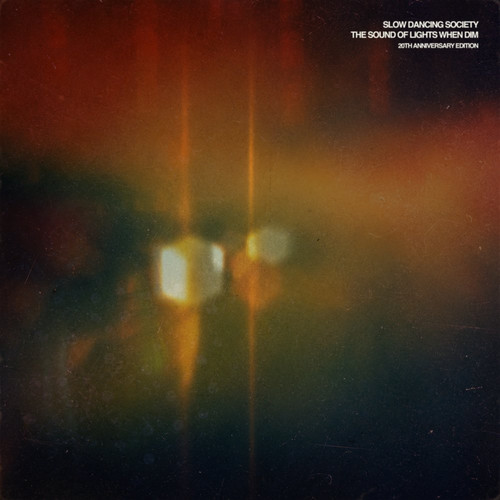
The Sound Of Lights When Dim
*100 copies limited edition* Twenty years after its original release, The Sound Of Lights When Dim remains a remarkable opening statement from Drew Sullivan’s Slow Dancing Society. First released on September 6, 2006, the eight-track album established a musical language that Sullivan would continue to explore and refine for the next two decades: slowly unfolding electronics, treated guitar, soft rhythmic movement and melody shaped less by conventional structure than by memory, atmosphere and emo…
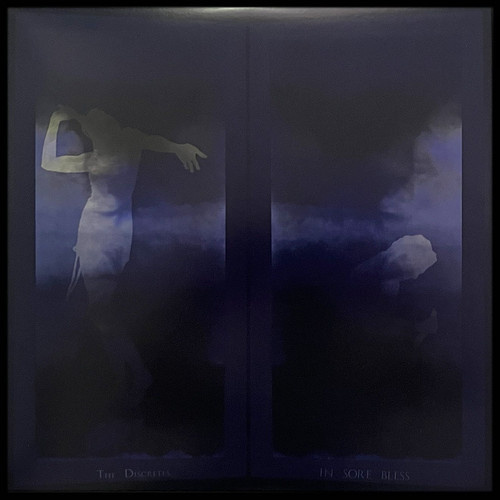
In Sore Bless
With In Sore Bless, Cecilia and Ali emerge as The Discretes, following and cultivating diverse veins of sound. Post-noise ballads, distilled jams, fragments of Anatolian-Trip-Hop and other genre-amalgams, all become a supplicant at St. Cecilia’s altar, praying to be guided by her voice. Cecilia sings in English, French and Italian, calling to an omnipresent yet elusive love, binding, repelling, fragile, transient, spiritual. Her lyrics are recounted over a background of synth drones, hand percus…

Endless summer
Endless Summer, originally released in 2001 by Mego, was a breakthrough album for Christian Fennesz. The album which brought his name and music towards the first steps of mainstream recognition. Following on from the more experimental Hotel Paral.lell and the Beach Boys homaged Plays single Endless Summer brought the guitars more to the front, the electronics shimmered more, and the melodies shined more brightly. It went on to be a classic of its time, topping many end of year polls.
This new de…
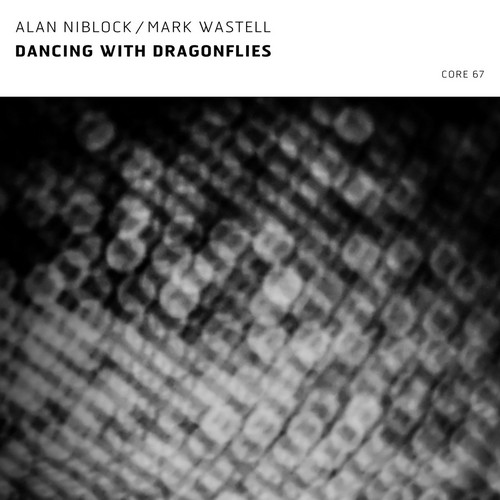
Dancing with Dragonflies
Confront Recordings announces the release of Dancing with Dragonflies, a compelling new collaboration between double bassist Alan Niblock and percussionist Mark Wastell.
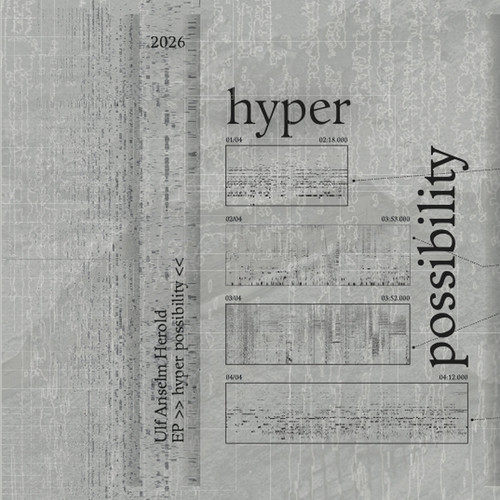
Hyper possibility
Is art artificial, is it a rhythm, or is it an algorithm—this is the question Ulf Herold poses, and the answer sounds rather affirmative: the two are not necessarily to be understood as opposites, but as dynamic counter-poles—this becomes evident in Herold’s four-track EP Hyper Possibility. The first track, “self generating piano,” offers an image in which the piano is played without “the master”, playing by itself. This sound is “artificial” insofar as no classical melodies can be found within …

The Matrix Poems: 1960-1970 (Book)
224 pages5.4 x 8.2 inchesPaperbackOctober 2026Second Printing
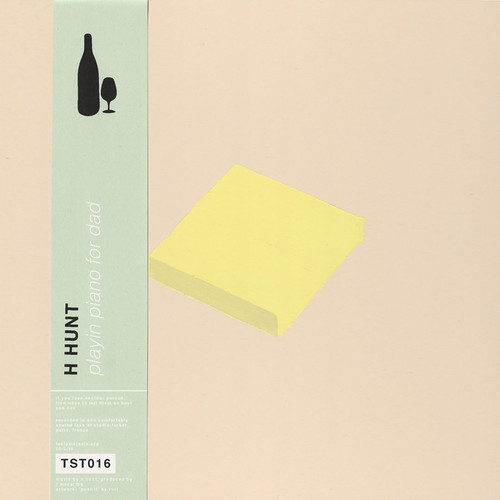
Playing Piano for Dad
Recorded in one comfortably-seated take at Studio Ferber, Paris, France in 2015 - h hunt’s ‘playing piano for dad’ was initially conceived as a Christmas gift to the composer’s father. Intimately recorded, ‘playing piano for dad’ is a heartbreakingly gorgeous & sincere work of eleven vignettes which capture even the most nuanced sounds of the recording session - the composer’s breath, the shifting sounds of the piano pedals, the ambient noise and conversation within the studio. With minimalist t…
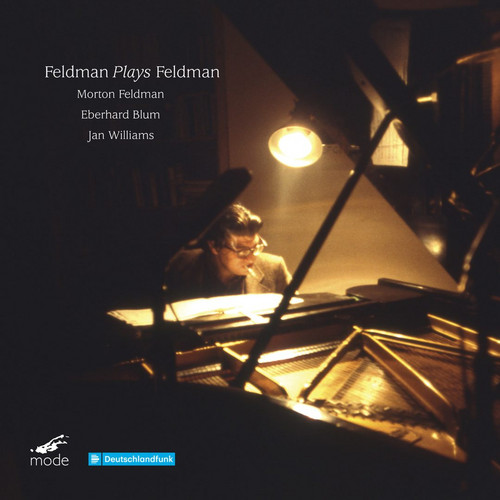
Feldman Edition 15: Morton Feldman Plays Feldman
Morton Feldman plays piano in a 1978 Deutschlandfunk concert recorded in Cologne, with flutist Eberhard Blum and percussionist Jan Williams: Why Patterns?, Extensions 3, Intermission 5 and The King of Denmark.
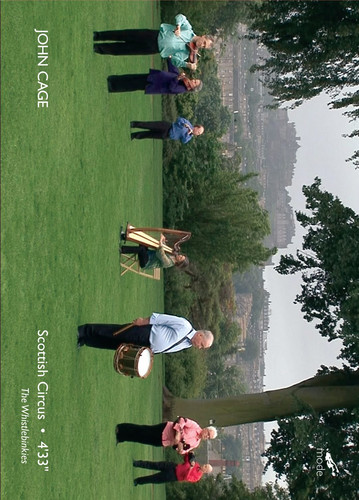
Scottish Circus
Two first recordings of John Cage's Scottish Circus (1990) with the Scottish traditional group The Whistlebinkies, plus indoor and outdoor versions of 4'33" for ensemble, recorded at Inverleith House in Edinburgh on DVD with bonus interviews.

New Orchestral Music from Mexico
Five world premiere recordings of orchestral works by Mexican composers Hilda Paredes, Ana Lara, Andrea Chamizo, Marcela Rodríguez and Georgina Derbez, with the Mexico City Philharmonic Orchestra conducted by Scott Yoo.
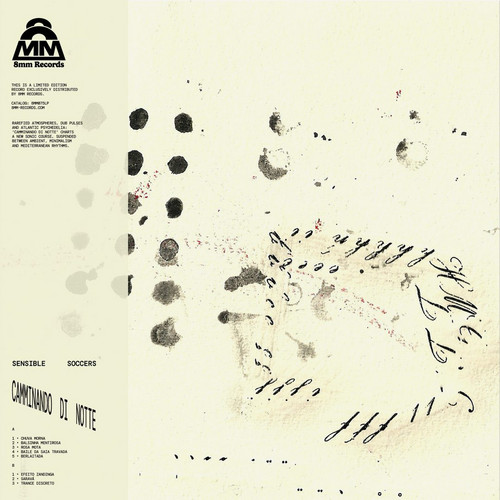
Camminando di Notte
Following two remix EPs featuring reworks by Mad Professor, Peaking Lights and Danilo Plessow, Sensible Soccers return with Camminando di Notte, an album exploring the space where instrumental electronics, organic rhythms and dub-inflected textures converge into a sound of warm, hypnotic and subtly disorienting beauty.The album opens with “Chuva Morna” and "Balsinha Mentirosa", setting the tone with softly played guitars, hazy electronics and rarefied percussion. Rather than moving towards a con…