New Arrivals
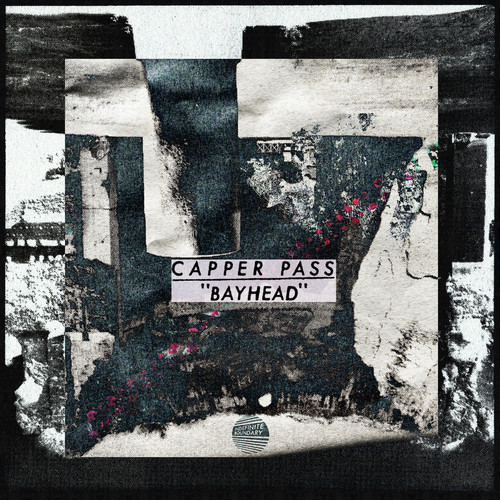
Bayhead
Emerging anonymously from Bristol's legendary electronic music scene, Capper Pass materializes on Indefinite Boundary with Bayhead – six tracks of smoldering neo-industrial textures, fractured southern rap rhythms and experimental sound design. Drawi…
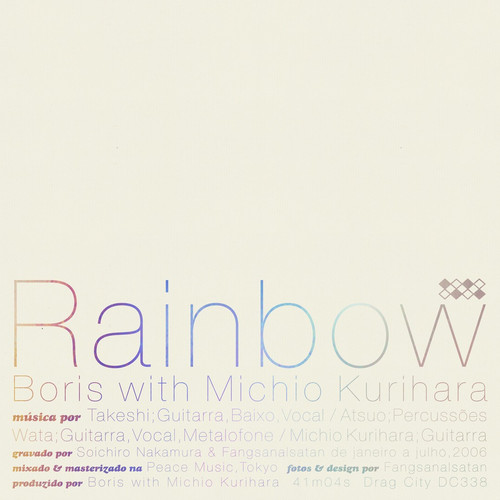
Rainbow
Boris and Michio Kurihara of Ghost and White Heaven first joined forces on Rainbow in 2006. Drag City now issues it on vinyl for its 20th anniversary: heavy psych, droning jams and short pop songs, in a tip-on sleeve with a vellum lyric insert.
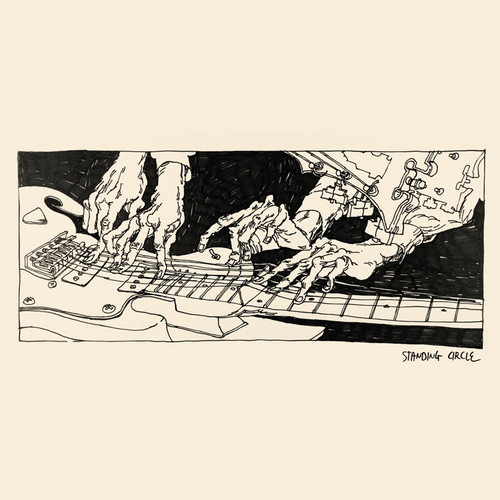
Standing Circle
Debut self-titled album from Melbourne ensemble Standing Circle, led by Larry Crestani (guitar, kraartar, vocals). Eight tracks recorded live at The Grove, Melbourne, mixed and mastered by Nick Herrera. The record moves through spiritual jazz, jazz-f…

Flight Of Fancy
“It's got a lovely bustle going on hasn't it! Absolute winner! All the component parts are spot on as well, I love the female voice and the brass and the keys... that's gonna sell out, no bother.” - Lee Skelly/Dime Records
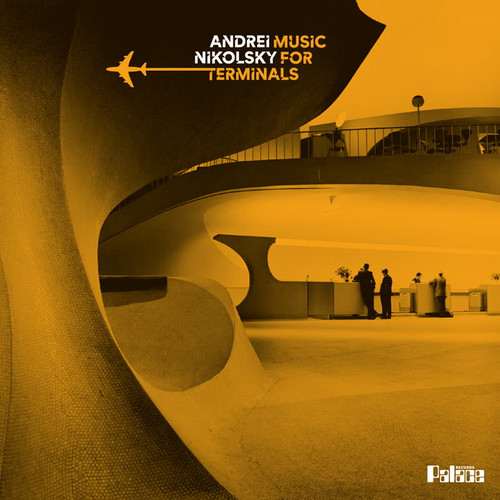
Music For Terminals
*300 copies limited edition* Sophomore album from Palace Records label founder and heavily influenced by soundtrack and library music from the past including one of his hero's, John Cameron (Kes, KPM, Bruton) who features on the album (Swing Time). T…
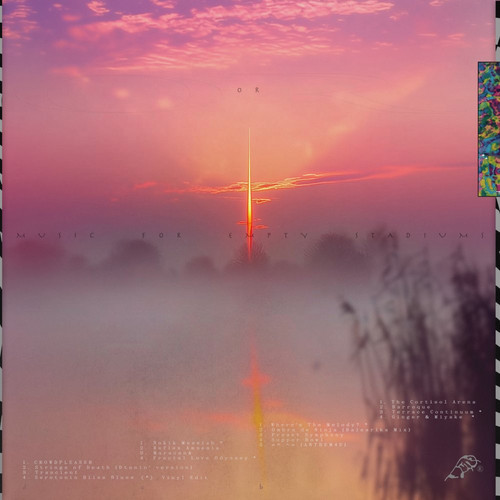
Music For Empty Stadiums
Or (AKA John Talabot) is a Catalan producer, electronic musician & DJ residing in Barcelona. his 2012 debut album ƒIN received critical acclaim from The Guardian (5*), Anthony Fantano, Pitchfork (8.5 BNM) & DJ Mag. Highly anticipated, Talabot's first…
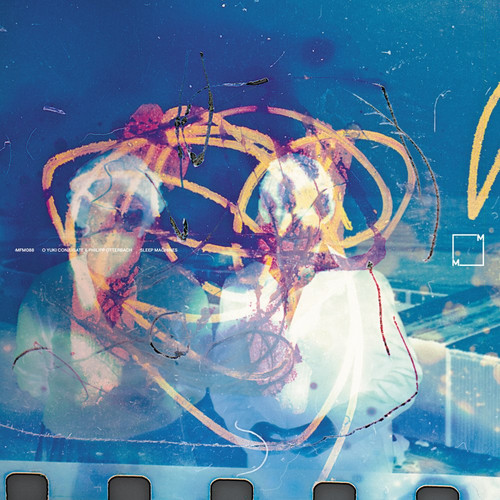
Sleep Machines
Music From Memory presents ‘Sleep Machines’, a new collaborative album from UK ambient pioneers O Yuki Conjugate and German producer and DJ Philipp Otterbach.
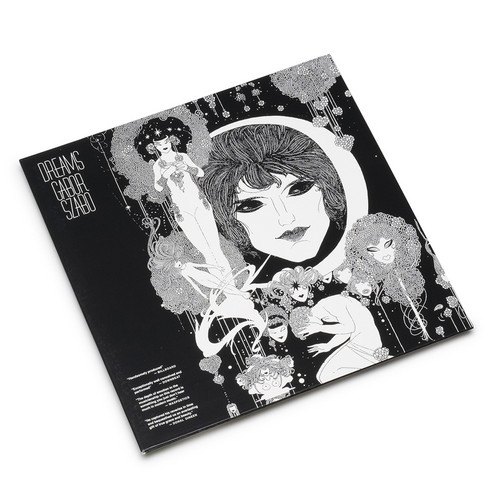
Dreams
Big tip! Mr Bongo proudly presents a reissue of Hungarian guitarist Gabor Szabo’s masterpiece Dreams. Blending lush, Eastern European-tinged psychedelic jazz with beautiful arrangements by Gary McFarland, its unique, delicate, charming sound has entr…
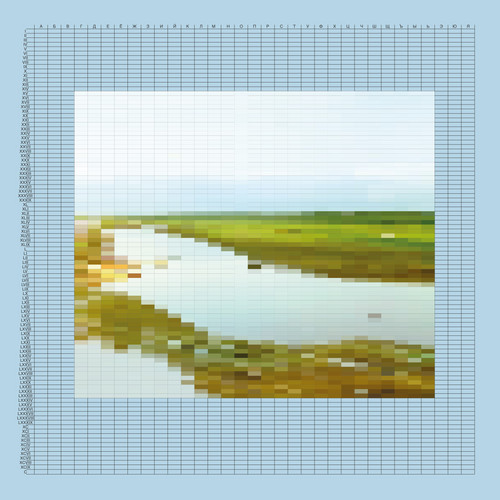
Pyshma
Yekaterinburg-based electronic artist Shine Grooves returns with Pyshma, a hypnotic new release on Gost Zvuk. Blending ambient textures, experimental electronics and subtle rhythmic movement, the record reveals an intimate and immersive side of the R…
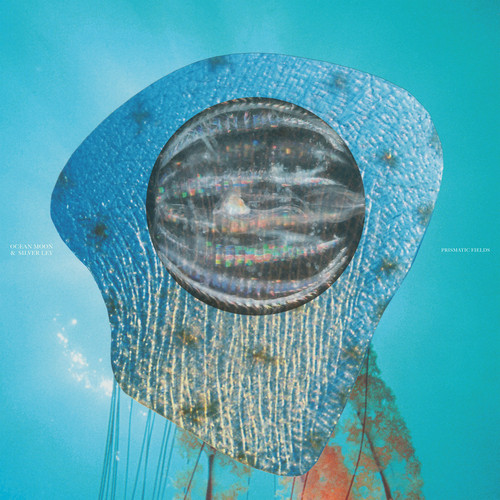
Prismatic Fields
Open Universe is a new record label founded in 2025 following an invitation to envision a series of releases for the German production music library Sonoton. Curated by Jon Tye (Lo Recordings, Ocean Moon, Seahawks, MLO) with a remit to explore and cr…
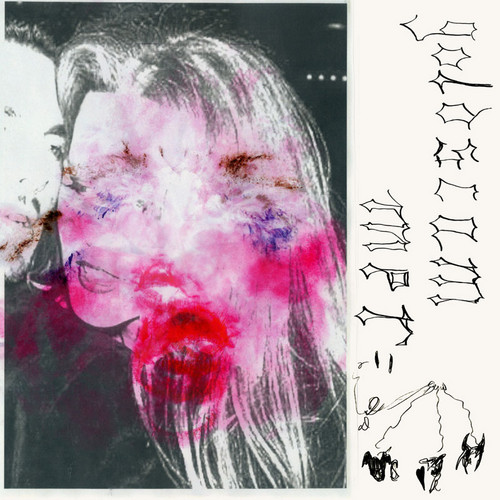
Mayday Royale
Remarkably, Tim Depraetere is releasing his debut solo LP only now. It feels like he’s been one of the strongholders of the Belgian underground for years. Which he is, really. We were introduced to his work when he was a member of Maan – the duo that…

More Chips
Tres Hongos, Jacob Wick on trumpet, Marc Riordan on piano and Frank Rosaly on drums, recorded live in Amsterdam in 2024: a trio of sharp turns, quick contrasts and restless momentum.
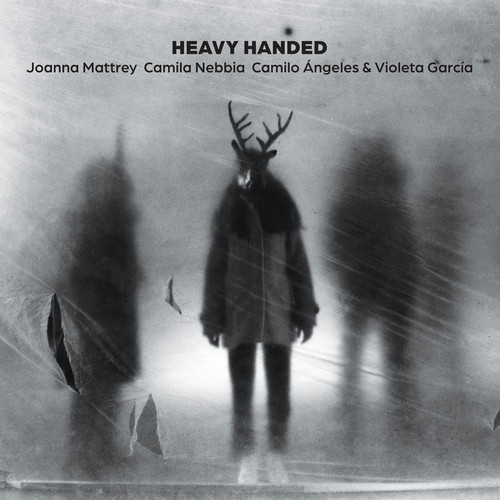
Heavy Handed
Joanna Mattrey on viola, Camila Nebbia on tenor sax, Camilo Ángeles on flute and Violeta García on cello, recorded live at Jazzwerkstatt Bern in 2024: strings, winds and breath in a shifting collective language.

Abhaile
Compositions by Finola Merivale for field recordings and electronics, with Catherine Sikora's tenor saxophone moving through shifting sonic environments between stark minimalism and dense, evocative layers.
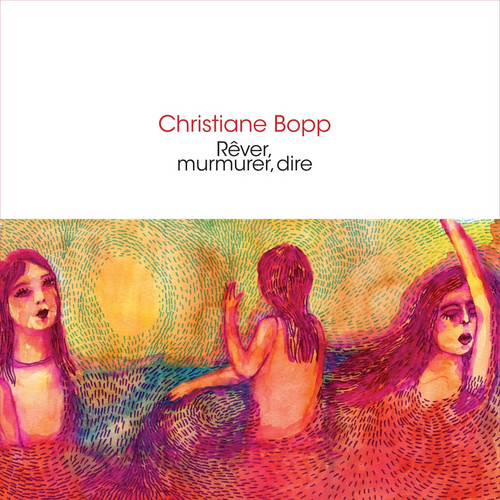
Rêver, murmurer, dire
Solo recording by French trombonist Christiane Bopp, who uses voice, mutes, bass drum and objects to turn the instrument into a field of whispers, drones, fractured melodies and sudden eruptions.

Nature's God
Believe, four Australian improvisers, Peter Farrar, Novak Manojlovic, Clayton Thomas and Laurence Pike, who also produced: free jazz momentum and creative sound making recorded in Sydney in 2023.
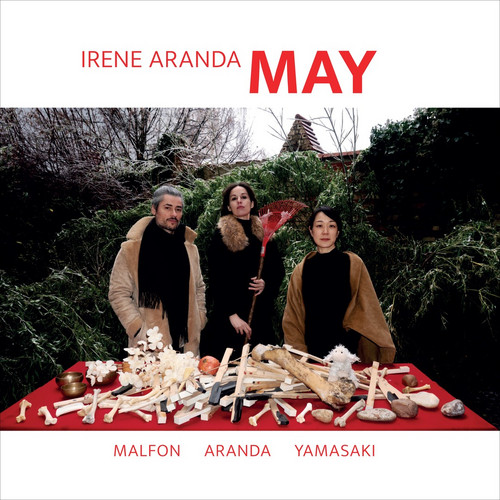
May
Pianist Irene Aranda's trio with saxophonist Don Malfon and vocalist Ami Yamasaki, whose echolocation vocal practice meets Malfon's extended saxophone techniques in an absorbing improvised language.
Angles 4
Martin Küchen's trio Angles, with Ingebrigt Håker Flaten and Kjell Nordeson, joined by vibraphonist Mattias Ståhl of Angles 9: four Küchen compositions recorded in Stockholm in April 2024.
3 X 1
Third album by Glass Triangle, Zeena Parkins on electric harp, Mette Rasmussen on alto saxophone and voice and Ryan Sawyer on drums: a studio session moving from delicate passages to dense, kinetic interplay.
Translúcidas Criaturas Pulsantes
Colombian reed player María Valencia, on alto saxophone and clarinet, and Argentine cornetist Leonel Kaplan in an intimate improvised duo recorded in Belgrade in 2025, patient and full of textural invention.