1
2
3
4
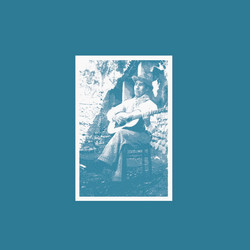
The Sterling Jubilee Singers
Jesus Hits Like the Atom Bomb: Gospel Quartet Singing in Jefferson County, Alabama (Tape)
€15.40
VAT exempt
+
-
"Jefferson County is the heartland of black American a cappella gospel quartet singing. For more than [a century] black quartets have thrived in Birmingham and Bessemer, and they have provided immeasurable spiritual uplift and musical enjoyment to a large portion of the local population. The tenacious survival of black quartet traditions in Birmingham and Bessemer preserves a cultural and historical continuity that informs and enriches many lives. The older singers share a sense of brotherhood, a common identification with four-part harmony heritage and lore. For many singers, a powerful desire to perpetuate these traditions is coupled with a belief that singing is their allotted personal service to God. These are reasons why there are so many septuagenarians and octogenarians in the field; they're striving to earn the epitaph, "He sang until he died."
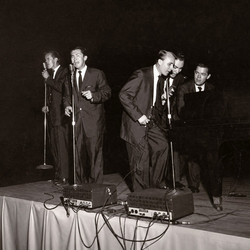
"The Sterling Jubilee Singers were founded in 1929 during a vibrant period when large numbers of African-American men who worked in Jefferson County's steel mills and ore mines were forming gospel quartets. African-American a cappella quartet traditions were already generations old in the South when the movement became popular in Birmingham during the 1920s. These traditions have deep roots in nineteenth-century American folk and popular culture. The local quartet activity had its incubation in the mining camps, company quarters, and other segregated black industrial settlements, and was in part a product of the rich fellowship that survived and was enjoyed in those oppressive environs. The original Sterling Jubilees were trained by singing master Charles Bridges, who was a strong force in shaping the Jefferson County a cappella quartet style.
"The Sterling Jubilee Singers were founded in 1929 during a vibrant period when large numbers of African-American men who worked in Jefferson County's steel mills and ore mines were forming gospel quartets. African-American a cappella quartet traditions were already generations old in the South when the movement became popular in Birmingham during the 1920s. These traditions have deep roots in nineteenth-century American folk and popular culture. The local quartet activity had its incubation in the mining camps, company quarters, and other segregated black industrial settlements, and was in part a product of the rich fellowship that survived and was enjoyed in those oppressive environs. The original Sterling Jubilees were trained by singing master Charles Bridges, who was a strong force in shaping the Jefferson County a cappella quartet style.
The founding members and most of those joining later were union men who worked for U.S. Pipe and other steel-related companies. During the 1940s and '50s they performed at union functions and on local radio programs as the CIO Singers and under that name recorded "The Spirit of Phil Murray," an original song commemorating the death of the first president of the steelworkers union... In the late 1950s gospel music began to feel the influence of instrumentally-based rock and roll and soul music, but the Sterling Jubilees persevered as an a cappella quartet". — Doug Seroff
Details