Fabio Fabor
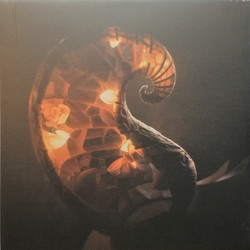
Mr. Diabolicus - Mr. Mysterious (LP + CD)
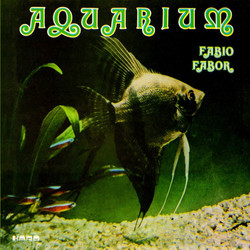
Among the countless composers who populated the Italian library music scene of the 1970s, Fabio Fabor remains a figure shrouded in genuine mystery. Born Fabio Borgazzi in Milan in 1920, he pursued classical training at the Giuseppe Verdi Conservatory before building a parallel career that encompassed opera, symphonic works, chamber music, and popular song. His compositions were interpreted by some of the most beloved voices in Italian music, including Fred Buscaglione, Nilla Pizzi, and Nicola Arigliano. He appeared eight times at the Festival di Sanremo and composed scores for comedies by Dino Risi (Poveri ma belli, 1956) and Gianni Puccini (Carmela è una bambola, 1958). Yet it is his library work, released through a constellation of labels he founded under the Minstrel publishing umbrella, including World, Hard, Flam, Fonovideo, and Ring, that has secured his posthumous reputation among collectors and contemporary electronic musicians alike.
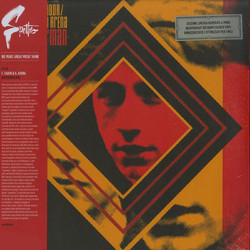
Mr. Diabolicus - Mr. Mysterious, released in 1973 on the World label, represents Fabor at his most deliciously sinister. The album's fourteen compositions were conceived as background music for scenes requiring suspense, unease, and that peculiarly Italian sense of the uncanny that pervades the giallo genre. The title alone announces Fabor's intentions: this is music for shadows, for revelations glimpsed in mirrors, for the moment before something terrible becomes clear. Tracks like "Neutroni," "Fucina Diabolica," and "Idillio Cosmico" seem designed for programs that never existed, soundtracking an imaginary RAI broadcast from a parallel 1973 where experimental electronic music filled the evening hours between variety shows.
The album divides roughly into two complementary moods. Side A, presided over by "Mr. Diabolicus," favors dramatic tension and suspense. The title track establishes the atmosphere immediately with its brooding, minor-key organ figures and sparse, echoing percussion. "Reverberations" explores the spatial possibilities of studio effects, while "Neutroni" pulses with an atomic-age anxiety that seems to emanate from the instrument itself. "Fantastic Gallop" offers brief, frenetic relief before "Sea-Melody" introduces an unexpected lyricism, its gentle waves suggesting the calm before some maritime catastrophe. "Bob-Car" adds a touch of psychedelic whimsy, and "Mare di Ghiaccio" (Sea of Ice) closes the side with glacial desolation.
Side B introduces "Mr. Mysterious," the diabolical figure's more enigmatic counterpart. "Alambicco Magico" (Magic Alembic) evokes alchemical laboratories and forbidden experiments, while "Onde Magnetiche" (Magnetic Waves) and "Iridescenze" (Iridescences) explore the stranger reaches of electronic texture. "Fucina Diabolica" (Diabolical Forge) is perhaps the album's most unsettling moment, its clanging, industrial textures suggesting machinery in service of purposes best left unexamined. "Idillio Cosmico" (Cosmic Idyll) offers a moment of celestial calm before "Tensione Atmosferica" (Atmospheric Tension) brings the album to an appropriately uneasy conclusion.
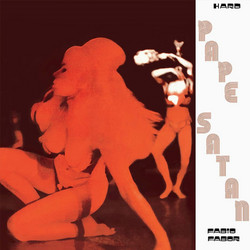
What distinguishes Fabor from his library contemporaries is the darkness that runs through even his most accessible work. While composers like Piero Umiliani or Alessandro Alessandroni could craft sinister atmospheres when required, Fabor seemed genuinely drawn to the shadowy corners of human experience. This tendency would reach its fullest expression in Pape Satan (1978-1981), an occult electronic masterpiece recorded for his own Hard label using an arsenal of ARP synthesizers (2600, 3620, Omni) and a Roland System 700. That album, rediscovered by Miles Whittaker of Demdike Stare at a Rome flea market, has become a touchstone for contemporary musicians interested in the intersection of vintage electronics and esoteric subject matter.
Mr. Diabolicus - Mr. Mysterious anticipates Pape Satan's darker explorations while remaining grounded in the functional requirements of library music. These fourteen compositions are short enough to slot into any broadcast context, varied enough to serve multiple dramatic purposes, yet unified by an aesthetic sensibility that feels distinctly personal. Listening today, over forty years after its original release, the album's influence on contemporary music is readily apparent. The hauntological explorations of labels like Ghost Box, the eerie electronics of Broadcast, the pulp-horror beats of Demdike Stare, all these contemporary sounds find a clear antecedent in Fabor's work.
Fabor continued composing into his tenth decade. In 1976, he presented the RAI television program Anche questa è musica, introducing Italian audiences to experimental electronic music. His final album, Caramerica (2010), was a tribute to George Gershwin recorded when Fabor was ninety years old. He passed away in Rome in 2011, leaving behind a catalog of over 500 songs and an unknown number of library compositions, many still waiting to be rediscovered.
Vinyl issue with bonus CD The back cover has 8018344129518 barcode printed, which belongs to a different release.