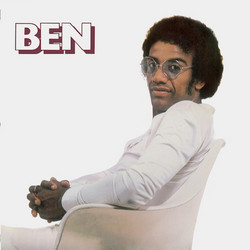
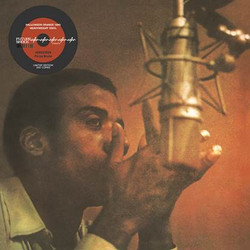
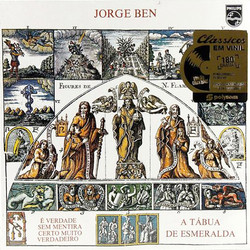
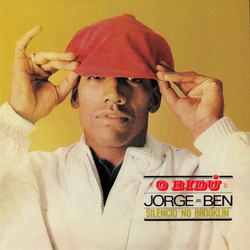
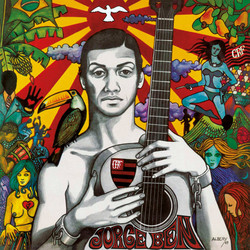
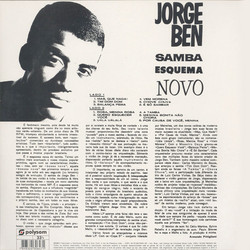
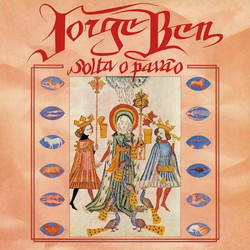
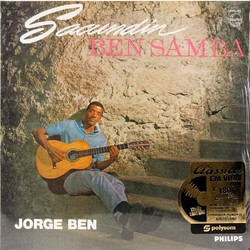
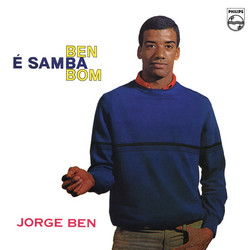
"1971 is a complicated year in Brazil, with the dictatorship in its hardest period, and the censorship acting in every part of the culture. In this context Negro é Lindo was released: a LP in which Jorge Ben adopts an artistic form of confrontation. In the lyrics you can see Cassius Marcelus Clay aka Muhammad Ali taking the space of Spiderman or Captain America, and the beauty of black people in tunes like Cigana, Zula, and the title track. The name Negro é Lindo means Black is Beautiful, an empowerment slogan in the US in late 1960’s.
There is Porque é proibido pisar na grama, attempting to dribble past the censors and talk about restrictions in Brazil in the early 70’s, with the acclaimed participation of Arthur Verocai, the arranger, who leaves his mark throughout the entire record. There are also mentions to his friend Rita Lee from Mutantes in Rita Jeep, his band drummer/ percussionist João Parahyba in Comanche, and also his wife Domingas. Also a rare partnership – Jorge Ben used to write all his music – with guitar player Toquinho in Que Maravilha.
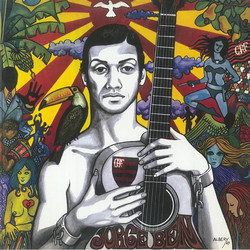
This is the last of the three records with Trio Mocotó, that Jorge Ben knew at Jogral Bar in 1968 and join him at Jorge Ben, the 1969 LP, and the remarkable Força Bruta a year after. After Negro é Lindo Jorge Ben will make a change to have more harmonies and joined the band Admiral Jorge V for the next albums. The connection between Jorge and Trio Mocotó can be seen also in their rarest recording on vinyl, a show that took place in february 1972 at Osaka, Japan, and is their creative peak for most of their fans." - DJ Paulao