Sergio Mendes, Brasil '66
Sergio Mendes & Brasil '66 (LP)
When Sergio Mendes launched Brasil ’66 with the album commonly known as Sergio Mendes & Brasil ’66 - formally Herb Alpert Presents Sergio Mendes & Brasil ’66 - he crystallized a breakthrough moment for Brazilian pop on the global stage. Recorded in 1966 and released that same year under the aegis of Herb Alpert, the record blended bossa nova’s harmonic elegance and rhythmic subtlety with American pop and soul production values, creating a polished sound that crossed borders without diluting its roots. Strings, horns and studio sheen met syncopated piano, light percussion and Portuguese lyrics, yielding a new kind of easy‑listening that carried genuine Brazilian identity.
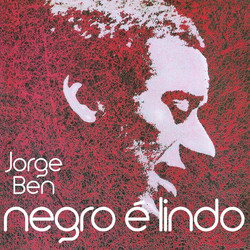
At the heart of the album is “Mais Que Nada,” written and originally recorded by Jorge Ben on his 1963 debut Samba Esquema Novo. Mendes’ 1966 cover, sequenced as the opening track, would become his signature song and a global success: in the United States it reached number 47 on the Billboard pop chart and number 4 on the MOR (middle‑of‑the‑road) chart. In retrospect Mendes himself has emphasized its significance, noting that this was “the first time that a song in Portuguese was a hit in the United States and all over the world.” That achievement helped usher Brazilian rhythms and melodies into mainstream international consciousness, laying groundwork for later waves of Latin and world‑music crossovers.
The album’s repertoire threads “Mais Que Nada” together with other Brazilian classics and carefully chosen standards. Tracks such as “Água de Beber,” “O Pato,” and “Berimbau” bring the songbook of Antonio Carlos Jobim, Vinícius de Moraes and Baden Powell into the same frame, revealing how much melodic richness and rhythmic nuance Brazilian composers had to offer. Mendes’ arrangements often pair Portuguese verses with English refrains or commentary, softening the language barrier while keeping the original lyrics intact. His piano, simultaneously percussive and lyrical, anchors the ensemble; vocalist Lani Hall and her colleagues (Janis Hansen, José Soares) provide airy, precise harmonies that became a defining feature of the Brasil ’66 sound.
Production by Herb Alpert brings a contemporary American clarity to the sessions without overwhelming them. The blend of close‑mic’d vocals, warm reverb, and carefully balanced rhythm section places the record somewhere between jazz, pop and lounge, making it accessible to audiences who might have been wary of “foreign‑language” music. At the same time, the core of bossa nova remains: gentle but insistent syncopation, subtle bass movement, and harmonic turns that feel fresh even in their most relaxed moments.