Reissues
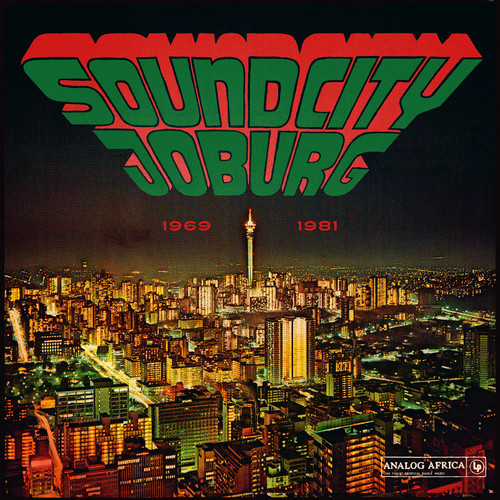
Sound City Joburg - South Africa's Township Soul 1969
It feels as if it were yesterday. In 2002, after returning to Frankfurt from a record-hunting trip to Johannesburg, I put one of my new South African discoveries on the turntable and jumped into the shower. Suddenly, the record player erupted into a terrible noise, as if someone were hammering the needle. I ran out, dripping wet, and discovered that the stylus had hit a deep cut carved into the vinyl. A Kenyan friend, Dan Ojwang, had sent me to a record shop opposite the Market Theatre in Newtow…
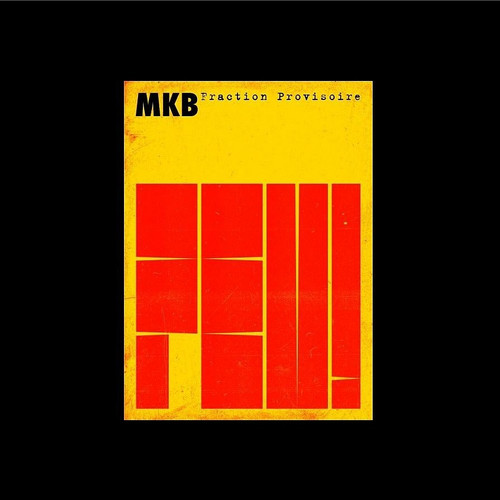
Feu !
F.J. Ossang's MKB Fraction Provisoire, recorded in ten days in 1993 with Jac Berrocal: machine loops, typewriter-speed poetry and noise'n'roll. Remastered 2023, deluxe CD with lyrics booklet.
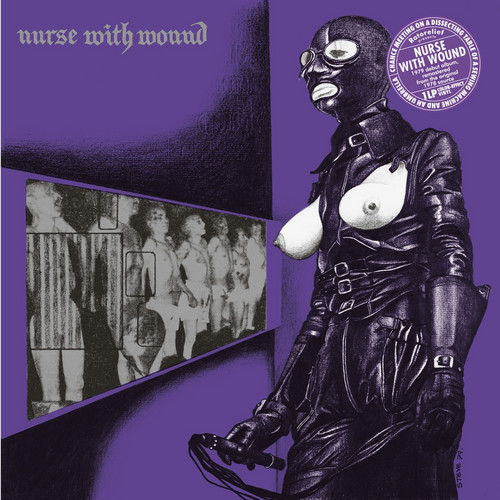
Chance Meeting On a Dissecting Table of a Sewing Machine and an Umbrella
Nurse With Wound's 1979 debut, newly mastered from the original 1978 source. Metallic purple gatefold sleeve, purple particle effect vinyl limited to 300 numbered copies. Three long pieces of collage, drones and studio improvisation.
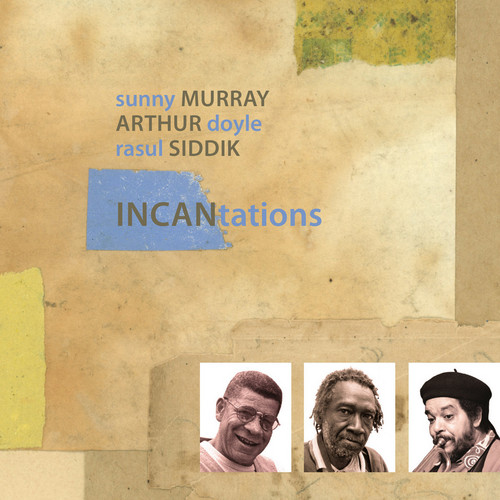
Incantations
NoBusiness Records is proud to present Incantations, an extraordinary live recording featuring three uncompromising voices of free jazz and spontaneous composition: pioneering drummer Sunny Murray, visionary multi-instrumentalist Arthur Doyle, and the commanding trumpeter Rasul Siddik.
Recorded at Thelonious in Bordeaux, France, on October 21, 1999, Incantations documents a volatile and deeply intuitive musical encounter. Across five performances, the trio creates a world of shifting rhythms, fr…
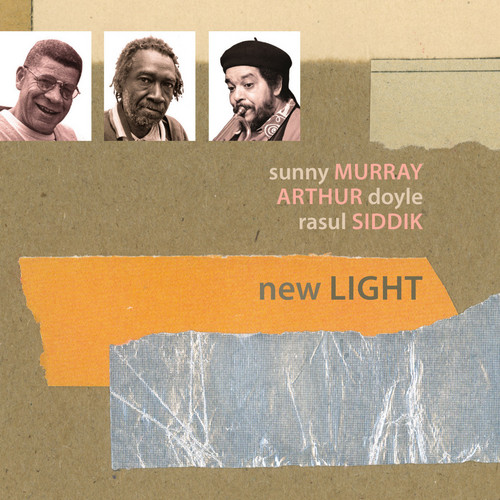
New Light
NoBusiness Records is proud to announce the release of New Light, a previously issued live recording featuring three singular figures in the history of free jazz and improvised music: legendary drummer Sunny Murray, multi-instrumentalist Arthur Doyle, and trumpeter Rasul Siddik.
Recorded live at Thelonious in Bordeaux, France, on October 21, 1999, New Light captures an intense and uncompromising meeting of three musicians whose work has consistently challenged convention while expanding the expr…
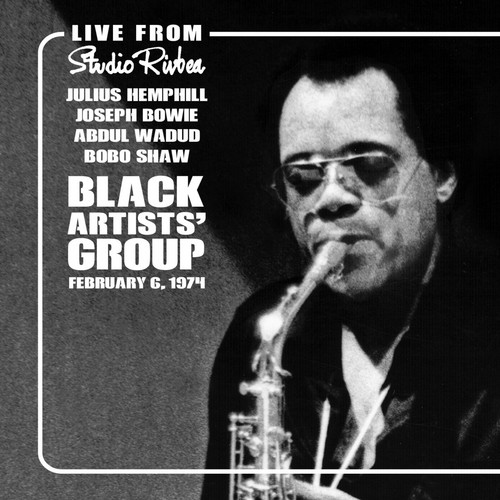
Rivbea Live! Series, Volume 5
NoBusiness Records proudly presents Rivbea Live! Series, Volume 5, a previously released live document capturing the remarkable creative energy of the Black Artists’ Group at Studio Rivbea in New York City on February 6, 1974. Featuring alto saxophonist and composer Julius Hemphill, trombonist Joseph Bowie, cellist Abdul Wadud, drummer Charles “Bobo” Shaw, and special guest violinist Raymond Lee Cheng, this essential archival recording offers an intense, searching encounter at the crossroads of …
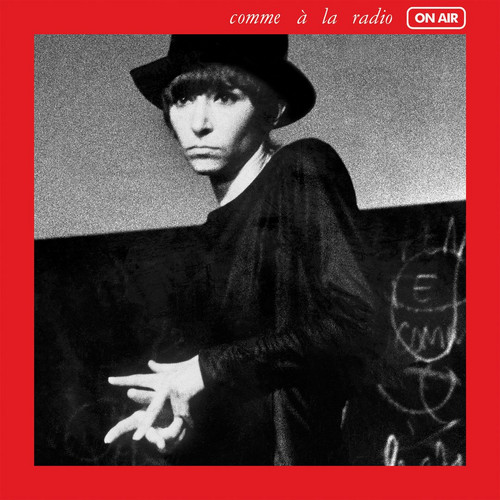
Comme à la Radio: On Air
Companion to the expanded Comme à la Radio: unreleased ORTF radio sessions from 1969-71 with Areski Belkacem, plus four unissued studio takes, among them two instrumental versions of the title track and a full 10-minute "Leo" with the Art Ensemble of Chicago.
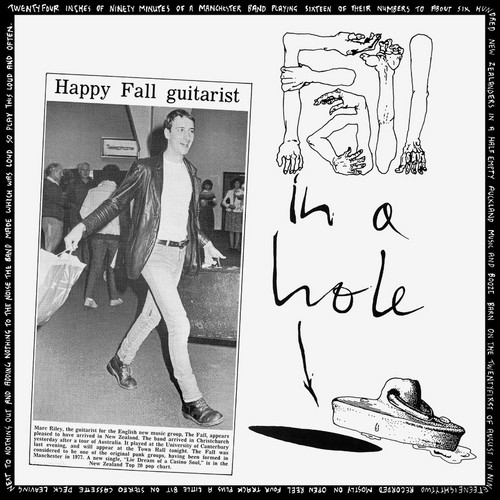
Fall In A Hole
The Fall live in Auckland, August 1982, recorded by Chris Knox for Flying Nun: Marc Riley's last tour, two drummers, feedback-drenched rarities and Hex Enduction-era favourites. First vinyl reissue, with poster and notes by Roy Montgomery.
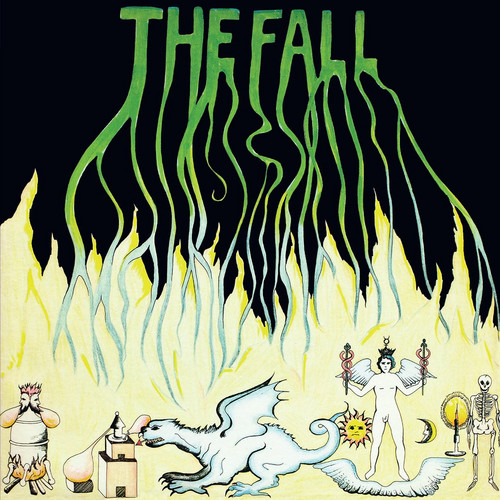
77 - Early Years - 79
The Fall's first four Step-Forward singles, 1977-79, plus Dice Man from Dragnet: Mark E. Smith's early art punk of atonal guitar, looping bass and combo organ, back on vinyl for the first time with liner notes by Stephen Malkmus.
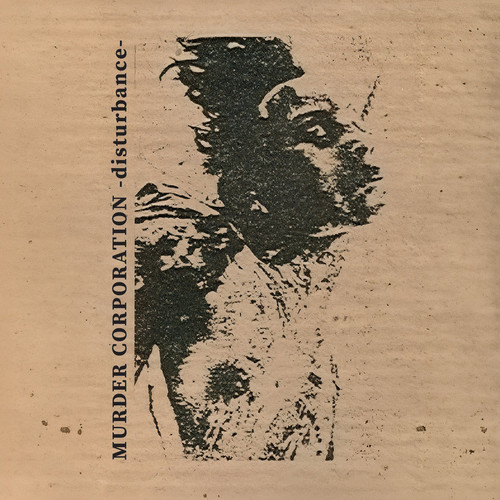
Disturbance
*100 copies limited edition* Founded by Moreno Daldosso in 1992, Murder Corporation emerged during a crucial transitional period for the Italian industrial underground. The ritualistic and experimental tendencies that had characterized many projects of the 1980s were progressively mutating into harsher territories shaped by power electronics, death industrial, noise extremism and transgressive performance aesthetics. Within this shifting environment, Murder Corporation rapidly developed a distin…
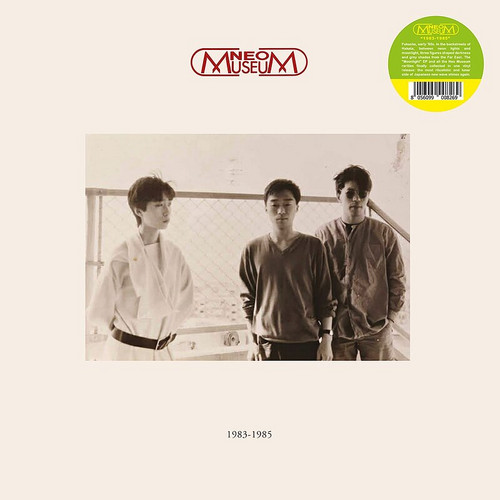
1983-1985
Fukuoka, early '80s. In the backstreets of Hakata, between neon lights and moonlight, three figures shaped darkness and grey shades from the Far East. The "Moonlight" EP and all the Neo Museum rarities finally collected in one vinyl release: the most ritualistic and lunar side of Japanese new wave shines again.
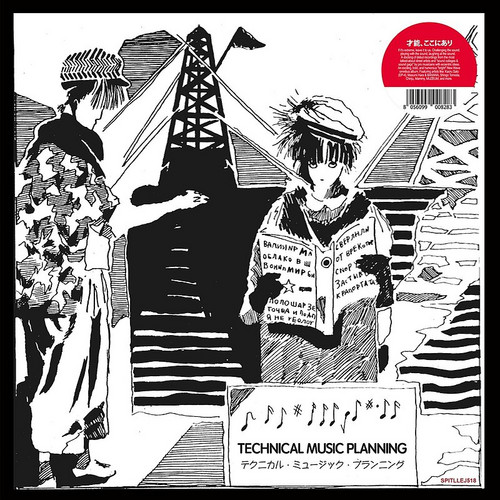
Technical Music Planning
If it's extreme, leave it to us. Challenging the sound, playing with the sound, laughing at the sound. A docking of debut recordings from the most talked-about street artists and "sound collages & sound gags" by pro musicians with eccentric ideas. An exciting, bold, and humorous "bright" New Wave omnibus album. Featuring artists like: Kaoru Sato (EP-4), Masumi Hara & Banana, Shingo Tomoda, Chinju, Mammy, Muzeum, and more.
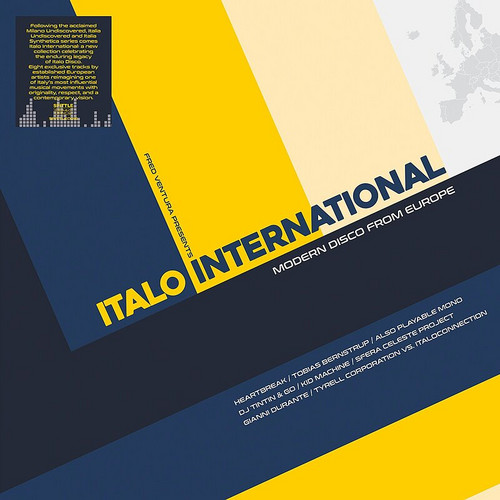
Fred Ventura Presents Italo International - Modern Disco From Europe (LP)
Following the acclaimed Milano Undiscovered, Italia Undiscovered and Italia Synthetica series comes Italo International: a new collection celebrating the enduring legacy of Italo Disco. Eight exclusive tracks by established European artists reimagining one of Italy's most influential musical movements with originality, respect, and a contemporary vision.
Italo International is a journey through the many shades of elegant and visionary electronic music, moving between Italo Disco, Synth Pop and d…
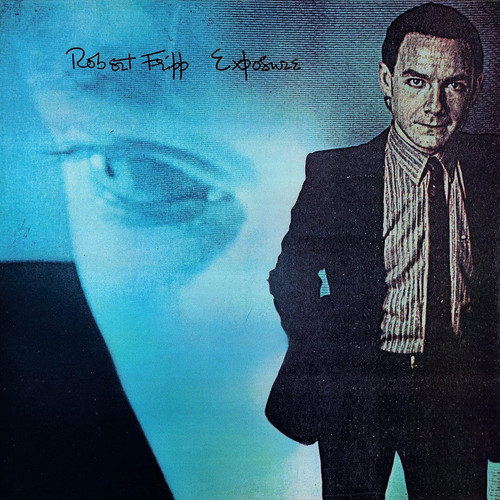
Exposure
The 2022 Fourth Edition of Fripp's 1979 debut, mixed from the original multitracks by Steven Wilson, with the alternate vocal tracks on CD and hi-res and 5.1 versions on DVD.
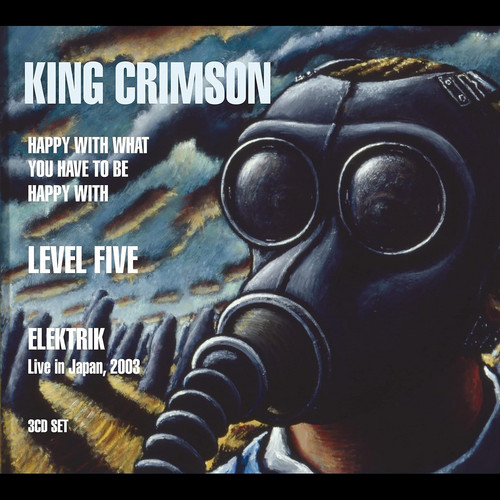
Happy With What You Have to Be Happy With
Three releases by the early 2000s King Crimson of Robert Fripp, Adrian Belew, Trey Gunn and Pat Mastelotto, collected on three discs.Level Five, issued in 2001 as a tour EP, presented live recordings of new pieces such as the title track, Virtuous Circle and Dangerous Curves, which the band was testing on stage before taking them into the studio. Happy With What You Have to Be Happy With, the 2002 EP, was the direct preview of The Power to Believe: short fragments, the haiku-like Mie Gakure and …
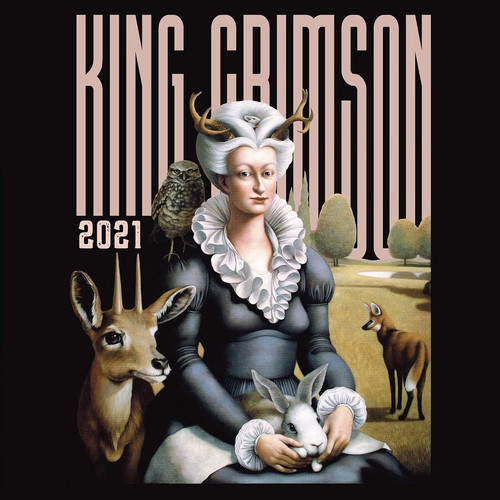
Music Is Our Friend: Live in Washington and Albany 2021
King Crimson's final US concert, Washington DC September 2021, with four tracks from Albany: a tour that crossed the pandemic and a band in ferocious form.
Earthbound
The 1972 official bootleg of the Islands line-up on tour in the USA, the last of the original King Crimson vinyl series, cut on 200g from masters approved by Robert Fripp.
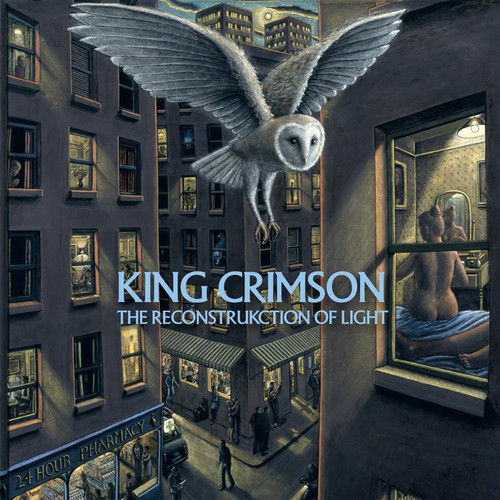
The ConstruKction of Light
The ConstruKction of Light, released in 2000, was the first studio album by the four-piece King Crimson of Robert Fripp, Adrian Belew, Trey Gunn and Pat Mastelotto, the so-called Double Duo that emerged after the ProjeKcts had broken the Double Trio into smaller research units.Without Bill Bruford and Tony Levin, the band turned towards a harder, denser sound: Mastelotto's electronic percussion, Gunn's Warr guitar covering the bass register, and Fripp and Belew locking into the interlocking guit…
The Elements Tour Box 2021
The Elements tour boxes were King Crimson's companion to each tour from 2014 onwards: two discs sold at the shows and later through DGM, gathering studio fragments, rehearsals, alternate takes, demos and live recordings from across the band's whole history, sequenced as a journey rather than a chronology.The 2021 edition accompanied what turned out to be the final tours of the seven-piece line-up with Robert Fripp, Jakko Jakszyk, Mel Collins, Tony Levin, Pat Mastelotto, Gavin Harrison and Jeremy…
2014 NYC
The four September 2014 nights in New York on two CDs, original live mixes enhanced from the multitracks: the seven-piece Crimson with three drummers across the front.