“It’s as if the piece is made up of various short versions of itself, a truly fascinating idea, and much fun to listen to.”
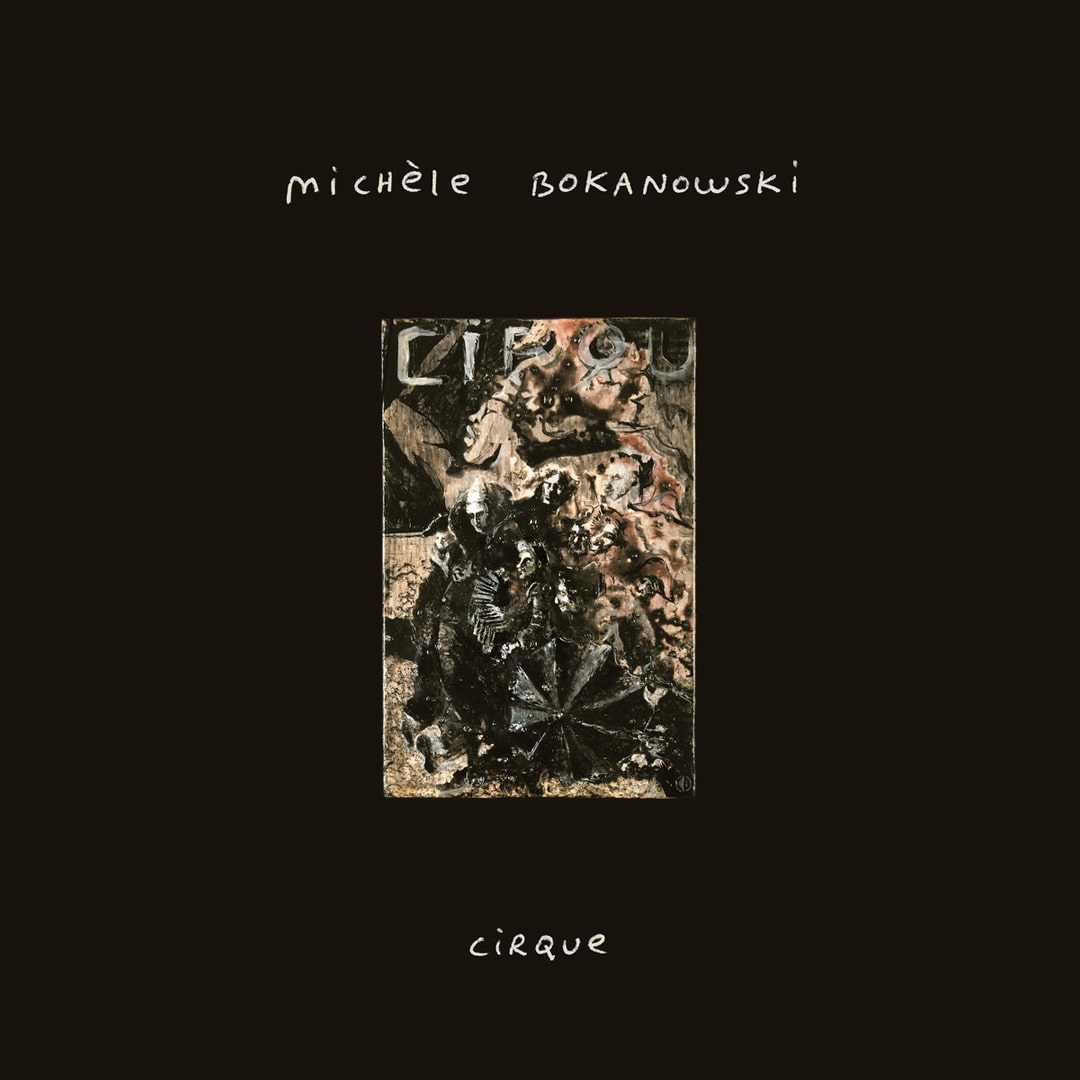
Cirque consists of five named movements, Allegro in three parts, Andante, Scherzo, Galop, and Finale (Parade). The Allegro is the longest of the five and sets forth the musical materials for the whole piece: galloping hooves, laughter (kids and adults), crowd and circus sounds (other than laughing and hooves, things like cheering and cymbal crashes. Allegro also establishes the loop as the principal principle of presentation. The Andante opens with low, rumbling sound—through that emerges first the hoofbeats (softer, muted) and some dark judderings on the accordion (played by Jean-Louise Matigner). The Scherzo, as one might expect, consists largely of laugh loops. What one might not have expected is the honky-tonk-ish piano chords that make it seem as if the laughing people were in a bar not a circus (a clever person would be able to make some witty comment about entertainment here.).
Originally published by Asymmetry Music Magazine.Read the full review on Asymmetry Music Magazine