Skip to content
NPR

“Hemphill's genius was to combine the Chicagoans' dramatically spare sound with a heavy backbeat.”

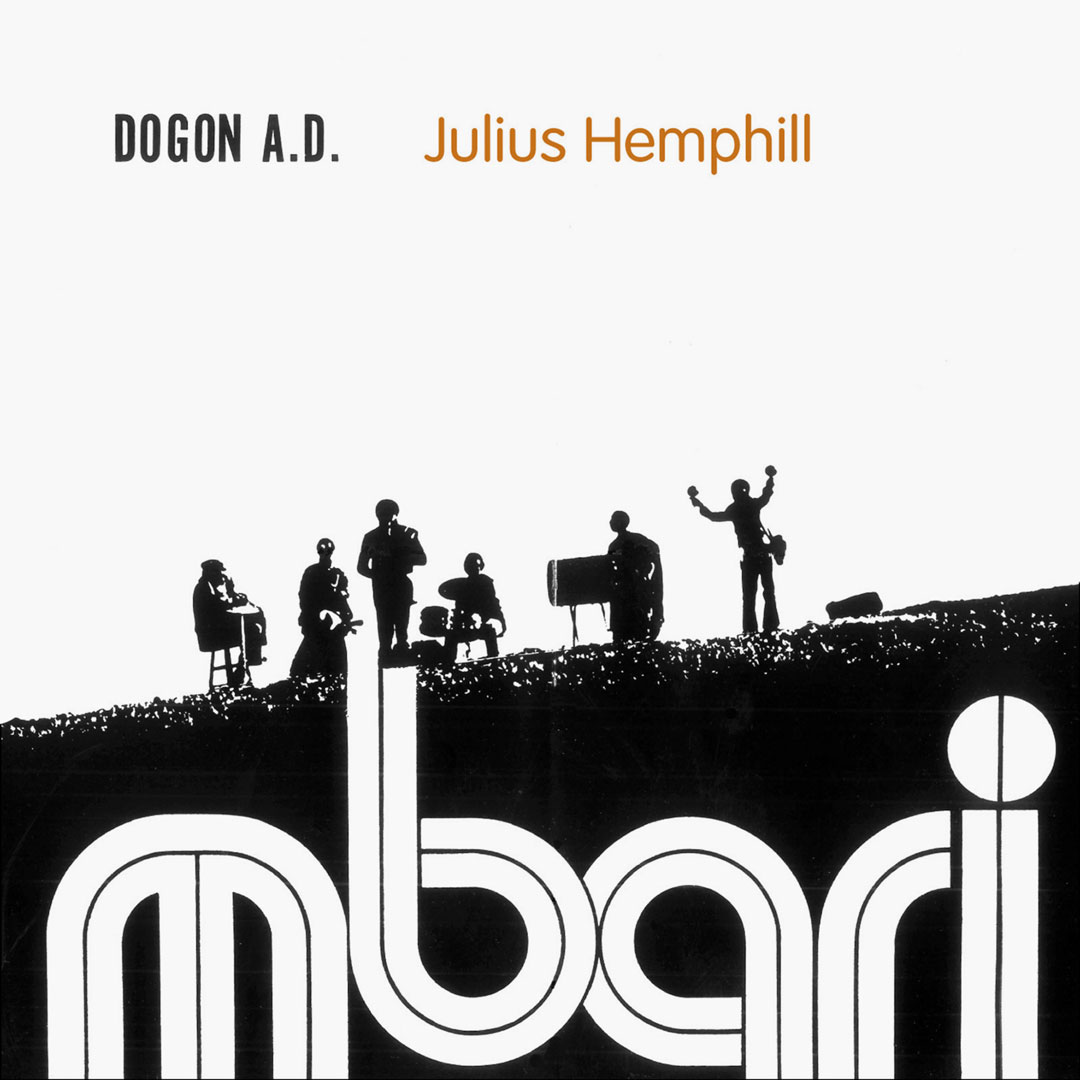
Julius Hemphill's "Dogon A.D." — the 15-minute piece, and the album that's named for it — was one of the startling jazz recordings of the 1970s, a rethinking of possibilities open to the avant-garde. In the 1960s, free jazz was mostly loud and bashing, until some Chicagoans began playing a more open, quieter improvised music. That inspired St. Louis players like Hemphill, who also had ties to heartland rhythm-and-blues scenes. Hemphill's genius was to combine the Chicagoans' dramatically spare sound with a heavy backbeat. His new urban music smacked of old country blues.

Originally published by NPR.Read it on NPR

7 other reviews

AllMusic

“It's one of the first records of the era that reflects a jazz artist melding the emotional candor of popular Black musical traditions -- blues, soul, R&B, and gospel -- with the vocabulary and spirit of free jazz without compromising either in the process.”

All About Jazz

“Listed by Ben Ratliff of the New York Times as one of 100 essential jazz recordings, Dogon A.D. is a timeless masterwork culled from the crossroads of African-American music traditions and one of the most important jazz reissues of the year.”

The Absolute Sound

“Nothing he would produce later had the raw power of his early work, which combined an avant garde sensibility with a feeling for blues playing as deep as any Texas saxophonist from Arnett Cobb to Ornette Coleman.”

Soundohm

“Noah Howard’s towering ‘The Black Ark’ is a glorious immersion into revolutionary sound that feels as urgent and groundbreaking as the day it was made.”

JazzTimes

“It became a highly coveted release for good reason: Hemphill’s raw alto and flute are joined by Baikida Carroll (trumpet), Abdul Wadud (cello) and Philip Wilson (drums) for a session based in heavy grooves despite the somewhat spare instrumentation.”

Point of Departure

“Few albums have ever announced so unequivocally the arrival of a major new talent; it’s simply one of the most vital and exciting jazz albums ever recorded.”

Point of Departure

“Timeless tunes, an original group sound, liberatory cello – their appeal does not wear thin.”