Skip to content
Etch

“Copeland creates all of his music solely from tape consisting of environmental sounds.”

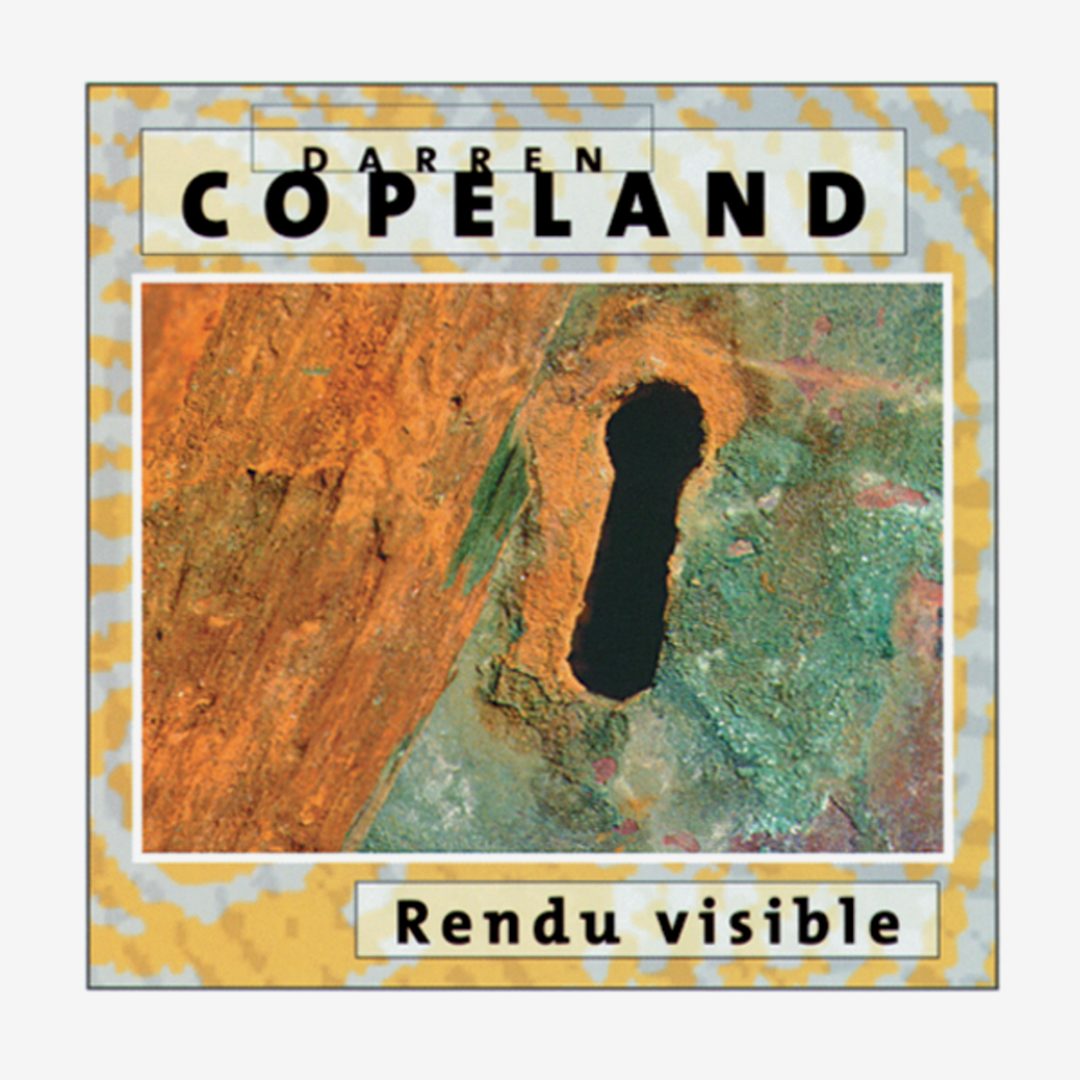
Copeland creates all of his music solely from tape consisting of environmental sounds. Rendu visible (rendered visible) centers around the mysterious fusion of sound and vision, and how different people may interpret sound, which then triggers visual elements (He begs an interesting question: “What if a listener is congenitally blind?”) This music is very visual, indeed. On the piece, Rendered Visible, Copeland creates landscapes of drones, and surrealistic ambient highways that sound like the roads may stretch for continents. One car may pass as expected, while another car may approach, but its timing is extended so that you may never appear to realize its passing, and it soaks back into the earth. Copeland morphs the sound of cars flitting by into the sound of waves crashing into the shore. Droning human cries of despair add to an already eerie landscape.

Originally published by Etch.Read the full review on Etch

14 other reviews

Vital Weekly

“I first heard Darren Copeland’s music on the Storm of Drones a 3CD released by Asphodel in 1995 — he contributed two excellent tracks, which captured his unique sound.”

Gonzo Circus

“Electroacoustic music is best experienced in a quiet room where faint sounds from the outside world seep in. Auditive perceptions thus get double layered.”

AllMusic

“Rendu visible is Darren Copeland’s first solo CD as a composer. It comprises three works created between 1993 and 1996. The main piece is the three-part Night Camera.”

Sztuka Fabryka

“This CD is just wonderful…”

Incursion Music Review

“… rich aural textures…”

Under the Volcano

“Darren Copeland’s Rendu visible perfectly illustrates what I’m talking about. Built entirely upon environmental sounds, this is a complex, often disorienting work of considerable richness and depth.”

N D - Magazine

“Much layered environmental sound here — stylistically typical for this Canadian label. Pristine field recordings of multiple wildernesses are combined with the more intermittent presence of other highly processed (electronic?) textures.”

The Wire

“Canadian acousmatic composer Darren Copeland builds evocative soundscapes from environmental recordings. His manipulation of birdsong, sea sounds, and other sources appears minimal, but the three pieces here have a distinctly composed feel, nonetheless.”

Splendid E-Zine

“I can’t really tell what elements Copeland uses to paint his white-noise pictures. Often the source material sounds watery—tides, rainstorms, etc.—but evolves into collages of industrial noise and the altered soundscapes of public spaces.”

Hurly Burly

“Intimist and narrative electronic music which presents us with a highly elaborated outcome consisting in patterns removed from their source, lightened and delicately introduced in clean faultless strips of spatial fluid.”

Audion

“In the “compact compact” series, we have: Darren Copeland, a young explorer working totally in the medium of tapes and environmental sound.”

Array Online

“Darren Copeland’s compositional output for tape medium draws entirely on environmental sounds. His teachers have included Barry Truax (Simon Fraser University) and Jonty Harrison (University of Birmingham).”

KSVR: Air Force Nun

“Darren Copeland works with natural environmental atmospheres along the same lines as Hildegard Westerkamp only his work tends to be much grittier.”

Stridernews

“Toronto-based electroacoustic artist Darren Copeland is fond of visual analogies in his work, and uses environmental sounds exclusively — a combination that could easily come off as unappealing to these ears.”