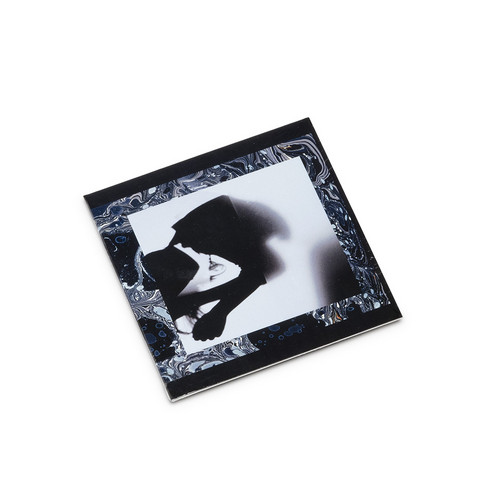
Of Shadow and Substance
Acclaimed NYC composer, producer and saxophonist Lea Bertucci explores dissonance, drone and dynamics with two new longform compositions for strings, electronics, harp and percussion Of Shadow and Substance.
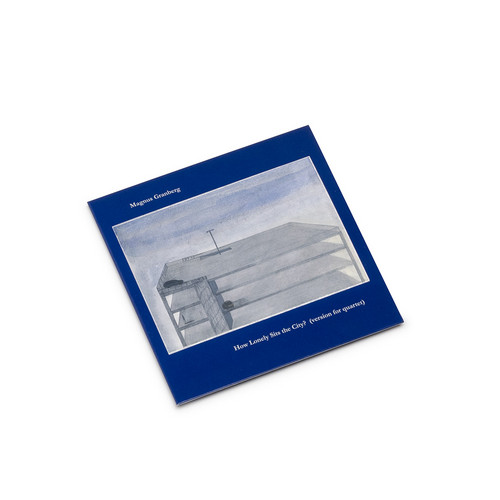
How Lonely Sits The City?
*2023 stock. 250 copies limited edition* Composer/improviser Magnus Granberg, who lives in Stockholm, has presented outstanding composed works through Skogen, the ensemble he directs, and experimental music ensembles, projects and labels from around the world. He has released three CDs on the Meenna label: "Whose Words?"(meenna-983 / 2017), documenting a trio improvisation performance with Tetuzi Akiyama and Henrik Olsson; and two albums titled "Come Down to Earth Where Sorrow Dwelleth" (meenna-…
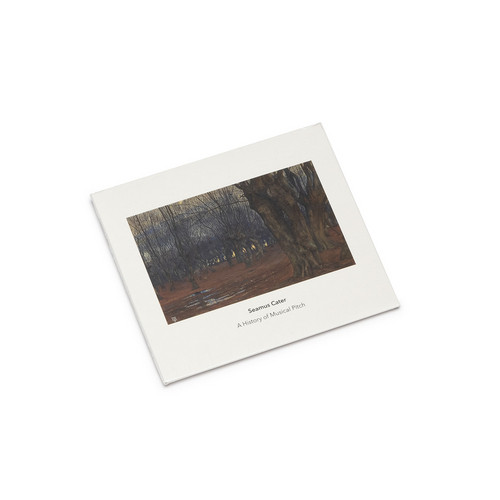
A History of Musical Pitch
This album contains three works by Seamus Cater, including his creative response to the work of Alexander John Ellis (1814-1890), who presented a paper 'The History of Musical Pitch' to the Royal Society in 1880. Ellis was a mathematician, collector, philologist and musical enthusiast, who spent a lot of time measuring the exact frequencies of contemporary and ancient musical instruments, and so is remembered as one of the founders of comparative musicology. Two of the pieces on the disc are 're…
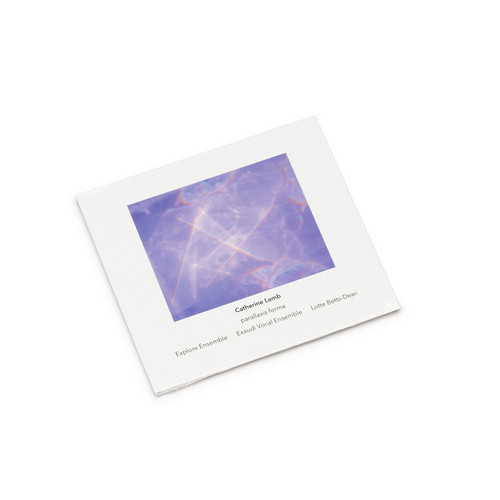
parallaxis forma
Three vocal works recorded between 2014 and 2020 reveal the Berlin-based American composer's singular approach to voice as spectral instrument. Lotte Betts-Dean, Explore Ensemble, and Exaudi navigate Lamb's radiant harmonic language where phonemes replace text, vowel sounds emphasize overtone clusters, and the human voice blends seamlessly with bowed strings shifting between pure tone and noise.
color residua opens with four sections where composite melodies emerge through slow hocket between si…
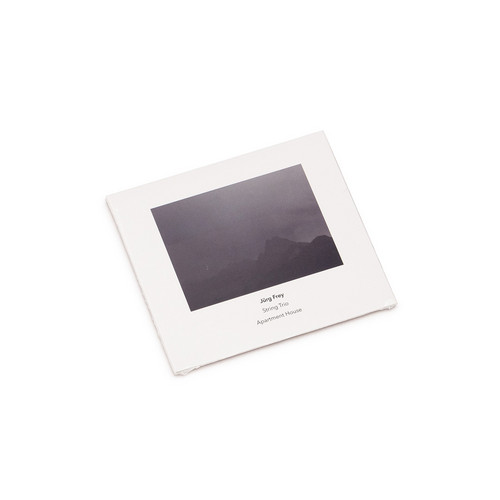
String Trio
A 51-minute journey through sound that Swiss composer Jürg Frey describes as "a (maybe even perfect) balance between anonymity and personality." Originally commissioned by Concertgebouw Brugge and premiered at the 2019 SLOW Festival, this String Trio underwent extensive revision before Apartment House brought it to its "final destination" in this first recording. Frey's compositional process defies system – everything emerges slowly through what he calls "a slow but natural process which I can't…
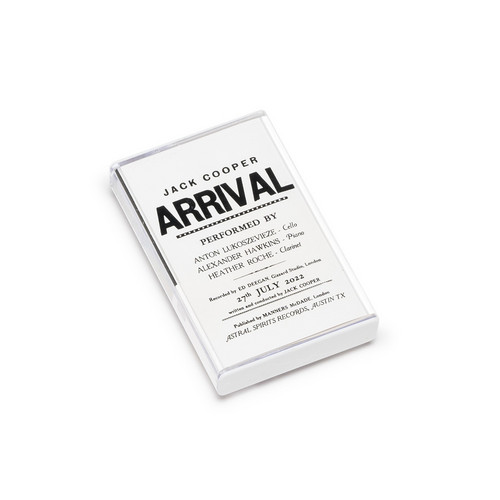
Arrival
*200 copies limited release* Following his duo with Jeff Tobias (Tributaries), Jack Cooper’s latest foray into experimental composition—Arrival—is a stunning new piece showcasing Cooper's mastery of patience and restraint. Delicate harmonic textures that recall the work of composers such as Michael Pisaro, Jürg Frey and Antoine Beuger, it features three extraordinary players from the experimental scene: pianist Alexander Hawkins, alongside Anton Lukoszevieze (cello) and Heather Roche (clarinet) …
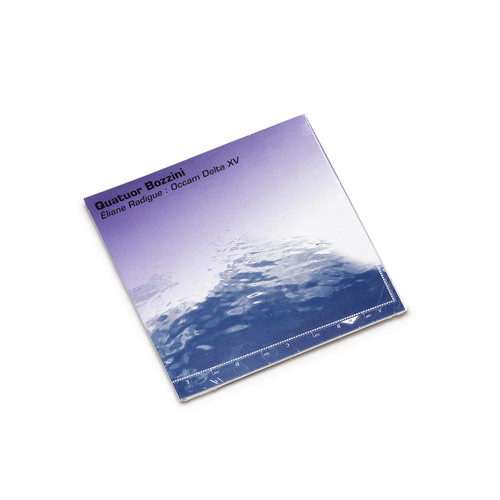
Éliane Radigue: Occam Delta XV
Much-needed repress. "I was very honoured to receive this request from Quatuor Bozzini, whose immense talent I already knew. The first meeting was very warm, friendly and familiar, like a reunion of old friends after a long separation." —Éliane Radigue Thus began the collaboration between Quatuor Bozzini and Éliane Radigue. In the hospitable atmosphere of her apartment, the composer conveyed the intricacies of her sound to QB. Her entire career, Radigue has been dedicated to building a body of w…
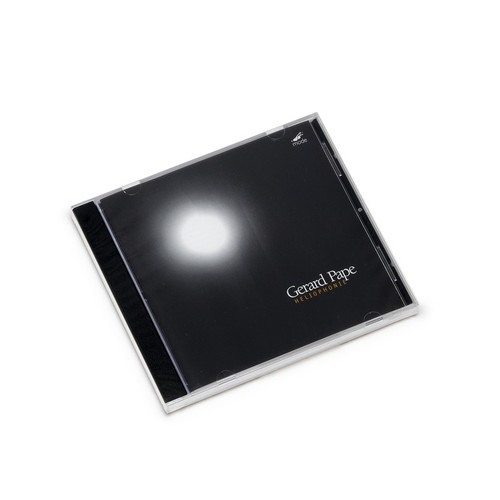
Héliophonie
This is a binaural release, compatible with Stereo. This release gathers two electroacoustic works by Gerard Pape.
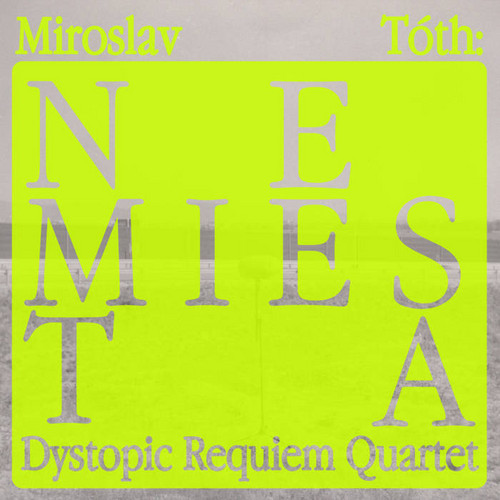
Nemiesta
Three years after the release of Black Angels Songs, Miroslav Tóth together with Dystopic Requiem Quartet comes up with a rare album inspired by non-places, i.e. buildings and objects that were either unfinished, abandoned, over-multiplied, or were marked by mining and yet had no meaning in the end. Also featured on Non-places is Nénia, a track dedicated to the victims in Ukraine, written three days after the outbreak of war during the album's creation. The recordings were made in the Czech Repu…
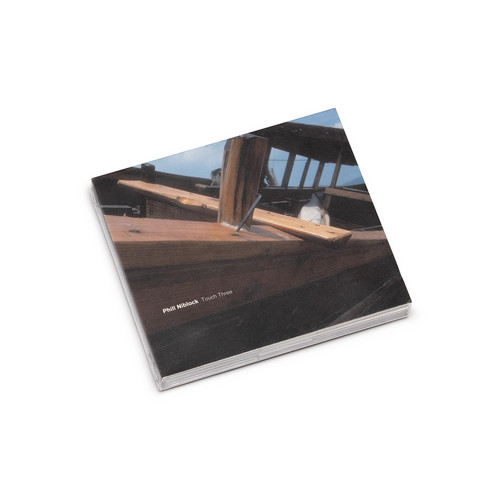
Touch three
This is Phill Niblock's third release on the Touch label. Phill Niblock is a New York-based minimalist composer and multi-media musician and director of Experimental Intermedia, a foundation born in the flames of 1968's barricade hopping. He has been a maverick presence on the fringes of the avant garde ever since. In the history books Niblock is the forgotten minimalist. His influence has had more impact on younger composers such as Susan Stenger, Lois V. Vierk, David First, and Glenn Branca. T…
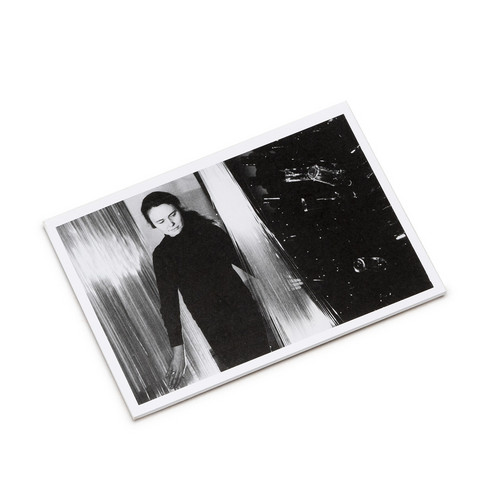
Glass World
“I have become fascinated by the complexity of the single sound.” - Annea Lockwood
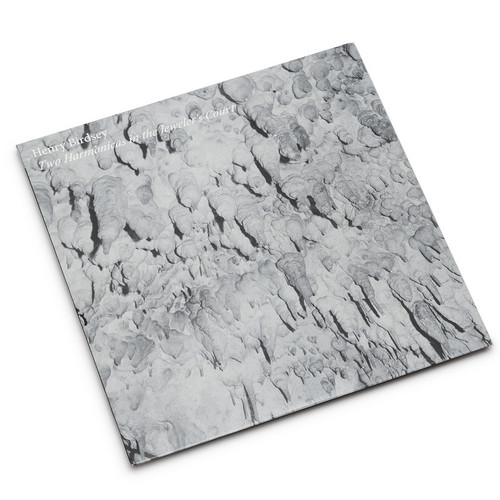
Two Harmonicas in the Jeweler's Court
Tip! *300 copies limited release* Henry Birdsey - best known as one half of the microtonal multi-instrumentalist duo known as Tongue Depressor - is a master of dualities. He writes music that is both fundamental and complex, tranquil and fierce, and conceptual yet familiar all at once. His music often reflects the expansive and isolated regions of his home state of Vermont with its vast natural splendor, both lush and harsh, haunting and entrancing. It is also often about nothing more than the p…
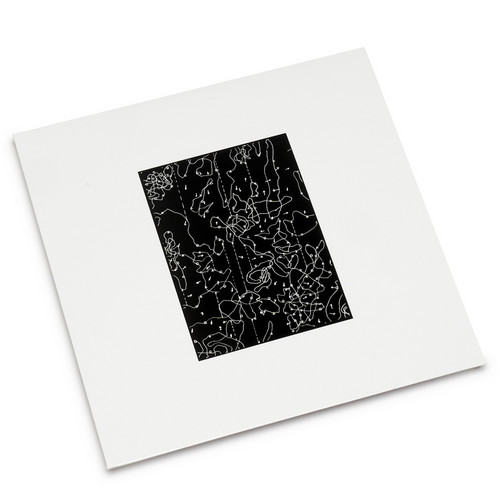
Cantegral Segment(s) 16.17.18.19. / Transform (Stream) / Transphalba / Volta (Kernel)
Like Hunt’s composition “Lattice,” released on Texas Music in the same year, the four pieces included on Cantegral Segment(s) (IR-0032, 1979) represent a culmination and transformation of Hunt’s investigations from across the decade. The “Cantegral Segments” are a body of scores (or strategies) derived from and developed alongside the evolving compositional procedure Hunt called Haramand Plane, first used in a large-scale performance of that name from 1972 that employed elaborate homemade audio …
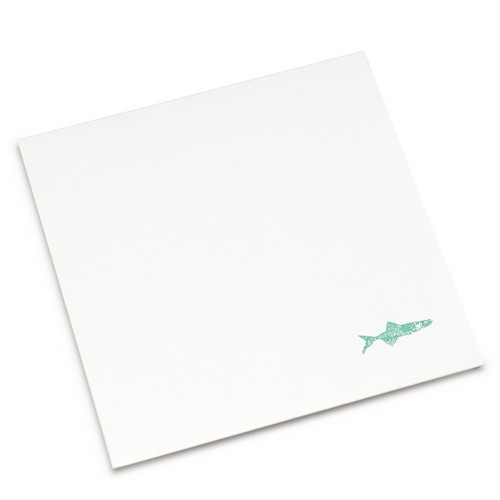
Texas Music
Tip! One of the first Irida releases, Texas Music (IRIDA 0026, 1979), collects compositions by Jerry Hunt (hailing from Dallas), Philip Krumm (based in San Antonio), and Jerry Willingham (“in and out” of Austin). The record was produced in two editions: one for mass consumption in a corrugated plain brown sleeve featuring a single fish stamp on the cover by the artist David McManaway, and a small “fundraising edition” sold in the same packaging at a higher price with a numbered print by McManawa…
Music of Dary John Mizelle
Music of Dary John Mizelle is a recording of three densely layered compositions by the eponymous Oklahoma-born composer. Originally trained in trombone performance, Mizelle was a graduate student in composition at the University of California, Davis, under Larry Austin. The two, alongside Stanley Lunetta, had founded the free improvisation group New Music Ensemble in 1963 on campus with the intention of exploring the outer limits of performance and composition. Mizelle became the youngest member…
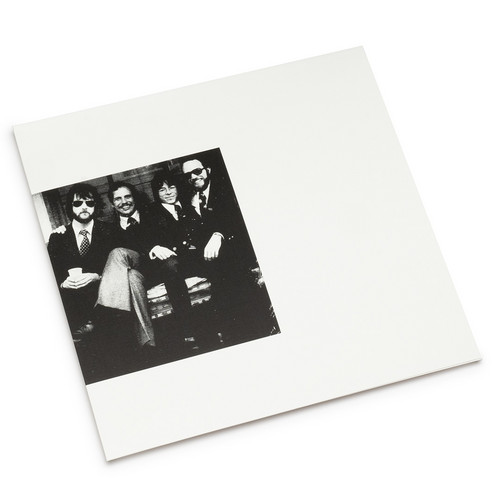
Music Of BL Lacerta
Tip! Music of BL Lacerta is an album of spontaneous music featuring two live performances, one at the University of North Texas art gallery and one at the Second National Tuba-Euphonium Symposium-Workshop, and a stray studio recording done at a facility in Lexington, Kentucky. The collective BL Lacerta, whose name is derived from a distant astronomical constellation, formed in 1976 (Lacerta also translates to “lizard,” accounting for the group’s reptilian cartoon logo). They began as classical m…
James Fulkerson
James Fulkerson’s release on Irida, Works (IRIDA 0017, 1980), is the first collection of the trombonist’s own compositions, all of which he had written and developed in the mid-’70s. Just as Jerry Hunt had done with Cantegral Segment(s), Fulkerson problematized the presentation of his work as a record in the liner notes, where he noted the complex and intense relationship he had developed with the pieces over countless concerts and rehearsals: “I was overwhelmed with the sense of disparity betwe…
No grief without joy
*Limited Edition Handmade CDR in cardboard string sleeve with liner notes and album art.* "A collection of five pieces, made between 2016 and 2019, in a short period that echoes, in part, the grief after my mother’s passing at the end of 2015. These pieces bring together artists from (a.o) Cape Town, The Hague, Toronto, Torino, and Johannesburg. Listening back to these earlier pieces I can discern feelings of emptiness, fleeting moments of joy and play. It is the unending sense of absence versus…
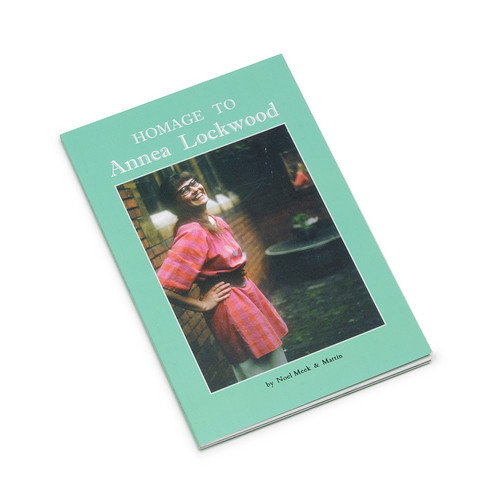
Homage to Annea Lockwood
*200 copies limited edition* Recital presents a book and CD homage to the New Zealand-born American composer Annea Lockwood (b. 1939). The unique concept for this album was conceived by artists Noel Meek (New Zealand) and Mattin (Spain), who each share a deep admiration for Lockwood. A longform Skype conversation between the three artists was arranged at the end of 2020. They discussed politics, aesthetics, and Annea’s compositional practice, and as the conversation evolved, it was decided that …
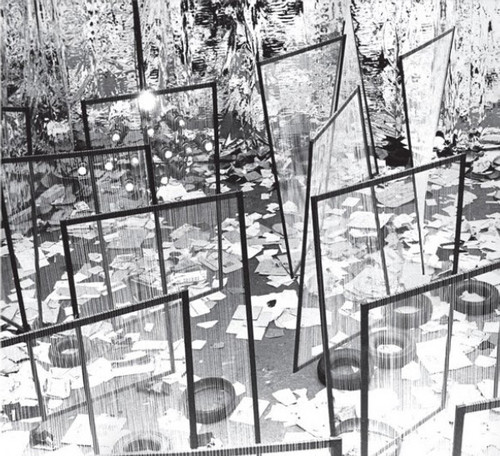
Nova
Tip! *2023 stock* Kåre Kolberg (b.1936) is one of Norway`s foremost contemporary composers and is regarded as one of the pioneers of early electronic music and cross-artistic art in the Scandinavia. He has composed music for film, theatre and chamber orchestras to jazz acts such as Svein Finnerud Trio and Jan Garbarek.
The electronic tape composition presented on this CD was composed for the multi-media work NOVA created together with the artist Anders Kjær, presented at the Henie Onstad Art Cen…