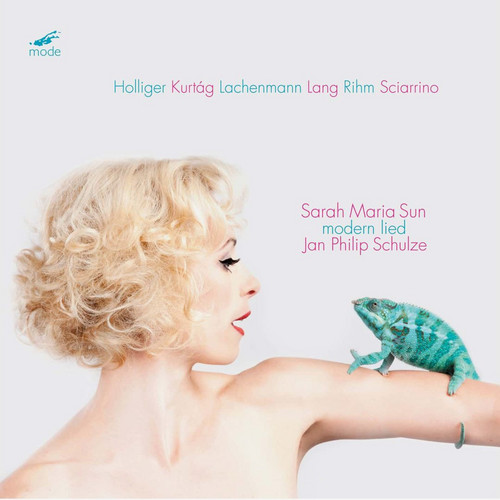
Modern Lied
Six modern song cycles for soprano and piano by Holliger, Sciarrino, Lachenmann, Kurtág, Rihm and Bernhard Lang, sung by Sarah Maria Sun with pianist Jan Philip Schulze, with several first recordings.
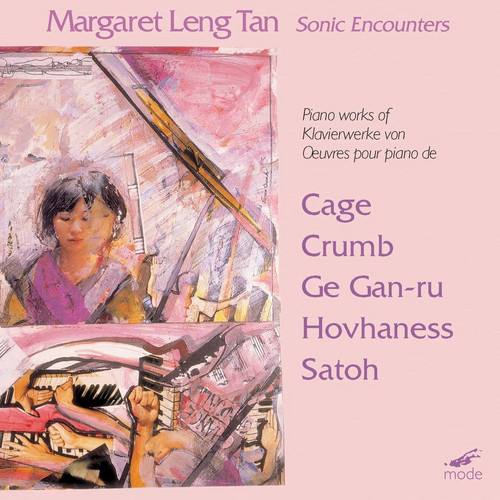
Sonic Encounters
Margaret Leng Tan's second recording, on piano: Cage's Primitive and In the Name of the Holocaust (first recordings), Hovhaness, Crumb, Satoh's Cosmic Womb for two pianos with digital delay, and Ge Gan-ru's Gu Yue. Released in 1988.
Funnel to a Thread
Since the late 1970s Biota has ploughed its own furrow, producing a body of work that resembles nothing anyone else has done or is yet doing. Their compositions evolve in long, constantly shifting timbral blocks filled with fragments and echoes of quasi-familiar musical languages and sounds – or none - and use instrumental resources that span half a millennium and two thirds of the planet to create unique combinations of timbral colour in constant motion; this is a music in which everything is i…
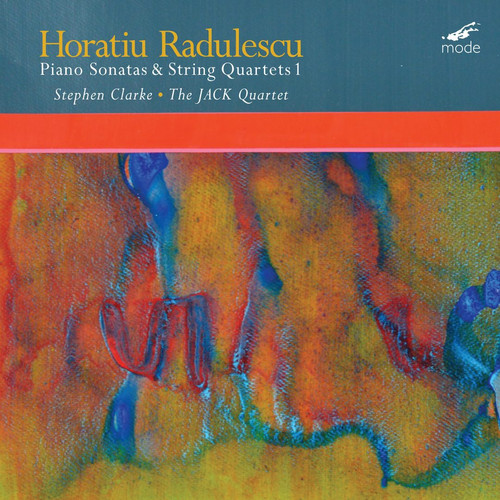
Piano Sonatas & String Quartets 1
First volume of Horatiu Radulescu's Piano Sonatas and String Quartets, with String Quartet No. 5 and Piano Sonatas Nos. 2 and 5, the quartet and Sonata No. 5 first recordings, played by the JACK Quartet and Stephen Clarke.
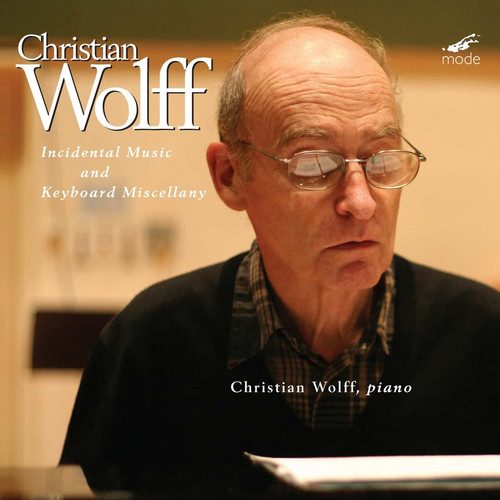
Incidental Music and Keyboard Miscellany
Volume 7 of Mode's Edition Christian Wolff, on 2CD: the composer plays his own Incidental Music (2003-04), written for a Merce Cunningham Dance Company Event, and the ongoing series Keyboard Miscellany, on piano and melodica.
dialogues with environments
2013 releae **
"Three works for solo piano in a kind of homage to Cage's "4'33"", insofar as the room in which the recordings took place is accorded coequal prominence, at least as the stated intention of Lee. So one hears various rustles, coughs and whatnot while the beginning of the last track, "Piano Solo No. 5" (2011) sounds as though recorded in close proximity to a number of aging fluorescent bulbs. More to the point, the piano sound is noticeably different in the three spaces. The music i…
Urs Peter Schneider . Klavier
2014 release **
"Peter Streiff’s music moves in historical webs, encompassing the connected worlds of allusion and individuality in a language that is at once direct and cryptic. This new disc of his piano music, performed by fellow composer Urs Peter Schneider, is a microcosm of Streiff’s creative trajectory. For ease of comprehension, I will use English versions of composition titles in this review. “Of Magic” (1970), the earliest material represented here, has a fair amount in common with the…
piano piece
2010 release **
"Arrayed neatly, but in dislocated sequence, across clean white pages using a standard music notation software, the material of Tim Parkinson's piano pieces suggests anonymity. Traces of other musics may be suggested by some of the material, though the focus for the performer is on projecting the sounds without the clutter of imposed interpretative rhetoric. In so doing both composer and performer declare themselves and this beautiful music is revealed."
Solo pieces
2005 release **
music that allows sounds to sound:to die away, completely, into silence sounds thought from their end:not moving forward, but drawing back. this creates space, expanse, a delicate serenity:silence - and what it shelters - becomes audible. this is singing with the ears:barely more than silence. a singing which not only makes,but becomes space: a space for worlds. phrases are also sounds:unfolded, laid out as a path. sound paths that come into being first when followed,invariably t…
Sold Out
New Piano Works From Europe And The Americas
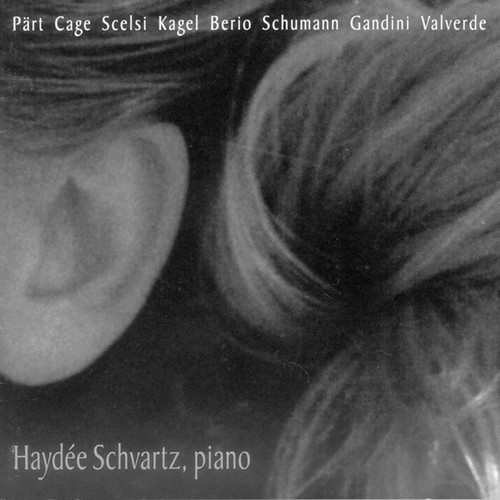
Debut recital by Argentinean pianist Haydée Schvartz with piano works by Pärt, Berio, Scelsi, Kagel, Cage, Gandini and Valverde, including first recordings of Berio's Brin and Leaf and Cage's Perpetual Tango.
The Piano Works 9
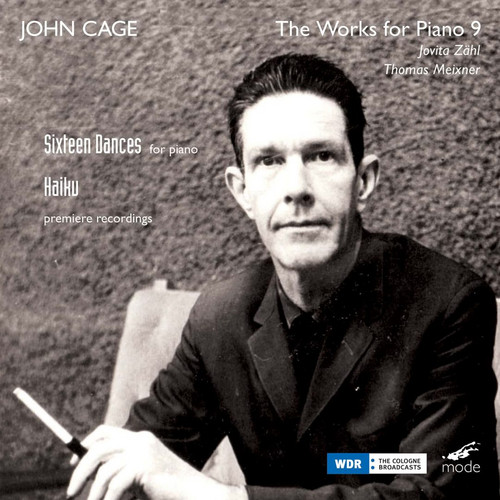
First recordings of two major piano works by John Cage from 1950-51 found at the New York Public Library: Haiku and the solo piano version of Sixteen Dances, played by Jovita Zähl, with Thomas Meixner on percussion in two alternate dances.
The chord catalogue / Within fourths/Within fifths
2013 release **
"The Chord Catalogue is sort of a sister to Music for 88. It is also an examination of pianistic possibilities done with a focus so tight that obscuring any intrinsic aesthetic qualities in the execution seems to be the intention. (Also like Music for 88, Johnson recorded the piece for Phill Niblock’s Experimental Intermedia imprint). Beginning with “The 78 Two-Note Chords” (the section titling further eliminates risk of artistic suggestion), the set of pieces exhausts its way th…
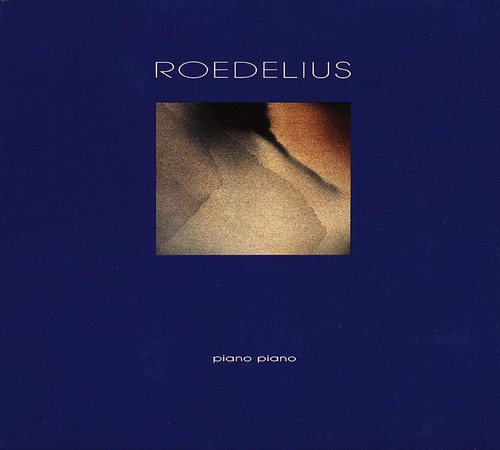
Piano Piano
Bureau B reissues Piano Piano by German keyboardist Hans-Joachim Roedelius, originally released in 1991 on the Italian label Materiali Sonori. In classical music, "pp" (piano piano = pianissimo) is a dynamic indication of particularly soft music. And Piano Piano is a very soft, quiet album. Roedelius assumes the role of a fairytale character with his piano music, transported to a strange, fantastical landscape where, filled with awe and amazement, he tries to get his bearings. What he see…
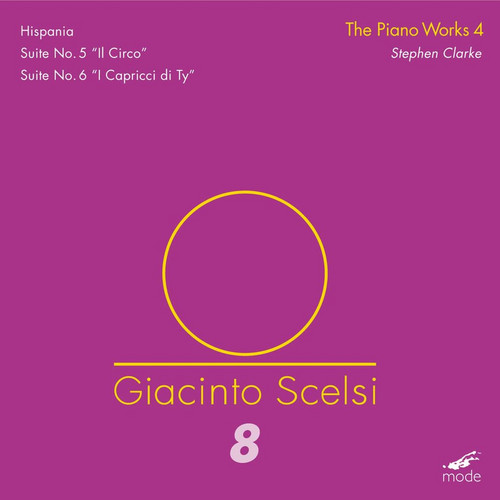
The Piano Works 4
Fourth volume of Giacinto Scelsi's piano works: Hispania, Suite No. 5 Il Circo and Suite No. 6 I Capricci di Ty, three first recordings of large early works from the 1930s, played by Stephen Clarke.
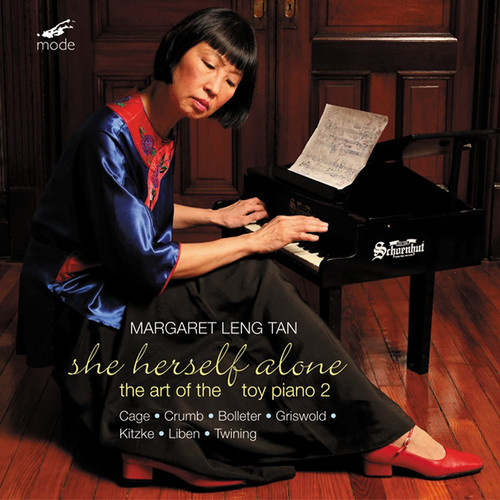
The Art of the Toy Piano 2
Margaret Leng Tan's follow-up to The Art of the Toy Piano: Cage's Suite for Toy Piano and Dream, a George Crumb song and other pieces, played on six toy pianos plus toy instruments, grand piano, music boxes and percussion.
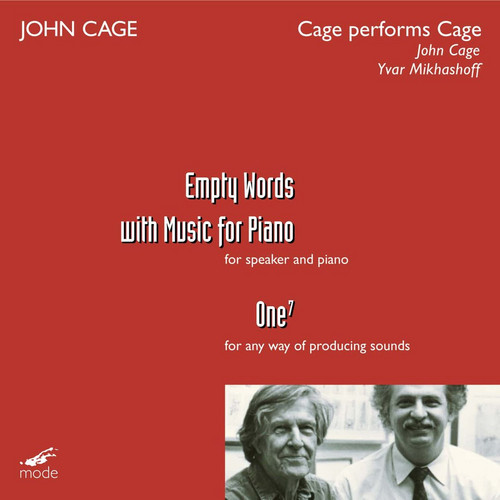
Cage Performs Cage
Mode's 200th release: John Cage himself performs Empty Words together with Music for Piano (with Yvar Mikhashoff) and the solo work One7, recorded at Buffalo in April 1991 and released for the first time.
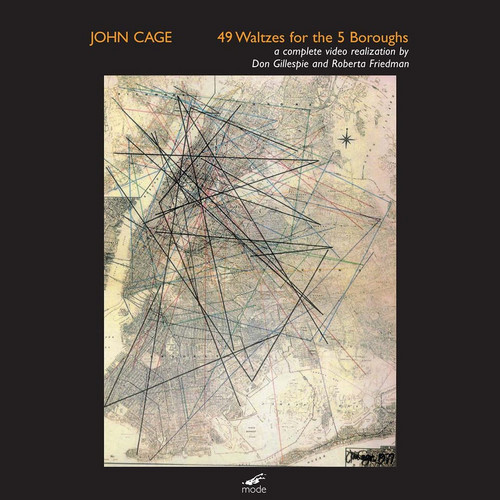
49 Waltzes for the Five Boroughs
A complete video realization of John Cage's 49 Waltzes for the Five Boroughs by Don Gillespie, Roberta Friedman and Gene Caprioglio, filmed at 147 New York City locations in 1994-95 with durations set by the I-Ching.

Studies for Player Piano
The definitive recording of Conlon Nancarrow’s Studies for Player Piano, originally released on LP by 1750 Arch Records, newly remastered in spectacular sound, representing the most faithful reproduction of what Nancarrow heard in his own studio. This is the only available recording utilizing Nancarrow’s original instruments: two 1927 Ampico player pianos, one with metal-covered felt hammers and the other with leather strips on the hammers. The 4-CD set includes a 52-page booklet with the origin…
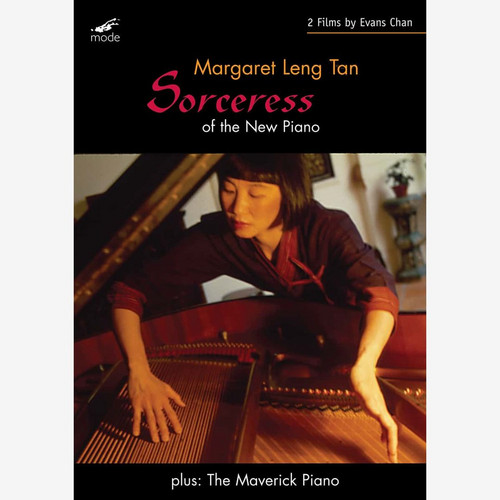
The Artistry of Margaret Leng Tan
DVD of two films by Evans Chan on pianist Margaret Leng Tan: the documentary Sorceress of the New Piano (2004) and the bonus film The Maverick Piano (2007), with performances of Cage, Ge Gan-ru, Satie and Twining and toy piano.
The Piano Works 1
First volume of Mode's Scelsi Edition and of the traversal of his piano works: Giacinto Scelsi's Sonatas No. 2 and No. 4 and the nine-movement suite Ttai, played by Louise Bessette.