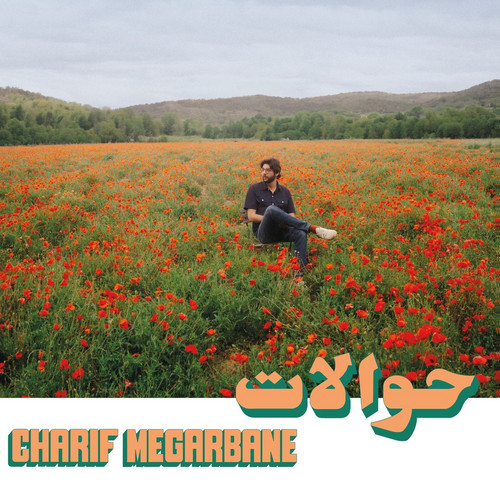
Hawalat
Charif Megarbane's follow-up to Marzipan looks outward, to the diaspora and to exile: instrumental grooves built on the idea of hawala, with Somali, Mediterranean and jazz colours and a collaboration with Sven Wunder.
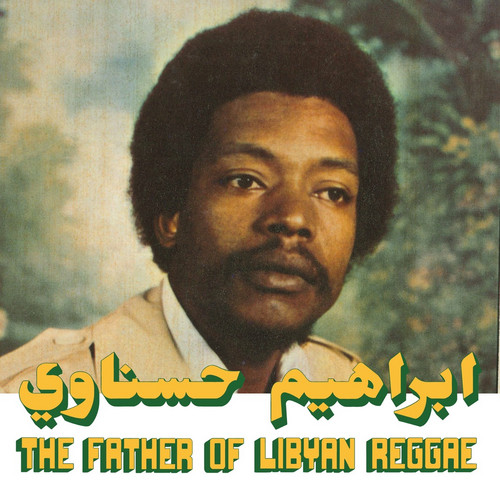
The Father Of Libyan Reggae
Collection of songs by Tripoli singer Ibrahim Hesnawi, credited with making reggae popular in Libya from the late 1970s: Jamaican reggae merged with traditional Libyan rhythms, with funk, jazz and disco touches, sung mostly in Libyan Arabic.
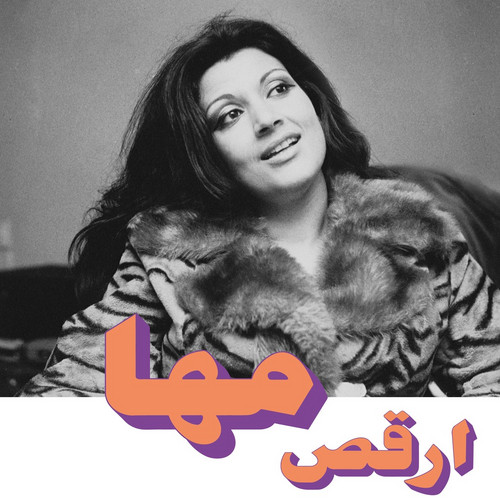
Orkos
The only album by Egyptian singer Maha, vocalist with Salah Ragab's Cairo Jazz Band, recorded in Cairo in 1979 and issued on cassette by Sout El Hob: jazz and Egyptian vocal tradition over funk, Latin and soul, produced with Hany Shenoda.
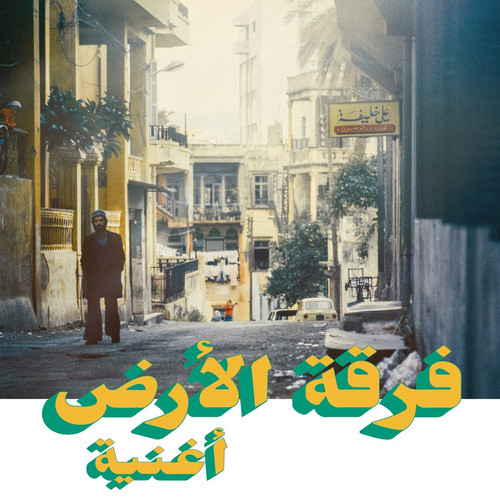
Oghneya
The 1978 album by Beirut group Ferkat Al Ard, led by singer Issam Hajali with arrangements by Ziad Rahbani: Arabic song, jazz, folk and bossa nova on poems by Mahmoud Darwish and Samih Al Qasem, first issued on cassette, then on vinyl in 1979.
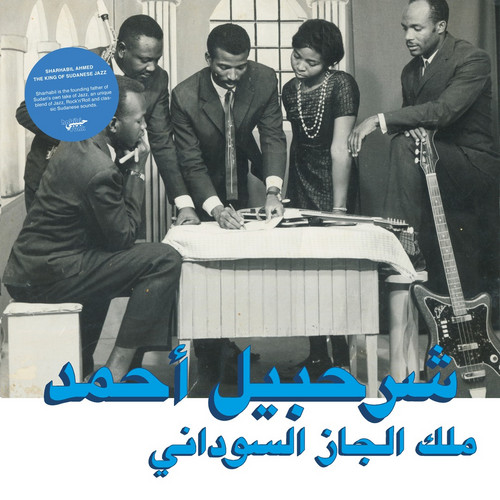
The King Of Sudanese Jazz
Recordings by Sharhabil Ahmed, born in 1935 and crowned king of Sudanese jazz: from the 1960s he blended Sudanese and East African harmonies with electric guitar, horns, surf, rock n roll, funk and Congolese music.
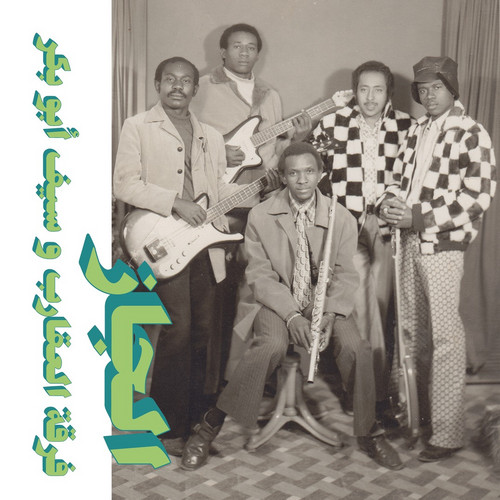
Jazz, Jazz, Jazz
Full reissue of the rare album by Khartoum band The Scorpions with singer Saif Abu Bakr, recorded in the 1970s: Sudanese jazz with strong horn arrangements and funky drums, crime-film style instrumentals, traditional rhythms and a soukous excursion.
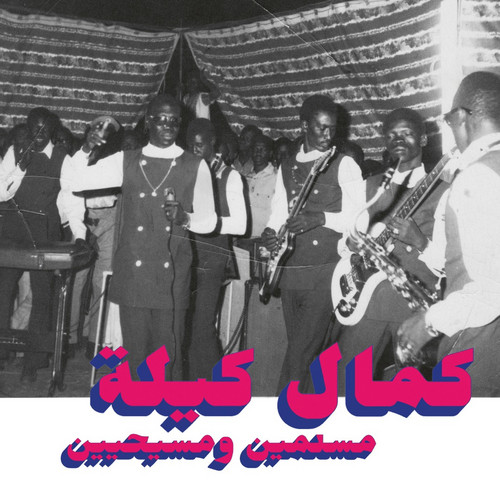
Muslims And Christians
Two radio studio sessions by Sudanese singer Kamal Keila, recorded in Khartoum on 12 August 1992 and kept on reels at his home: Sudanese jazz with Ethiopian, Afrobeat and funk influences, political songs in English and Arabic. Never released before.

La Natura E L'Uomo (LP)
2016 re-issue on Intervallo of the lovely 1973 melodic and evocative library album on Nereide.

Made In U.S.A. (LP)
2009 re-issue on Arision of the 1972 avantgarde/contamporary jazz fusion library album composed by Brugnolini and performed by the Amedeo Tommasi Trio.
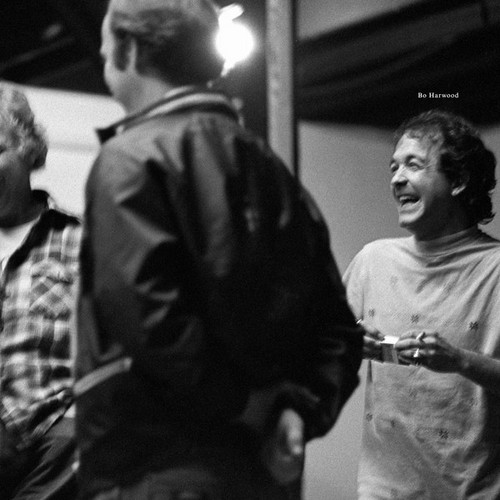
Bo Harwood
Bo Harwood (1946–2022) was one of those behind-the-scenes figures of American independent cinema: a self-taught musician, composer, sound editor, sound mixer and songwriter.
Harwood started out as the lead singer and guitarist of a Southern California rock band before a chance meeting with John Cassavetes changed the course of his career. He scored his first feature, The Bach Train, in 1969, and later joined Husbands as an inexperienced assistant in the editing room. He gradually became Cassavet…
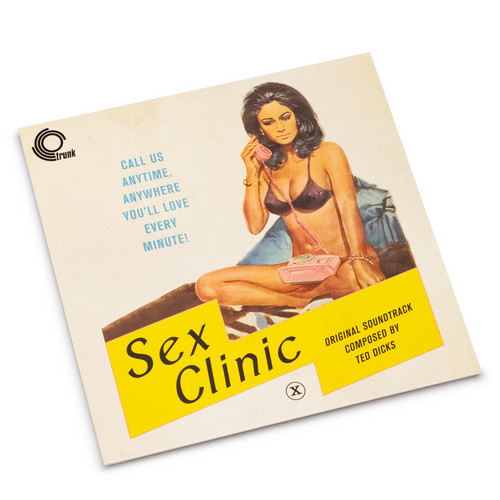
Sex Clinic
First-ever release of Ted Dicks's jazz score for Clinic Exclusive, the 1971 British film later shown as Sex Clinic. The man who wrote Bernard Cribbins's Right Said Fred turns in a restrained after-hours set of piano, brushed drums and vibraphone.
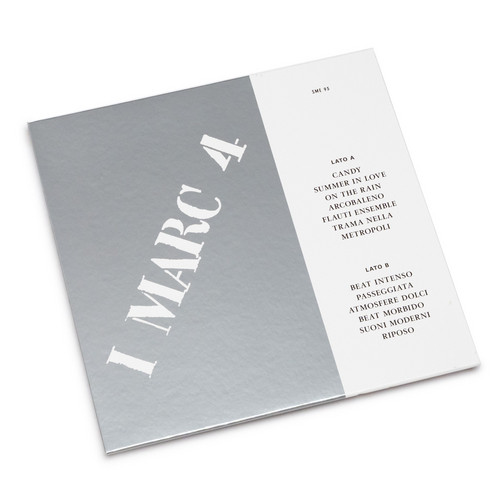
Silver Music
For close to a decade the sound of Italian cinema and television ran through four musicians from Rome. I Marc 4 were the rhythm section the country's leading composers reached for first, and between sessions they cut a long run of library albums under their own name. The scarcest corner of that catalogue sits on two companion imprints, Silver Music and Silver Men, issued in 1976 and seldom seen since. This new edition draws the strongest material from both onto a single LP, in the original milit…
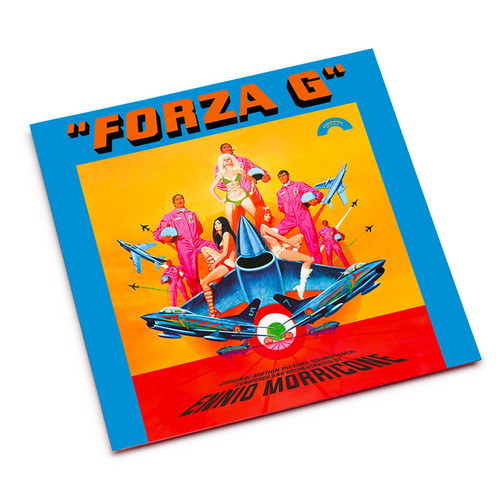
Forza G
Mariachi parodies, experimental jazz, lounge cues for party scenes, and a main theme that returns in five different versions. Composed in 1972 for Duccio Tessari's aviation comedy, the score to Forza "G" is one of the least visited corners of Ennio Morricone's busiest year, and now arrives on vinyl for the first time, as part of Cinevox's new Hidden Gems series.
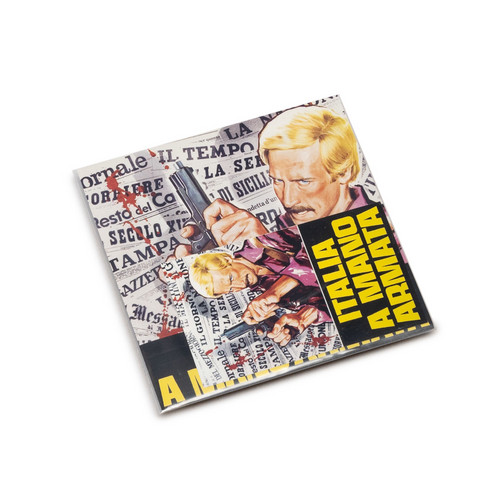
Italia a Mano Armata
*100 copies limited edition* A driving Italian soundtrack from the height of the cop/crime years – done with really full arrangements by Franco Micalizzi, in a way that easily rivals some of the best American work of the genre in the 70s! This score from 1976 (here reissued on wax) features an amazing band, spacey grooves, some jazz atmospheres, timeless brass-crescendos, the charm of '70s funk and the untameable talent of the maestro! Most of the orchestrations are quite bold – upbeat rhythms w…
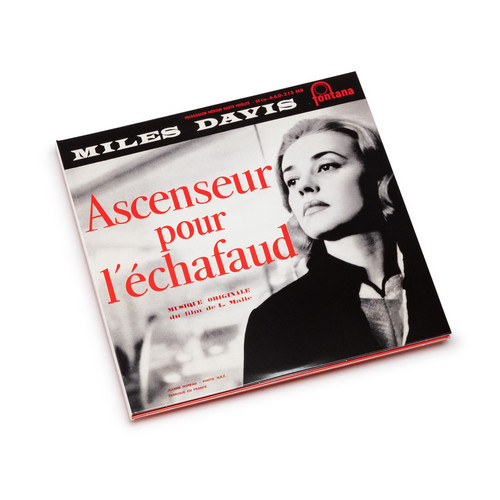
Ascenseur pour l'échafaud
*2026 repress!* Representing a more intimate and spontaneous side of Miles Davis, this expanded re-release of the soundtrack to Ascenseur pour l'échafaud is a welcome event. Louis Malle was already a jazz fan when Jean-Claude Rappeneau suggested to him that Miles, who was in France for a brief tour, be asked to record the soundtrack; he readily agreed. By creating a relaxed environment in the studio, where the musicians could view main scenes of the film in a loop and then improvise in response …
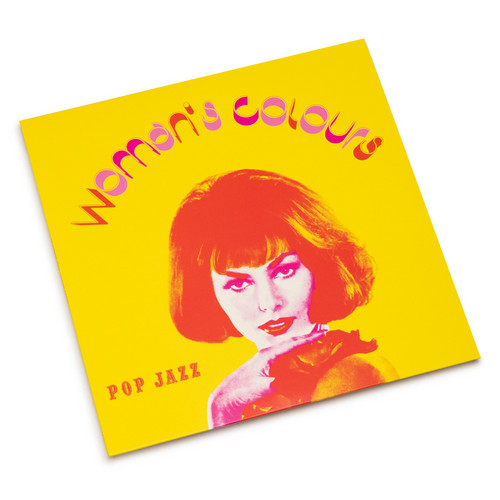
Woman's Colours
One of the most iconic Italian library music albums ever, Woman’s Colours by the Giancarlo Barigozzi Group (with Sergio Farina and Oscar Rocchi) emerged from Milan’s vibrant studio scene. Originally released in 1974 under the supervision of Fabio Fabor, it’s a refined concept work blending jazz-funk, jazz-rock, bossa nova and exotica, featuring Wurlitzer, Fender Rhodes, fuzz guitars and expressive flutes, balancing groove and elegance. Over time it has attained cult status, now regarded as a cor…
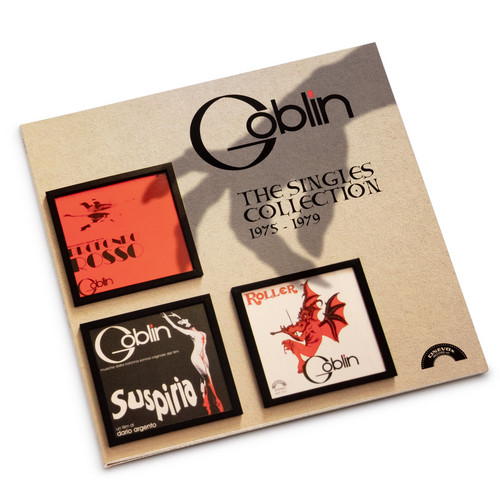
The Singles Collection (1975 - 1979)
White vinyl edition. Gatefold cover with extensive liner notes. A prog band that topped the Italian singles chart. A horror soundtrack that sold over a million copies and sat in the charts for a full year. A group of Roman session musicians who, almost by accident, invented a new language for cinema. Goblin's story is full of contradictions, and the 7-inch single - that most concise, most commercial of formats - turns out to be the sharpest lens through which to view them all.
The Singles Collec…
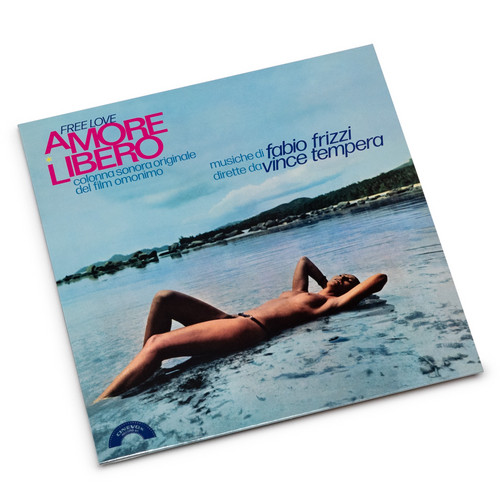
Amore Libero = Free Love
Pearly light blue vinyl edition. 30x30cm insert with extensive liner notes. An origin story, pressed in wax. Before Profondo Rosso. Before Suspiria. Before the name Goblin became synonymous with the sound of Italian horror cinema. There was this.
Amore Libero - Free Love is the first film score ever composed by Fabio Frizzi - written in 1974 when he was just twenty-three, for Pier Ludovico Pavoni's sun-drenched erotic drama of the same name, shot entirely on location in the Seychelles. The film …
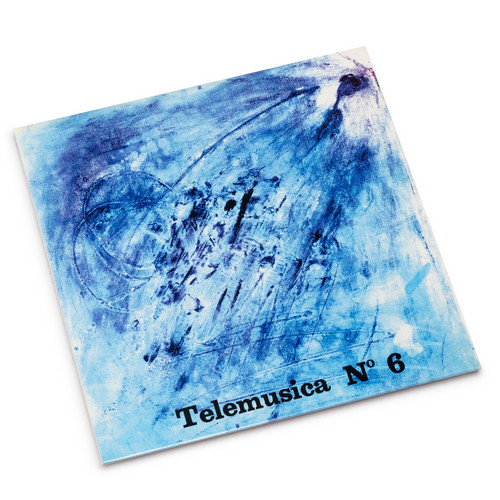
Telemusica N. 6
A 1973 library brief of “jazz + experimentation” into a compact film in sound, gliding from lush lounge and tense jazz‑funk to freaked‑out electronics and stark Nuova Consonanza‑style miniatures.
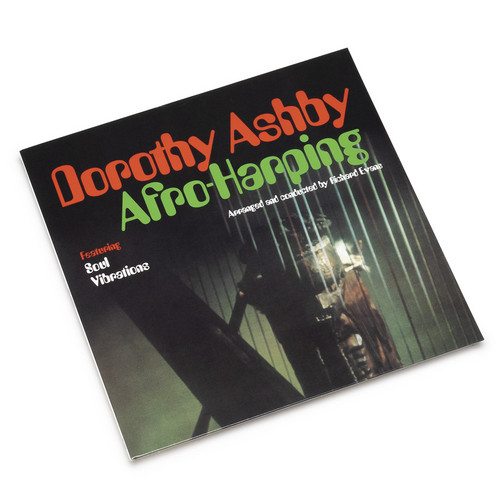
Afro-Harping
The jazz-funk metamorphosis of harpist Dorothy Ashby completed on her 1968 album released on Chess records subsidiary Cadet. The cycle was literally completed when the album – recorded on February of the same year in Chicago – hit the stores. With arrangements by Richard Evans and a killer (unknown) line-up the record is full of samples galore, from "Soul Vibrations" and "Come Live With Me", plus a version of "Little Sunflower" by Freddie Hubbard.