Various ArtistsFeaturing: Luigi Zito
Telemusica N. 6 (LP)
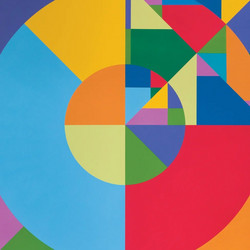
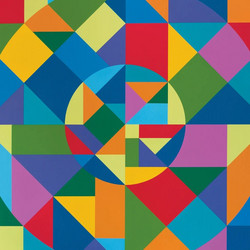
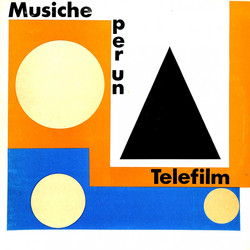
Originally released in 1973 on Edizioni Leonardi’s Lupus Records label, Telemusica N. 6 has long been one of the more elusive artefacts in the Italian library canon: a single volume in a larger series that quietly distilled everything restless and forward‑leaning in early‑70s studio culture. Now finally reissued by Redi Edizioni in a faithful reproduction of the original artwork, the album re‑emerges as more than a collector’s curio. Conceived within the “Telemusica” line as the chapter devoted to “jazz” and “experimentation,” it offers a concentrated survey of how far those terms could be stretched when placed in the hands of resourceful arrangers working under the radar.
Where earlier volumes in the series drew on multiple, often anonymous contributors, Telemusica N. 6 foregrounds a compact circle of names: Italo Fischetti, Litoz, Luigi Zito, Corfull and Romano Rizzati. Each brings a slightly different angle on the brief, yet the record plays as a unified suite. At one end of the spectrum lie suave, easy‑listening and lounge‑jazz cues: velvety electric piano, brushed drums, warm horns and strings that sketch scenes of late‑night studios, bar counters and soft‑focus interiors. These pieces show the composers’ command of mood and melody, their ability to craft themes that feel instantly legible while carrying the faint harmonic twists that mark the best Italian library work of the period.
From there, the music moves decisively into more charged territory. Several tracks pivot into jazz‑funk with clear “tension” and thriller‑like overtones: prowling basslines, tightly clipped guitar, drum patterns that feel built for stakeouts and chase sequences, and terse horn riffs that could sit comfortably under crime‑film edits. Here the writing and playing flirt with blaxploitation energy without simply copying American models, folding in a specifically European sense of harmony and orchestration. The cues remain concise, made to be cut to picture, yet they crackle with enough personality to stand on their own.
The series’ experimental promise comes fully into focus in the record’s final stretch. “Valzer Grottesco” acts as a hinge point, taking the familiar lilt of a waltz and bending it through peculiar electronic frequencies: detuned oscillations, odd filtering and tape treatments that warp the dance into something crooked and faintly unsettling. It’s a compact example of how emerging electronic tools were being slipped into ostensibly “functional” music, turning a stock form into an eerie, liminal object. The last three pieces then push further into the avant‑garde. Sparse, angular gestures, abrupt silences and abrasive timbres invite comparison with the Gruppo di Improvvisazione “Nuova Consonanza,” the legendary improvising collective that once counted Ennio Morricone among its members. Within the confines of a library LP, these tracks feel like miniature studies in free improvisation and textural composition, stark yet still tightly structured.