Various Artists
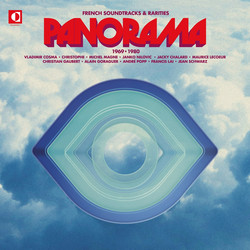
Panorama Vol. 2 (LP)
Panorama Vol. 2 finds Transversales Disques once again burrowing into the vaults of French film and library music to uncover a parallel history of the late 1960s and ’70s - one written not in hit singles but in cues, themes and incidental pieces that rarely left their reels. Spanning 1968 to 1980, this second volume assembles 11 forgotten gems that have largely escaped both reissues and compilations, presenting them not as curiosities but as a coherent, cinematic experience. It’s a deep dive into the moment when French composers were folding jazz, funk, chanson and experimental colour into soundtrack and library work with a freedom the pop charts seldom allowed.
The selection places celebrated maestros alongside lesser‑known but equally inventive peers. Caravelli, Pierre Dutour et son orchestre, Jean-Claude Petit, Jean-Louis Bucchi, Pierre Cavalli, Claude Vasori, Francis Lai, Karl Heinz Schafer, Yan Tregger, Oswald d’Andrea and Eric Demarsan appear in full command of their craft, their themes gliding effortlessly between melancholy, intrigue and widescreen romance. Shoulder‑to‑shoulder, they reveal just how much brilliance was hiding in television scores, industrial films and library catalogues, and how distinct each writer’s touch remains even when working to brief.
Sonically, Panorama Vol. 2 is a guided tour through the signatures of that era’s French sound. Moody string arrangements rise and fall like passing weather fronts; funky, flanged drums and percussion give several pieces an unmistakable 70s propulsion; basslines prowl and snap with the supple confidence that defined so much European soundtrack funk. Over the top, woodwinds, keys and occasional wordless voices add colour, shifting cues from noirish suspense to bittersweet romance or quietly psychedelic drift. The atmospheres are deeply dramatic yet often restrained, more about tension and texture than bombast.
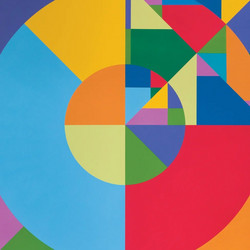
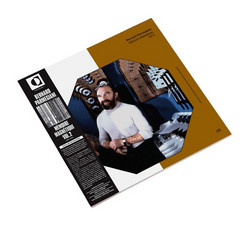
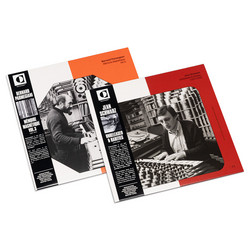
As with all Transversales editions, attention has been paid to presentation. The LP comes housed in a deluxe tip‑on jacket with printed inner sleeves, underscoring the archival care behind the project. Exclusive, extensive liner notes provide context on the films, sessions and studios involved, illuminating how and why this music came to be, and why it has remained so elusive for so long. For collectors, soundtrack devotees and anyone drawn to the intersection of jazz, funk and orchestral writing, Panorama Vol. 2 offers both a standalone cinematic journey and a set of new pathways into the wider, still under‑explored world of French library and film music.